15 Best Products for Traditional Locs
Disclosure: Some of the links in this post are affiliate links. This means if you click on the link and purchase an item, I will receive an affiliate commission at no extra cost to you. All opinions remain my own. I only recommend products or services I believe will add value to my readers.
Starting traditional locs can feel exciting, but maintaining them can quickly bring a few unexpected questions.
You may love the way your locs are growing, yet suddenly notice dryness, an itchy scalp, frizz, or strands that do not feel as soft as they did before. Then comes the difficult part IS choosing products.
With so many oils, shampoos, sprays, conditioners, and loc moisturizers available, it is easy to wonder which ones will actually help and which ones could leave unwanted buildup. This is especially important with traditional locs because heavy products can settle inside the strands and become difficult to remove.
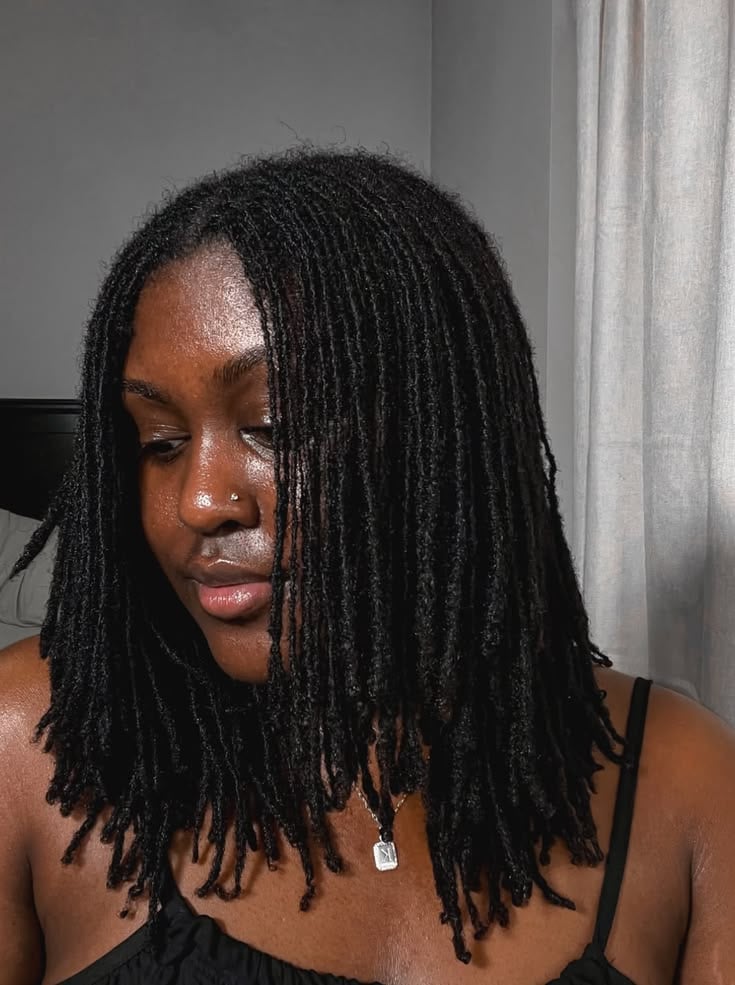
If you are still learning what your hair needs, How to care for your locs the right way: A complete guide for healthy, long lasting hair can help you understand the foundation of a healthy routine before adding too many products.
The truth is, your locs do not need a complicated shelf filled with products to look and feel healthy. They need the right balance of cleansing, moisture, scalp care, and gentle maintenance.
You might be searching for something that helps dry locs feel softer, keeps your scalp comfortable, refreshes your hair between wash days, or protects your strands from unnecessary breakage.
At the same time, you probably want to avoid greasy products, heavy residue, and ingredients that make your locs feel coated instead of clean. That is why choosing the Best Products for Traditional Locs should be based on what your locs actually need rather than simply buying whatever product is trending.
As your locs mature, their needs can change too. A product that works beautifully during one stage may not be necessary later, while your washing, moisturizing, and retwisting routine may also need small adjustments.
Understanding Common locs problems and how to fix them can make it easier to recognize whether your concern comes from dryness, buildup, improper maintenance, or another issue.
In this guide, we will explore 15 products that can make traditional loc maintenance easier while helping you make more thoughtful choices for your scalp and strands.
The goal is not to overwhelm you with options, but to help you create a simple routine that keeps your locs clean, moisturized, manageable, and beautiful as your journey continues.
15 Best Products for Traditional Locs
1. Lightweight Loc Moisturizing Spray
One of the easiest ways to keep traditional locs feeling fresh is to use a lightweight moisturizing spray. Locs can become dry, especially when you wash frequently, spend time in dry weather, or simply go several days without refreshing your hair.
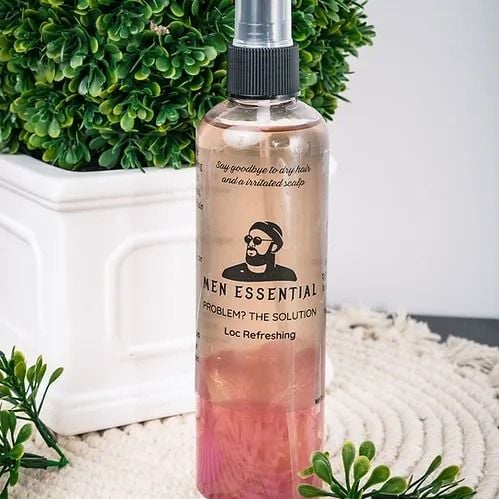
A good spray should add moisture without leaving your locs soaking wet or coated with a heavy film. This is particularly useful when your locs need a quick refresh between wash days. Instead of applying thick creams directly onto your locs, a light mist can help distribute moisture more evenly.
Look for formulas designed specifically for locs or natural hair that contain water and lightweight moisturizing ingredients.
You should also avoid spraying your hair excessively because constant dampness can create its own problems. A few light sprays are usually more practical than completely saturating your locs.
If your locs feel dry but you are worried about buildup, this type of product can become one of the most useful items in your routine. It can also make your hair easier to manage when your strands feel rough or dull.
However, remember that moisture alone does not automatically solve every loc problem. Your cleansing routine, scalp condition, and maintenance habits also matter.
If your locs seem to become dry immediately after washing, take a closer look at your shampoo and washing technique. Your hair may need a gentler routine rather than simply more moisturizer.
A lightweight spray works best when it supports a balanced routine instead of replacing one.
Before adding several moisturizing products, it can also help to understand How Often Should You Moisturize Locs? This can help you avoid the common mistake of constantly adding product whenever your locs feel slightly dry.
2. Residue-Free Clarifying Shampoo
A good shampoo is one of the most important products in any traditional loc routine because clean locs start with a clean scalp.
Unlike loose natural hair, locs can hold onto residue from oils, styling products, dust, sweat, and everyday environmental exposure. Over time, that residue can make your locs feel heavy or cause them to lose their natural movement.
A residue-free clarifying shampoo can help provide a deeper cleanse when your hair needs it. However, clarifying shampoo should not necessarily replace your regular shampoo at every wash.
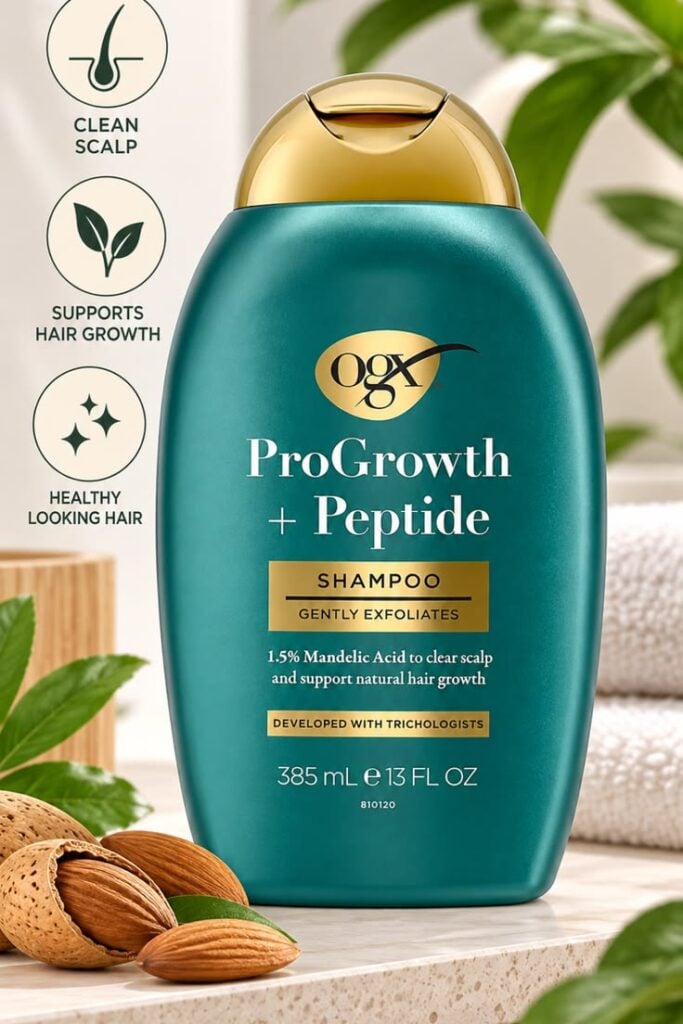
Depending on your hair and scalp, using a strong cleanser too often may leave your scalp feeling dry or uncomfortable.
When choosing a shampoo, pay attention to how your scalp and locs respond after washing. Your hair should feel clean rather than coated, but your scalp should not feel painfully tight or stripped.
A good cleansing routine also depends on thoroughly rinsing the shampoo from your locs. Leaving cleanser behind can create another layer of unwanted residue.
You may need to spend extra time rinsing longer locs or thicker sections because water does not always move through them as quickly as it does through loose hair. Take your time, especially around the roots and areas where products tend to collect.
If you are new to traditional loc maintenance, How to Wash Starter Locs Without Unravelling Them (Step by Step Guide) can also give you useful ideas about washing carefully while protecting developing locs.
3. Lightweight Loc Oil
A lightweight loc oil can be useful when your scalp feels dry or your locs need a little extra softness. Oils are popular because they can help seal in moisture and give locs a healthy-looking finish without requiring large amounts of product.
However, more oil does not necessarily mean healthier locs. Applying too much can leave your scalp greasy and contribute to buildup, especially when oil is repeatedly layered without proper cleansing.
For this reason, a small amount is usually better than saturating your entire head. You can concentrate on your scalp or lightly distribute the oil according to what your hair actually needs.
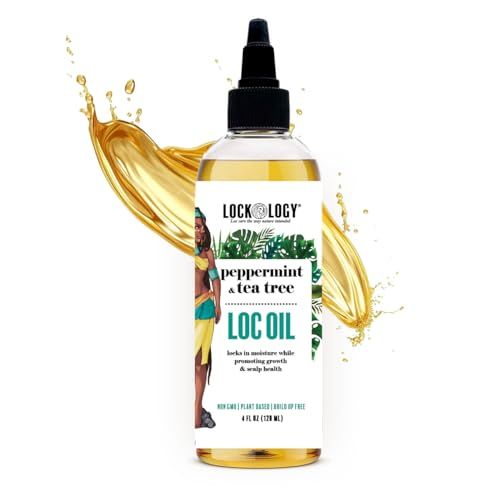
When selecting an oil, consider lightweight options rather than extremely thick formulas that may be difficult to wash away. Some people prefer blends containing ingredients such as jojoba, grapeseed, or other lightweight oils.
Your own scalp response matters too. If a particular oil causes irritation, excessive greasiness, or discomfort, there is little reason to continue using it simply because other people love it.
Your loc routine should work with your hair rather than against it. Oils are also not a substitute for water-based moisture, so think of them as one part of a broader routine.
If your main concern is scalp dryness, Best Oils for Loc Scalp Health can help you think more carefully about where oil belongs in your routine and how much you actually need.
4. Loc Scalp Refreshing Spray
A refreshing scalp spray can be especially helpful between wash days when your scalp starts feeling sweaty, dry, or uncomfortable. Traditional locs can make it difficult to reach every part of the scalp, particularly when the locs become thicker or longer.
A lightweight spray allows you to apply a small amount directly to the scalp without coating the entire length of your locs.
This can be useful after workouts, during hot weather, or whenever your scalp simply needs a quick refresh. Look for lightweight formulas and avoid products that leave a sticky finish.
The biggest benefit of a scalp refresher is convenience. You do not always need to completely redo your hairstyle just because your scalp needs attention.
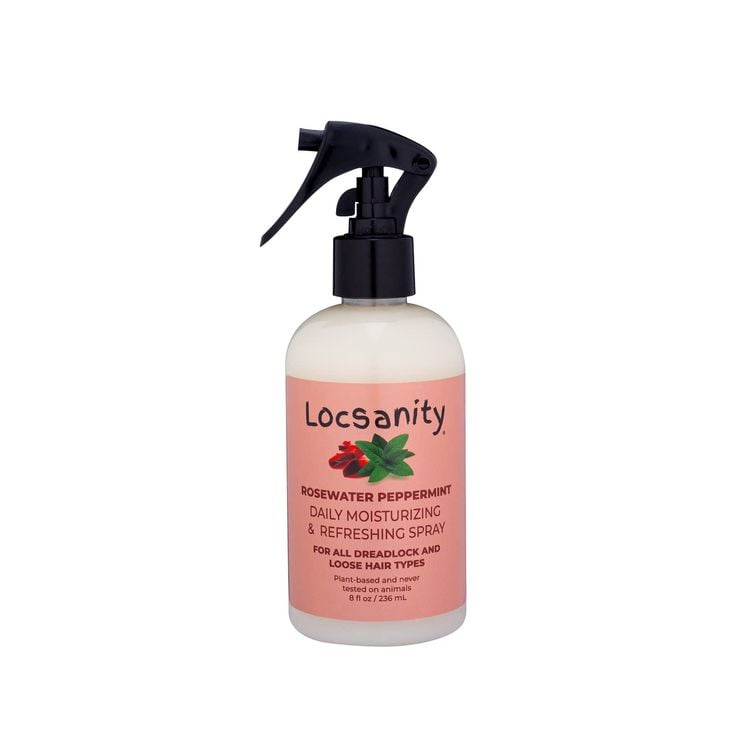
A targeted product can help you maintain comfort between regular wash days. However, a refreshing spray should not become a substitute for cleansing.
If your scalp remains sweaty, oily, flaky, or uncomfortable, washing may be more appropriate than repeatedly adding another product. Pay attention to what your scalp is telling you rather than trying to cover every concern with a spray.
If itchiness is becoming a regular problem, you may also want to read How to Stop Itchy Scalp With Locs because understanding the possible cause can help you choose products more thoughtfully.
5. Lightweight Leave-In Conditioner
A lightweight leave-in conditioner can give traditional locs an extra layer of softness when they feel dry or rough. The key word here is lightweight.
Traditional locs can trap creamy products inside their structure, especially when the product is applied heavily or repeatedly. Therefore, a leave-in should be used carefully and according to how your locs respond.
Water-based formulas are often easier to incorporate into a loc routine than thick, buttery products. You can apply a small amount to freshly washed or lightly damp hair rather than repeatedly coating dry locs with product.
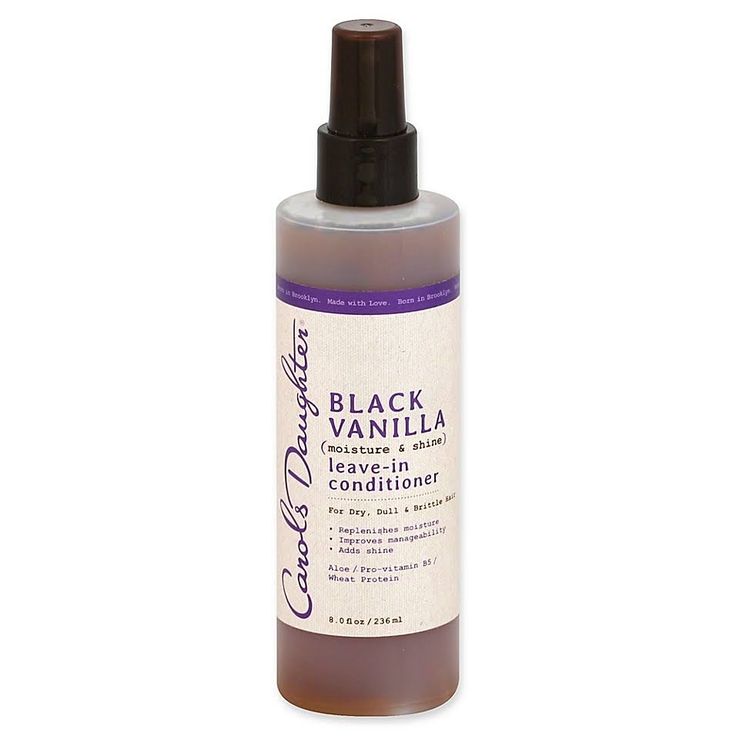
Leave-in conditioner can also be useful when your locs feel less flexible after washing. Instead of applying a large amount, start with a small quantity and see how your hair reacts over the next few days.
If your locs remain soft without feeling greasy or heavy, you may have found a useful addition to your routine. If they begin feeling coated, stiff, or sticky, reduce the amount or reconsider the product.
Remember that traditional locs require patience, and a product does not need to create an immediate dramatic change to be useful.
If you are trying to understand how your locs should feel and look as they mature, What Makes Locs Healthy vs Unhealthy can help you pay attention to signs that matter beyond appearance.
5 Popular Lightweight Leave-In Conditioners for Locs
- Alikay Naturals Lemongrass Leave-In: A clear, daily liquid spray mist that softens dry locs without greasy buildup.
- Design Essentials HCO Spray: A weightless, professional-grade mist that restores moisture balance, especially on fine or micro-sized locs.
- Kinky-Curly Knot Today: A silicone-free, herbal formula that loc wearers popularly dilute with water to make a weightless conditioning spritz.
- As I Am Leave-In Conditioner: An organic, water-based cream alternative that melts seamlessly into damp hair right after a wash.
Which one of these fits your routine best, or would you like to know where to buy them?
6. Apple Cider Vinegar Loc Rinse
An apple cider vinegar rinse is often discussed as a way to refresh the scalp and help remove certain types of residue.
Some people include it occasionally as part of their loc-care routine, particularly when their hair feels coated after using several products.
However, it should not be treated as a miracle treatment or used excessively. Concentrated vinegar can irritate the scalp and may be uncomfortable if applied incorrectly. If you choose to use an ACV rinse, proper dilution and thorough rinsing are important.
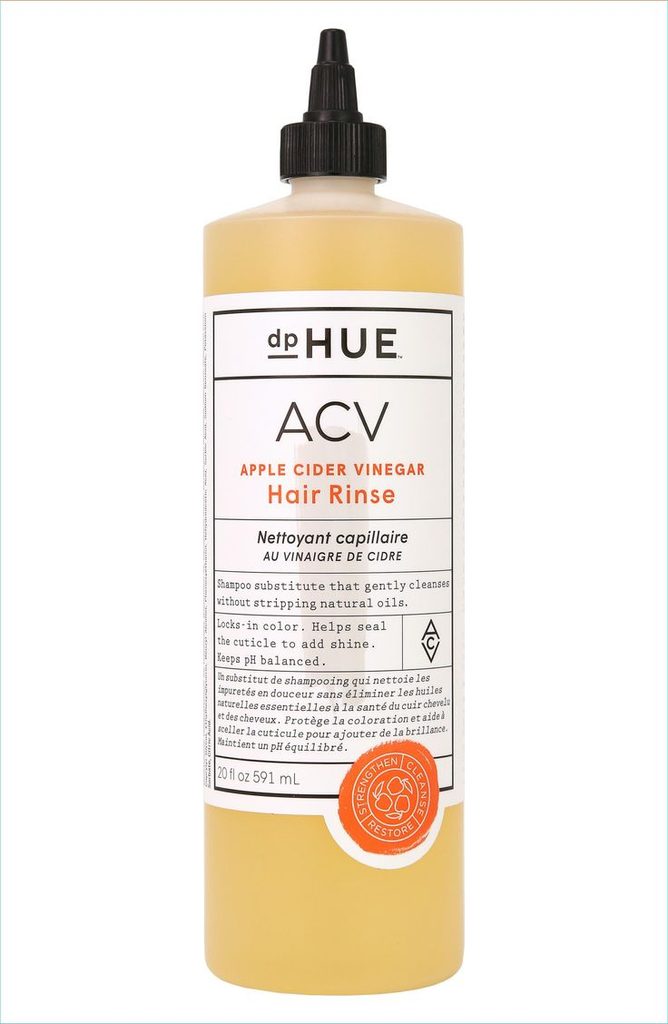
This type of rinse is most useful when you are trying to simplify your routine rather than continuously adding more products.
For example, if your locs feel heavy because you have been layering oils, sprays, and styling products, the first step may be improving your regular cleansing routine.
A rinse should complement proper washing rather than compensate for inadequate cleansing. It is also worth paying attention to how your scalp responds. Some people may tolerate occasional use comfortably, while others may find acidic products irritating.
Before experimenting with treatments, take a closer look at your existing routine. 23 Things You Should Never Do Your Locs can help you identify habits that may be creating unnecessary problems before you add another product to your shelf.
7. Aloe Vera-Based Loc Moisturizer
Aloe vera-based moisturizers are popular among people who want a lighter way to refresh dry locs. Aloe can provide a cooling, lightweight feel, which makes it appealing when your scalp or locs need refreshing without a thick coating.
A well-formulated aloe-based product can work particularly well as part of a simple moisture routine. However, the entire formula matters.
A product can contain aloe while also containing heavier ingredients that may not suit your locs. Always consider how the finished product feels rather than focusing on one ingredient alone.
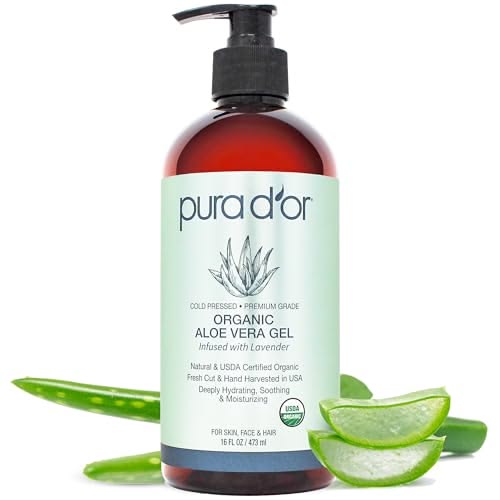
For traditional locs, moderation is still important. Applying a small amount and monitoring your hair can tell you much more than immediately covering your entire head with a new product.
If your locs feel softer and remain lightweight, you may have found something useful. If they become sticky or dull after several applications, you may be using too much.
You should also avoid assuming that every natural ingredient automatically works for everyone. Your scalp can still react to botanical ingredients, so stop using a product if it causes irritation.
Aloe-based products can be particularly appealing when your main concern is dryness. However, if your locs remain dry despite regular moisturizing, look at your entire routine rather than endlessly adding products.
Best Aloe Vera-Based Loc Moisturizers;
- Love Locs Aloe Vera Loc Moisturizer Spray
- Free The Roots Aloe Hydrating Mist
- George’s Always Active Distilled Aloe Vera
- Made For Locs Aloe Water-Based Moisturizer
8. Loc Conditioning Treatment
A conditioning treatment can be useful when traditional locs feel especially dry, rough, or difficult to manage.
However, conditioning locs requires more attention than conditioning loose hair because you need to make sure the product is thoroughly rinsed.
Heavy conditioners can become trapped inside the loc structure if they are not washed out properly. For that reason, choose products specifically suitable for locs when possible, and use them sparingly.
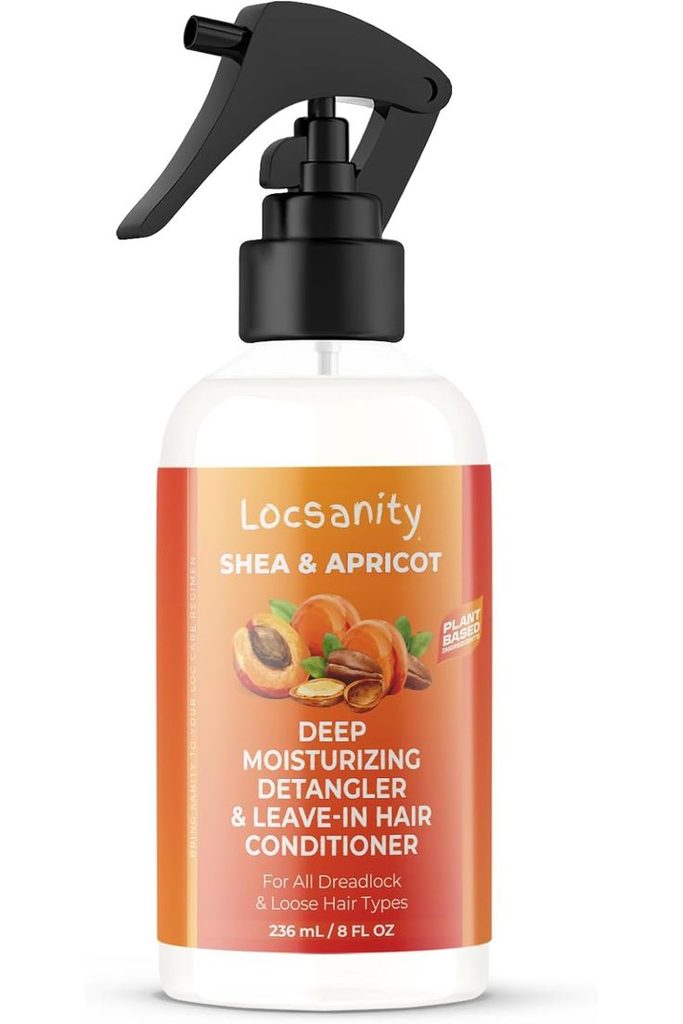
Your goal should be improving softness without leaving behind a coating that becomes difficult to remove.
A conditioning treatment can also be useful after periods when your hair has experienced extra stress. For example, frequent styling, environmental exposure, or long periods between washes may leave locs feeling less flexible.
Rather than applying conditioner every day, consider it an occasional treatment when your hair genuinely needs additional softness.
Always rinse thoroughly and allow your locs to dry completely afterward. Dampness trapped inside thick locs can become uncomfortable and may contribute to unwanted odors.
If you are worried about weakening your strands while trying to keep them soft, How to Strengthen Weak Locs is another helpful topic to explore. Healthy-looking locs are not only about moisture; strength and gentle handling matter too.
9. Rosewater Loc Mist
A rosewater-based loc mist can be a simple option for refreshing traditional locs without using heavy styling products.
A light mist can make your hair feel fresher during the day and may give dry-looking locs a more refreshed appearance. It is particularly convenient when you do not want to completely wet your hair.
The important thing is to choose a product with a lightweight formula and avoid repeatedly layering several sprays over one another.
Refreshing your locs should not become an excuse to avoid washing them when they genuinely need cleansing. A mist is best viewed as a between-wash product, not a replacement for shampoo.
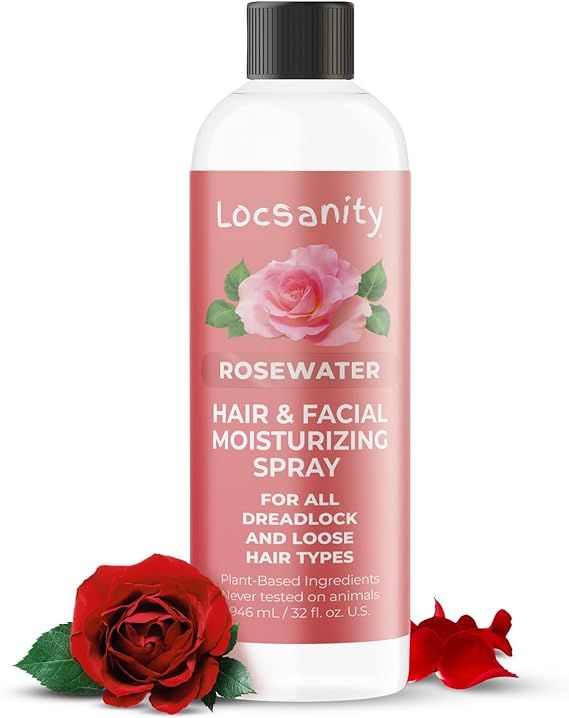
If your scalp feels oily, sweaty, or irritated, washing is usually more appropriate than repeatedly spraying it. You should also pay attention to how frequently you use the mist. Even lightweight products can contribute to buildup when applied excessively.
For people who prefer a minimal routine, a simple mist can be one of the more practical products to keep nearby. You can use it when your locs look tired or feel slightly dry without turning your maintenance routine into a long process.
10. Loc-Friendly Edge Control
Edge control can help create a neat appearance around the hairline when you are styling traditional locs for work, events, or everyday wear.
However, edge products should be used carefully because repeated pulling and excessive styling around the hairline can put unnecessary stress on delicate strands.
Choose a product that gives you the hold you need without requiring a large amount. You do not need to completely slick your edges every day to have polished-looking locs.
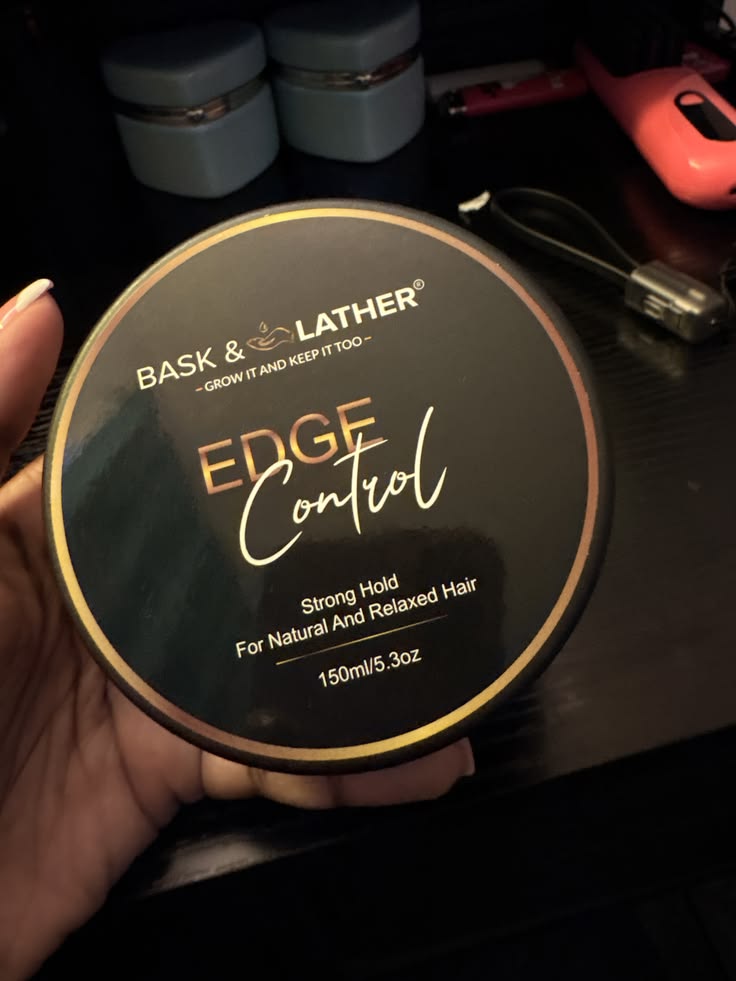
The best approach is to treat edge control as a styling product rather than a hair-health product. It can help complete a look, but it should not be used to cover thinning edges or disguise excessive tension.
If your hairline feels sore after styling, that is a sign to give it a break. Removing buildup around the edges is also important because styling products can accumulate quickly in this area.
If you regularly wear ponytails or pulled-back styles, Ponytail Loc Styles That Protect Your Hairline can give you inspiration for hairstyles that look polished while helping you think more carefully about tension.
11. Lightweight Scalp Oil
A dedicated scalp oil can be helpful when your main concern is a dry-feeling scalp rather than dry locs.
Applying oil directly to the scalp allows you to target the area that actually needs attention instead of coating the entire length of your hair. This can help you use less product overall.
A few drops are often enough, especially when you are using a lightweight formula. Massage gently with your fingertips rather than scratching aggressively because your scalp does not need rough treatment to feel refreshed.
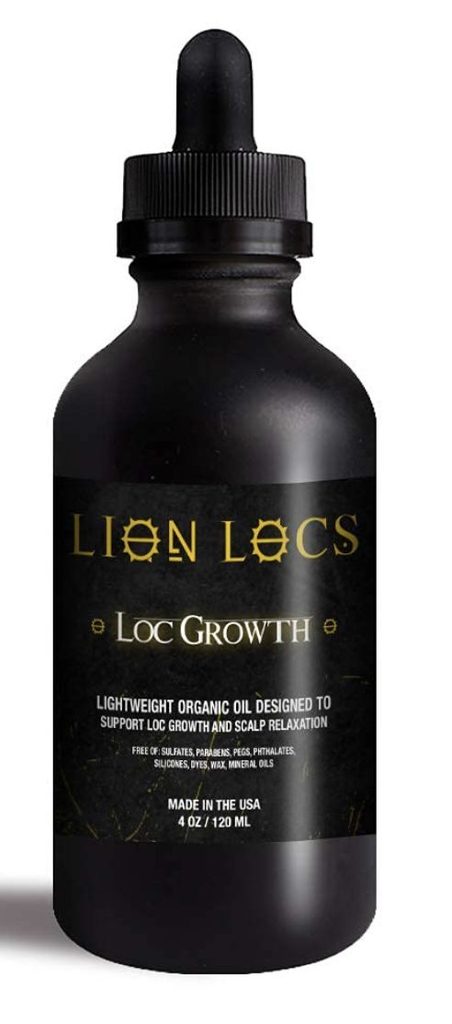
One mistake people sometimes make is confusing an oily scalp with a moisturized scalp. Adding more oil may temporarily make the scalp feel less dry, but excessive oil can also attract residue and make cleansing more difficult.
Pay attention to how your scalp behaves between washes. If it becomes greasy quickly, you may need less oil rather than more.
If it remains persistently irritated or uncomfortable, consider whether the issue requires professional advice instead of another cosmetic product.
A scalp-focused product can be a valuable addition to a simple routine, but it should have a clear purpose. When every product has a specific job, you are less likely to overload your locs.
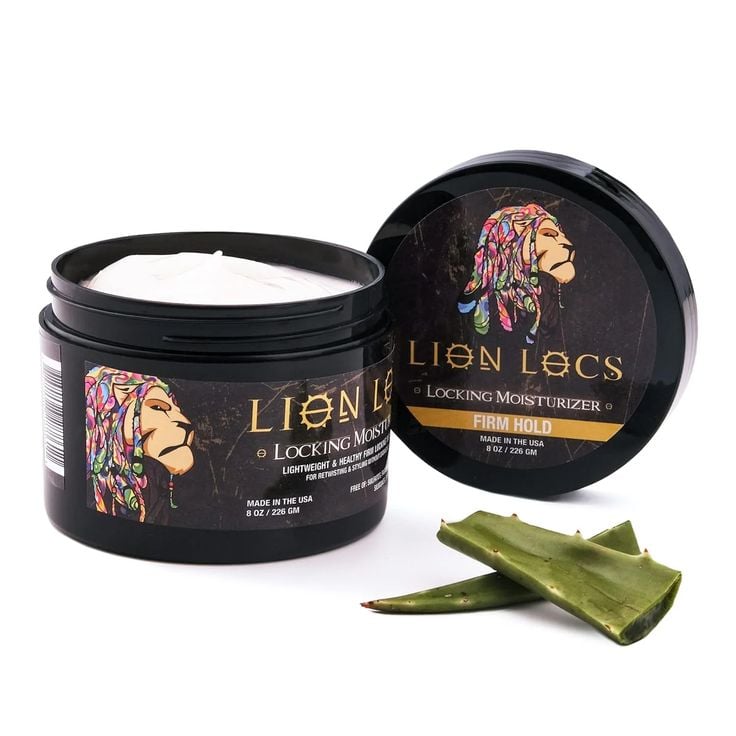
12. Loc Retwist Gel
Retwist gel can help keep traditional locs looking neat when you are maintaining your roots. The important consideration is choosing a formula that does not leave excessive residue.
Thick gels can create visible buildup around the roots, particularly when they are repeatedly applied before the previous product has been completely removed.
A small amount is usually more practical than saturating every section. Your goal should be clean, controlled roots rather than making them extremely stiff.
Retwisting too frequently can also create problems regardless of which product you use. Your roots need time to grow and strengthen, and constantly manipulating them may place unnecessary stress on the hair.
Product alone cannot protect your locs from excessive tension. If your scalp feels sore after retwisting, consider giving your hair more time between sessions. The healthiest-looking retwist is not necessarily the tightest one.
If you maintain your locs yourself, How to Retwist Your Locs Properly at Home can help you think about technique, tension, and product use before your next retwist.
13. Loc-Friendly Dry Shampoo
A loc-friendly dry shampoo can be useful in situations where you need a quick refresh but cannot wash your hair immediately.
This can be particularly convenient after travel, busy days, or situations where your scalp feels slightly oily. However, dry shampoo should be considered a temporary solution rather than a replacement for regular cleansing.
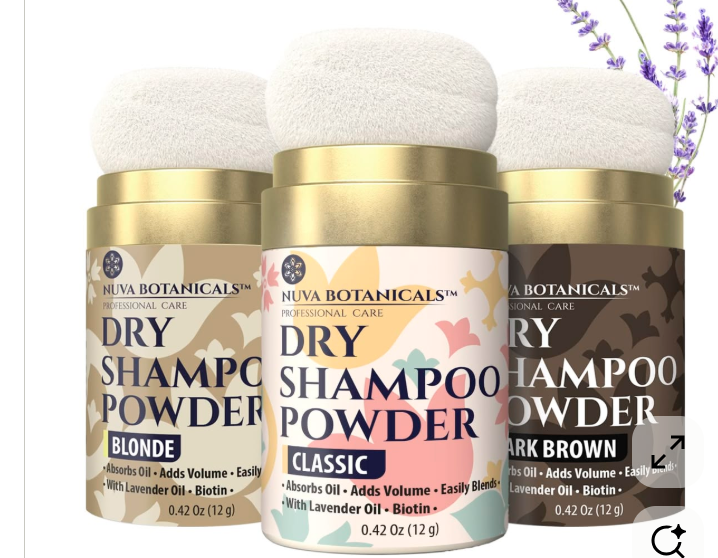
Spraying or applying powder repeatedly can eventually leave residue, especially when your locs are already carrying other styling products.
Use dry shampoo sparingly and follow the product’s directions carefully. Pay particular attention to your scalp rather than covering the entire length of your locs unnecessarily.
If your scalp becomes increasingly uncomfortable after using it, wash your hair instead. Traditional locs still benefit from a consistent cleansing routine, and no refreshing product can permanently replace that.
The goal is convenience without creating another maintenance problem. Keep dry shampoo for situations where it genuinely helps, rather than making it a daily habit simply because it saves time. Your locs should still receive proper cleansing when they need it.
14. Lightweight Loc Shine Spray
A shine spray can give traditional locs a polished finish when you want your hairstyle to look especially neat for an occasion.
It can be useful before photographs, celebrations, work events, or special outings when your locs look dull despite being clean and healthy.
However, shine products should be used lightly because excessive spraying can create a coating that attracts dust and residue. You want a subtle finish rather than a greasy appearance.
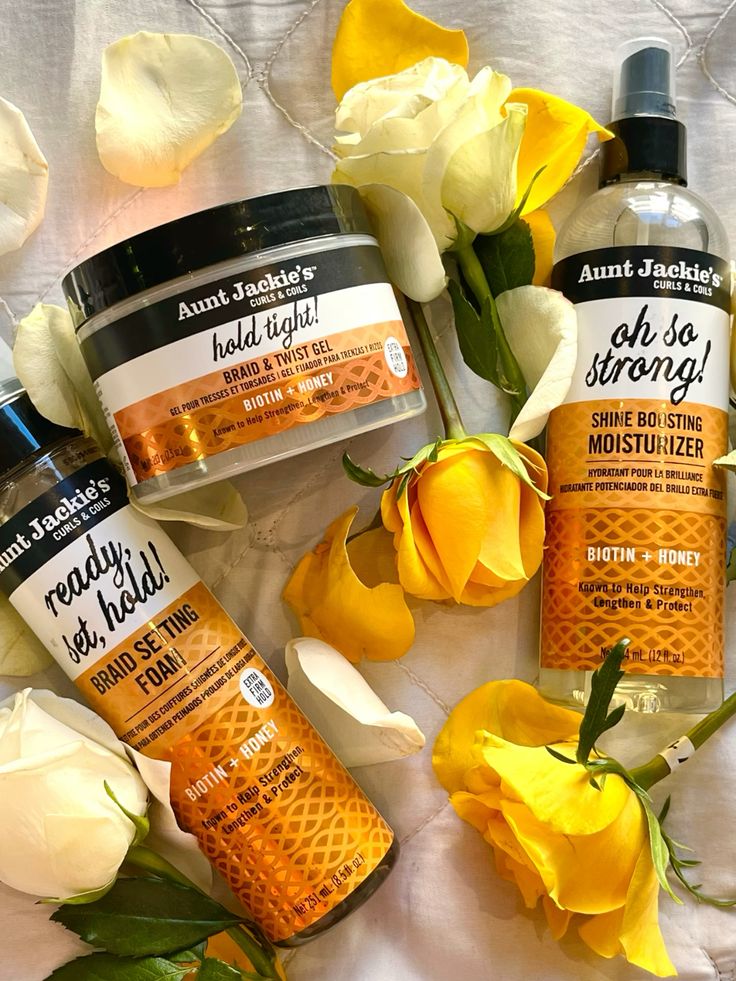
Before reaching for shine spray, make sure your locs are actually moisturized and clean. A glossy product can temporarily improve the appearance of dry hair, but it does not solve underlying dryness.
If your locs constantly look dull, reconsider your moisturizing routine and washing products first. Shine should be an optional finishing step rather than something you depend on every day.
Used thoughtfully, a lightweight shine spray can help your locs look polished without dramatically changing your routine.
Just remember that healthy locs do not need to shine intensely to be beautiful. Your priority should always be the condition of your scalp and strands.
15. Satin Bonnet or Loc-Friendly Scarf
Although a satin bonnet or scarf is not technically a hair product, it deserves a place in your traditional loc-care routine because nighttime protection can make a noticeable difference.
While you sleep, your locs can rub against cotton pillowcases, causing friction and contributing to dryness, frizz, and unnecessary tangling.
A satin covering creates a smoother surface and helps protect your hairstyle while you rest. It can also help your locs maintain their shape between styling sessions.
Choose a bonnet or scarf that comfortably accommodates the length and thickness of your locs. A covering that is too tight can create unnecessary pressure around your hairline, while one that is too small may flatten or compress your locs.

Your nighttime routine should protect your hair without creating another source of tension. If your locs are very long, look for an option designed to hold more hair comfortably.
Good nighttime habits can also make your daytime routine easier. Instead of waking up to flattened or tangled locs and immediately reaching for several styling products, you can start with hair that has been protected overnight.
For more ideas, How to Sleep With Locs Without Damaging Them can help you create a gentler nighttime routine that supports your loc journey.
Final Thoughts
Finding the Best Products for Traditional Locs does not mean buying every product that promises healthier, longer, or shinier hair. Your locs need a routine that is simple, consistent, and suited to their current condition.
Focus first on keeping your scalp clean, maintaining adequate moisture, minimizing buildup, and protecting your strands from unnecessary tension.
A lightweight moisturizer, gentle cleanser, suitable scalp oil, and nighttime protection may be more useful than a cabinet full of products you rarely need.
Most importantly, pay attention to how your locs respond. If they feel heavy, greasy, unusually dry, or coated, that is a reason to reconsider your routine rather than simply adding another product.
Remember that traditional locs are a journey, and their needs can change as they become longer and more mature. What works during one stage may not be necessary later.
Give new products time to show you how your hair responds, introduce them gradually, and avoid constantly changing your routine. Healthy-looking locs are not created overnight.
They are maintained through small choices repeated consistently, from washing and moisturizing to protecting your hair while you sleep.
When you choose products with a clear purpose and avoid unnecessary buildup, your routine becomes easier and your locs can remain comfortable, manageable, and beautiful throughout your journey.