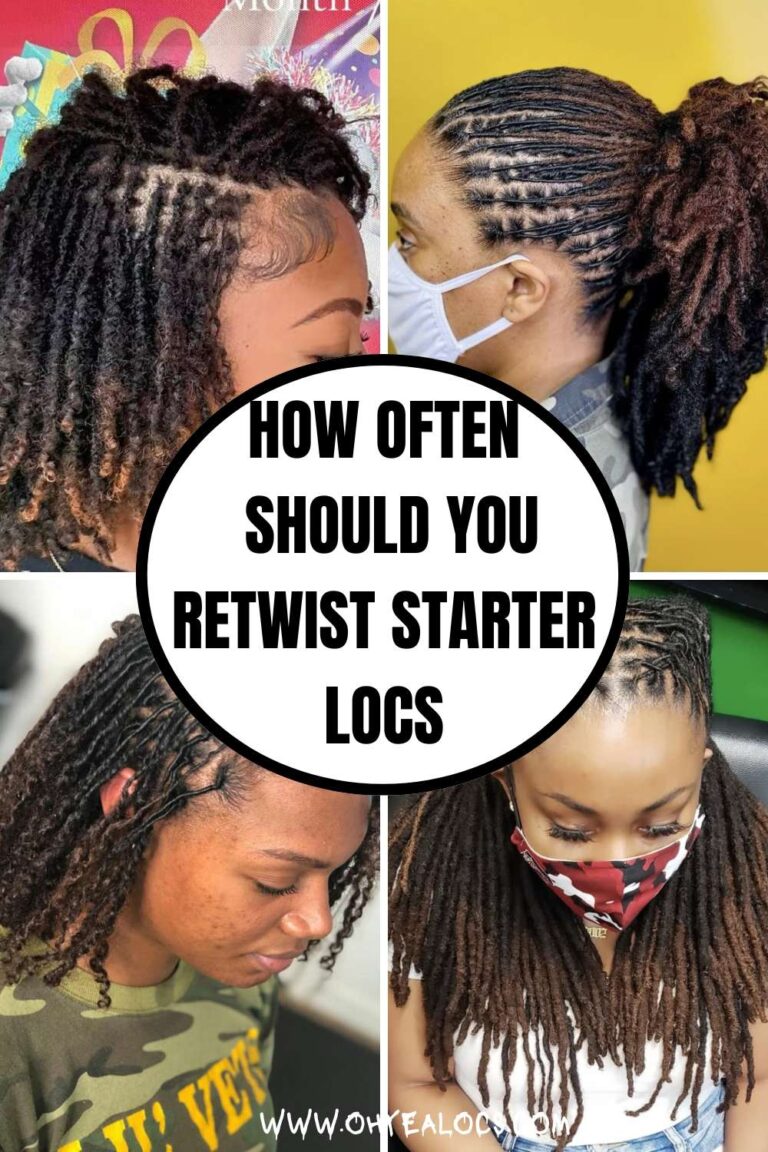
How to Start Locs on Damaged Hair Safely
Disclosure: Some of the links in this post are affiliate links. This means if you click on the link and purchase an item, I will receive an affiliate commission at no extra cost to you. All opinions remain my own. I only recommend products or services I believe will add value to my readers.
Starting locs is exciting, but if your hair is already damaged, it can also feel scary. How to Start Locs on Damaged Hair Safely is a question many people ask when they’re worried about breakage or setbacks. One of the biggest fears most people have is: “What if my hair breaks off after I start?” That concern is completely valid, especially when you’ve already experienced challenges with your hair.
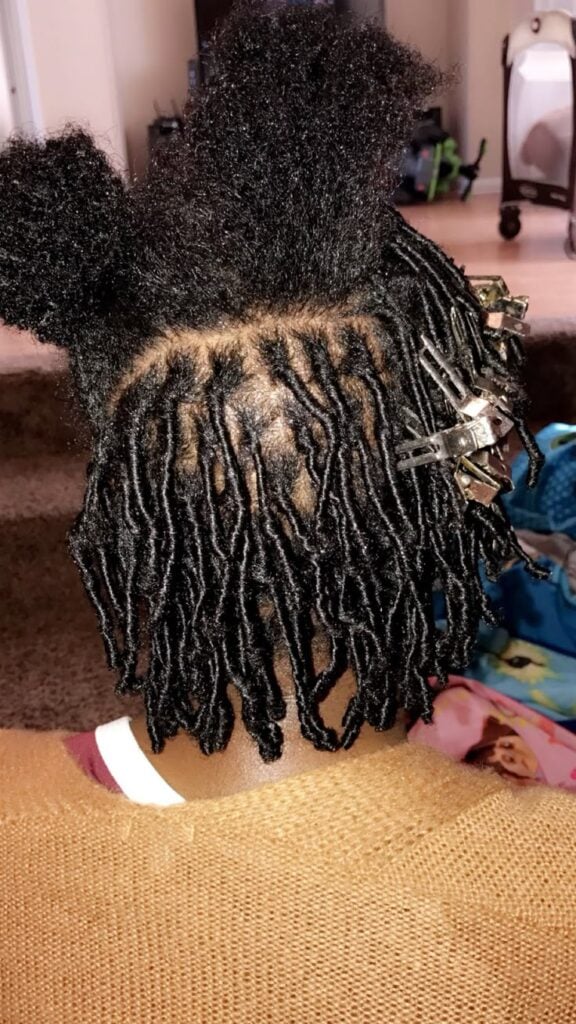
Maybe your hair is dealing with heat damage from flat irons or blow dryers. Or you’re coming from relaxed or transitioning hair, where your roots and ends have completely different textures. You might even be noticing breakage, thinning edges, or weak spots that make you question if now is the right time to begin your loc journey.
This will also interest you: Can You Start Locs With Relaxed Hair?
Here’s the truth: you can start locs on damaged hair safely, but only if you approach it the right way. Rushing the process or choosing the wrong method can make things worse, but with proper preparation and care, your locs can actually become a healthier, more manageable foundation for your hair over time.
In this guide, you’ll learn how to start locs without causing more damage, the safest methods for fragile hair, the mistakes that lead to breakage, and how to protect your hair every step of the way.
Can You Start Locs on Damaged Hair? (What You Need to Know First)
How to Start Locs on Damaged Hair Safely is a common concern for many beginning their loc journey. If you’re asking yourself, “Is my hair too damaged to even start locs?” the answer is: yes, you can start, but it depends on how damaged your hair is.
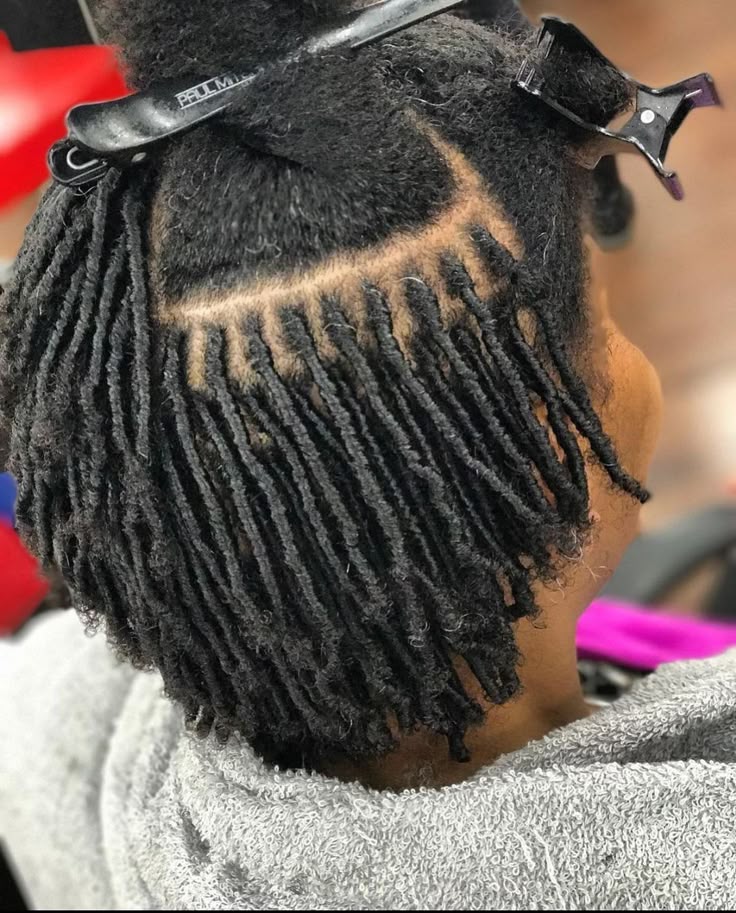
Not all damage is the same, and understanding the condition of your hair is the first step to making the right decision. Severe breakage, thinning, or scalp issues may require repair first, while mild dryness or heat damage can often be managed as you begin your loc journey with proper care and patience.
Mild Damage (Safe to Start with Care)
If your hair is mostly dealing with:
- Dryness
- Split ends
- Slight heat damage
- Minor shedding
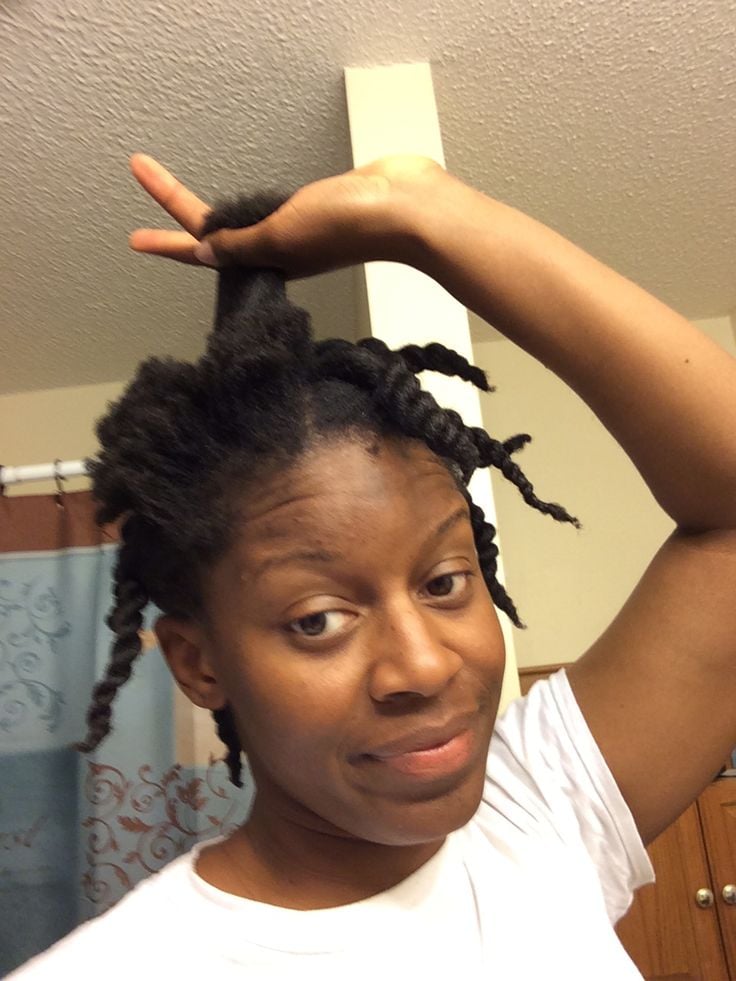
Then you can usually start your locs right away – as long as you use low-tension methods and focus on strengthening your hair as you go.
Severe Damage (Proceed with Caution or Wait)
If your hair shows signs like:
- Constant breakage
- Weak, stretchy strands (poor elasticity)
- Thinning areas or fragile roots
- Uneven density across your head
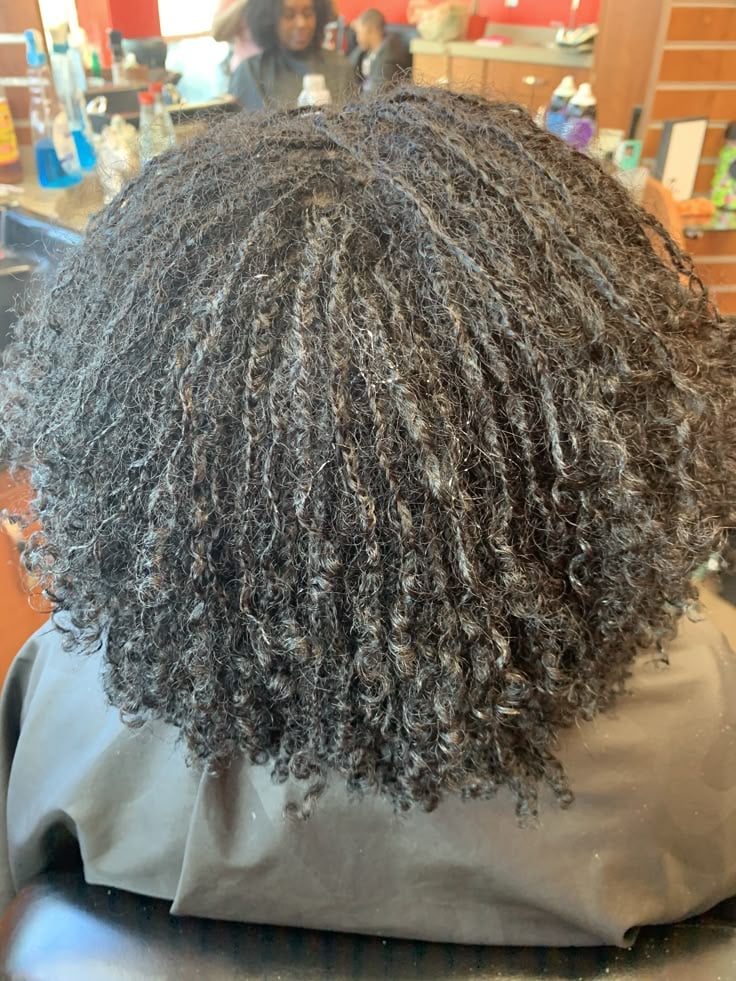
Then starting locs immediately may do more harm than good. In this case, your hair needs repair and strengthening first before you begin the locking process.
Discover more here:10 Things I Wish I Knew Before I Started My Locs
So, When Should You Start vs. Wait?
- Start now if your hair can handle gentle manipulation without breaking
- Wait and treat first if your hair snaps easily or feels overly weak
The goal is simple: start from a place of strength, not damage. Even a few weeks of proper care before installing your locs can make a huge difference in how well they form and last.
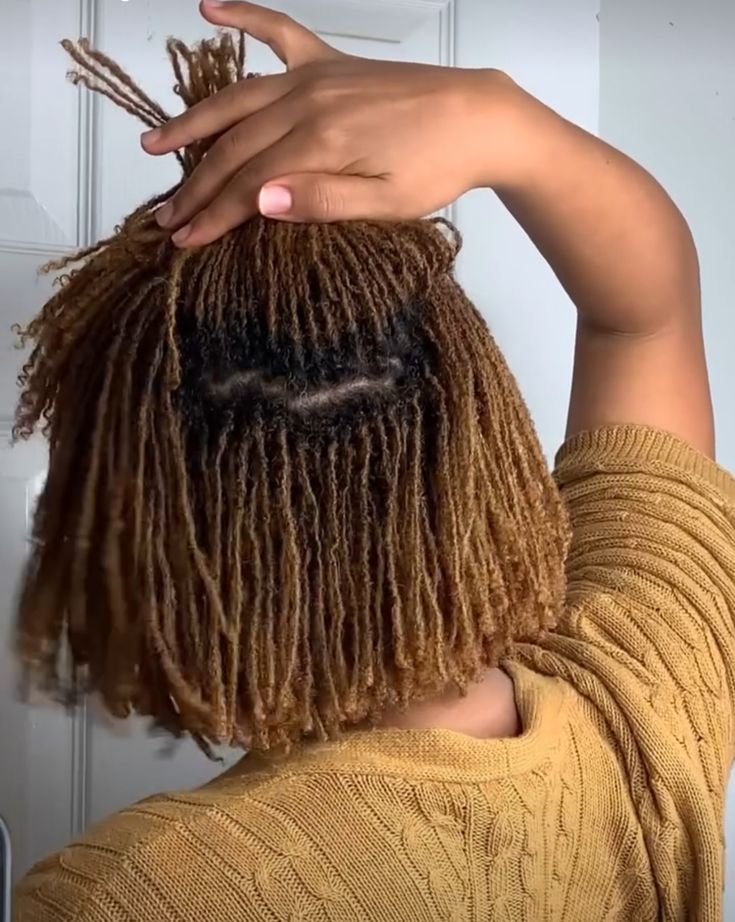
Read this if you’re serious about your loc journey: What to Expect in the First 3 Months of Your Loc Journey
Signs Your Hair Is Too Damaged to Start Locs Right Now
Before you commit to starting locs, it’s important to be honest about your hair’s current condition. Many people ignore early warning signs and end up dealing with more breakage, thinning locs, or even hair loss later.
If you’re wondering, “Am I about to make a bad decision?” look out for these signs:
1. Excessive Shedding
If you’re losing more hair than usual during washing or detangling, your strands may not be strong enough to handle the locking process yet.
2. Mushy or Stretchy Strands (Elasticity Damage)
Healthy hair stretches slightly and bounces back. But if your strands feel overly soft, gummy, or stretch too much before breaking, this is a sign of serious structural weakness.
3. Breakage with the Slightest Tension
If your hair snaps easily when you comb, twist, or even run your fingers through it, starting locs could worsen the damage, especially with methods that involve tension.
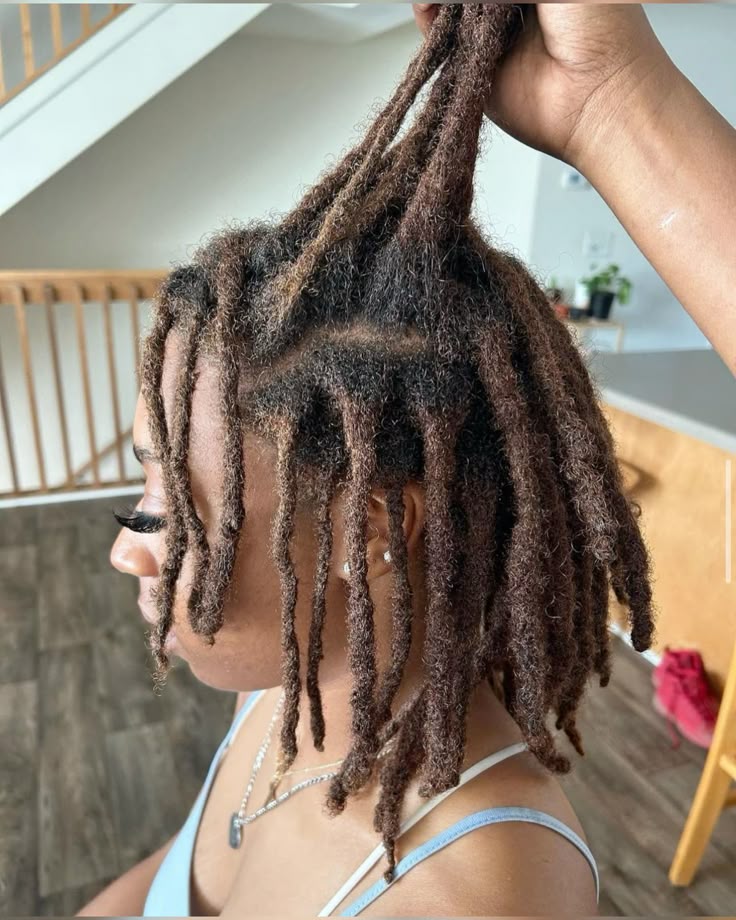
This is also a good guide: How to Maintain Your Locs Between Retightening
4. Balding or Thinning Areas
Noticeable thinning edges or sparse sections are a major red flag. Locs put weight and tension on the roots, which can make these areas worse if not addressed first.
Remember to check if your hair is healthy here: How to Tell If Your Starter Locs Are Healthy
What Should You Do Instead?
If you notice any of these signs, don’t panic, but don’t rush into starting locs either.
Focus on:
- Strengthening your hair with protein and moisture balance
- Trimming weak or damaged ends
- Improving scalp health
- Reducing manipulation and tension
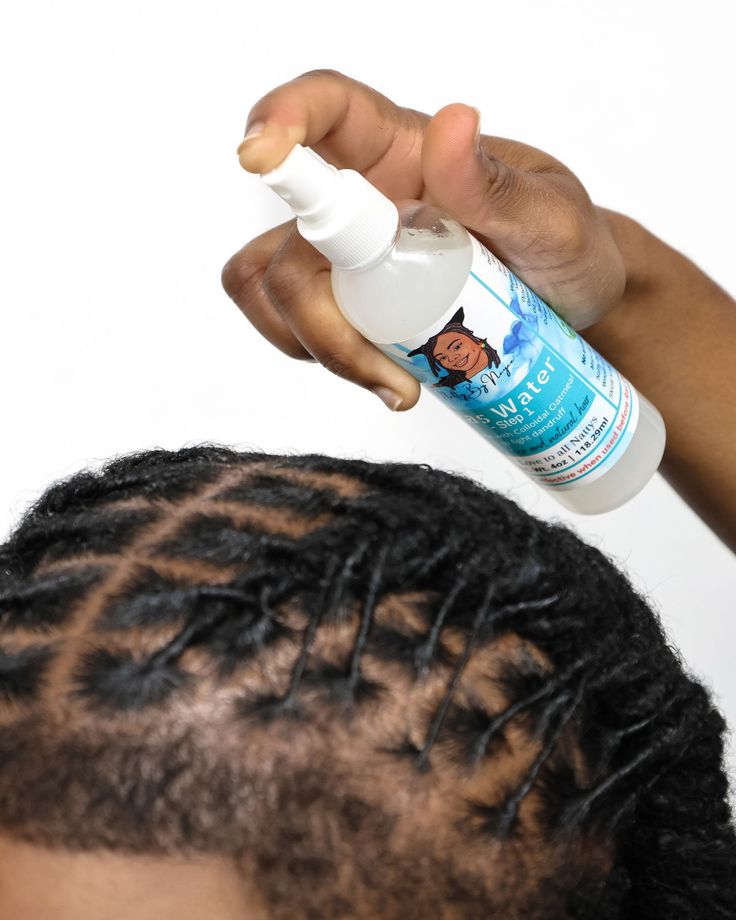
Once your hair feels stronger, more elastic, and less prone to breakage, you’ll be in a much better position to start your locs safely and successfully.
How to Prepare Damaged Hair Before Starting Locs
Preparation is everything when it comes to starting locs on damaged hair. If you skip this step, you’re more likely to deal with thinning locs, breakage, or weak roots later on. The goal here is simple: strengthen your hair before you lock it in place.
1. Build a Deep Conditioning Routine (Moisture + Protein Balance)
Damaged hair often lacks both moisture and protein, but the key is balance.
- Use moisturizing deep conditioners to restore softness and flexibility
- Add light protein treatments to strengthen weak strands
- Alternate between both weekly or biweekly
This helps your hair become strong enough to handle the locking process without snapping.
2. Trim Damaged Ends (Very Important)
Holding on to damaged ends will only cause problems later.
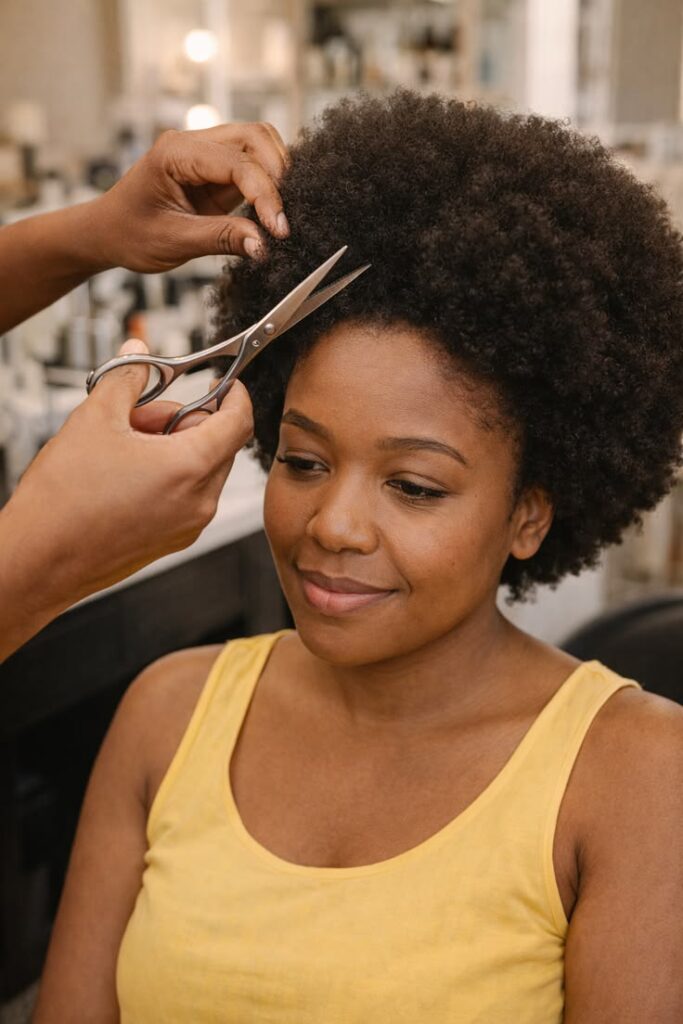
- Split ends travel upward and weaken the strand
- Damaged ends don’t lock properly and can make your locs look uneven
Even a small trim can make a huge difference in how healthy your locs turn out.
3. Use Strengthening Treatments
If your hair is breaking easily, you need to reinforce it before starting.
- Protein treatments (for rebuilding structure)
- Strengthening masks or oils
- Leave-in conditioners that support weak strands
Think of this step as repairing your foundation before building on it.
4. Focus on Scalp Care Basics
Healthy locs start with a healthy scalp.
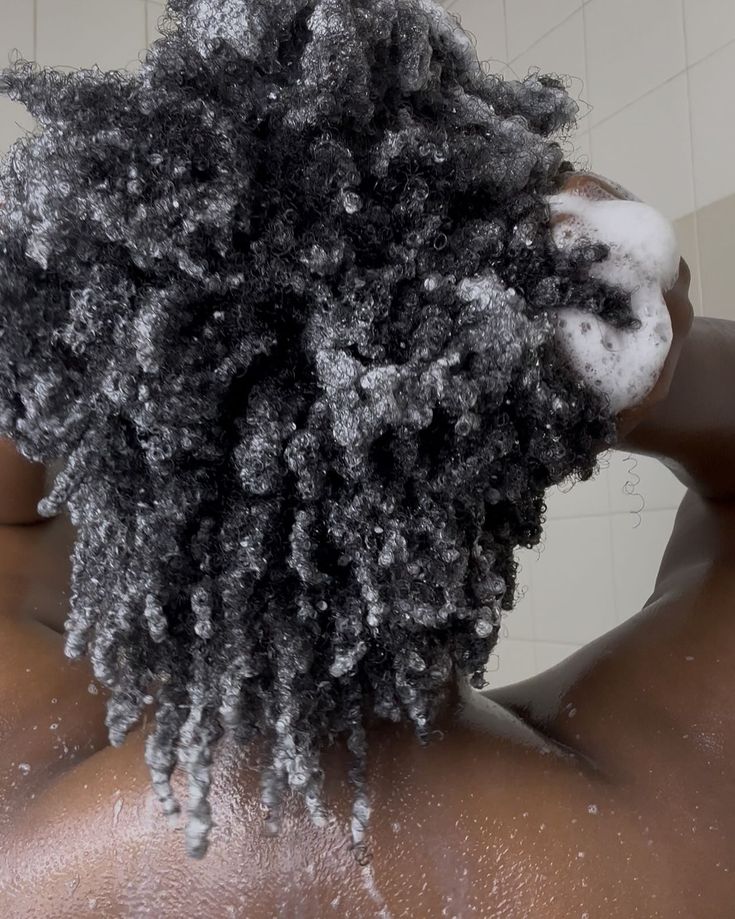
- Keep your scalp clean (but not overly dry)
- Use lightweight oils if needed
- Avoid buildup from heavy products
A balanced scalp creates the right environment for strong, healthy loc growth.
5. Detangle Gently
Rough detangling can cause unnecessary breakage, especially on damaged hair.
- Always detangle on damp, conditioned hair
- Use your fingers or a wide-tooth comb
- Work in sections and go slowly
The less stress you put on your hair now, the better your locs will form later.
Best Methods to Start Locs on Damaged Hair
Not all starter methods are safe for damaged hair. The key is choosing low-tension, gentle techniques that won’t weaken your strands even more.
Two-Strand Twists (Best Overall for Weak Hair)
This is one of the safest and most recommended methods for damaged hair.
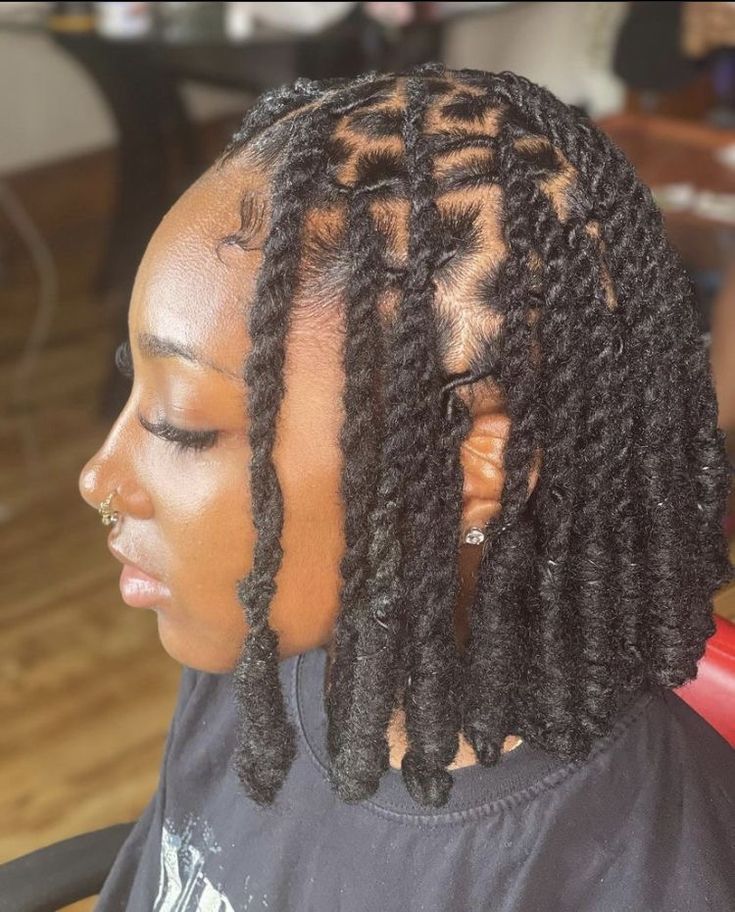
- Low tension reduces stress on fragile strands
- Works well if you have mixed textures (like transitioning hair)
- Easy to maintain and beginner-friendly
If you’re unsure where to start, this is usually your best option.
Braids (Good for Very Fragile Hair)
Braids are a great choice if your hair is extremely weak or prone to unraveling.
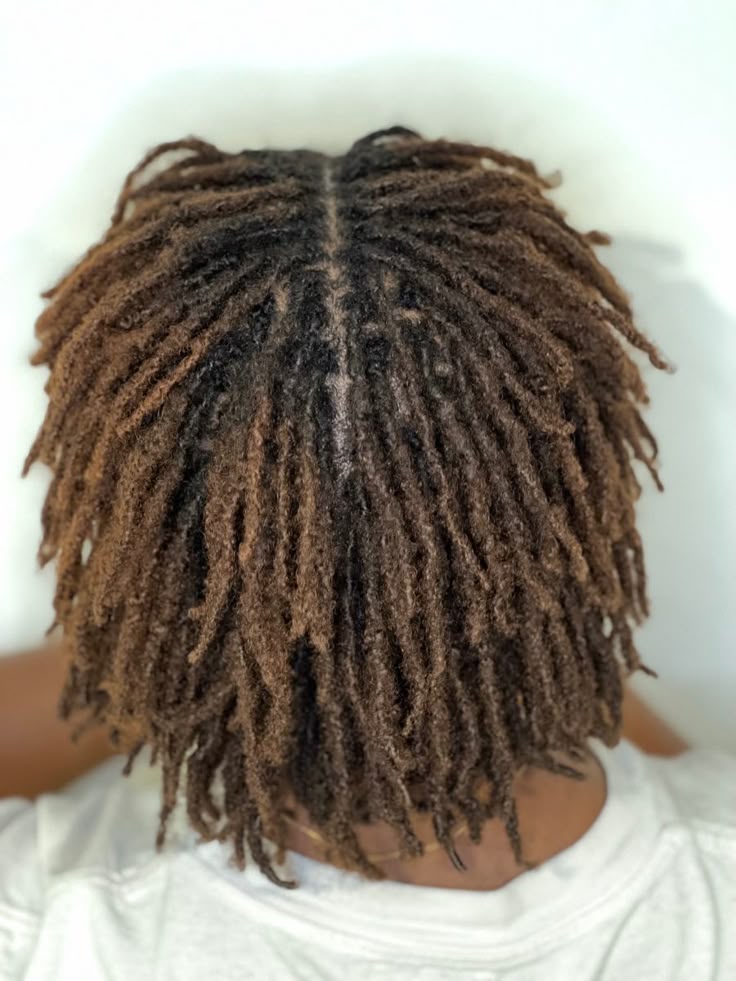
- More secure structure than twists
- Helps reduce constant manipulation
- Less likely to come undone in early stages
They may take longer to fully lock, but they offer extra stability for delicate hair.
Interlocking (Use With Caution)
Interlocking can work for damaged hair, but only if done properly.
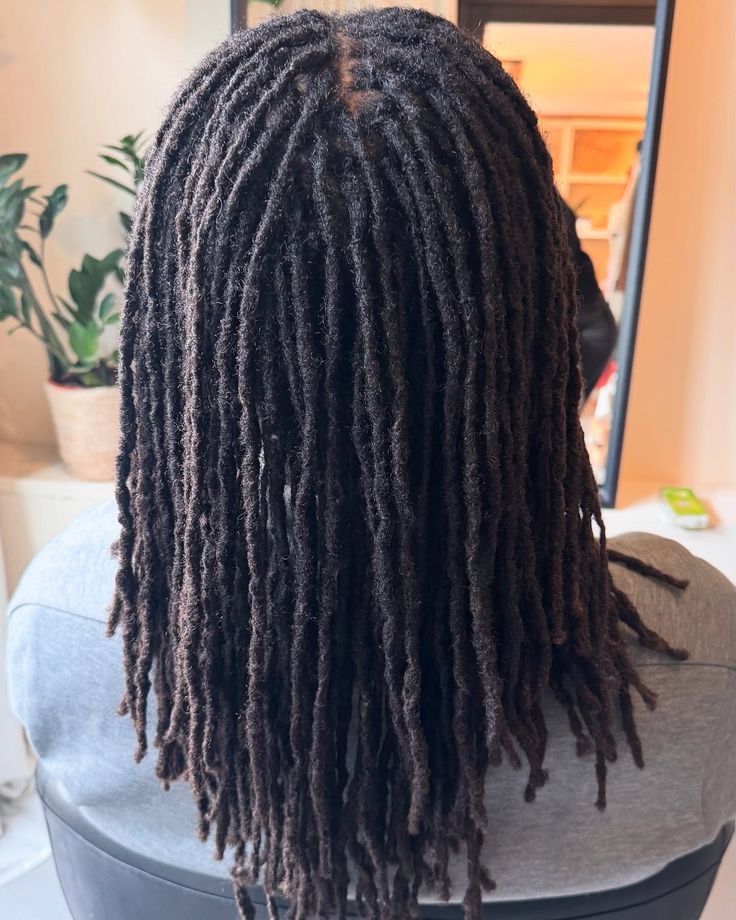
- Can help tighten weak roots
- Reduces unraveling
- Good for people who want a neater look early on
However:
- Too much tension can cause thinning
- Overdoing it can damage your roots
If you choose this method, make sure it’s done gently and not too frequently.
Methods to Avoid on Damaged Hair
Some methods create too much tension or stress and should be avoided:
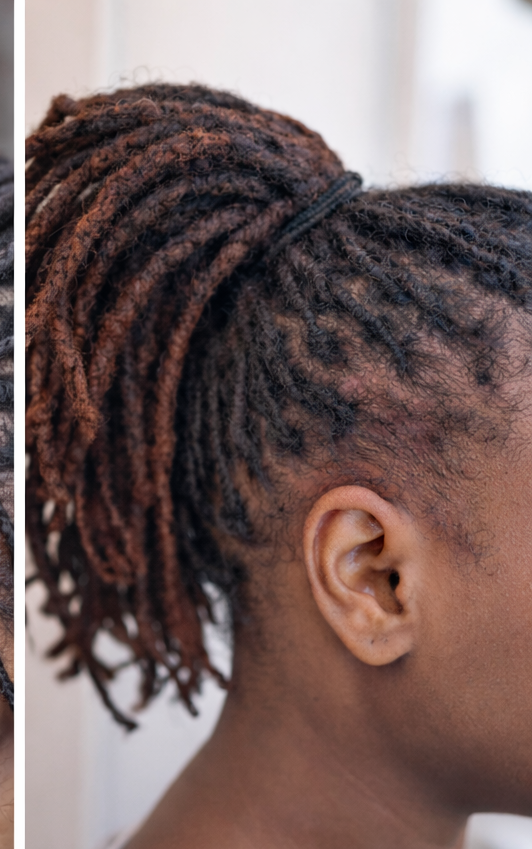
- Tight comb coils (can strain weak roots)
- Excessive backcombing (causes breakage)
- High-tension styles of any kind
These methods may work for healthy hair, but on damaged hair, they often lead to more harm than good.
How to Start Locs Without Causing More Breakage
Even with the right method, how you start your locs matters just as much.
Avoid Tight Parting
Clean parts are great, but not at the expense of your hair.
- Tight sections can stress your roots
- Can lead to thinning edges over time
Keep your parting neat but gentle and tension-free.
Keep Sections Medium-Sized (Not Too Small)
Tiny locs might look appealing, but they’re risky for damaged hair.
- Smaller sections = less strength
- More prone to thinning and breakage
Medium-sized parts give your locs a stronger foundation.
Don’t Over-Style Starter Locs
It’s tempting to style your locs early, but less is more.
- Avoid tight styles, buns, or pulling
- Let your locs form naturally
Too much styling too soon can weaken your roots.
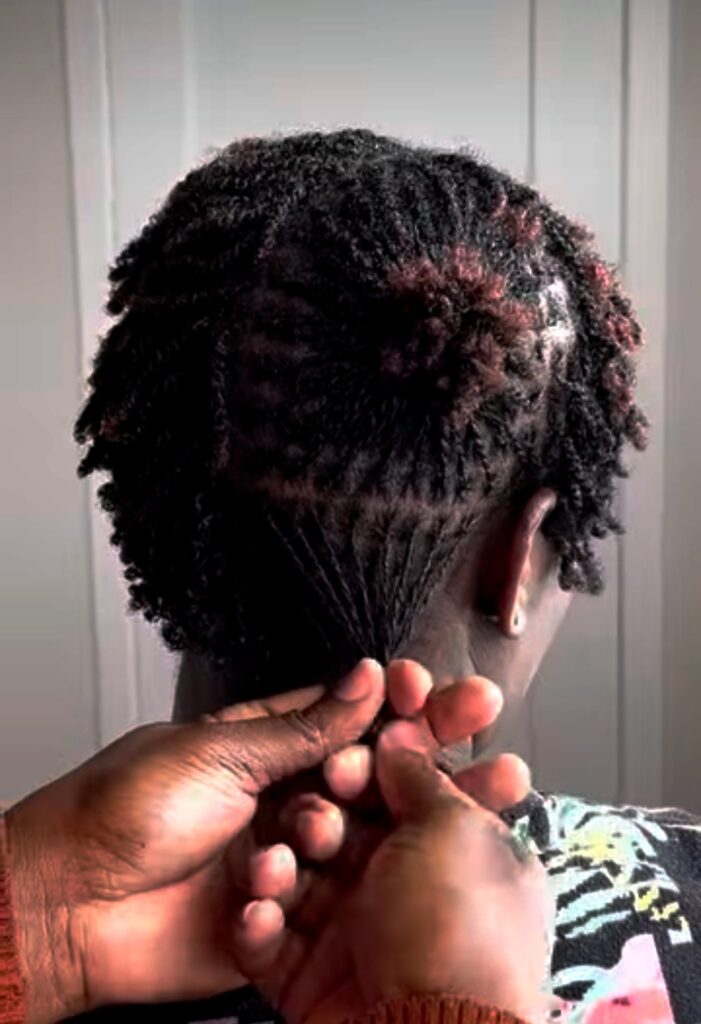
Handle Your Hair Gently at All Stages
From installation to daily care:
- Avoid excessive touching or pulling
- Be gentle when washing or retwisting
- Treat your hair like it’s still fragile (because it is)
How to Care for Starter Locs on Damaged Hair
Starting your locs is only the beginning – how you care for them determines how well they thrive.
Keep Hair Moisturized (But Not Over-Saturated)
Dry hair breaks, but too much moisture can weaken your locs.
- Use light, water-based moisturizers
- Seal lightly if needed
- Avoid soaking your locs daily
Balance is key.
Wash Gently and Less Frequently at First
Your starter locs are still forming, so be careful.
- Wash every 2–3 weeks (or as needed)
- Use gentle, residue-free shampoo
- Handle your hair softly during washing
This prevents unraveling and breakage.
Sleep with Satin or Silk
Cotton dries out and roughens your hair.
- Use a satin bonnet, scarf, or pillowcase
- Helps retain moisture
- Reduces friction and breakage
This simple step makes a big difference.
Avoid Heavy Products
Thick creams and waxes can do more harm than good.
- Cause buildup
- Weigh down fragile locs
- Make cleansing harder
Stick to lightweight, clean products.
Be Patient with Frizz and Unraveling
Your locs won’t look perfect immediately, and that’s okay.
- Frizz is part of the process
- Unraveling happens, especially with soft or damaged hair
Trust the process instead of over-manipulating your hair.
Common Mistakes That Make Damaged Hair Worse
Avoiding these mistakes can save you from long-term damage and frustration.

- Starting locs on extremely weak hair without preparation
- Skipping trims, which leads to weak, unhealthy locs
- Over-retwisting, causing tension and thinning
- Using too much product, leading to buildup and dryness
- Tight protective styles, especially on fragile edges
If your goal is healthy, full locs – gentle care always wins over quick results.
Should You Repair Your Hair First or Start Locs Immediately?
This is one of the biggest decisions you’ll make and the right answer depends on your hair’s condition.
When It’s Okay to Start Immediately
- Your hair has mild damage (dryness, slight split ends)
- It can handle gentle manipulation
- You’re willing to care for it properly from the start
In this case, you can begin your loc journey while maintaining your hair’s health.
When to Delay and Repair First
- Your hair breaks easily
- You have thinning or weak areas
- Your strands feel overly soft, stretchy, or fragile
Here, it’s better to pause and focus on repair before committing to locs.
The Balanced Approach (Start While Treating)
For many people, the best option is a middle ground:
- Start with a gentle method like two-strand twists or braids
- Continue deep conditioning and strengthening treatments
- Avoid tension and over-manipulation
This allows you to begin your loc journey without sacrificing your hair’s health.
FAQs About Starting Locs on Damaged Hair (SEO Gold Section)
Can damaged hair still lock properly?
Yes, damaged hair can still lock, but the outcome depends on how healthy your hair is when you start. Mildly damaged hair (like dryness or split ends) usually locks just fine with proper care. However, severely damaged hair may lead to weak, thin, or uneven locs if not treated first. The stronger your hair is at the beginning, the better your locs will form and last.
Will locs help my damaged hair grow?
Locs don’t directly make your hair grow faster, but they can help you retain length. Because locs reduce daily manipulation, your hair is less likely to break, which allows you to see more growth over time. That said, if your hair is already weak, you still need to care for it properly, locs are not a “fix” on their own.
Can I start locs with heat-damaged hair?
Yes, you can start locs with heat-damaged hair, especially if your roots are natural and healthy. The best approach is to use methods like two-strand twists or braids, which help blend different textures. Keep in mind that heat-damaged ends may not lock as easily, so trimming over time may be necessary for more uniform locs.
What’s the safest loc method for weak hair?
The safest methods for weak or damaged hair are:
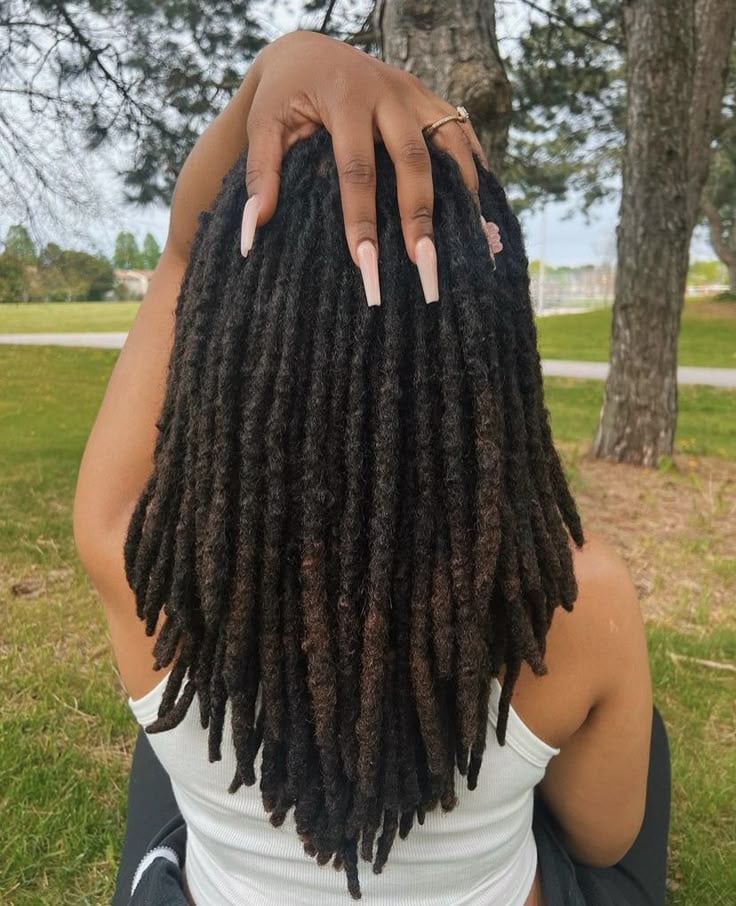
- Two-strand twists (best overall for low tension and flexibility)
- Braids (great for very fragile hair that unravels easily)
These methods put less stress on your strands and give your hair a better chance to strengthen as it locks.
How long should I treat my hair before starting locs?
It depends on the condition of your hair. If your hair has mild damage, you may only need a few weeks of consistent care (deep conditioning, trimming, strengthening). For more severe damage, you may need several weeks to a few months to rebuild strength before starting. The key is to wait until your hair feels stronger, more elastic, and less prone to breakage.
Will my locs be uneven if my hair is damaged?
They can be, especially if your hair has different textures or levels of damage. For example, healthier roots may lock faster than damaged ends. However, this can be managed by:
- Trimming damaged sections over time
- Keeping your parts consistent
- Being patient with the locking process
With proper care, your locs will become more uniform as they mature.
Starting locs on damaged hair might feel risky, but the truth is: it’s absolutely possible to do it safely. The key is not rushing the process or ignoring what your hair needs.
When you focus on gentle methods, proper preparation, and consistent care, you give your hair the chance to grow stronger while forming healthy locs. It’s not about perfection from day one—it’s about building a solid foundation that will pay off in the long run.
Remember, patience is everything in a loc journey. The more you prioritize your hair’s health now, the fuller, stronger, and more beautiful your locs will become over time.
If you found this helpful, you can:
- Explore more guides on starting locs, loc care, and maintenance
- Or take the next step and begin your loc journey with confidence, knowing you’re doing it the right way
Your hair doesn’t have to be perfect to start, it just needs the right care.
This guide explains more: Common Mistakes To Avoid When Locking Your Hair