
Best Parting Patterns for Locs (Grid vs Brick vs Freeform)
Disclosure: Some of the links in this post are affiliate links. This means if you click on the link and purchase an item, I will receive an affiliate commission at no extra cost to you. All opinions remain my own. I only recommend products or services I believe will add value to my readers.
No doubt, starting locs is an amazing step in one’s natural hair journey. But beyond the excitement, it’s important to ensure you start off the best way. Whether you’re embracing your curls, coils, or kinky hair, the way you part your hair at the beginning plays a huge role in the final look your locs take.
Choosing the right loc parting could seem trivial but it’s very important because the pattern you use can affect not only the appearance of your hairstyle but also how easy it is to maintain, style, and grow your locs over time.
In this guide, we’ll explore the best parting patterns for locs, including grid, brick, and freeform, and help you choose the one that works best for you.
Let’s get in real quick!
What Are Loc Parting Patterns?
A loc parting pattern is the way your hair is sectioned before starting locs. Think of it as a blueprint for how your locs will grow. Each section determines the size, shape, and spacing of your locs.
Choosing the right patterns isn’t just for aesthetics. Your patterns also influence your scalp health and maintenance routine. When done correctly, the right parting pattern can make your locs look uniform, reduce tension on the scalp, and make retwisting easier.
See this: Different Methods of Starting Locs
The three most common parting patterns are grid (square), brick (offset), and freeform. Each of them has unique benefits and their other sides are worth considering, depending on your hair type, lifestyle, and personal style preferences.
Why Parting Patterns Matter for Locs
Many beginners overlook the importance of parting, but it’s one of the most critical decisions when starting locs. Here’s why:
–Appearance: Parting affects the neatness and uniformity of your locs. Some patterns give a clean, structured look, while others provide a more natural, organic feel.
–Scalp Health: Proper sectioning ensures your scalp isn’t overstretched or stressed, thereby reducing the risk of breakage or thinning.
–Styling Options: Your choice of parting can influence how versatile your locs are for braids, updos, or protective styles.
–Maintenance Ease: Certain patterns, like grid, make retwisting easier, while freeform locs are low-maintenance but less uniform.
Now, let’s talk about some of the most common patterns.
• Grid Patterns For Locs
What is the Grid Pattern?
The grid pattern, also called a square pattern, is one of the most common parting styles for starter locs. It is done by dividing the hair into equal square sections to create a neat and uniform look.
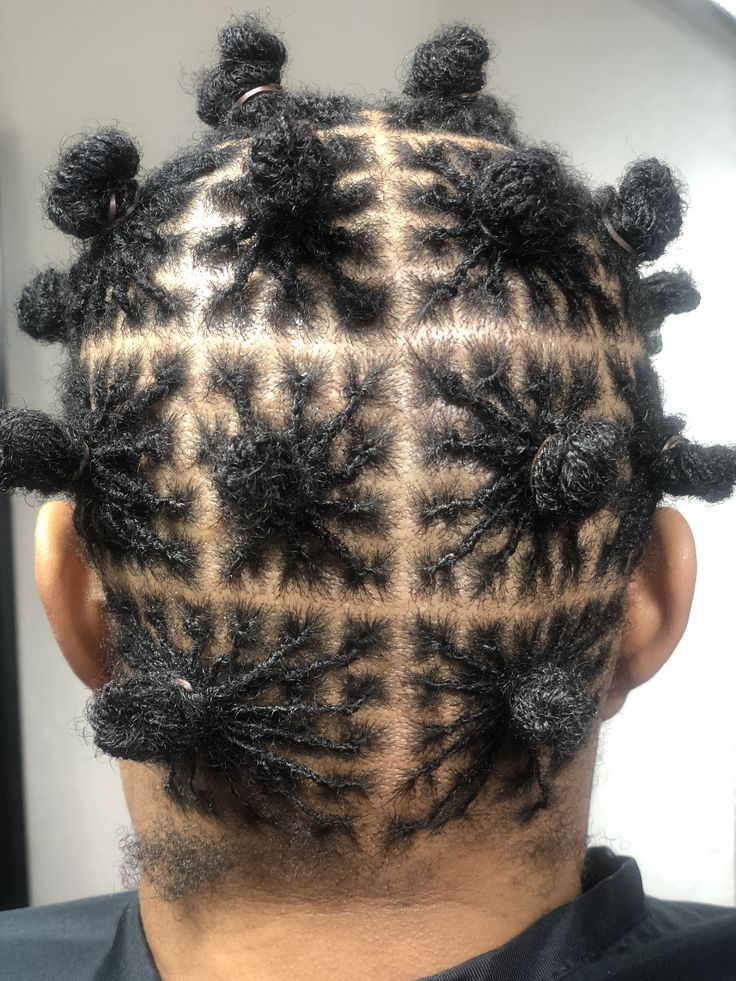
Candi Sweets Beauty Ft. Sisterloc
How to Create the Grid Pattern
Start with clean, detangled hair. Use a comb to divide hair into straight vertical and horizontal lines, to form squares.
Clip sections away as you work to maintain consistency.
Pros of Grid Pattern
-Provides a neat, polished look.
-Easier to retwist and maintain.
-Locs are uniform in size and shape, making them ideal for protective styles like braids or updos.
Cons of Grid Pattern
-Scalp lines are more visible, especially for thin hair.
-Can appear less natural than other patterns.
-Overly tight parting may cause tension on the scalp if not done carefully.
Who Should Choose the Grid Pattern?
If you prefer a structured, neat look and plan to style your locs often, the grid pattern is ideal. It also works well for those with medium to thick hair and is particularly popular among beginners.
• Brick Pattern for Locs
What is the Brick Pattern?
The brick pattern, also called an offset pattern, is inspired by the layout of bricks in a wall. Instead of straight lines, sections are staggered so that the locs do not align perfectly with each other.
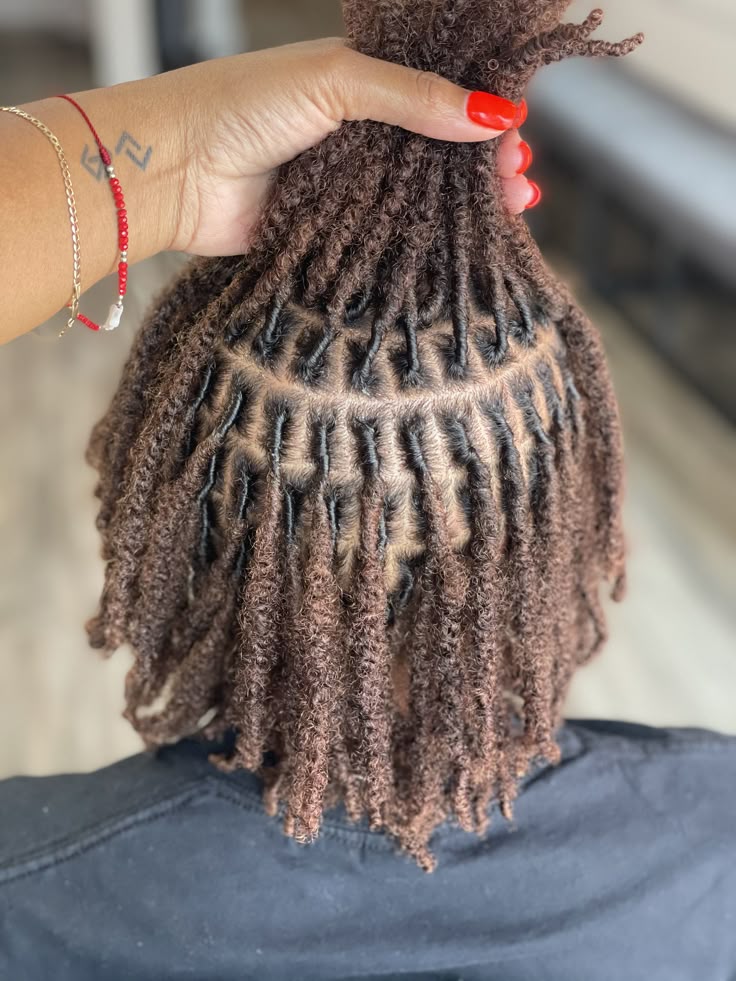
How Does Brick Parting Differ from Grid?
While grid sections are evenly aligned, brick sections are slightly offset in alternating rows. This creates a fuller and more natural appearance with less visible scalp between locs.
Pros of Brick Pattern
-Gives locs a fuller, more natural look.
-Scalp is less visible compared to the grid patterns.
-Reduces the “boxed-in” appearance of locs.
Cons of Brick Pattern
-More complicated to section, especially for beginners.
-Retwisting may be slightly more challenging.
-Requires precision to maintain even loc sizes.
Who Should Choose the Brick Pattern?
The brick pattern is great for those with fine or low-density hair who want their locs to look fuller. It’s also ideal if you prefer a natural aesthetic with slightly irregular spacing that still maintains some structure.
Freeform Locs (No Defined Parting)
What Are Freeform Locs?
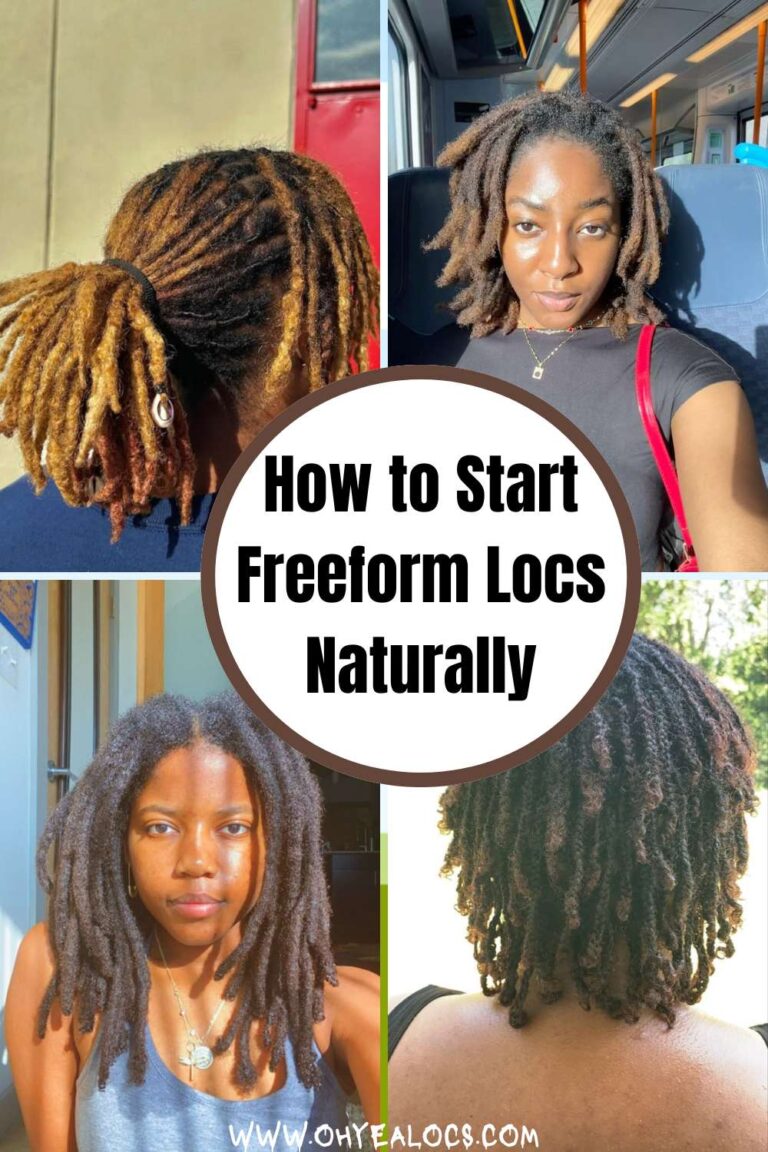
Freeform locs, also called organic locs, are allowed to form naturally without defined sections. Hair is not meticulously parted or structured.
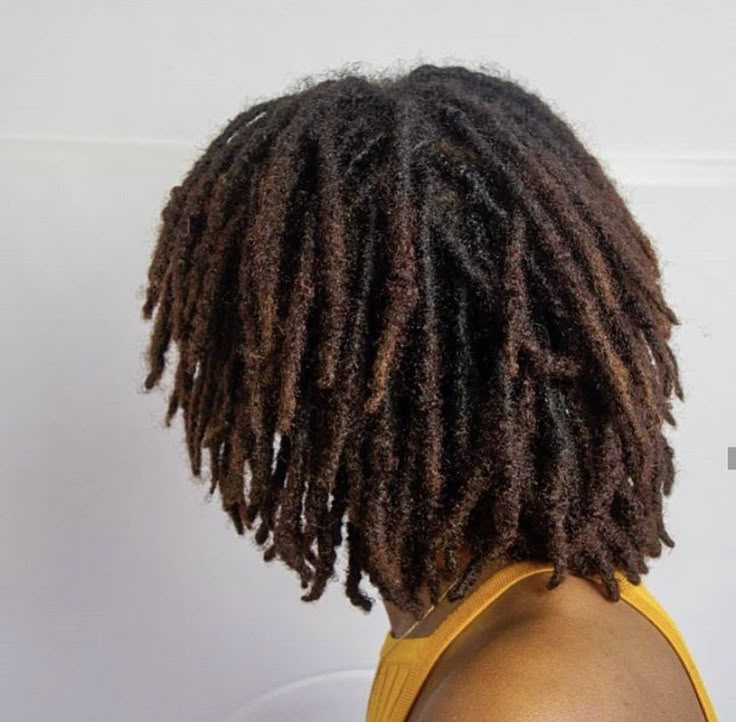
How Freeform Sections Develop
Freeform locs rely on the natural growth and texture of your hair. Over time, your hair knots and tangles organically to create unique, individual locs.
Pros of Freeform Locs
–Low maintenance; there’s no need for precise parting.
-Each loc is unique, reflecting your hair’s natural growth pattern.
-Provides a relaxed, natural appearance.
Cons of Freeform Locs
-Less uniformity; locs can vary in size and shape.
-Limited styling options compared to grid or brick patterns.
-May require more patience as locs form naturally.
Who Should Choose Freeform Locs?
If you love a natural, low-maintenance style and don’t mind irregular locs, freeform is perfect. It also works well for thick, textured hair and people who prefer organic growth over uniformity.
Grid vs Brick vs Freeform: Key Differences
• Appearance
Grid pattern gives a neat, structured, and very uniform look with clearly defined parts while the brick pattern looks more natural and fuller because the staggered parts reduce visible gaps.
Freeform pattern, on the other hand, is unique and organic, with no uniformity. This means, each loc forms differently.
•Maintenance
Grid pattern is easy to maintain since the sections are clear and simple to follow during retwisting while the brick pattern requires moderate effort because the staggered layout needs more attention to maintain properly.
Freeform pattern, on the other hand, requires low maintenance, with little to no retwisting. It mostly requires just washing and letting the hair grow naturally.
• Styling Flexibility
Grid pattern offers high flexibility, making it easy to achieve a wide range of styles, including neat and structured looks while the brick pattern provides moderate flexibility. This means you can still style your locs, but very precise styles may be slightly harder.
Freeform pattern, however, has limited flexibility due to irregular loc sizes and patterns, making structured styles more difficult.
• Scalp Visibility
The grid pattern has high scalp visibility, especially after a fresh retwist, because the parts are clean and defined whereas the brick pattern has low scalp visibility since the offset parts help cover gaps and create a fuller look.
On the contrary, the freeform pattern produces varying scalp visibility. This depends on your hair density and how your locsform naturallym.
Best Hair Types For Different Parting Patterns
Grid pattern works best for medium to thick hair that can support visible parting without looking sparsThe brickBrick pattern is ideal for fine or low-density hair because it creates the illusion of fullness.
Read this: Best starter locs method for soft hair
Freeform pattern suits thick, coily, or highly textured hair that naturally locks without much manipulation. This format keeps it clean, direct, and easy for readers to scan.
How to Choose the Best Parting Pattern for Your Locs
Selecting the right parting pattern depends on several factors:
-Lifestyle: If you prefer low-maintenance hair, freeform may be best. For professional or polished looks, grid or brick works better.
Save this: Worst starter locs method for brginners
-Desired Loc Size: Grid patterns give uniform locs, brick patterns give slightly varied sizes, and freeform locs vary naturally.
-Aesthetic Preference: Decide whether you want a structured, neat look or a natural, organic style.
-Hair Type: Fine hair often benefits from brick patterns, while thick hair works well with any pattern.
Best Parting Patterns for Different Hair Types
• Coarse hair: Grid or brick patterns for uniformity.
• Fine hair: Brick pattern to create the illusion of fullness.
• Thick hair: Grid or freeform, depending on your styling preference.
• Low-density hair: Brick pattern helps cover scalp visibility.
• Short starter hair: Grid or brick for controlled loc formation.
Pin this: Starter locs method that last the longest
Common Mistakes to Avoid When Parting Locs
-Uneven sectioning: this can lead to irregular loc sizes.
-Ignoring scalp health: Too-tight sections may cause tension alopecia.
-Skipping consultation: Professional locticians can help determine the best pattern.
Save this guide: 23 things you should never do to your locs
-Choosing based on trends alone: Your hair type and lifestyle matter more than Instagram looks.
Now, let’s tackle this commonly asked question:
Can You Change Your Parting Pattern Later?
Yes, but with caution. This is because mature locs are difficult to re-part without risk of breakage. Minor adjustments are possible through re-twisting or separating locs.
That’s why it’s important to consider starting with a pattern you’ll be happy with long-term to avoid major changes.
Tips for Maintaining Your Parting Pattern
-Retwist regularly for grid and brick patterns to keep sections neat.
–Moisturize as often. Especially on the scalp to prevent dryness and breakage.
-Use protective styles to maintain pattern and reduce friction.
-Avoid excessive manipulation in freeform locs to maintain natural knots.
Bookmark this: How to care for your locs the right way
Final Thoughts on Best Parting Pattern for Locs
Starting your loc journey is more than making a hairstyle choice; it’s a commitment to a process that unfolds over time. And while trends may come and go, your parting pattern is one of the few decisions that truly shape your loc experience from the very beginning.
Whether you choose the clean precision of a grid pattern, the natural fullness of a brick pattern, or the freedom of freeform locs, there’s no one-size-fits-all answer. The best choice is the one that aligns with your hair type, your lifestyle, and the look you genuinely love.
It’s also important to remember that perfection isn’t the goal, health is. Healthy roots, a well-cared-for scalp, and consistent maintenance will always matter more than having the “perfect” parts. Over time, your locs will mature, settle, and take on a character that is uniquely yours.
You might like this: Starter locs mistakes that can ruin your locs journey
So take your time, ask questions, and if needed, seek guidance from a professional loctician. Most importantly, start in a way that gives you peace of mind, because locs are not just a hairstyle; they’re a journey of patience, growth, and self-expression. Choose wisely, care for your hair intentionally, and trust the process.
Frequently Asked Questions
1. How long does it take for locs to fully form after parting?
Locs typically take anywhere from 6 months to 2 years to fully mature, depending on your hair texture, maintenance routine, and starting method.
2. Does parting pattern affect loc thickness over time?
Yes. The initial section size largely determines how thick your locs will become as they mature, although factors like hair density and maintenance also play a role.
3. Can I combine different parting patterns in one head?
Yes, some people mix patterns (e.g., grid in front and brick at the back) for versatility. However, this should be done intentionally to maintain a balanced look.
4. What tools do I need for clean and accurate parting?
A rat-tail comb, sectioning clips, a mirror (or two), and good lighting are essential for achieving neat and consistent parts.
5. Should I part my own hair or go to a professional loctician?
While DIY is possible, a professional loctician can ensure even sections, proper sizing, and reduced scalp tension, especially helpful for beginners.
6. Does parting pattern affect hair growth speed?
No, parting patterns do not influence how fast your hair grows. Growth is determined by genetics, health, and hair care practices.
7. What happens if my parts are not straight or perfect?
Imperfect parts won’t ruin your locs. As your locs mature, the parting becomes less noticeable, especially with styles like brick or freeform.
8. Can parting patterns influence hair breakage or thinning?
Yes. Poorly done or overly tight sections can lead to tension, which may cause breakage or thinning around the roots over time.
9. Is it necessary to maintain visible parts throughout the loc journey?
No. Some people prefer to keep parts neat with regular retwists, while others allow their roots to grow out naturally for a softer look.
10. Can I start locs without parting at all?
Yes. Methods like freeform or semi-freeform locs do not require structured parting and allow the hair to lock naturally over time.

4 Comments