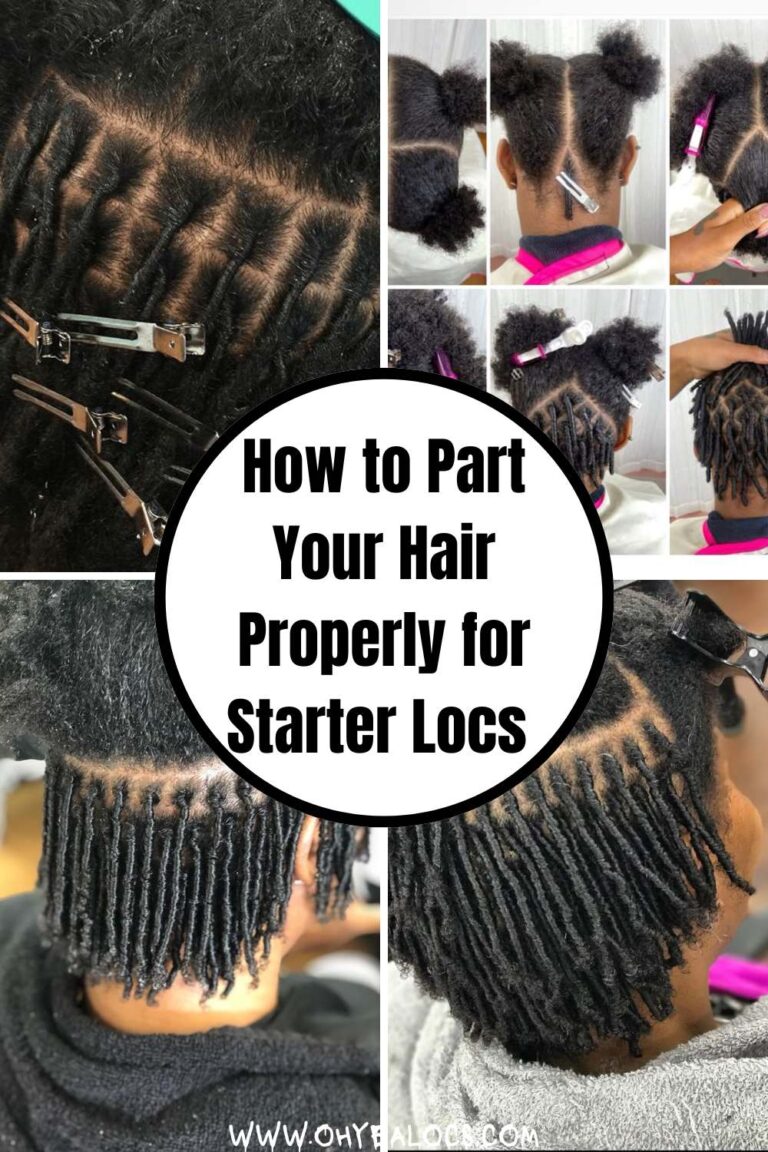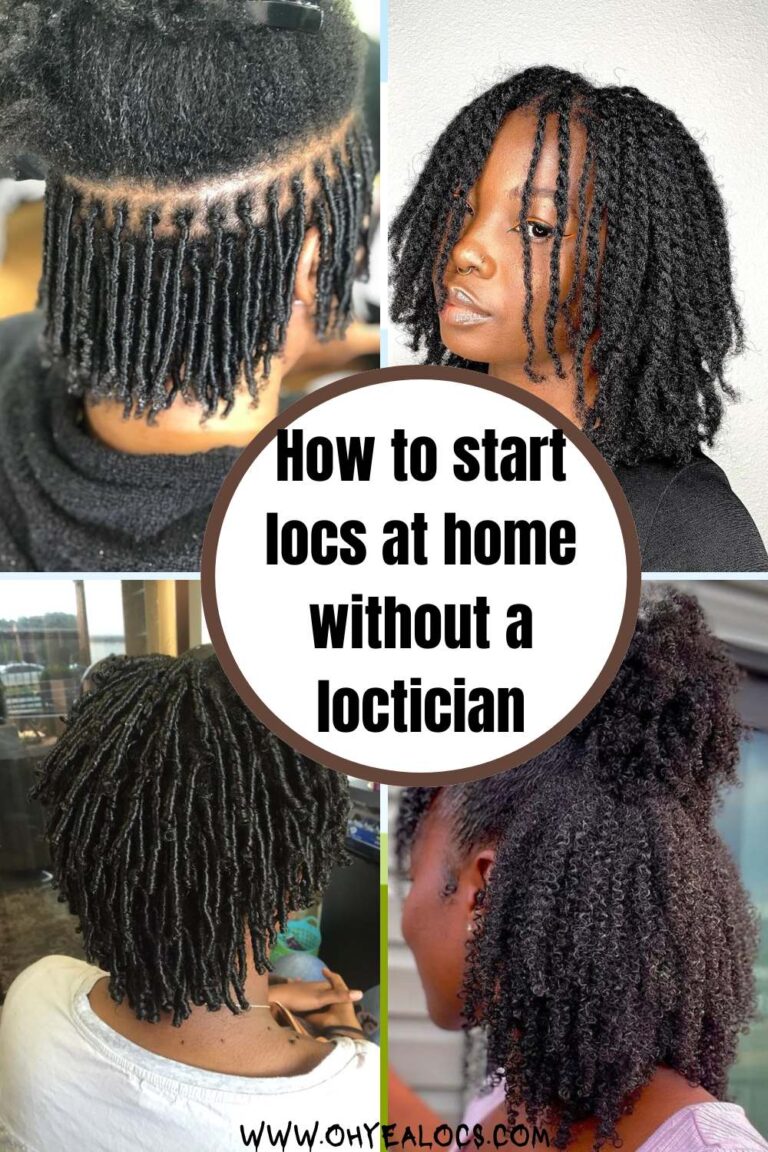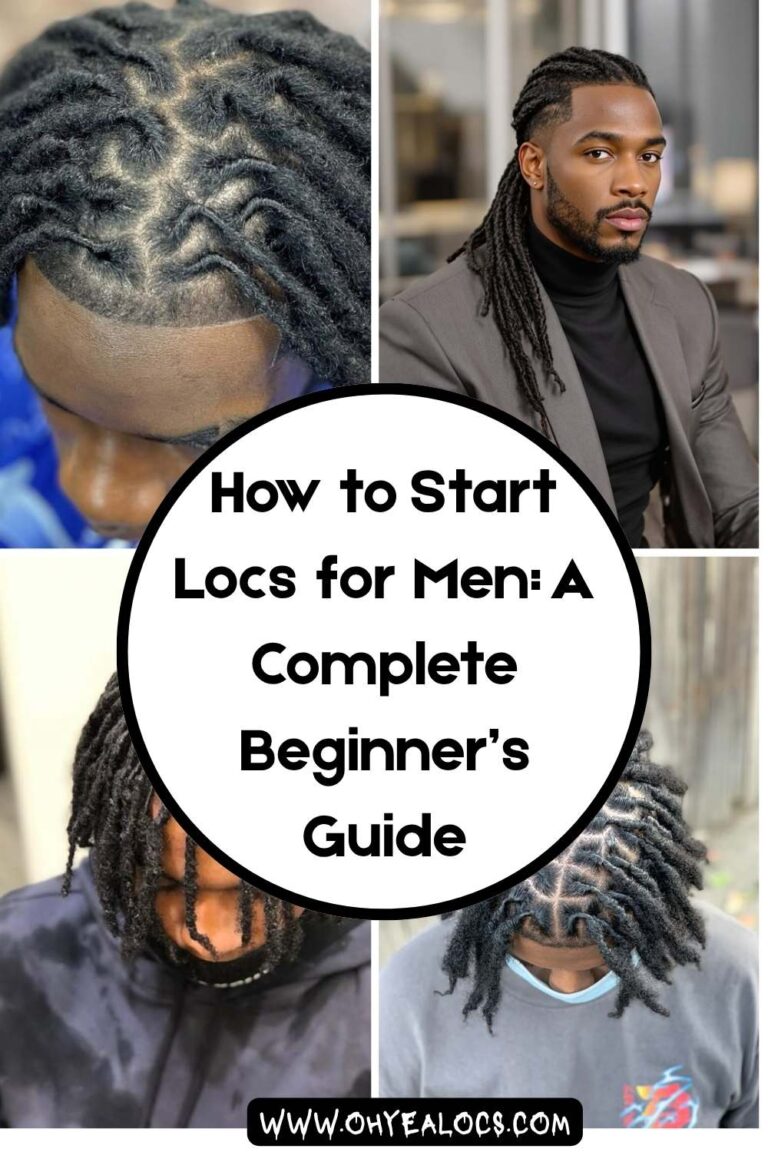
How to Start Locs on Short Hair (Step-by-Step Beginner Guide)
Disclosure: Some of the links in this post are affiliate links. This means if you click on the link and purchase an item, I will receive an affiliate commission at no extra cost to you. All opinions remain my own. I only recommend products or services I believe will add value to my readers.
Many people assume that starting locs requires long hair, but short hair can actually provide a clean, structured foundation for healthy, well-formed locs.
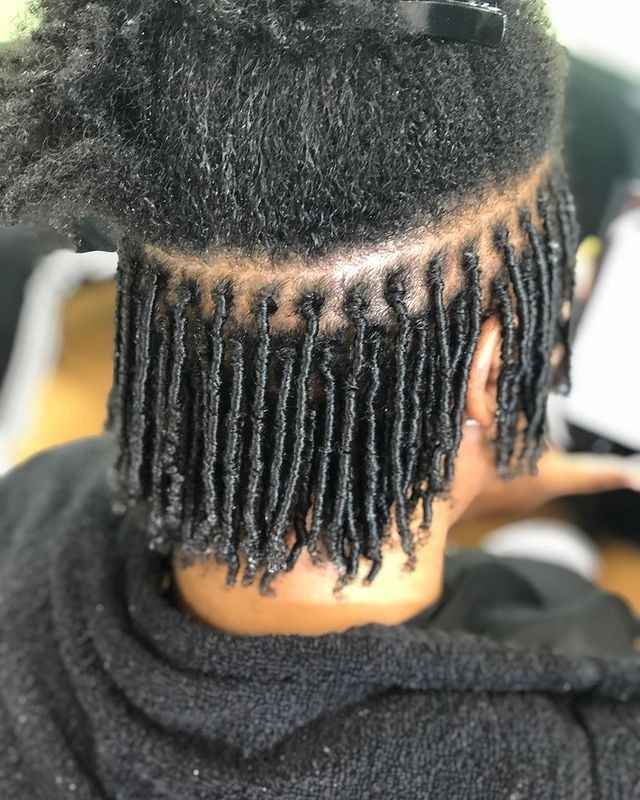
Starting locs on short hair is not just possible, it’s a powerful and intentional way to begin your natural hair journey.
If you’ve been wondering how to start locs on short hair, this step-by-step beginner guide will walk you through everything you need to know – from preparation to maintenance, common mistakes, and realistic expectations.
Let’s dive in real quick!
First off, let’s clarify a few commonly asked questions:
Can You Really Start Locs on Short Hair?
Yes, you absolutely can start locs on short hair. While longer hair may give you more styling flexibility at the beginning, short hair works beautifully for loc installation. In fact, many people prefer starting locs with shorter hair because:
-The sections are easier to control
-The roots are more defined
-There is less product buildup
-The foundation feels neater and more intentional
What Is the Minimum Length for Starting Locs?
There is no strict rule, but generally:
Hair that is at least 2–3 inches long is ideal. Very short hair (around 1 inch) may require techniques like instant locs or professional assistance.
However, the key factor is not just length; it’s texture. Coarse and tightly coiled hair tends to loc faster than looser textures.
Benefits of Starting Locs on Short Hair
Starting locs on short hair comes with several advantages which include:
1. Easier Maintenance
Short starter locs are easier to wash, separate, and manage in the early stages.
Save this: How to maintain your locs between retightening
2. Stronger Foundation
When locs are installed early, the roots can lock naturally without heavy tension.
3. Less Product Dependency
Short hair often requires minimal styling products, which helps prevent buildup.
4. Faster Locking for Some Hair Types
Tightly coiled hair tends to mat and lock more quickly, especially when properly maintained.
Check this guide: Two-Strand Twists vs Comb Coils – Which Loc Method Is Better?
5. Clean Transition
If you are transitioning from relaxed hair or a big chop, short hair gives you a fresh start.
As beneficial as starting locs on short hair is, it’s not without its own issues hence the need to consider some factors before jumping into it.
Things to Consider Before Starting Locs on Short Hair
Before you begin, take some time to think through the following:
1. Your Commitment Level
Locs are a long-term hairstyle. While they can be combed out in some cases, the journey requires patience.
2. Your Hair Type
Different textures lock at different speeds. Understanding your hair helps you choose the right method.
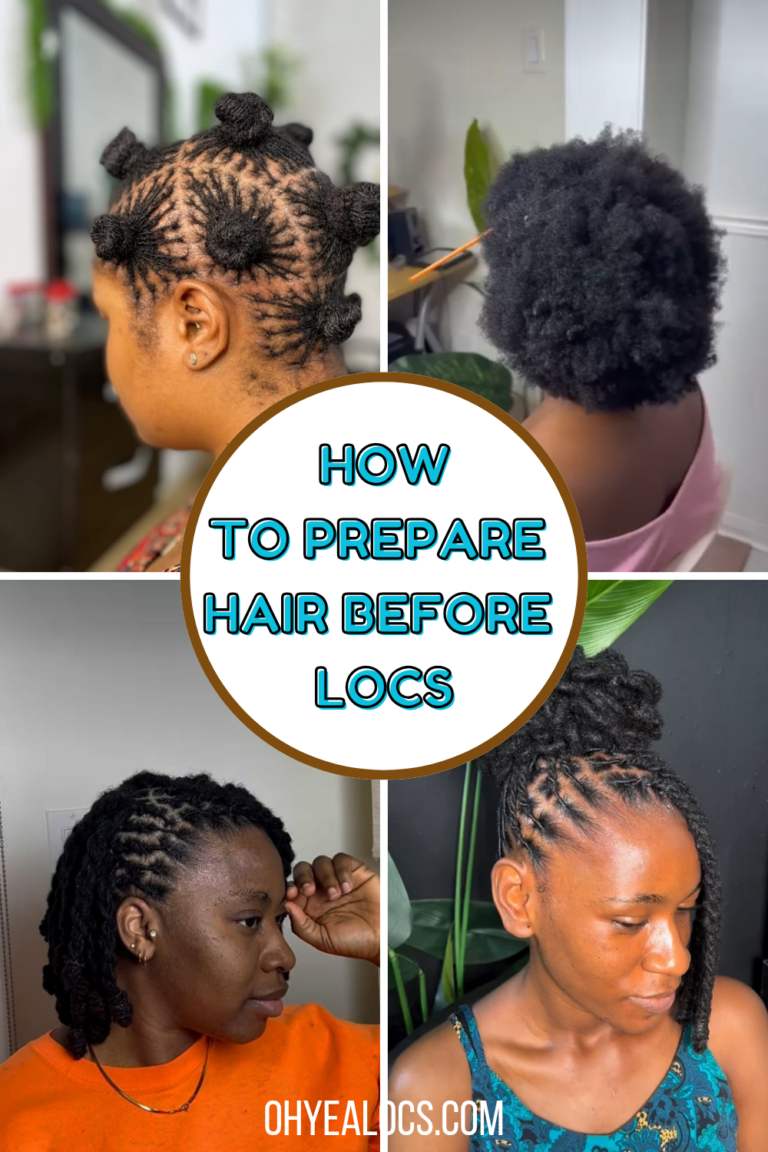
See this guide: How to prepare your hair before locking
3. Your Desired Loc Size
Do you want small, medium, or thick locs?
The size you choose will influence the sectioning pattern and overall look.
4. Professional vs DIY Installation
You can start locs at home (DIY) or with a professional loctician. If you’re unsure, consulting a professional can help you choose the best method.
5. Budget
Consider the costs of installation (if done professionally), maintenance, hair tools, and accessories. Growing healthy locs will cost you some money.
Best Methods for Starting Locs on Short Hair
There is no one “correct” method. The best method depends on your hair length, texture, and preference. Some popular methods include:
1. Comb Coils
This is one of the most common methods for short natural hair.

How to install:
Section your hair into equal parts then use a comb to twist each section tightly into coils.
Comb coils are best for short, tightly coiled hair and for beginners.
Read this: Do comb coils lock faster (Honest truth from the first 90 days)
Pros of Comb Coils
•They are simple to install
•Give a neat appearance
•Good for small locs
Cons of Comb Coils
-Can unravel in the early stages
-Requires careful maintenance
2. Two-Strand Twists
This method involves twisting two strands of hair together.
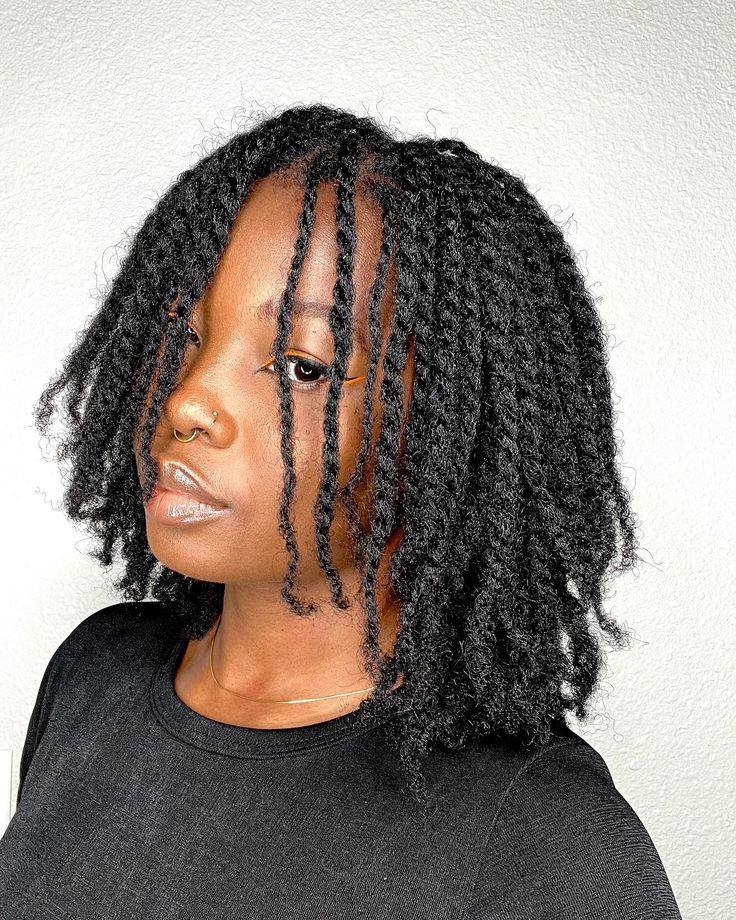
They’re easy to maintain, versatile, and look great on all hair types. Whether you prefer a simple style.
They are best for short to medium hair and those who want slightly thicker locs.
Pros of Two-Strand Twists
-They are easy to maintain
-Give a strong foundation
-Less likely to unravel easily
Keep this page open: Two strand twist vs com coils: Which loc method is better?
Cons of Two-Strand Twists
-May look less defined at first
-Take time to fully lock
3. Finger Coils
Finger coils are created by twisting small sections of hair around your finger.

They are best for very short hair.
Pros of Finger Coils
-Great for short lengths
-Give a clean look
Cons of Finger Coils
-Requires patience
-Can shrink significantly
4. Instant Locs
Instant locs are usually done with the help of a professional, using a crochet tool to lock the hair immediately.
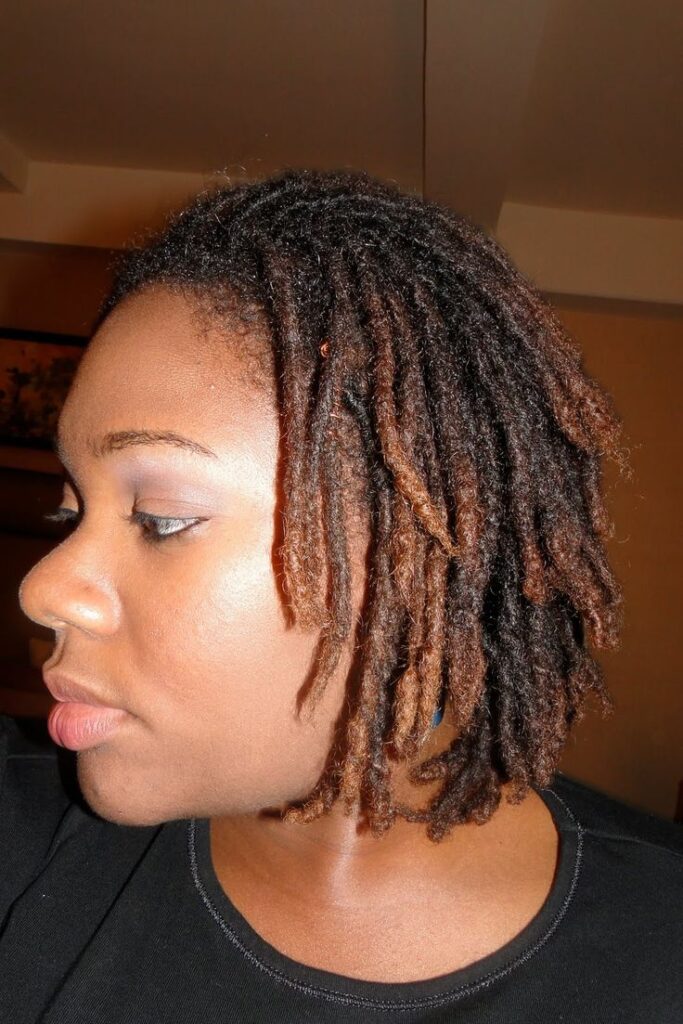
Best for people who want immediate results and those who want to start locs with very short hair.
Pros of Instant locs
-Give a mature appearance instantly
-Require less waiting time
Cons of Instant Locs
-Installation requires an experienced professional
-Can be more expensive
How to Start Locs on Short Hair Step-by-Step Guide
Now let’s walk through the practical process of starting locs on short hair.
Step 1: Clean Your Hair Thoroughly
Before starting locs
-Wash your hair with a clarifying shampoo
Pin this: How to wash your locs without unravelling them
-Remove all product buildup
-Avoid heavy conditioners or oils
The truth remains that clean hair helps locs form properly.
Step 2: Decide on Your Parting and Loc Size
-Use a comb to create clean sections.
Sections can be square parts (most common) or a brick pattern (for a fuller appearance).
Consider the size of the sections too as smaller sections make smaller locs while
larger sections create thicker locs.
Ensure your sections are consistent to create a neat overall look.
Step 3: Choose Your Starting Method
Select one of the methods mentioned above: comb coils, two-strand twists,
finger coils or instant locs.
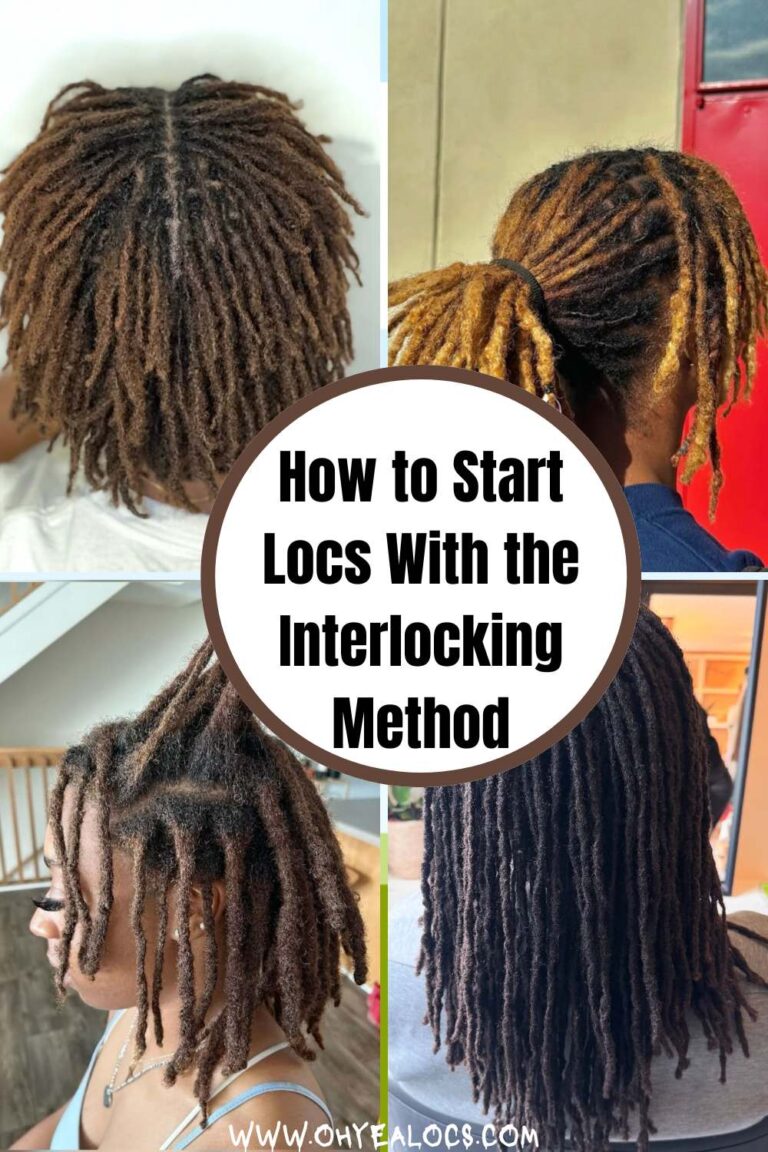
Bookmark this: Different methods of starting locs
Your hair length and texture will determine your choice.
Step 4: Install the Locs
Carefully twist, coil, or crochet each section.
Important tips to take note of:
-Avoid excessive tension
-Do not pull too tightly at the roots
-Ensure each section is fully twisted from root to tip
Step 5: Allow the Locs to Set
The first few weeks are crucial as they set the foundation for what your locs will eventually turn into. During this time, avoid over-manipulation and ensure to separate roots gently if they begin to join.
Also, be patient with frizz. Frizz is normal, especially for short starter locs.
How to Maintain Locs on Short Hair
Maintenance often determines the health of your locs. Here are some maintenance tips:
•Washing
-Wash every 1–3 weeks (depending on your scalp needs). Use residue-free shampoo. Avoid heavy creams and thick oils.
Save this: How to tell if your starter locs are healthy
•Retwisting
Retwist every 4–6 weeks (depending on growth). Do not retwist too frequently. Excess tension can cause thinning.
Bookmark this: How to maintain your locs between retightening
•Moisturising
Use light water-based sprays and natural scalp oils in small amounts. Short locs do not require heavy products.
Learn more here: How often should you moisturize our locs
•Night Care
Always wear a satin bonnet to bed or use a satin pillowcase. This reduces frizz and breakage.
Now, let’s talk about mistakes to watch out for as you start your loc journey.
Common Mistakes to Avoid When Starting Loc on Short Hair
When starting locs on short hair, avoid these mistakes:
1. Using Too Much Product – Heavy gels can cause buildup and slow down locking.
2. Over-Retwisting – Too much manipulation can lead to thinning or breakage.
3. Ignoring Scalp Health – A healthy scalp promotes healthy locs.
4. Comparing Your Journey – Every loc journey is unique and growth generally takes time. So, avoid comparing your locs to others’.
How Long Does It Take for Short Hair to Lock?
There’s no one-size-fits-all duration. Locking time depends on hair texture, maintenance routine, and starter method.
Generally, it may take several months for your locs to mature. Full maturity can take 6–12+ months. To succeed in this journey, make patience your companion.
Styling Ideas for Short Starter Locs
It’s not only mature locs that can be rocked in cute styles. Short locs can be well-styled too. Beautiful and simple short locs styles include:
•Simple side parts
•Half-up styles
•Headwraps
•Beads and cuffs
•Low ponytails (if length permits)
Don’t worry, as your locs grow, your styling options will increase.
Final Thoughts
Starting locs on short hair is an exciting first step toward embracing your natural beauty. It’s a journey that requires patience, care, and intentionality, and the rewards are worth it.
Bear in mind that short hair doesn’t limit your options. It rather gives you a clean, manageable foundation to build strong, healthy locs that will grow beautifully over time.
Remember, every loc journey is unique. Your hair may lock faster or slower than someone else’s, and that’s perfectly okay.
As your locs mature, they will become more than just a hairstyle; they will reflect your patience, commitment, and creativity.
Enjoy the process!
Frequently Asked Questions
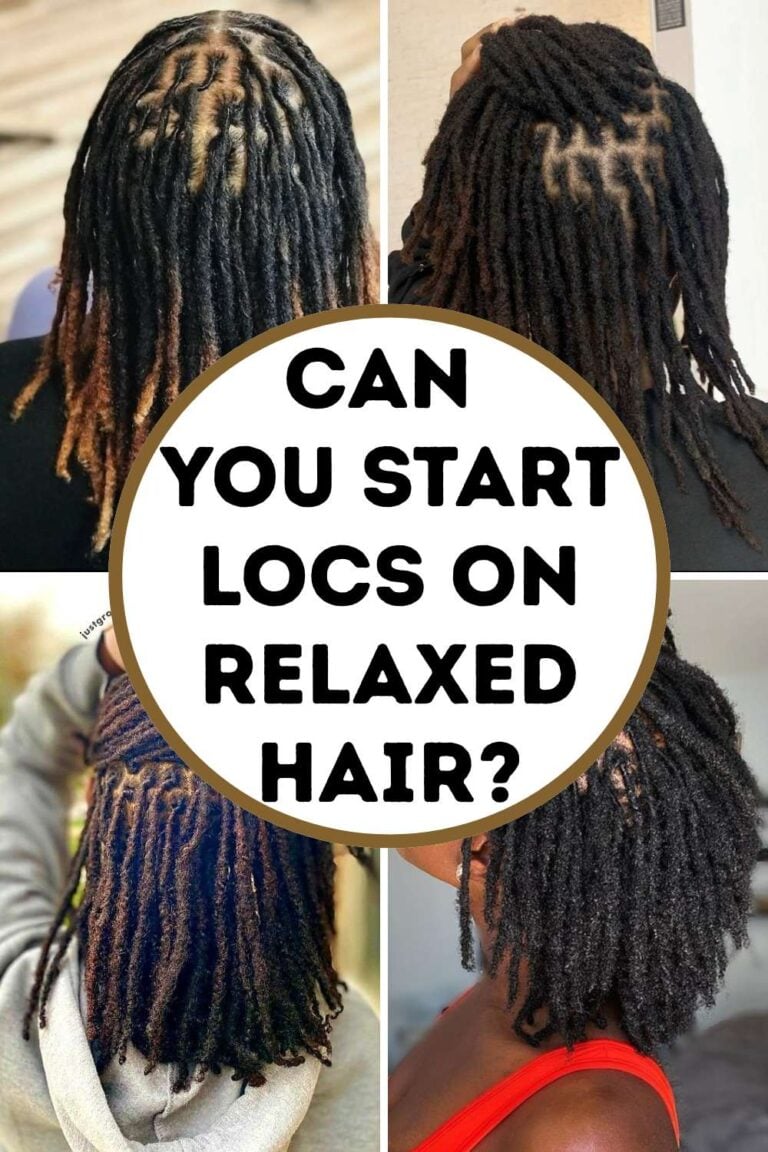
1. Can I start locs on chemically treated hair?
Yes, but your hair should be healthy. If you have relaxed or colored hair, make sure it’s well-moisturized and free from breakage before starting locs to prevent snapping.
2. Do I need to trim my hair before starting locs?
Not necessarily, but trimming damaged ends can create a healthier foundation for your locs and help them lock more evenly.
3. Will my short locs shrink as they grow?
Yes, most short locs will experience shrinkage, especially with tightly coiled hair. Shrinkage is normal and often indicates healthy, tight loc formation
4. Can I exercise or swim with short locs?
Absolutely! Short locs are resilient. Just make sure to rinse thoroughly after swimming and gently dry to prevent mildew or odor.
5. How do I handle an itchy scalp during the early stages?
An itchy scalp is common. Use light, water-based moisturizers, peppermint oil, or aloe vera to soothe it. Avoid scratching too hard to prevent the loc unraveling.
6. Can I color my locs while they are still short?
It’s possible, but coloring short locs can stress the hair. Wait until your locs have matured at least 3–6 months for safer results.
7. How often should I separate my locs?
Separate as needed, usually once a week, to prevent them from merging at the roots. Ensure you do it gently. Avoid pulling too hard.
8. Are short locs more prone to breakage?
Short locs can be delicate because the hair is still young and less weighted. Avoid over-twisting, harsh products, or tight hairstyles to reduce breakage risk.
9. Can I start locs if my hair is uneven in length?
Yes! Uneven hair can still loc. The key is consistent sectioning and care. Some areas may lock faster than others, but patience helps everything even out over time.
10. Do I need special tools for maintaining short locs?
Not really. Basic tools like a wide-tooth comb, a satin scarf or bonnet, light moisturizing spray, and clips are usually enough.