
10 Things You Should Never Do to Your Starter Locs
Disclosure: Some of the links in this post are affiliate links. This means if you click on the link and purchase an item, I will receive an affiliate commission at no extra cost to you. All opinions remain my own. I only recommend products or services I believe will add value to my readers.
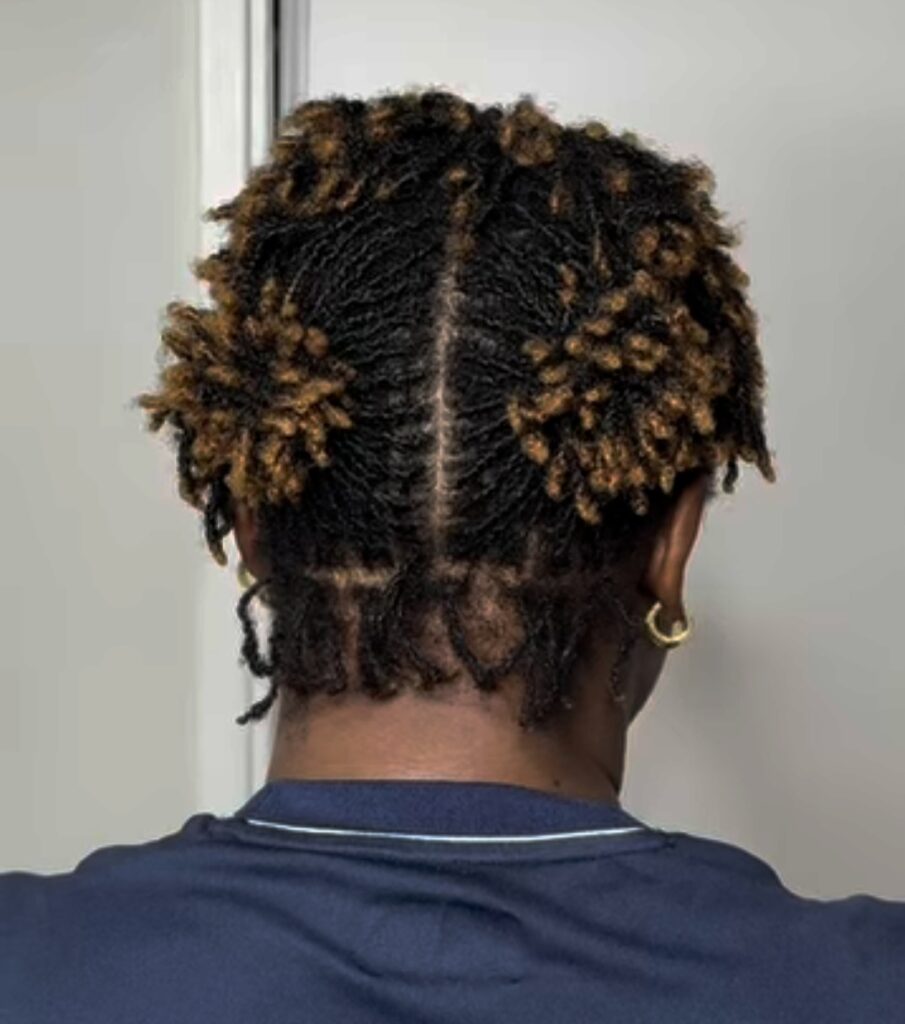
Starting your loc journey can be so exciting, deeply personal, and at the same time, quite intimidating – just the way it feels when you are about to start anything new. Starter locs mark the foundation of your entire loc journey, and how you treat them in the early stages can determine whether your love will grow strong and healthy or become thin, weak, and damaged.
This guide will help you: Everything you need to know before starting your locs journey
One of the biggest mistakes people make with starter locs is assuming they can be treated like mature locs. Just imagine someone treating a 1-month-old like a 25-year old adult. You can almost tell the consequences. In the same vein, starter locs are fragile and therefore need patience, consistency, and the right care routine.
See this: How to start your locs journey the right way
In this guide, we’ll walk through 10 things you should never do to your starter locs, why they matter, and what to do instead. If you’re new to locs or considering starting, this article will help you avoid common mistakes when locking your hair and protect your investment. Yes! That’s exactly what they are!
Let’s jump right in!
What Are Starter Locs?
Starter locs are the initial stage of the loc journey, where hair is sectioned and encouraged to begin locking using methods such as comb coils, two-strand twists, finger coils, or interlocking.

Read more here: What to Expect in the First 3 Months of Your Loc Journey
Here are some peculiarities of this stage:
-Hair is not yet fully locked
-Locs can unravel easily
-The scalp and roots are adjusting
-Hair needs structure and consistency
This phase can last anywhere from 3 to 12 months, depending on hair texture, maintenance routine, and loc method.
Because this stage sets the foundation for your loc journey, what you don’t do is just as important as what you do.
Here are some things you shouldn’t do:
1. Washing Your Hair Too Frequently
One of the fastest ways to disrupt starter locs is washing them too often. While a clean scalp is important, excessive washing – especially in the early weeks can cause unraveling, frizz, loss of structure, and weak roots.
Why Frequent Washing is a Problem
Starter locs haven’t locked yet. So too much water and manipulation loosen the coils or twists before they have time to hold.
Come back to this: Common mistakes to avoid when locking your hair
What to Do Instead
-Wait 2–4 weeks before the first wash (unless advised otherwise by your loctician)
-Use a gentle, residue-free shampoo.
-Consider washing by a professional during the early months
2. Using Heavy Oils, Waxes, or Creams
Many people assume that thick products help hair lock faster. But in reality, they do the opposite. They cause product buildup and sticky residue which when trapped inside locs causes:
-Slow locking process
-Dull, unhealthy locs over time
The bad news is that once buildup is inside a loc, it’s extremely hard to remove.
Keep this handy: How to Get Rid of Lint in Your Locs
Here’s What to Do Instead:
-Use lightweight oils sparingly (e.g., jojoba, grapeseed)
-Focus on hydration, not greasing
-Choose products that are labelled loc-friendly or residue-free
3. Constantly Retwisting Your Locs
Over-retwisting is one of the most common mistakes beginners make. They think the more they retwist, the higher the chances of their locs growing. But how true is that?
See full breakdown here: 23 Things You Should Never Do to Your Locs
Why Frequent Retwisting is Wrong
-Weakens the roots
-Causes thinning and breakage
-Leads to traction alopecia
-Prevents natural locking
Yes, neat roots usually look nice but what’s the essence if the damage outweighs the benefit?
What to Do Instead
-Retwist every 4–6 weeks
-Allow frizz; it’s part of the process
-Prioritise scalp health over aesthetics
4. Touching or Playing with Your Locs Too Much
I know how tempting it is for you (or others) to want to twist, pull, or constantly check your starter loc but resist the urge.
Why Excessive Handling is Wrong
-Causes frizz
-Leads to thinning at the roots
-Disrupts the locking pattern
Besides, your hands transfer oils and dirt that affect scalp health.
Here’s What to Do Instead:
-Keep manipulation minimal
-Style gently and intentionally
-Allow your locs form naturally
5. Styling Too Tight or Too Early
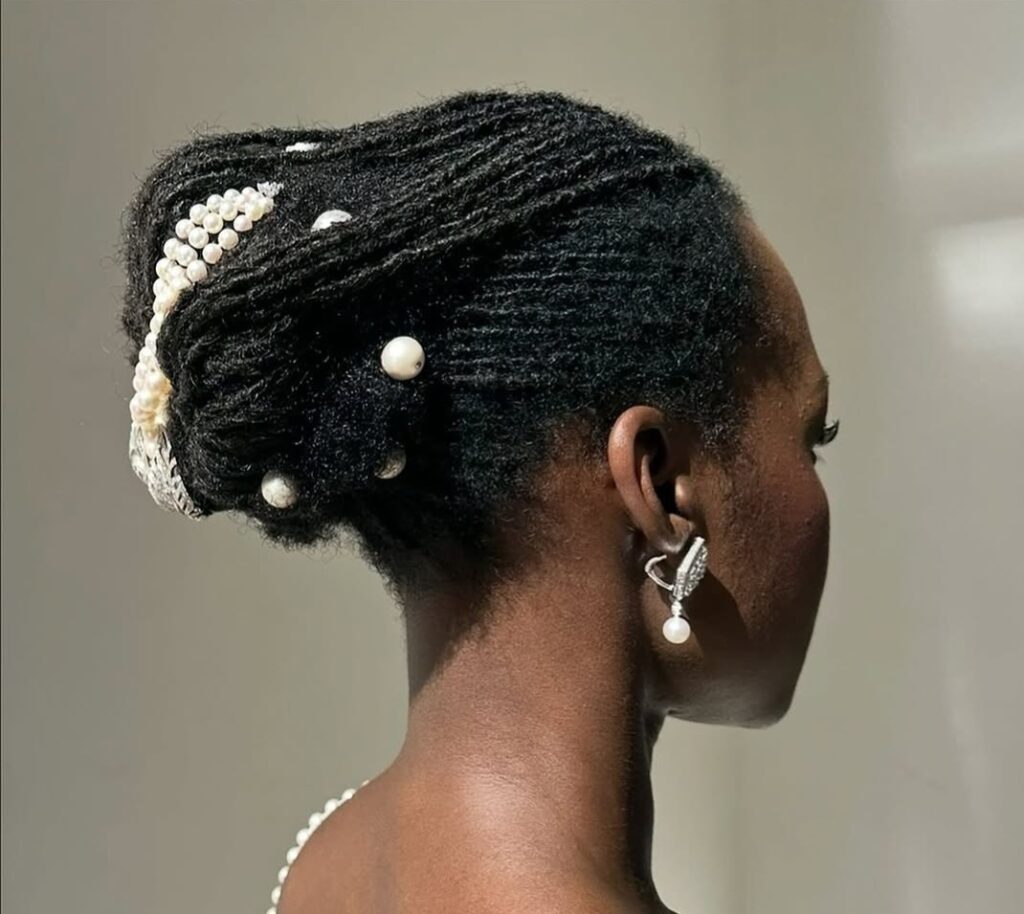
I know you can’t wait to start styling your locs. I’ve been there too. But the truth is that starter locs are not ready for heavy styling yet.
Why Early Styling is Wrong
-Stresses fragile roots
-Causes scalp pain and inflammation
-Leads to permanent thinning
Styles like tight ponytails, barrel twists, or heavy updos can do long-term damage if done too soon.
What to Do Instead:
-Stick to low-tension styles
-Wait until locs are more mature before complex styling
-Speak to a professional before styling early
6. Skipping Moisture
There’s this common myth about locs: the drier your hair, the easier it locks. But you and I know that’s not true. The truth is that dry hair struggles to lock properly.
Why Skipping Moisture is Wrong
-Hair becomes brittle
-Locs break easily
-Growth slows
-Scalp becomes itchy and flaky
Moisture helps hair stay flexible, strong, and healthy during the locking phase.
What to Do Instead:
–Use a water-based spray or loc mist
-Lightly moisturise 2–3 times a week
-Seal with a light oil if needed
Read this next: How to care for your locs the right way
7. Using Dirty or Lint-Prone Accessories
Anybody who started loc journey from scratch will agree with me that starter locs attract lint easily and once it’s in, it stays.
Why Using Dirty or Lint-prone Accessories is Wrong
Lint and dirt get trapped inside locs, affecting the appearance, texture, and cleanliness.
Don’t skip this: How to Get Rid of Lint in Your Locs
When it comes to lint issues, cotton fabrics are especially problematic.
More on the topic: How to Get Rid of Dandruff in Your Locs
What to Do Instead:
-Use silk or satin scarves and bonnets
-Avoid fuzzy hats and towels
-Keep accessories clean
8. Switching Locticians Too Often
There’s nothing helpful about switching locticians too often. Consistency is key during the starter phase.
Why Switching Locticians Too Often is Wrong
-Different locticians use different parting systems, techniques, and retwisting styles.
-Frequent changes can lead to uneven loc sizes and structural issues.
What to Do Instead
-Stick to one loctician during the starter phase.
-If you must change, communicate your loc history clearly.
-Choose someone experienced with handling starter locs
9. Comparing Your Loc Journey to Others
Many lock starters do this and they don’t even see anything wrong with it. But a lot is actually wrong with comparing your loc to others. First, no two loc journeys are the same, so playing the comparison game indirectly sets you up for a frustrating loc journey.

Why Comparing Your Loc Journey to Others is Wrong
Comparison leads to:
-Unrealistic expectations
-Unnecessary frustration
-Over-manipulation in an attempt to “fix” things
When you know that hair texture, density, and growth rates all differ, you will be gentle and gracious with yours.
What to Do Instead:
-Focus on your own progress
-Document your journey instead of comparing it
10. Neglecting Night-Time Protection
It’s not enough to care for your locs during the day, how you handle your locs at night also contributes to their overall health and growth.
Why Neglecting Night-Time Protection is Wrong
Sleeping without protection causes friction, frizz, breakage, and dryness. When you sleep with a cotton pillowcase, it strips moisture from your hair.
What to Do Instead
-Use a silk pillowcase
-Sleep with a satin or silk bonnet
-Gently secure locs before bed
Final Thoughts
Starter locs are not just a hairstyle you’re “trying out”, they’re the very foundation of the locs you’ll wear for years to come.
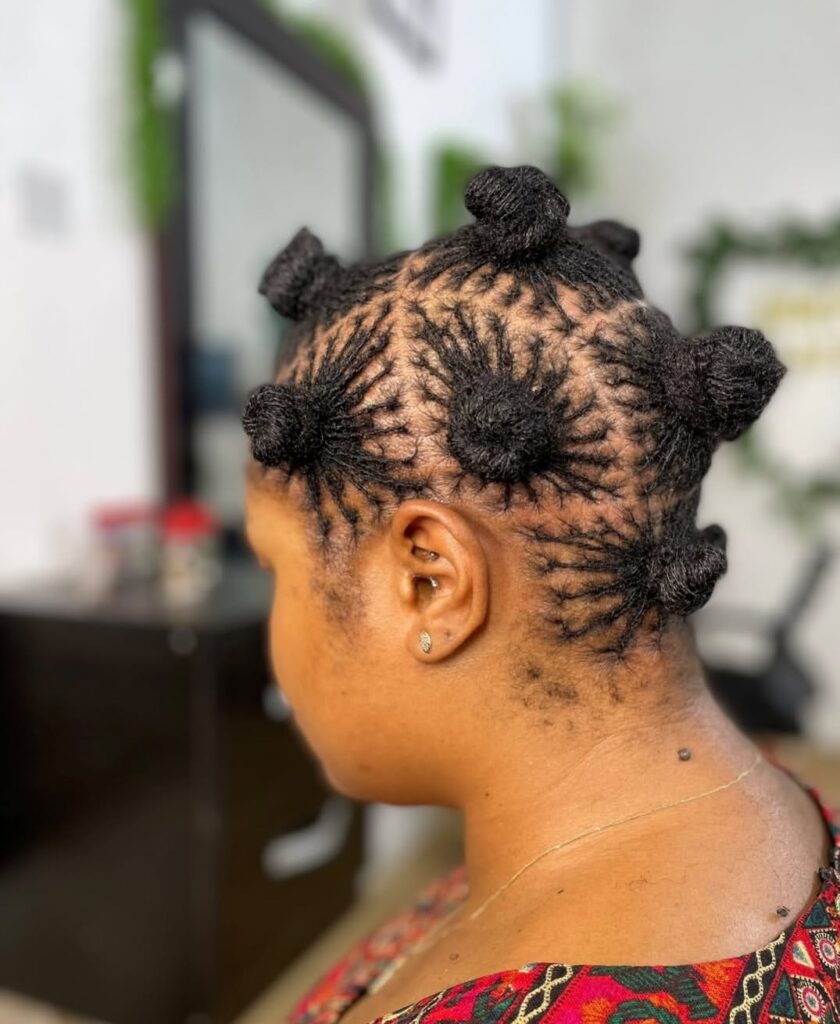
That’s why every choice you make at this stage, from how often you wash to how gently you handle your hair, leaves a lasting impact on the health, thickness, and strength of your locs.
If you treat your starter locs with intention and respect now – protecting them at night, keeping products light, avoiding excessive manipulation, and staying consistent with professional care – you’re setting yourself up for strong, healthy, and beautifully formed locs in the future.
Your loc journey is yours alone. Honour it, nurture it, and be patient with it. The results will always be worth the wait.
This guide will help you: How to start your locs journey the right way
Frequently Asked Questions
1. How long do starter locs take to lock?
Starter locs typically take 6–12 months to fully lock, though this can vary based on your hair texture, installation method, and maintenance routine. Softer textures may take longer, while coarse textures often lock faster.
2. Can I colour my hair with starter locs?
It’s best to wait until your locs are mature before colouring. That’s because chemical dyes can weaken the hair shaft, cause excessive dryness, and slow down the locking process. If you must colour early on, opt for professional services and conditioning treatments.
3. Do starter locs need oil every day?
No. Over-oiling can lead to buildup and attract lint, which is hard to remove once locs begin forming. Light oiling once or twice a week is usually enough. While oiling, focus on the scalp rather than soaking the locs themselves.
4. Is frizz normal with starter locs?
Yes, it’s completely normal. Frizz is a sign that your hair is beginning to lock. Trying to eliminate frizz entirely can actually interfere with the locking process.
5. Can I wash starter locs at home?
Yes, you can wash starter locs at home but many beginners prefer professional washes in the early stages to avoid unraveling. If you are going to wash at home, use a gentle, residue-free shampoo and avoid excessive manipulation.
6. How often should I wash my starter locs?
Most people wash starter locs every 2–4 weeks, depending on scalp needs and lifestyle. However, washing too often can cause unraveling, while washing too infrequently may lead to buildup and scalp irritation.
7. Should I retwist my starter locs often?
No. Retwisting too frequently can cause thinning and weak roots. A retwist every 4–6 weeks is generally sufficient. Less manipulation helps your locs grow stronger over time.
8. Can I wear protective styles over starter locs?
It’s best to avoid tight styles or anything that puts tension on your roots. Loose styles are fine, but excessive pulling can disturb the locking process and lead to breakage.
9. Why do my starter locs feel soft or puffy?
Softness and puffiness are common in the early stages because the hair hasn’t fully compacted yet. Over time, your locs will tighten, firm up, and become more defined as they mature.
10. How can I keep my starter locs healthy?
Focus on cleanliness, moisture, minimal manipulation, and patience. Protect your locs at night with a satin or silk bonnet, avoid heavy products, and trust the process. Healthy locs take time to develop.
If you liked this, read this: 10 things I wish I knew before starting my locs





One Comment