
Best Oils for Loc Scalp Health
Disclosure: Some of the links in this post are affiliate links. This means if you click on the link and purchase an item, I will receive an affiliate commission at no extra cost to you. All opinions remain my own. I only recommend products or services I believe will add value to my readers.
Finding the right oil for your scalp can feel confusing when you have locs. You may deal with dryness, itching, flakes, or roots that feel greasy soon after applying a product.
Best Oils for Loc Scalp Health are not simply about finding the thickest or most popular oil. Instead, the goal is to find an option that supports your scalp without leaving heavy residue trapped around your roots.
Moreover, using too much oil can create buildup, making your locs feel heavy and your scalp uncomfortable. That is why choosing your oil carefully can make a noticeable difference in your maintenance routine.
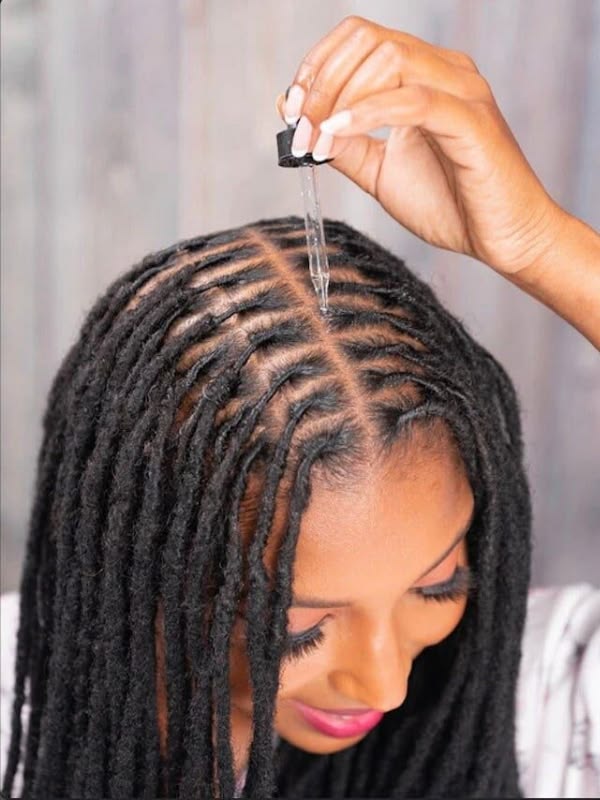
However, not every scalp responds to oils in the same way. Some people prefer lightweight oils that absorb easily, while others may find richer oils more suitable for their routine.
Therefore, understanding your scalp should come before buying another bottle. If your locs are still new, Best Oils and Moisturizers for Starter Locs (What Actually Works) can also help you understand how product choices may change during the early stages of your journey.
Additionally, your moisturizing routine matters because oil alone does not replace proper hydration. How Often Should You Moisturize Locs? can help you create a better balance between keeping your scalp comfortable and avoiding unnecessary product buildup.
Most importantly, choosing the Best Oils for Loc Scalp Health should be about keeping your scalp comfortable while protecting the condition of your locs.
You want an oil that fits your routine without requiring constant reapplication or leaving your roots coated. Furthermore, the way you apply an oil matters just as much as the oil itself.
A small amount applied thoughtfully can be more useful than saturating your scalp. Ultimately, the right approach is to understand your scalp, choose suitable products, use them sparingly, and pay attention to how your hair responds over time.
Understanding What Your Scalp Actually Needs
Before choosing from the Best Oils for Loc Scalp Health, it helps to understand what your scalp is asking for. If your scalp feels tight, dry, or uncomfortable, you may assume you need more oil.
However, dryness and dehydration are not always the same thing. Oil can help reduce moisture loss, but it does not replace water-based hydration. Therefore, adding more oil is not always the solution.
If your scalp becomes greasy quickly, applying oil more frequently may create another problem. Instead, look at your entire routine.
Consider how often you cleanse, what products you use, how much oil you apply, and how your scalp feels between washes.
Moreover, your locs can trap residue more easily than loose hair, so using too much product can make buildup harder to remove.
Pay attention to signs that your current routine may need adjusting. Persistent itching, excessive flakes, tenderness, or heavy residue should not simply be covered with another layer of oil.
In addition, if you notice ongoing scalp irritation, sores, or significant discomfort, consider getting advice from a qualified healthcare professional rather than relying solely on hair products.
1. Jojoba Oil
Jojoba oil is a popular choice for scalp care because it has a lightweight feel compared with many heavier oils. It can be useful for people who dislike the greasy sensation that some oils leave behind.
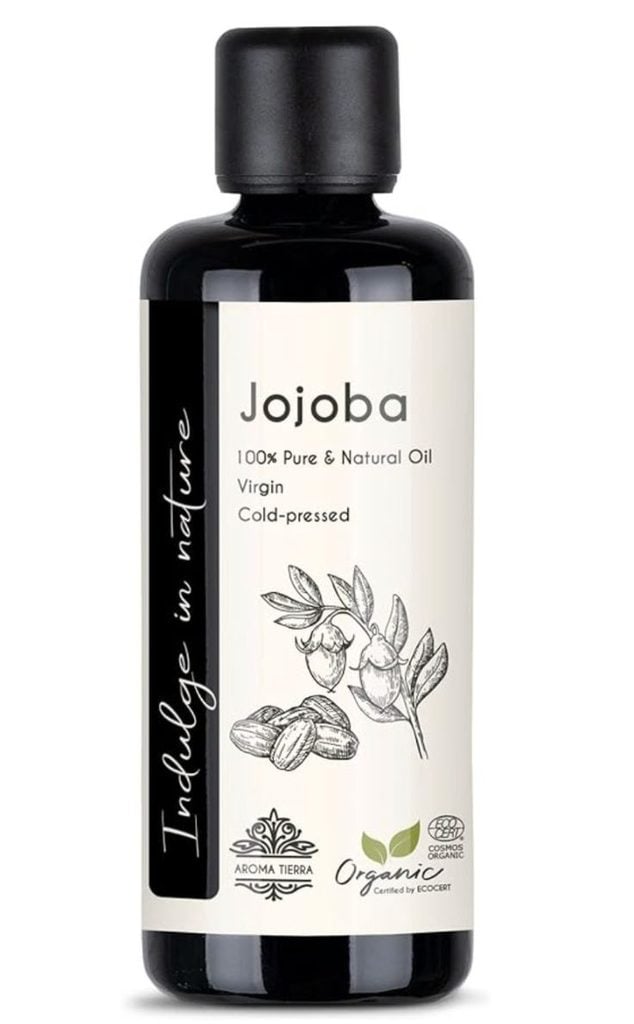
Additionally, a small amount can be easier to work into the scalp without completely coating the roots. This makes it an option worth considering if your biggest concern is finding something lightweight.
However, more is not necessarily better. Start with a small amount and see how your scalp responds before making it a regular part of your routine.
2. Grapeseed Oil
Grapeseed oil is another lightweight option that may appeal to people who prefer oils that do not feel particularly heavy. It can fit nicely into a simple loc-care routine when used sparingly.
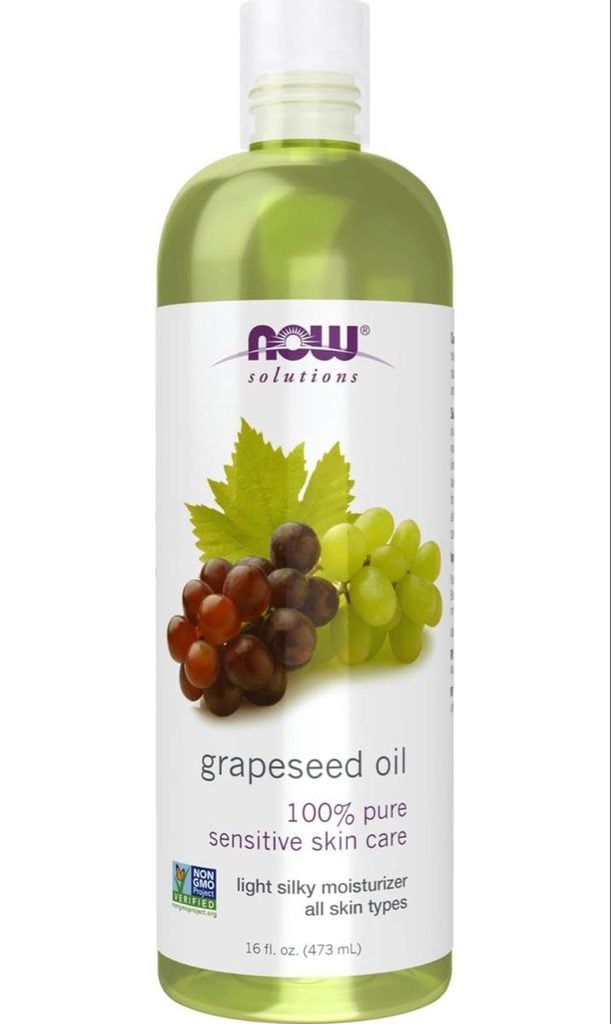
Furthermore, its lighter texture makes it easier to avoid the overly greasy feeling that can happen when you use richer oils. This can be particularly useful if you already struggle with product buildup.
Use a small amount directly on the scalp rather than soaking your roots. As a result, you can moisturize your routine without unnecessarily adding a large amount of product.
3. Sweet Almond Oil
Sweet almond oil has a richer feel than some lightweight oils, so it may appeal to people who prefer a more nourishing-feeling product. However, you should still use it sparingly when you have locs.
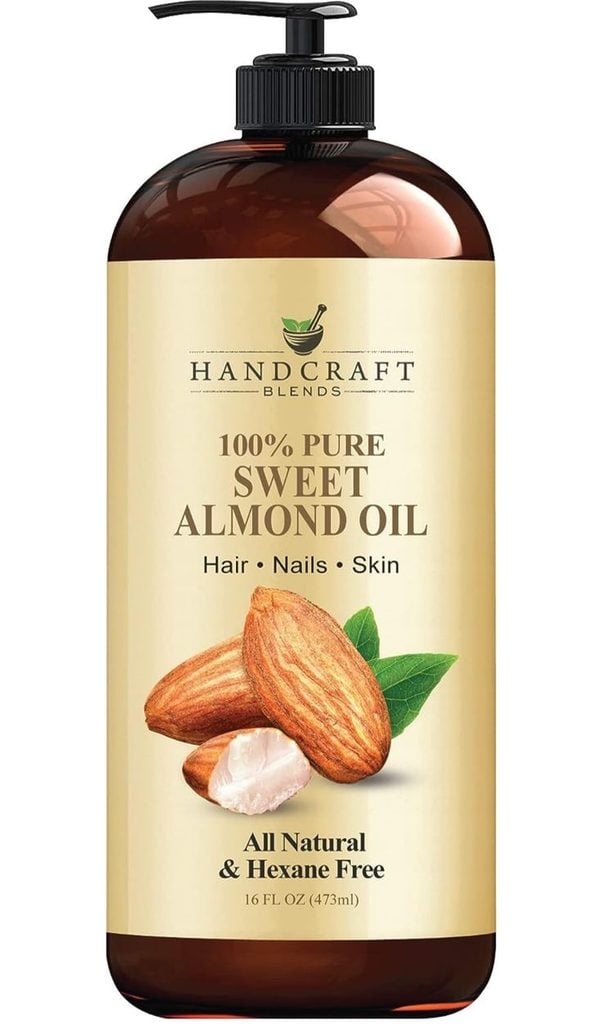
Because locs can hold onto residue, applying large amounts may eventually leave your roots feeling coated. Start with a small quantity and observe how your scalp responds.
Moreover, if you have any known nut allergy, check the product carefully and avoid using it if it is not appropriate for you.
4. Argan Oil
Argan oil is another option for people looking for a relatively lightweight oil. It can be incorporated into a simple scalp and loc maintenance routine without requiring a large amount.
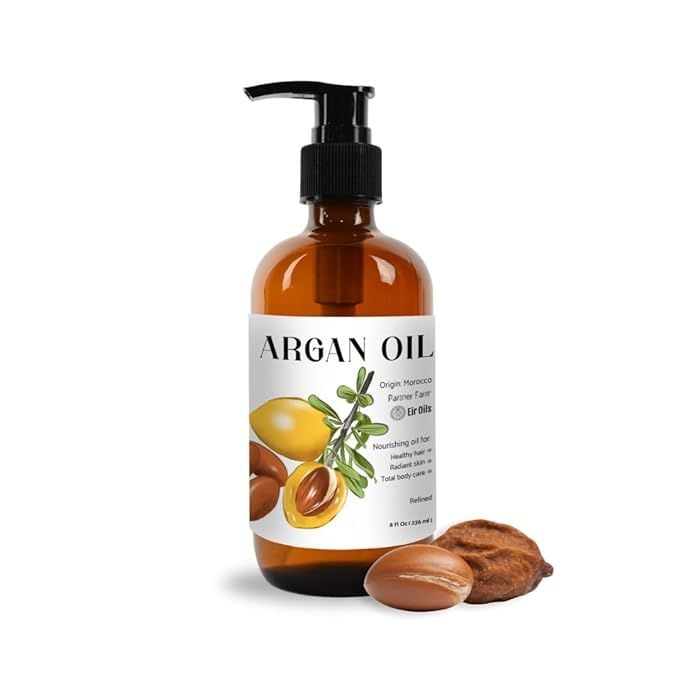
Instead of applying it generously, place a few drops on your fingertips and distribute the oil carefully. This approach gives you greater control and makes it easier to avoid unnecessary buildup.
Argan oil can also work well when your goal is simply to add a little softness without making your entire scalp feel saturated.
5. Coconut Oil
Coconut oil is widely used in natural hair care, but it is not automatically the right choice for every scalp. Some people enjoy its richer texture, while others may find it too heavy for their loc routine.
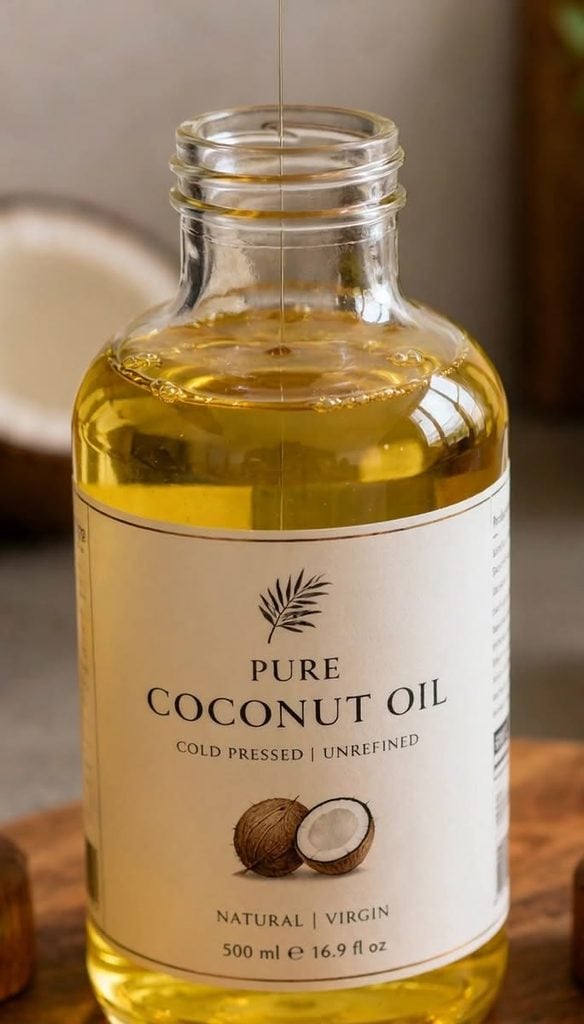
Therefore, consider how your hair and scalp respond before making it a regular product. If it leaves your locs feeling coated or creates buildup, you may prefer a lighter alternative.
If you do use coconut oil, moderation is especially important. A small amount can go much further than completely saturating your roots.
6. Olive Oil
Olive oil is another richer oil that some people use as part of their hair-care routine. However, its heavier texture means you should be especially careful with the quantity when you have locs.
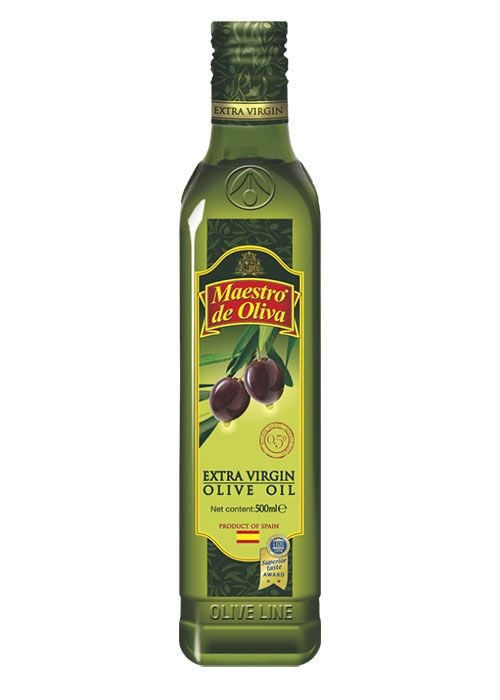
Using too much can leave the scalp and locs feeling greasy. Additionally, repeated application without proper cleansing can contribute to residue.
If you enjoy using olive oil, consider incorporating it occasionally rather than continuously layering it onto your scalp.
7. Castor Oil
Castor oil is significantly thicker than many other oils, which can make it challenging to use directly on the scalp when you have locs. Nevertheless, some people prefer it because of its rich texture.
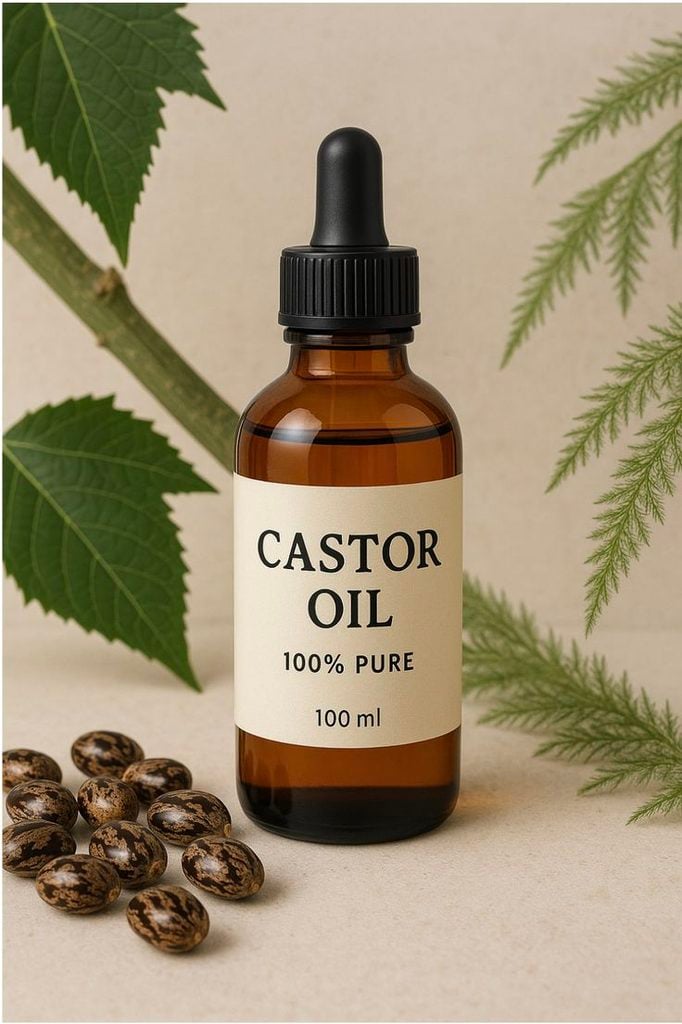
If you choose to use castor oil, consider mixing a small amount with a lighter oil. This can make the application easier and prevent the product from feeling excessively heavy.
Most importantly, avoid treating castor oil as a guaranteed solution for hair growth. Your loc growth depends on many factors, and an oil cannot replace proper scalp care.
8. Tea Tree Oil
Tea tree oil requires more caution than ordinary carrier oils. It is highly concentrated and should not be applied directly to the scalp undiluted.
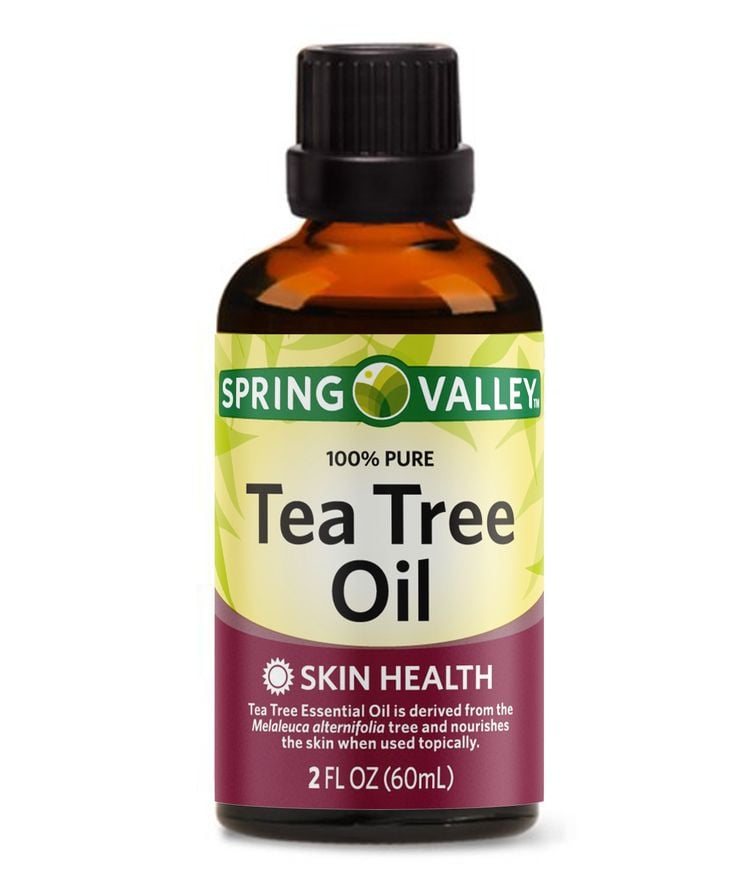
Instead, if you are considering a tea tree oil product, use a properly formulated product or dilute it according to appropriate safety guidance. Stop using it if it causes irritation.
If your scalp has persistent itching, flaking, or other symptoms, do not assume tea tree oil will solve the underlying issue. Rather, consider professional advice when symptoms continue.
9. Peppermint Oil
Peppermint oil is another essential oil that should be handled carefully. Its concentrated nature means applying it directly to your scalp can cause irritation.
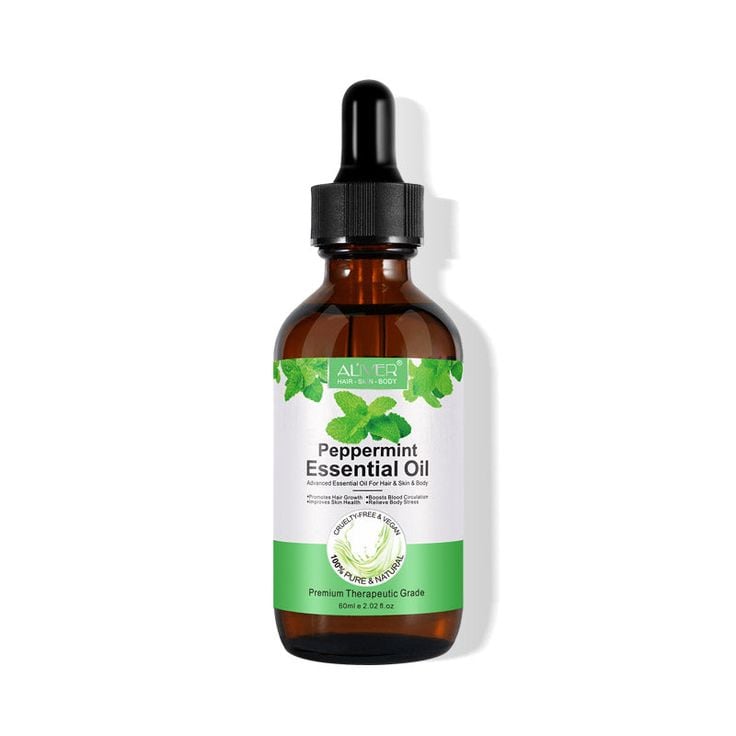
Therefore, only use a properly diluted formulation intended for scalp use. Avoid experimenting with undiluted essential oils simply because you want a stronger effect.
A stronger sensation does not necessarily mean better scalp care. Instead, focus on products that your scalp tolerates comfortably.
10. Rosemary Oil
Rosemary oil is frequently discussed in hair-care routines, but it should be approached realistically. Essential oils are concentrated, so they should be appropriately diluted before scalp application.
Moreover, avoid assuming that using more rosemary oil will automatically produce better results. Your scalp needs a comfortable and consistent routine rather than excessive product.
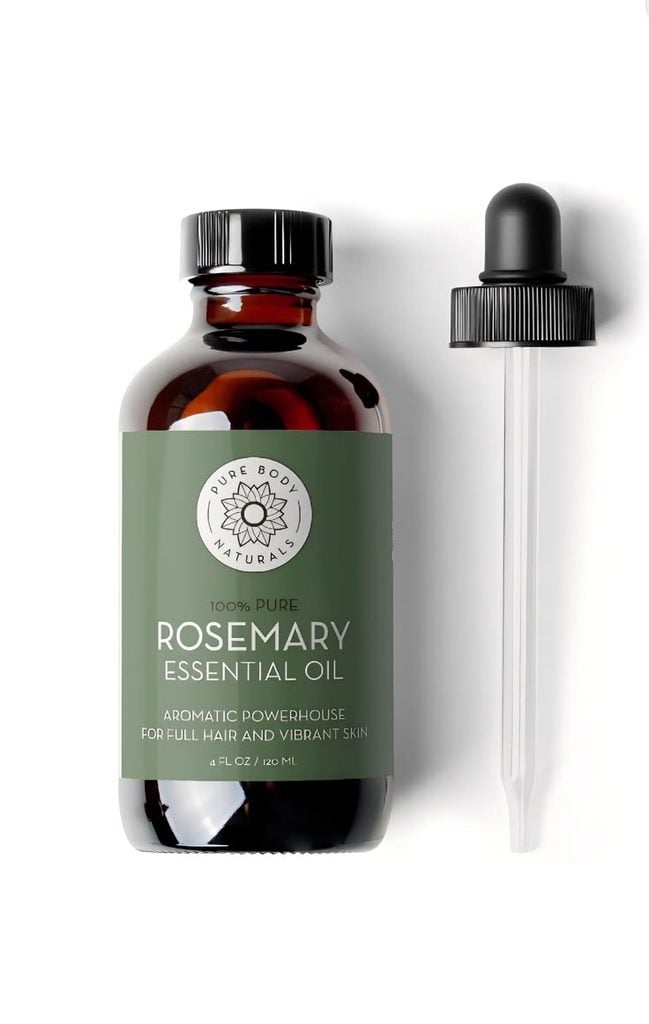
If your main concern is hair thinning or noticeable hair loss, consider speaking with a healthcare professional to identify possible causes instead of relying solely on an oil.
How to Apply Oil to Your Loc Scalp
Choosing from the Best Oils for Loc Scalp Health is only part of the process. How you apply the oil also matters. Begin with a clean scalp when possible, especially if you have significant buildup.
Place a small amount of oil onto your fingertips rather than pouring a large quantity directly onto your head. Then, gently massage the product into the scalp using your fingertips.
Do you want to know if your hair is healthy? See How to Keep Your Scalp Healthy With Locs
Avoid scratching with your fingernails. Additionally, you do not need to aggressively rub the roots to distribute the product.
Once the oil has been applied, leave your scalp alone rather than repeatedly adding more throughout the day. Over time, you will learn how much your scalp actually needs.
How Often Should You Oil Your Loc Scalp?
There is no single schedule that works for everyone. Some scalps may tolerate occasional oiling, while others may feel greasy or congested when oil is applied too frequently.

Therefore, let your scalp guide you. If your roots still feel comfortable, there may be no reason to apply more oil.
On the other hand, if your routine leaves your scalp feeling dry, review your overall hydration and cleansing routine instead of simply increasing the amount of oil.
Furthermore, if you wash frequently because of exercise or an active lifestyle, your product needs may differ from someone who washes less often.
Save this if need active locs style Gym-Friendly Loc Styles.
Avoid Mixing Too Many Oils
It can be tempting to create a large oil blend containing every popular ingredient you have heard about. However, more ingredients can make it difficult to determine what is actually working.
Start with one suitable oil and observe your scalp. If it works comfortably, there may be no need to add several others.
In addition, simpler routines make it easier to identify the cause of irritation if your scalp suddenly reacts to a product.
Oils Should Not Replace Cleansing
One of the biggest mistakes is using oil to mask an unclean scalp. Oil does not remove sweat, dead skin cells, dust, or accumulated styling products.
Instead, maintain a consistent cleansing routine and use oil as an occasional addition when appropriate. How to Keep Your Scalp Healthy With Locs can help you build a more complete scalp-care routine around cleansing, moisture, and healthy maintenance.
Ultimately, the best oil is not necessarily the most expensive or the most popular. It is the one that fits your scalp, your loc routine, and your tolerance for product without creating unnecessary buildup.
I recommend How to Wash Starter Locs Without Unraveling Them (Step-by-Step Guide)
Final Thoughts
Finding the Best Oils for Loc Scalp Health does not have to become a complicated process. Jojoba, grapeseed, argan, sweet almond, coconut, olive, and other oils can each have a place in a loc-care routine, but your scalp’s response should guide your choices.
Most importantly, use oils sparingly and avoid treating them as a replacement for cleansing or proper hydration. Furthermore, concentrated essential oils require particular care and should never be used casually or undiluted.
A healthy loc routine is ultimately about balance. Clean your scalp, hydrate appropriately, use suitable products in moderation, and pay attention to changes in your scalp. With consistency, you can maintain comfortable roots without turning your loc-care routine into a long list of complicated steps.

3 Comments