How Often Should You Moisturize Your Locs?
Disclosure: Some of the links in this post are affiliate links. This means if you click on the link and purchase an item, I will receive an affiliate commission at no extra cost to you. All opinions remain my own. I only recommend products or services I believe will add value to my readers.
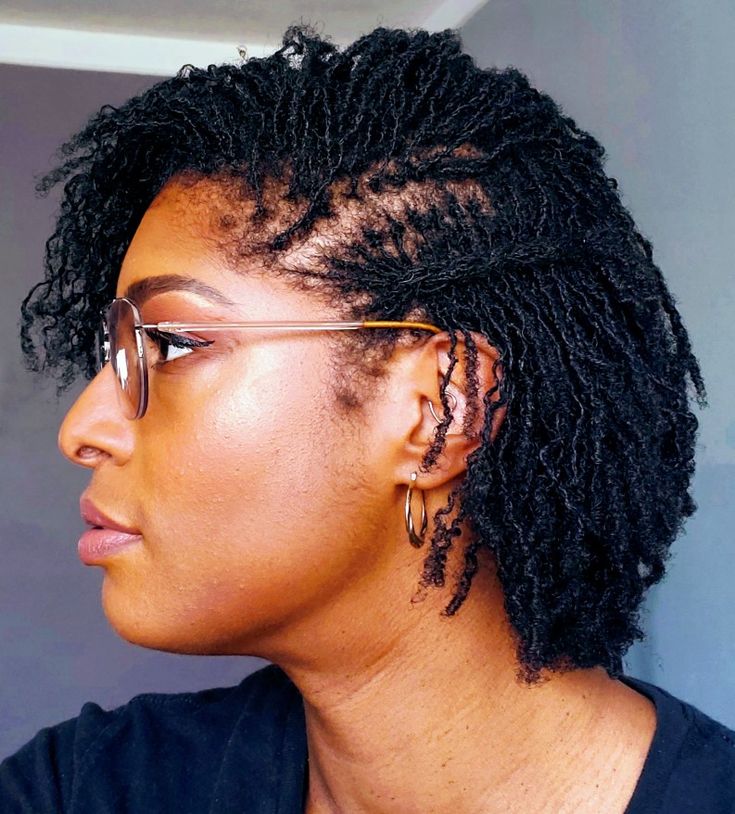
Anyone who has been on a loc journey for some time will agree that moisture is the lifeline of healthy locs. Whether your locs are newly started or fully mature, how often you moisturize them can make the difference between thriving, shiny locs and dry, brittle ones that constantly break or itch.
Even though most loc wearers know the importance of moisturizing, not everyone knows how to do it the right way. That’s why one of the most common questions among loc wearers is: How often should I moisturize my locs?
Daily? Every other day? Once a week?
The truth is simple but often overlooked: there is no one-size-fits-all answer. Your hair type, porosity, environment, and stage of your loc journey all play a role.
See this: 23 things you should never do to your locs
In this guide, you’ll learn:
•What moisturizing locs really means
•The key factors that affect moisturizing frequency
•How often to moisturize locs based on hair type
•Signs you’re under or over-moisturizing
•A simple, effective loc moisturizing routine
Let’s break it all down.
What Does It Really Mean to Moisturize Locs?
Many people confuse moisturizing with oiling but they are not the same.
•Oiling vs Moisturizing
Water is the true moisturizer for locs. Oils and butters do not hydrate hair on their own instead, they help seal in moisture or add shine. If you’re only applying oils to dry locs, you’re sealing in dryness.
Another term most people confuse with moisturizing is hydration but they are not the same.
Read this: Everything you need to know about steaming locs
Let’s look into the difference between the two:
•Moisture vs Hydration
Hydration refers to water content while Moisture is the ability of your hair to retain that water.
If you are only hydrating, you are just wetting your locs. And you know what follows in just a few minutes. Dryness.
Common Moisturizers for Locs
Here are some moisturizers to help your locs thrive:
•Natural humectants like glycerin (used sparingly)
This guide will help you: 10 things 1 wish i knew before starting locs
Oils Are Not Moisturizers
We can’t overemphasize this. Oils such as coconut oil, jojoba oil, and olive hellps by:
•Reducing moisture loss
•Adding slip and shine
•Protecting the hair shaft
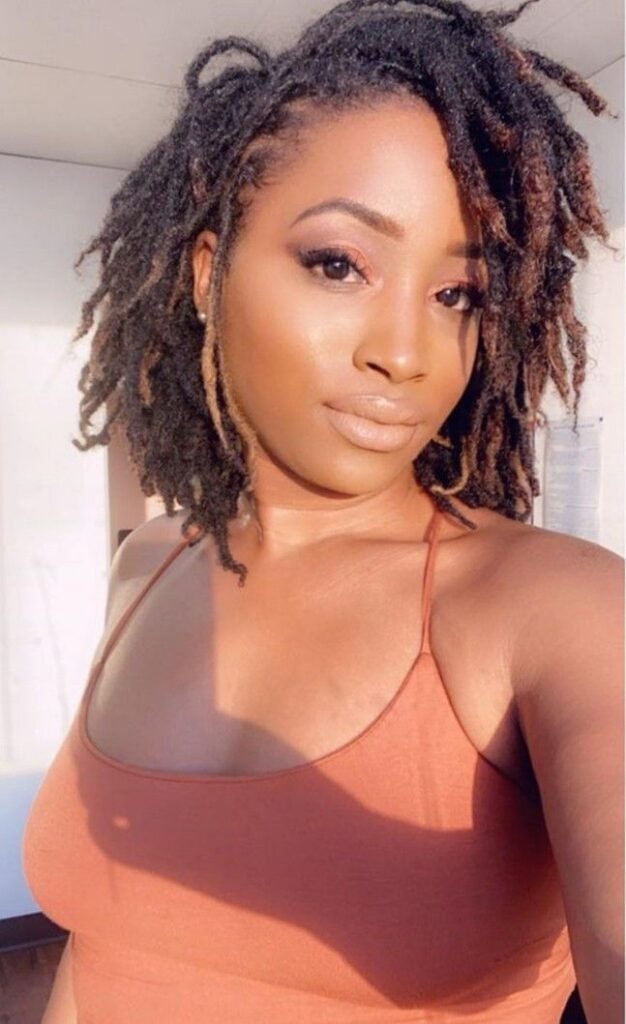
But they should come after water, not before.
Understanding this difference is key to knowing the correct way to moisturize your locs.
So, how often should you moisturize your locs?
There is no straightforward answer to this. The frequency of moisturizing largely depends on a few factors.
Factors That Determine How Often You Should Moisturize Your Locs
Before we get into hair-type-specific guidance, it’s important to understand what determines your locs’ moisture needs. Here are some of the factors:
1. Hair Type and Porosity
Porosity determines how easily your hair absorbs and retains moisture:
Low porosity resists moisture, medium porosity balances moisture retention while
High porosity loses moisture quickly.
Save this guide: How to prepare your hair before locking
2. Climate and Weather
Dry or cold climates pull moisture from hair faster. Hot and humid climates may require less frequent moisturizing
3. Loc Maturity
Starter locs often need lighter, more frequent hydration while mature locs usually require less frequent but deeper moisture care.
Pin this: What to expect in the first 3 months of your locs
4. Lifestyle
Frequent workouts, swimming, and regular washing – all increase moisture loss and determine how often you should moisturize your locs.
Now, let’s talk about how often to moisturize your locs bearing in mind your hair type.
How Often to Moisturize Locs Based on Hair Type

1. Low-Porosity Hair
Low-porosity hair has tightly closed cuticles, making it harder for moisture to penetrate but once moisture gets in, it stays longer.
Signs Your Locs Are Low-Porosity
-Water beads on your hair before soaking in
-Products tend to sit on your locs
-Slow drying time after washing
How Often to Moisturize
2–3 times per week is usually enough. Daily moisturizing may cause buildup.
Best Moisturizing Practices for Low-Porosity Hair
•Use warm water or steam to open cuticles
•Choose lightweight, water-based sprays
•Avoid heavy creams and thick butters
Low-porosity locs thrive on less frequent but intentional moisture.
2. Medium-Porosity Hair
Medium-porosity hair is the sweet spot. It absorbs moisture easily and retains it well.
How Often to Moisturize
-Every 2–3 days
-Adjust based on weather and activity level
Best Moisturizing Practices for Medium-Porosity Hair
-Simple water-based sprays work well
-Seal lightly with oil if needed
-Watch for seasonal changes
For medium-porosity locs, consistency matters more than quantity.
3. High-Porosity Hair
High-porosity hair has raised or damaged cuticles, causing moisture to escape quickly.
Signs of High-Porosity Locs
-Locs dry out fast
-Hair feels rough or brittle
-Frequent breakage or thinning
How Often to Moisturize
Daily or every other day, depending on dryness
Best Moisturizing Practices for High-Porosity Locs
-Layer moisture – water first, then seal.
-Use aloe vera juice or leave-in sprays
-Avoid harsh shampoos that strip moisture
High-porosity locs need frequent hydration with mindful sealing.
How Moisturizing Frequency Changes by Loc Stage
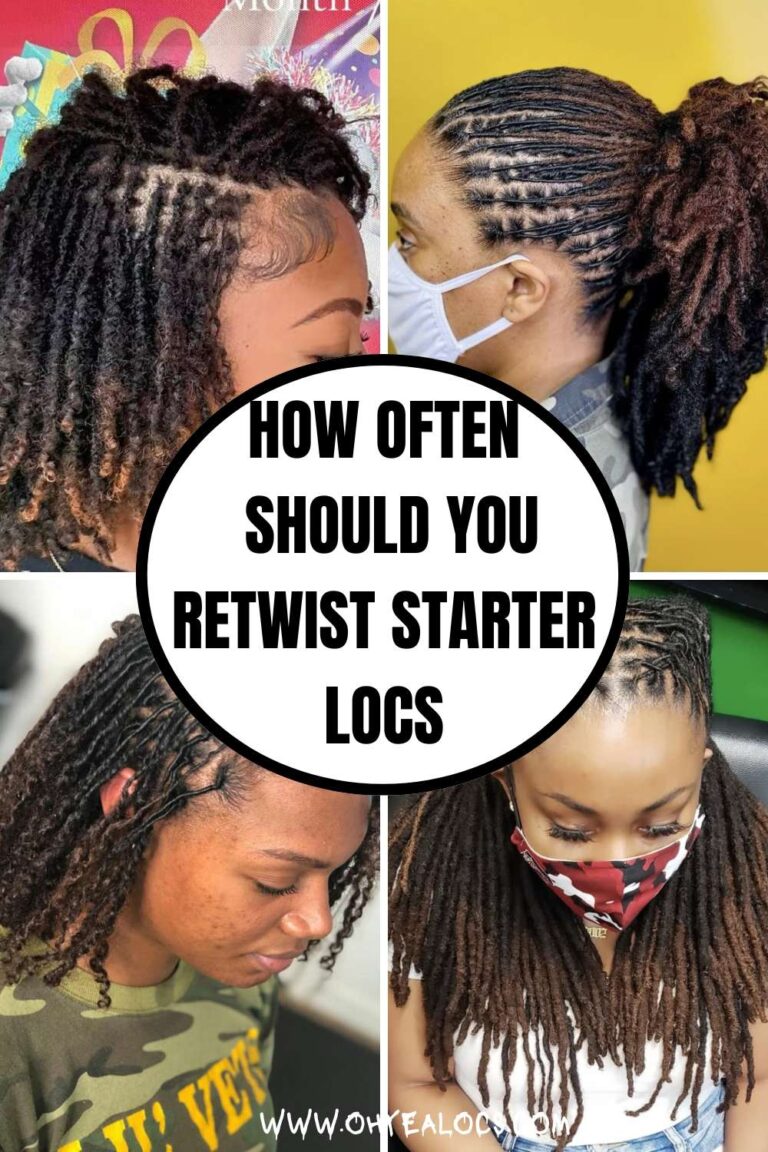
•Starter Locs
Starter locs are fragile and more prone to dryness because the hair isn’t fully compacted yet.
How Often to Moisturize Starter Locs
Every 1–2 days, using light sprays
Tips for Moisturizing Starter Locs
-Avoid heavy oils that cause buildup
-Focus on scalp hydration
-Don’t oversaturate sotovoid unraveling
Gentle, lightweight moisture is best at this stage.
•Mature Locs
Mature locs are stronger and better at holding moisture.
How Often to Moisturize Mature Locs
•2–3 times per week for most people
•Increase frequency if you notice dryness
Signs Your Mature Locs Are Well-Moisturized
-Soft but firm texture
-Natural shine
-Minimal breakage
As locs mature, quality matters more than frequency.
Signs You’re Not Moisturizing Your Locs Enough
The truth remains that dry locs don’t stay unnoticed; they often show clear signs. These signs include:
-Dull, lifeless appearance
-Excessive breakage or thinning ends
Come back to this: Common locs problems and how to fix them
-Constant scalp itchiness
-Flaky or tight-feeling scalp
If your locs always feel dry no matter how much oil you use, chances are they need more water, not more oil.
Signs You’re Over-Moisturizing Your Locs
Yes, too much moisture is also a problem. Here are some of the signs:
-Product buildup inside locs
Bookmark this: How to get rid of lints in locs (without damaging them)
-Persistent odor even after washing
-Mushy or overly soft locs
-Slow drying time
As good as moisturizing is, over-moisturizing can do more harm than good. Balance is key.
So, what’s the best way to moisturize locs?
The Best Way to Moisturize Locs (A Simple Routine)
Here’s a simple routine you can adapt to your hair type:
Step 1: Start With Water
-Lightly mist locs with water or a water-based spray
-Focus on mid-lengths and ends
Step 2: Seal (Optional)
-Use a light oil like jojoba or grapeseed
-Apply sparingly, especially on mature locs
Step 3: Protect
-Cover locs at night with a satin or silk scarf
-Avoid cotton pillowcases
Step 4: Adjust as Needed
-Increase frequency during dry seasons
-Reduce if buildup appears
This routine works best when followed consistently.
Read more here: How to care for your locs the right way
Common Loc Moisturizing Mistakes to Avoid
-Using oil as a moisturizer
-Copying someone else’s routine without considering hair type
-Applying thick creams too often
-Ignoring scalp hydration

-Moisturizing without cleansing regularly
Healthy locs require both moisture and cleanliness.
More on this: Common mistakes to avoid when locking your hair
Final Thoughts
Moisturizing your locs isn’t about strict rules or copying someone else’s routine – it’s about learning to listen to your hair. Your hair type, porosity, environment, and loc stage all work together to determine what your locs truly need.
When you understand the difference between water and oil, pay attention to how your locs feel, and adjust your routine as seasons and lifestyles change, moisture care becomes simple and intuitive.
Healthy locs aren’t drenched every day, and they aren’t left to fend for themselves either. They’re consistently hydrated, lightly sealed, and properly cleansed.
When moisture is balanced, your locs will tell the story with shine, strength, softness, and steady growth.
So instead of asking, “How often should I moisturize?” start asking, “What are my locs telling me today?” That awareness is what keeps locs healthy for the long haul.
Recommended for you: Starter locs mistakes that can ruin your locs journey
Frequently Asked Questions (FAQs)
1. Can I moisturize my locs without spraying them with water?
Yes, but it’s not ideal. While some leave-in sprays contain water as the first ingredient, truly effective moisturizing always involves water in some form. Skipping water entirely often leads to surface shine without real hydration.
2. Should I moisturize my locs before or after retwisting?
It’s best to moisturize lightly before retwisting so your locs are hydrated and flexible.
3. Does moisturizing help locs grow faster?
Moisture itself doesn’t speed up growth, but it supports length retention. Well-moisturized locs break less, which makes your hair appear to grow faster over time.
4. Can I moisturize my locs if I have dandruff or scalp issues?
Yes, but be mindful of product choice. Use lightweight, water-based sprays and avoid heavy oils on the scalp. If flakes persist, focus on regular cleansing and treat the scalp condition first before increasing moisturizing frequency.
5. Is it okay to moisturize locs after washing without sealing?
Absolutely. Sealing is optional. Some locs, especially low-porosity or mature locs, retain moisture well without oils. If your locs stay soft and hydrated, sealing may not be necessary.
6. Should children’s locs be moisturized differently?
Yes. Children’s locs typically need lighter products and simpler routines. Plain water or mild water-based sprays applied a few times a week are often sufficient, with minimal oil use.
7. Can I moisturize locs while wearing protective styles or wigs?
Yes, and you should. Protective styles can actually increase dryness. Use a spray bottle to lightly mist your locs and scalp, focusing on areas covered for long periods.
8. Does hard water affect how often I need to moisturize my locs?
Yes. Hard water can leave mineral buildup on locs, making them feel dry and resistant to moisture. If you use hard water, you may need clarifying washes and more intentional moisturizing.
9. Should I change my moisturizing routine during pregnancy or postpartum?
Hormonal changes can affect scalp oil production and hair texture. If your locs suddenly feel drier or heavier, adjust your routine gradually rather than sticking rigidly to your old schedule.
10. Can over-moisturizing cause loc thinning over time?
Yes. Excessive moisture, especially when combined with buildup and poor drying, can weaken loc structure and contribute to thinning.
24 Comments