
Do Comb Coils Lock Faster? Honest Truth from the First 90 Days
Disclosure: Some of the links in this post are affiliate links. This means if you click on the link and purchase an item, I will receive an affiliate commission at no extra cost to you. All opinions remain my own. I only recommend products or services I believe will add value to my readers.
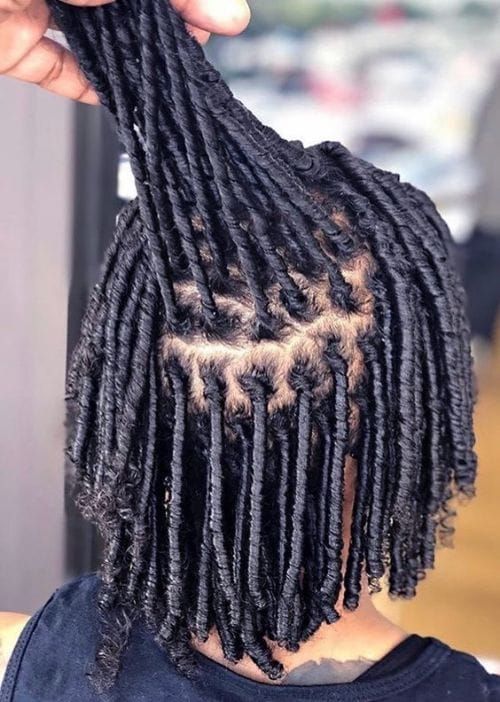
There’s something satisfying about neat, defined sections transforming into mature, beautiful locs. You see them on others and you just fall in love with them. And if you desire to grow locs too, you secretly hope yours will form that way.
If you plan to start your loc journey, chances are you’ve been thinking about comb coils. You might even be wondering: do they actually speed up the process? Or is it all hype?
While comb coils are a popular starter method, the truth about locking isn’t as simple as “twist here, and voila, instant locs.” There’s more to having perfectly locked hair.
In this guide, we’ll break down how comb coils develop into mature locs, what to expect in the first 90 days, and how to take care of your hair so your loc journey is smooth, healthy, and enjoyable.
Let’s dive right in!
What Are Comb Coils?

First off, let’s clear the air. Comb coils are a method of creating starter locs by twisting small sections of hair with a comb to form neat coils. Each coil forms a “starter loc” that will eventually mature into a full loc over time.
The beauty of comb coils is the uniformity. Your hair looks neat right from the start, and sections are well-defined. That said, it’s important to emphasize that comb coils are no magic. They won’t make your hair lock faster than it naturally would.
Comb coils are different from twists, interlocking, and two-strand twists. Twists involve simply intertwining two strands of hair. While interlocking uses a tool to pull the hair through the base of the loc, often to maintain neatness.
Comb coils, on the other hand, create small spirals at the root and along the hair shaft, giving an immediate polished look. This is why many people think comb coils “speed things up” but that’s mostly a visual illusion.
More posts you’ll love: What are Siserlocks? Everything Beginners Need To Know
How Hair Actually Locs
If you want to understand why comb coils don’t necessarily make your hair lock faster, it helps to understand the natural locking process. Hair locks through a combination of tangling, matting, and friction. Over time, individual strands wrap around each other, forming knots and small buds. Eventually, these knots tighten into mature locs.
As you can see, twisting or coiling your hair doesn’t actually speed up the matting. What it does do is give your hair structure, making it look neat while the natural locking process quietly unfolds beneath the surface.
Think of it like planting a seed in a pot: Twisting is like shaping the soil around the plant. That might keep things tidy, but it won’t make the seed grow faster. Growth still happens at its own pace.
Read this guide: How to prepare your hair before locking
Do Comb Coils Make Hair Lock Faster?

@Curly Craze | Protective & Natural Hairstyles |
Here’s the truth: comb coils don’t accelerate the locking process. What they do is help guide your hair into neat sections, reduce tangles, and create the appearance of progress. That neat look can make it seem like your hair is locking faster than it actually is but in reality, your hair is following its natural timeline.
Learn more here: Everything you need to know before starting your locs journey
Now, let’s burst some common misconceptions about Comb Coils:
Myth 1: Comb coils lock hair in a few weeks
Reality: Hair locks according to its natural texture, thickness, and care, regardless of the method used.
Myth 2: Daily twisting makes hair lock faster
Reality: Over-manipulating your hair can actually slow down healthy locking and increase breakage.
Myth 3: Short hair can’t start comb coils
Reality: You can start with short hair, but results may be uneven and unravel quickly, if the hair is too short.
Myth 4: Daily retwisting helps
Reality: Over-twisting can damage hair and slow the locking process.
Myth 5: Water delays locking
Reality: Moisture is essential. Too little can cause dryness, breakage, and slower matting.
No doubt, Comb coils are fantastic for styling and structure, but they won’t turn weeks into days. Patience remains key.
Here’s what to expect with Comb coils:
The First 90 Days
The first three months of your loc journey can be confusing, especially if you start with comb coils. Here’s what typically happens:
•Days 1–30: The Illusion Stage
Immediately after starting comb coils, your hair looks polished, uniform, and neat. You might feel like your locs are already forming. Don’t throw a party yet; this is mostly visual. Hair will often begin to loosen or unravel slightly after a few days.
This stage can be frustrating, especially if you expected instant results.
•Days 31–60: The Confusion Stage
Frizz starts to appear, coils may look uneven, and some sections begin budding while others seem unruly. This is a completely normal stage. Hair is forming knots under the surface, and you might even question if comb coils were worth it. They really are. Your hair is just finding its rhythm.
•Days 61–90: Budding Begins
Around the third month, you’ll notice real locking. Small bumps or “buds” appear at the root, and coils begin to feel firmer.
This stage is exciting because that’s when the magic really begins. Your neat sections are transforming into the foundation of mature locs.
See this guide: Starter Sisterlocks: What to Expect in the First 6 Months
Tips for surviving the first 90 days:
•Don’t over-manipulate your coils – gentle care is better than constant twisting.
•Moisturize lightly – too much product can weigh hair down.
•Protect your hair at night with a satin scarf or bonnet.
Inasmuch as your starter method contributes to how your locs turn out, the truth remains that hair texture matters more than method.
One of the biggest myths about comb coils is that it helps your hair lock faster. The reality? Hair texture is the true game-changer.
Coarse or kinky hair tends to lock faster due to natural friction and shrinkage.
Fine or loosely curled hair on the other hand takes longer because strands have less friction and may slip out of coils more easily.
Pin this: What to expect in the first 3 months of your locs journey
Here’s what that really means:
Two people using identical comb coil techniques may have completely different timelines, if they have different hair types – which of course is likely to be the case.
This explains why understanding your hair texture helps set realistic expectations and keeps you patient through the early stages of your loc journey.
Comb Coils vs Other Starter Methods
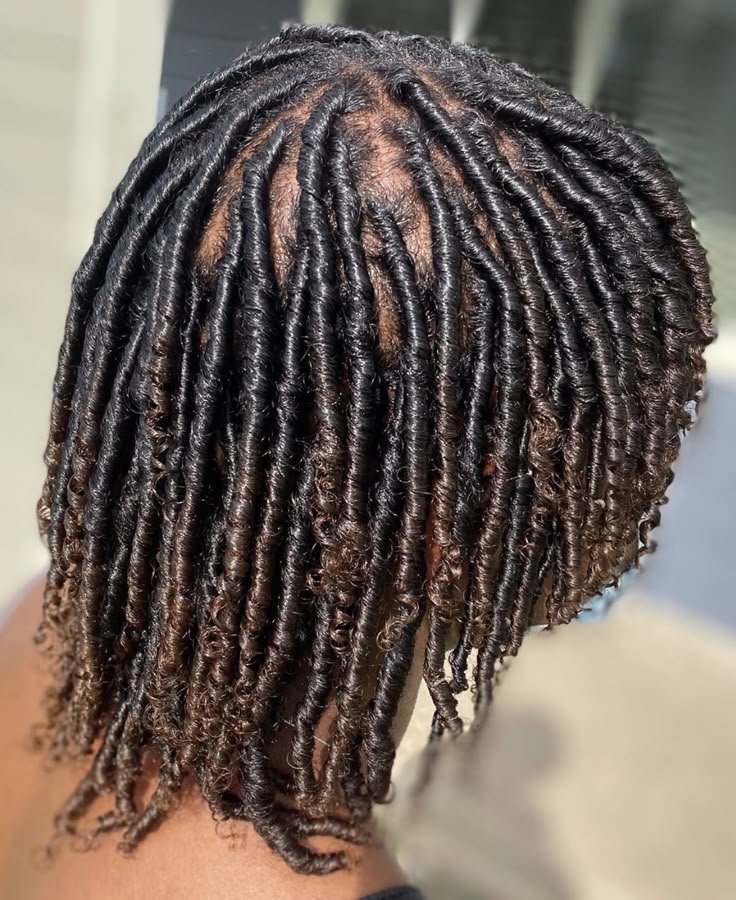
Comb coils are just one method among many. Let’s make a quick comparison between them and other methods.
•Two-Strand Twists
-Hair is divided and twisted in pairs.
-Easier for longer hair.
-Can unravel quickly if not maintained.
•Interlocking
-Hair is pulled through the base of the loc using a tool.
-Reduces frizz and maintains neatness.
-Often requires professional help.
•Freeform / Semi-Freeform
-Hair is left largely untouched to lock naturally.
-Creates a more organic, textured look.
-Takes longer to mature.
It’s important to note that each method has its strengths. Comb coils are great for structure and neatness but aren’t a shortcut. Your hair type and care routine matter more than the method you choose.
Bookmark this: Different methods of starting locs
Washing, Moisturizing, and Maintenance of Comb Coils
We can’t overemphasize the importance of good maintenance; it helps locs mature healthily – but it doesn’t make them grow magically faster.
•Washing
Wash starter comb coils every 1–2 weeks.
Use residue-free shampoos to prevent buildup that can slow locking.
•Moisturizing
Light oils like jojoba or coconut prevent breakage without weighing hair down.
Avoid over-saturating coils, especially in the first 90 days.
•Handling
Gentle palm-rolling or interlocking of roots is enough. Avoid excessive retwisting. It stresses the hair and can lead to thinning.
See this: How to care for your locs the right way
Common Mistakes that Slow Locking:
-Over-manipulation of coils
-Heavy creams and gels that weigh hair down
-Sleeping without protection (like a satin scarf)
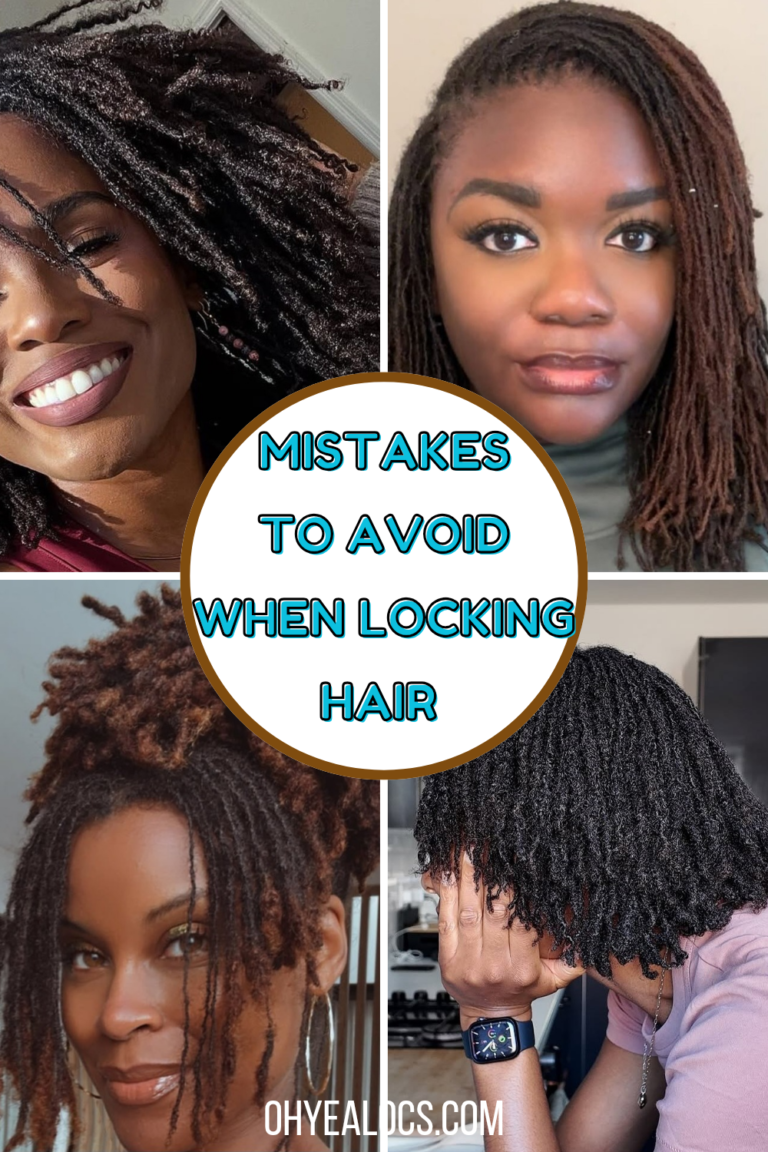
See this: Common mistakes to avoid when locking your hair
Now, let’s talk about one question people commonly:
Can Short Hair Start Comb Coils?

Short hair can technically start comb coils, but there are a few caveats:
•Minimum length: Ideally 2–3 inches.
•Risks: Coils may unravel quickly, and hair is more prone to breakage.
•Alternatives: For very short hair, finger coils, two-strand twists, or freeform locs are often safer until your hair grows a little longer.
DIY Comb Coils
The fact remains that not everyone can see a loctician, and comb coils are one of the easier starter methods to do at home.
Here’s what you need:
-Tools & Products
–Wide-tooth comb for sectioning
-Rat-tail comb for precision
-Light styling cream or oil
Steps for Comb Coils DIY
-Wash and condition your hair thoroughly.
-Divide hair into uniform sections.
-Coil each section with the comb method.
-Lightly moisturize and cover hair at night.
Here’s what to expect: DIY results may be less uniform than professional styling.
However, avoid twisting too tightly as gentle coils prevent breakage.
Final Thoughts
So, do comb coils lock faster? Not really. What they do is give your hair a neat, structured starting point while the natural locking process takes its course. The real factors that determine how quickly your locs mature are your hair texture, length, and how gently you care for them – not how often you twist or retwist.
The first 90 days are less about speed and more about patience. Frizz, loosening, and uneven coils are normal signs of progress, not problems to fix. If you choose comb coils, choose them for their organisation and simplicity, not as a shortcut.
Healthy locs don’t come from rushing the process – they come from consistency, care, and time.
If you liked this, check this: Best starter loc method for soft hair
FAQs About Comb Coils and Starter Locs
1. Can comb coils unravel, and should I worry?
Yes, it’s normal for comb coils to loosen in the first few weeks. This doesn’t mean failure; your hair is just finding its natural lock pattern.
2. How often should I wash comb coils in the first 3 months?
Every 1–2 weeks is usually sufficient. Too frequent washing can loosen coils, while too little can cause buildup.
3. Can I start comb coils on very short hair?
Technically yes, but results may be uneven. Short hair is more prone to unraveling and breakage. Alternatives like finger coils or twists may be safer.
4. Do comb coils prevent frizz?
They can reduce early frizz by keeping sections neat, but frizz is part of the natural locking process.
5. Will comb coils lock faster than two-strand twists?
Not necessarily. Locking speed depends on hair texture and maintenance, not the method. Comb coils offer neatness, not speed.
6. Should I retwist daily to speed up locking?
No. Over-manipulation can stress the hair and slow down healthy loc formation. Gentle maintenance is best.
7. What products are safe for comb coils?
Light oils, residue-free shampoos, and minimal styling cream work best. Heavy gels can weigh hair down.
8. How do I protect comb coils at night?
Use a satin or silk scarf, bonnet, or pillowcase to reduce friction and breakage.
9. When do I know my comb coils are really starting to lock?
Around 60–90 days, you’ll notice budding at the roots, tighter coils, and reduced unraveling.
10. Can I DIY comb coils at home?
Yes, with the right tools and patience. Start gently and manage expectations. Professional results may be neater, but DIY is doable.




2 Comments