Worst Starter Loc Method for Beginners
Starting your locs journey can be so exciting. You picture healthy, mature locs framing your face, growing stronger with time, and telling your hair story beautifully. But for many beginners, that dream is often cut short. Not because growing healthy locs is hard, but because they chose the wrong starter loc method.
Here’s the thing: not all starter loc methods are beginner-friendly. Some unravel constantly. Others cause thinning, breakage, or grow into uneven locs that may be difficult to correct later.
Unfortunately, many people realise this only after months of wasted effort and frustration.
This guide will save you: 10 things you should never do to your starter locs
In this guide, we’ll break down the worst starter loc methods for beginners, why they fail, who they are worst for, and how to avoid regret on your loc journey.
Let’s jump right in!
Why Choosing the Wrong Starter Loc Method Is a Problem
Starter locs set the foundation for your entire loc journey. Once your hair begins to lock, reversing mistakes becomes difficult or sometimes, impossible without cutting or restarting.
When beginners choose the wrong method, they often experience:
-Constant unraveling and frizz
-Weak or thinning roots
Come back to this: 23 things you should never do to your locs
-Uneven loc sizes
-Slow or stalled locking
-Excessive manipulation that damages hair
What makes it worse is that many beginners assume these issues are “normal”, when in reality, they are signs of a poor starter loc choice.
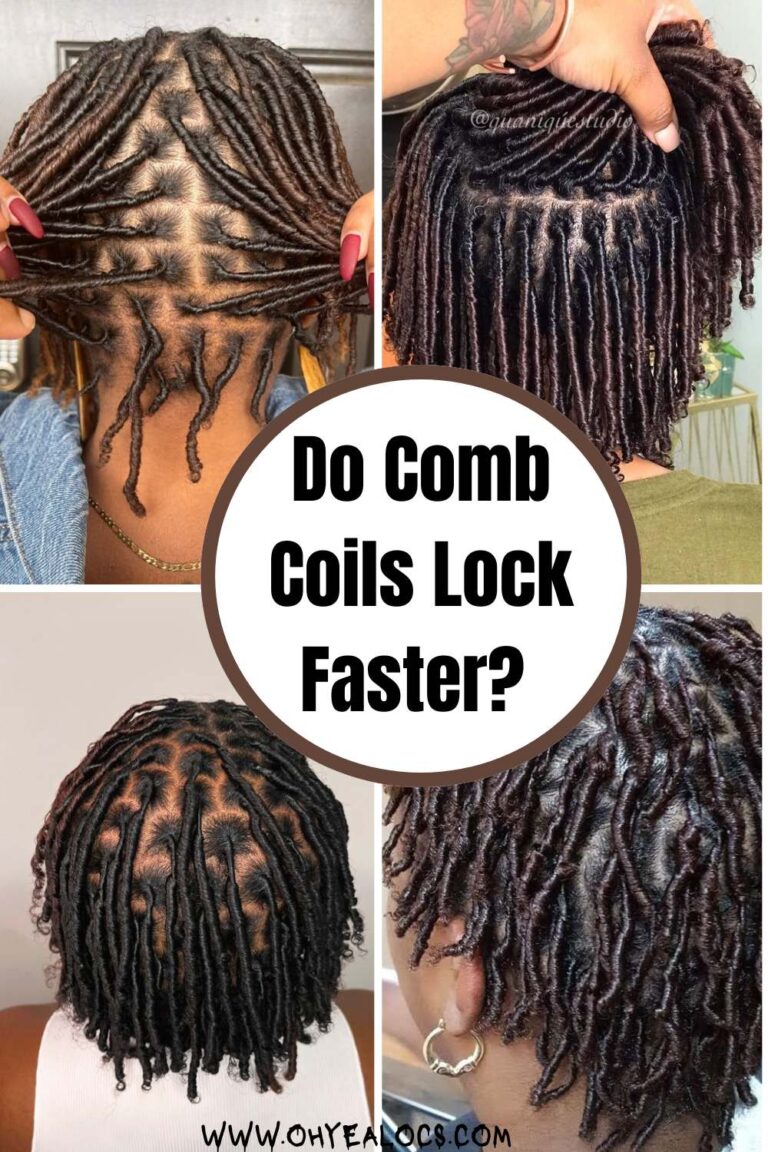
Pin this: Different methods of starting locs
What Makes a Starter Loc Method the Worst?
A starter loc method becomes “bad” when it doesn’t support the early, fragile stages of loc formation.
The worst starter loc methods for beginners usually display these traits:
-They unravel easily, especially on soft or fine hair
-They require frequent retwisting or manipulation
-They place too much tension on the roots
-They don’t encourage consistent locking
-They are trend-driven rather than hair-appropriate
On the contrary, beginners need stability, not aesthetics alone. A neat look that doesn’t last will eventually cost you more time, effort, and patience.
Remember this guide: 10 things I wish I knew before I started my locs
Worst Starter Loc Methods Beginners Should Avoid
Let’s be clear on this: no loc method is universally bad. However, some methods are simply unsuitable for beginners, especially without professional guidance.
Here are some of them:
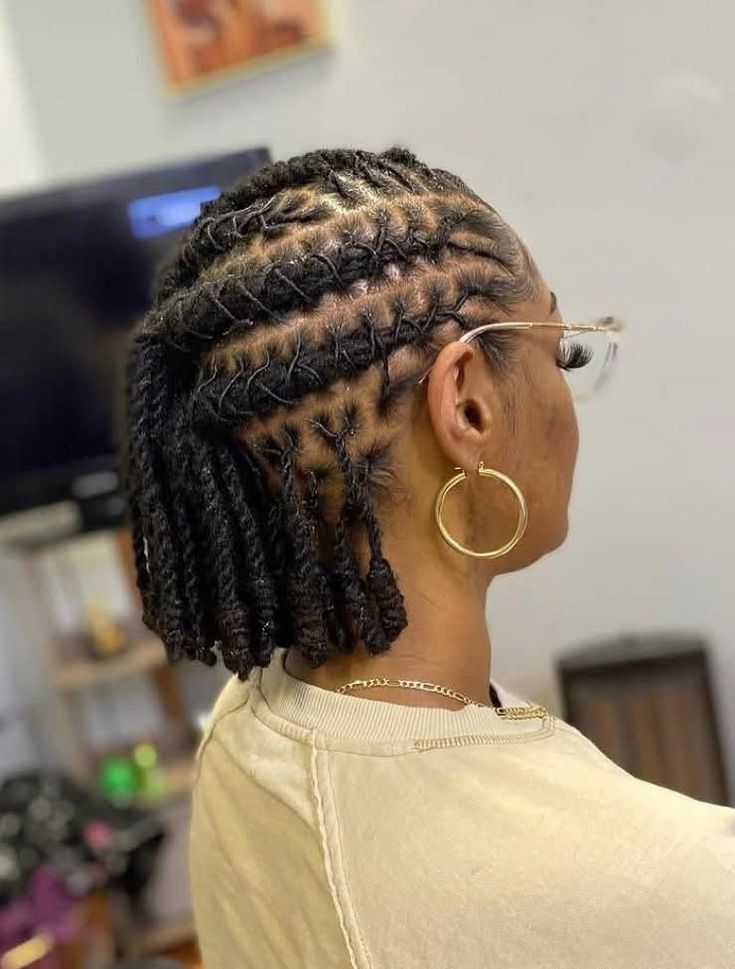
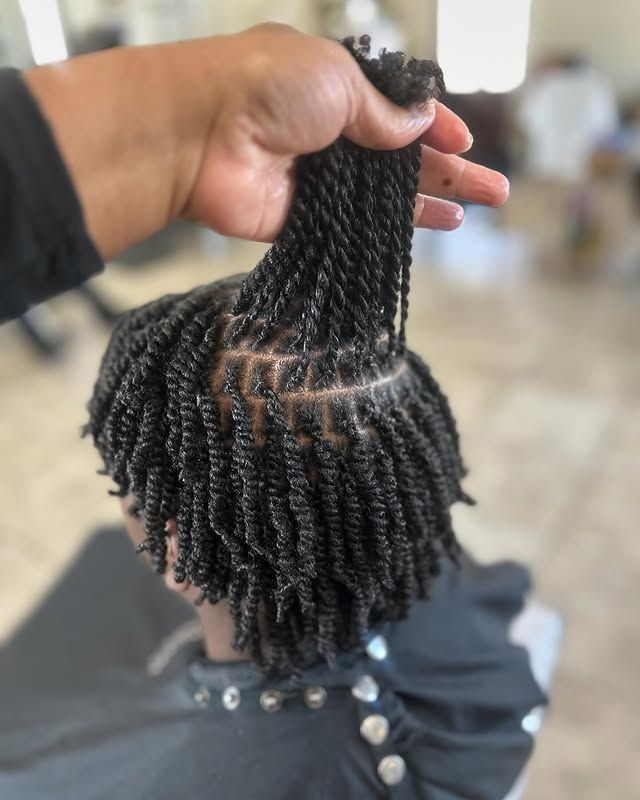
•Two-Strand Twists on Soft or Fine Hair
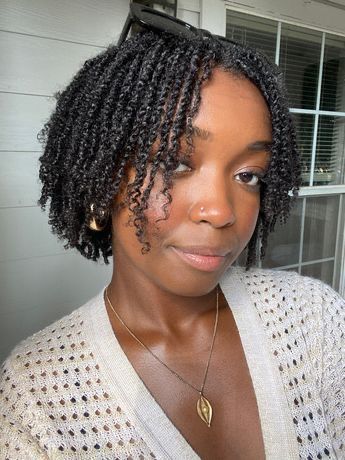
Two-strand twists are one of the most common starter loc methods and also one of the most problematic for beginners.
Why they fail beginners:
-They unravel easily, especially after washing.
-Soft hair struggles to hold the twist pattern.
-Frequent retwisting causes thinning at the roots.
-Beginners often over-manipulate them
trying to “fix” frizz.
Two-strand twists may work for coarse textures, but for beginners with soft or fine hair, they are often one of the worst starter loc methods.
•Braids as Starter Locs
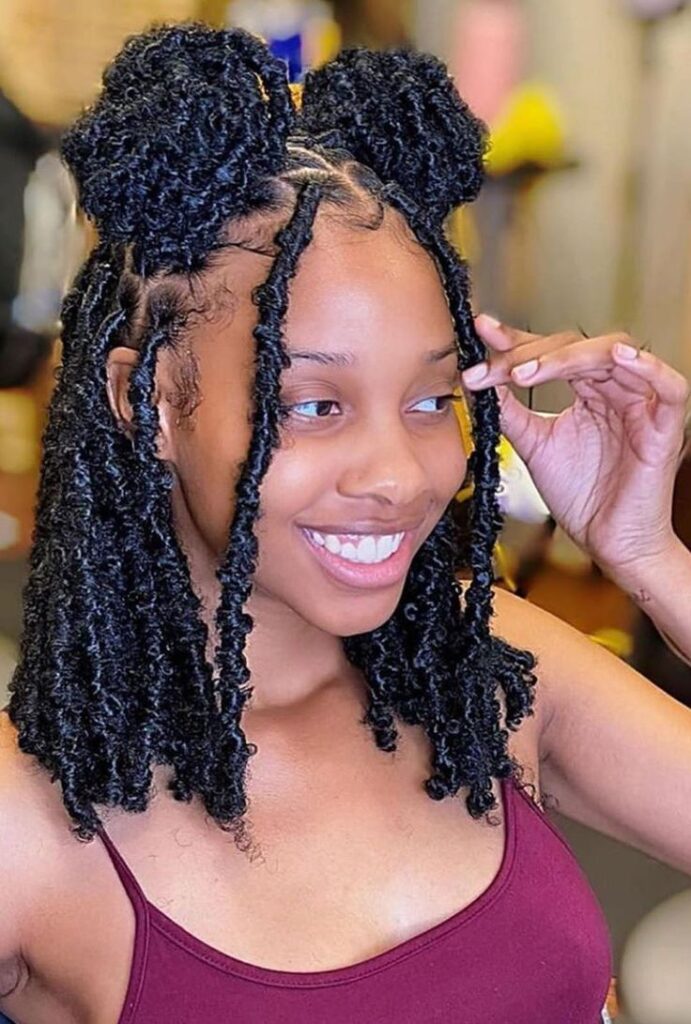
Braids seem secure, so beginners often assume they are a safe option. Unfortunately, they come with long-term drawbacks.
Why braids are problematic:
-Hair takes longer to lock from a braided pattern
-Locs often become bumpy or uneven
-The braid pattern can remain visible for years
-Transitioning from braid to loc can look awkward
While braids may feel low-maintenance initially, many beginners regret them once maturity sets in.
•Freeform Locs for Beginners Without Patience

Freeform locs are often misunderstood. They appear “low effort” but they require patience, confidence, and acceptance.
Why freeform locs are hard for beginners:
-Lack of structure leads to uneven loc sizes
-Hair may matt in unwanted areas
-Beginners struggle with the messy phase
-Maintenance confusion causes unnecessary manipulation
Even though free-forming is a personal choice, for beginners expecting neatness and control, it often becomes a source of frustration.
•Interlocking as a Starter Method
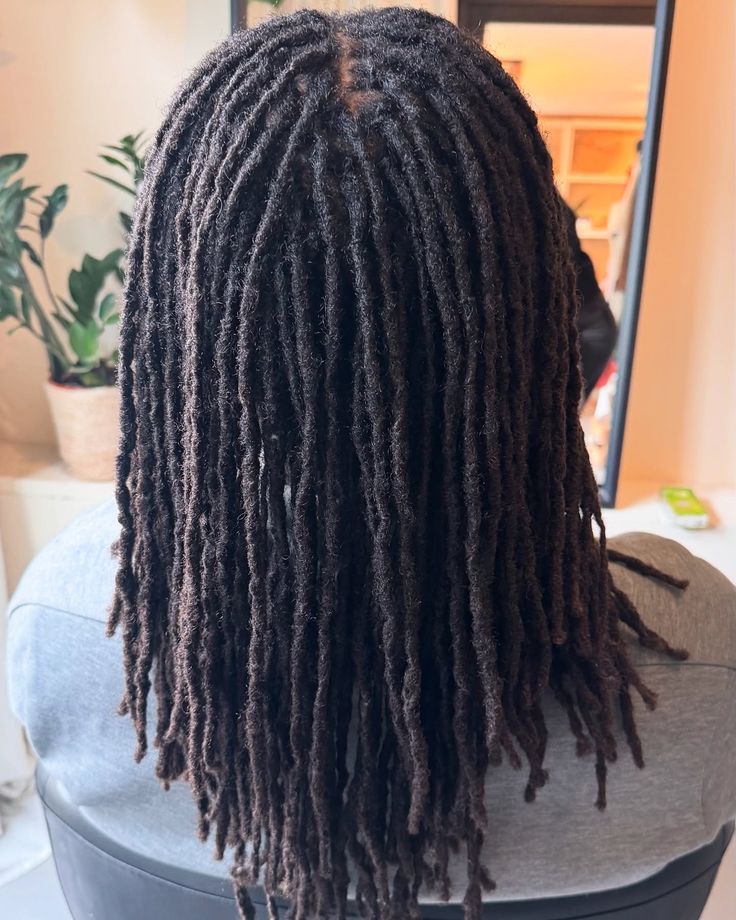
Starting your loc with interlocking can be helpful but not for most beginners.
Here’s why interlocking is risky:
-Excessive interlocking causes thinning and weak roots
-Beginners often interlock too frequently to get the perfect look.
-Tension at the scalp can lead to breakage
-Mistakes tend to be difficult to correct
Without professional guidance, interlocking is one of the most damaging starter loc methods for beginners.
•Large Sections Without Proper Parting
This mistake doesn’t get enough attention, but it causes long-term regret.
Why poor sectioning ruins locs:
-Leads to uneven loc sizes that cannot be corrected later
-Difficulty in styling mature locs
-Causes regret once locs thicken and mature
Sadly, too many beginners rush this stage, not realising that parting is permanent.
Worst Starter Loc Methods by Hair Type
When it comes to starting your locs, hair texture matters more than trends. You don’t want to invest your energy only to realize that you started the wrong way.
Worst Starter Loc Methods for Soft Hair
Unlike coarse hair, soft hair is a very delicate type of hair. Choosing the wrong starter method could cost you precious time and effort.
Here are some wrong starter methods for soft hair:
•Two-strand twists
•Loose coils
•Freeform without guidance
Soft hair needs structure and minimal manipulation.
Read This: How to start your locs journey the right way
Worst Starter Loc Methods for Fine Hair
It’s important to understand that soft hair and fine hair are not the same. Fine hair is characterised by individual strands that are thin in diameter, making them delicate, lightweight, and often more prone to breakage or damage.
Here are some wORST starter LOC methods for fine hair:
•Interlocking
•Tight twists
•Over-retwisting
They are wrong choices because fine hair is fragile and prone to thinning once too much pressure is exerted on the hair.
Worst Starter Loc Methods for Loosely Textured Hair
Loosely textured hair refers to hair that has a soft, gentle curl or wave pattern, often appearing fine, silky, or slightly wavy rather than tightly coiled or kinky.
Here are the wrong starter methods for loosely textured hair:
•Braids
•Freeform starts
•Large sections
Due to their fragile nature, loosely textured hair requires intentional locking support.
Now, let’s talk about some telltale signs that often reveal that someone has chosen the wrong starter method.
Recommended for you: Everything you need to know before starting locs
Signs You Chose the Wrong Starter Loc Method
If you’re experiencing any of these, your starter loc method may be the problem:
-Your locs unravel every time you wash
-You retwist constantly just to look “presentable”
-Your roots feel thin or weak
-Your scalp feels sore or tight
-Some locs are locking well while others are not.
These are not “normal beginner struggles” rather, they are warning signs.
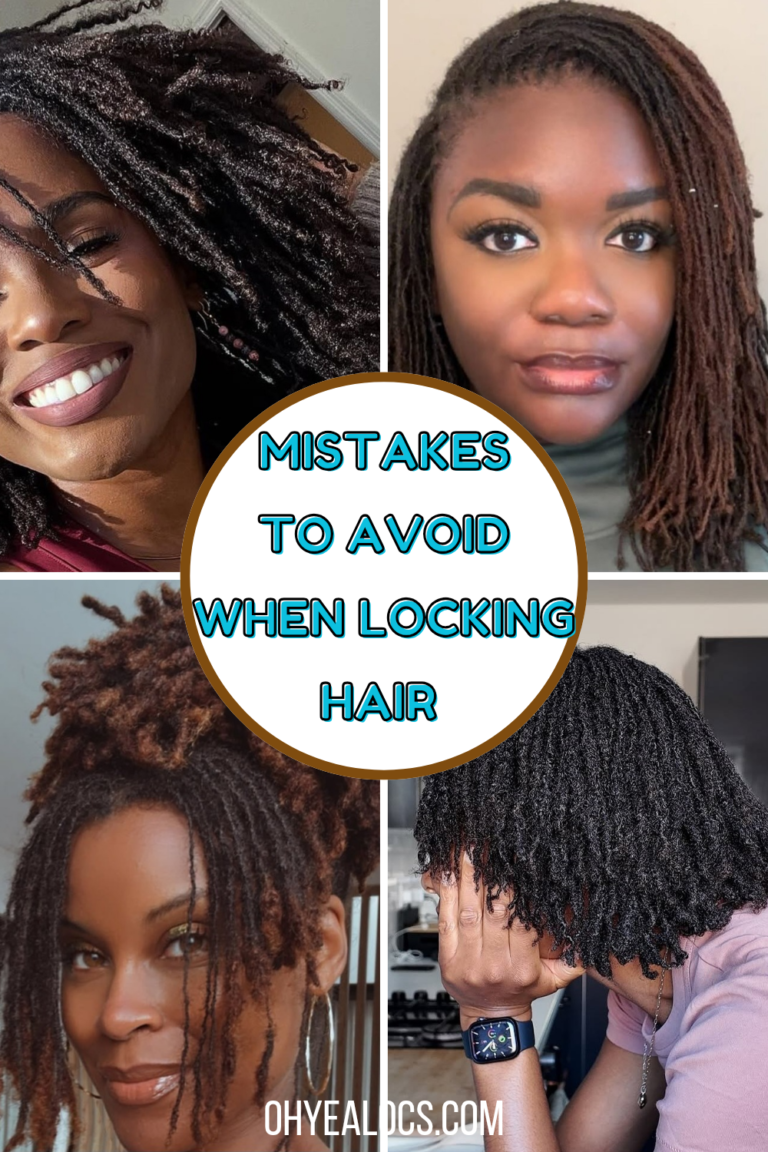
Learn from this guide: Common mistakes to avoid when locking your hair
Common Reasons Beginners Regret Their Starter Loc Method
Most regrets come from:
-Following social media trends
-Choosing neatness over longevity
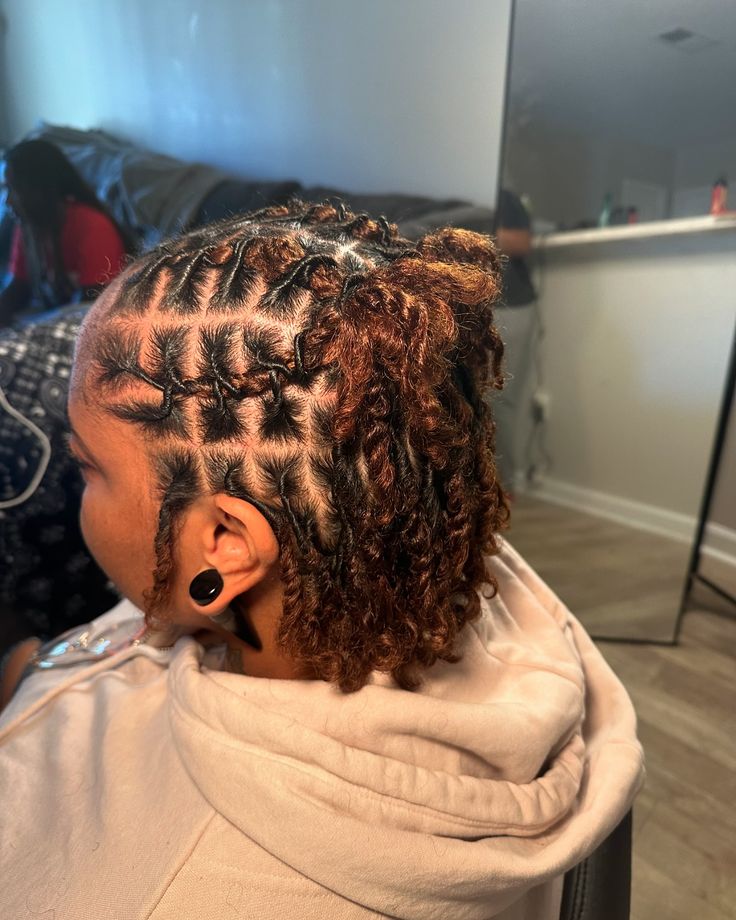
-Not understanding their hair type
-Skipping professional consultation
-Expecting instant maturity
There is no shortcut. Locs reward patience and informed decisions.
Check this out: Common locs problems and how to fix them
Better Alternatives to the Worst Starter Loc Methods
Instead of choosing a starter method that could lead to regret, beginners should focus on methods that:
-Encourage gradual locking
-Require minimal manipulation
-Support scalp health
-Match hair texture
While this article focuses on what to avoid, the best starter loc method is always the one your hair can sustain long-term.
How Beginners Can Choose the Right Starter Loc Method
Before choosing a starter method, ask yourself:
-Is my hair soft, fine, or dense?
-How much maintenance can I realistically handle?
-Do I want small, medium, or thick locs?
-Am I willing to trust the process?
When you are in doubt, consult a professional loctician. This can save you months – even years – of frustration.
Pin this guide: How to start your locs journey the right way
Final Thoughts
Inasmuch as starting locs is an exciting journey, it’s also a commitment that requires patience, planning, and an honest understanding of your hair.
The starter method you choose is the foundation for every stage of your loc journey. Get it wrong, and it can lead to frustration, breakage, and uneven locs that can be difficult to correct.
The key takeaway is this: there is no “one-size-fits-all” method. What works for someone else may not work for your hair type, texture, or lifestyle.
Finally, don’t underestimate the value of professional guidance. A skilled loctician can help you identify the method that will support healthy, strong locs from day one, saving you months – or even years – of trial, error, and regret.
Growing locs is already challenging. Make the journey easier by choosing a starter method that best suits your hair.
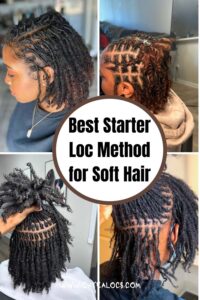
If you liked this, see this: Best starter loc method for soft hair
Frequently Asked Questions
1. Can I combine different starter methods for better results?
Yes, some people mix methods to suit their hair type or desired loc size. However, consistency is key. Too many methods can cause uneven locking and longer maturation.
2. How do I know when my locs are “mature”?
Mature locs are thick, fully formed, and don’t unravel at the roots. The timeframe varies by hair type and starter
method – anywhere from 12 to 24 months.
3. Is it okay to switch starter methods mid-journey?
It’s possible but tricky. Switching methods too early can stress the hair and scalp, cause uneven locs, or force a restart if not done carefully. Professional guidance is recommended.
4. How does hair density affect the best starter method?
Thicker hair can often handle twists, braids, or interlocking with less risk of unraveling, while low-density or fine hair benefits from methods that minimise tension and manipulation.
5. Will washing my starter locs damage them?
Proper washing won’t damage locs, but using heavy manipulation, harsh shampoos, or excessive retwisting during washing can cause unraveling or thinning, especially in the early stages.
6. Can products help prevent starter locs from unraveling?
Yes, light gels, locking creams, or natural oils can support formation, but overuse can cause buildup and slow the locking process. Minimal, hair-type-appropriate products work best.
7. How long should I avoid styling or manipulating starter locs?
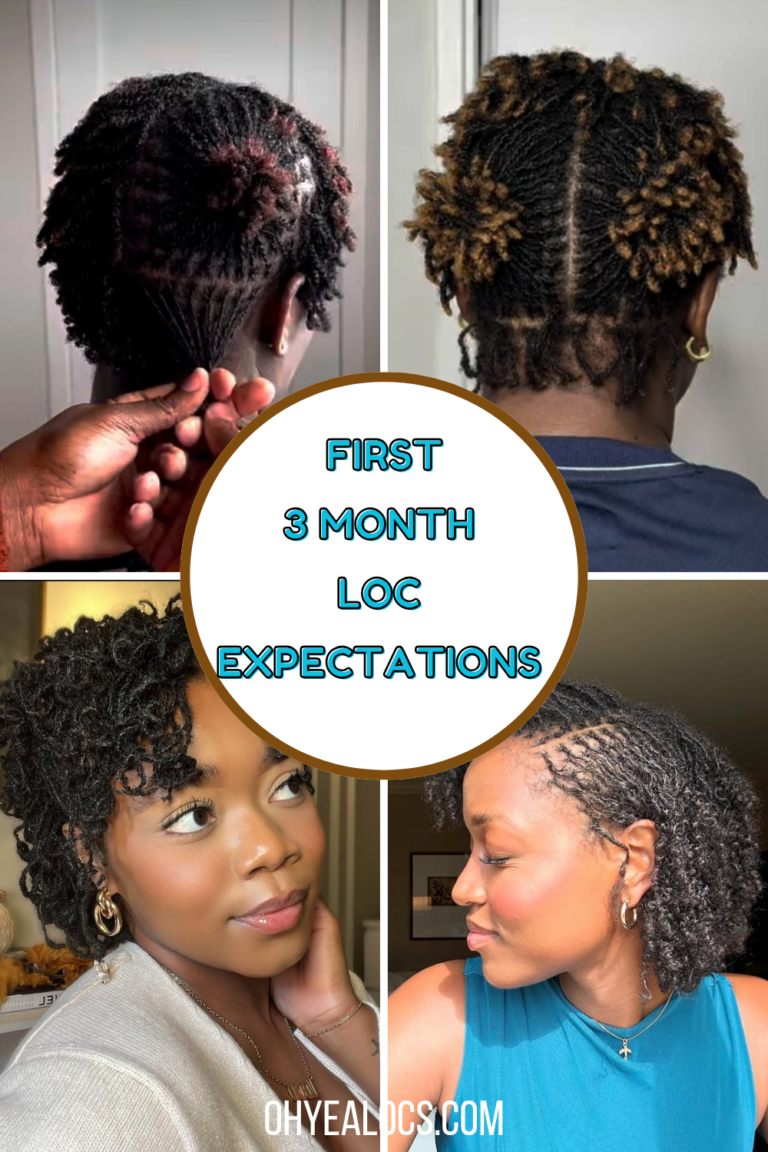
In the first 6–12 weeks, minimal manipulation is crucial. Overstyling too early can cause thinning, breakage, or uneven locs. Patience pays off.
8. Do starter methods affect loc thickness in the long run?
Yes. Your initial section size largely determines your loc thickness. Large sections create thick locs, while small sections produce thinner locs. Changing thickness later is possible but difficult.
9. Are there mistakes that can’t be corrected once the starter method is applied?
Yes. Poor sectioning, excessive tension, or choosing an unsuitable method for your hair type can cause permanent unevenness, weak roots, or hair loss.
10. How do I decide between a low-maintenance and a neat starter method?
Consider your lifestyle, patience level, and hair texture. Low-maintenance methods like freeform work for those who can accept a messy phase, while neat methods require more upkeep but offer instant control.