What to Expect in the First 3 Months of Your Loc Journey
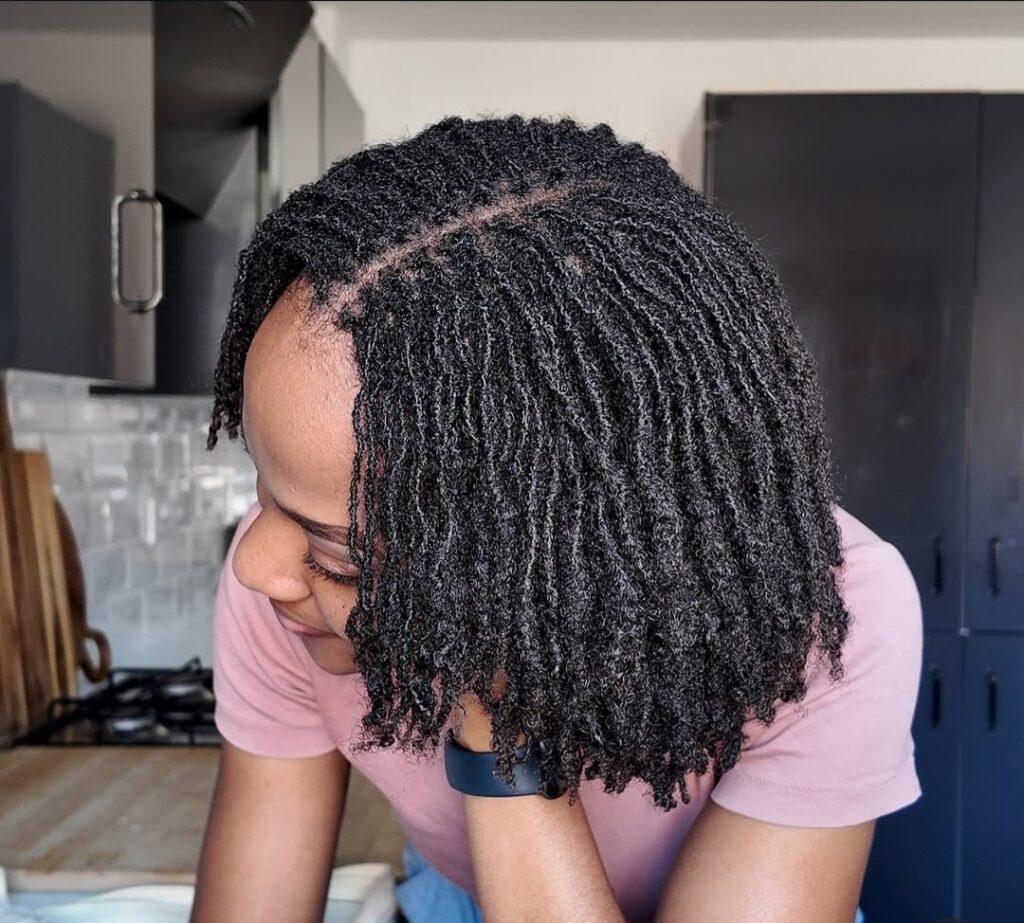
Starting locs is more than a hairstyle decision; it’s a transformation journey. For many people, it’s deeply personal, hence the excitement to get started. But beyond the excitement, growing locs is a journey that entails commitment and patience. The first three months are where the real test begins. It’s the initial stage when your hair slowly but consistently changes. Think of a rollercoaster kind of experience where you may fall in love with your locs on Monday and question everything by Friday. It happens to all of us.
But here’s the good news: everything you will experience in these early months is normal. Absolutely normal. And once you understand the process, you’ll find it easier to embrace every stage without stress.
Here are everything you need to know before getting locs.
Whether you’re getting locs for the first time or simply want to know what your child, friend, or that “weird” sibling with locs might be going through, this guide breaks down what to expect month by month, plus the common challenges and how to overcome them.
Let’s dive into it!
What to Expect in the First 3 Months of Your Loc Journey
Month 1: Starter Locs – A New Beginning
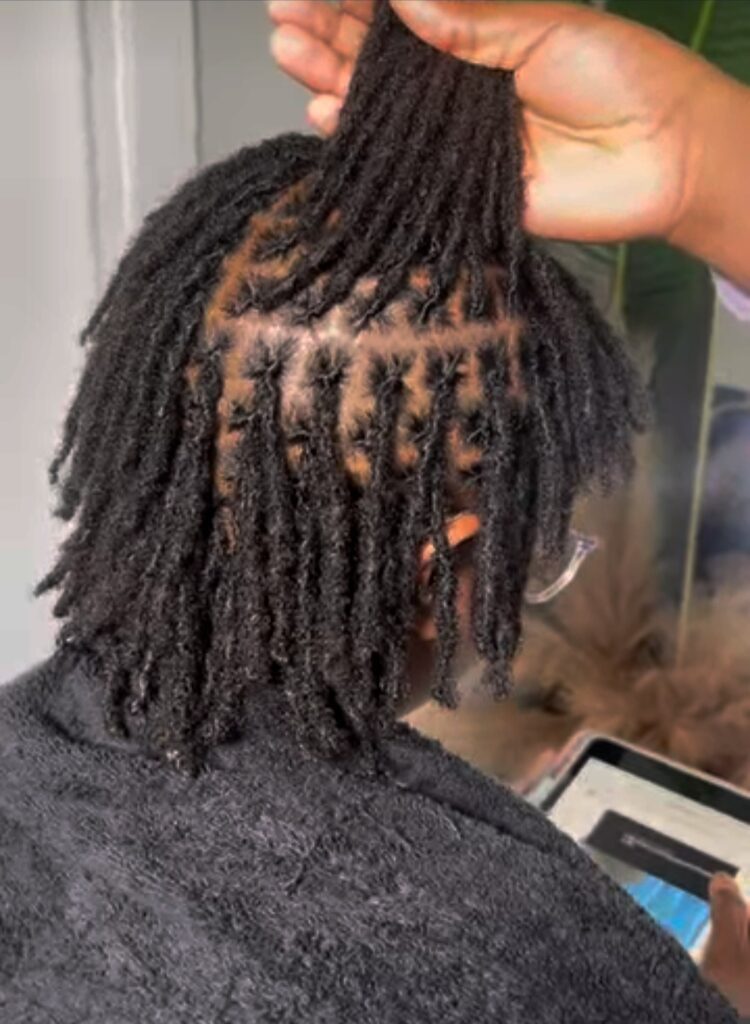
The very first month of your loc journey is filled with excitement. You’ll probably take plenty of pictures, admire your fresh parts in the mirror, and smile at how neat your hair looks. This stage is often called the baby locs phase because your hair is literally just starting to learn how to loc.
Think of it like the excitement that comes with having a newborn baby before the reality of childcare kicks in. (Any mother can relate.)
The same applies to growing locs. The initial excitement fades as you start noticing changes that could be confusing.
Related post: Starter locs vs traditional locs: which is right for you?
What to Expect in Month 1
1. Your locs will begin neat… then get frizzy
Don’t panic. Frizz is part of the journey. In fact, it is a sign that your natural hair is loosening slightly and preparing to mesh.
2. Some unravelling may happen
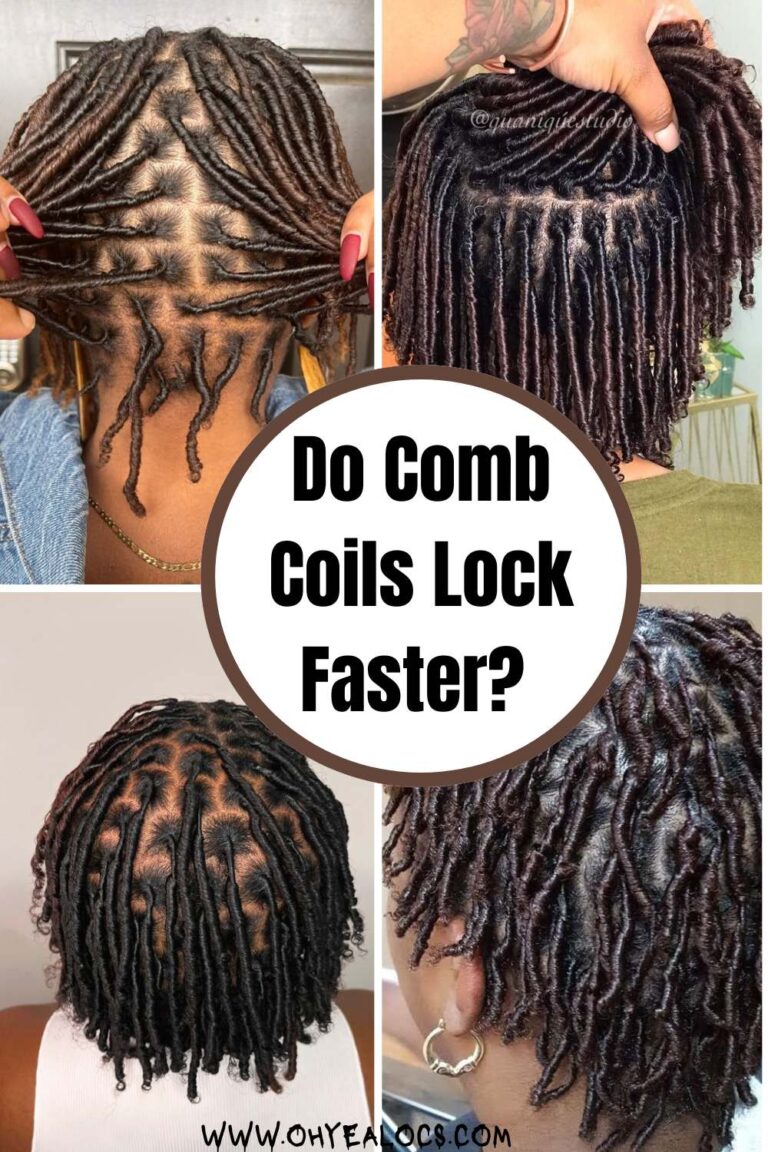
This is very common if you have softer hair or if your starter method was coils or two-strand twists. A little unraveling is nothing to worry about; it simply means your hair is still adjusting.
3. Roots may puff up
As your new growth comes in, the roots will swell. It might look messy to you, but to a loctician, this is a sign of progress.
4. Locs may shrink
You may start with shoulder-length hair, only to see it sit above your ears once tightly coiled. Your hair didn’t ”reduce”, it only shrank and shrinkage is normal.
5. You might feel scalp sensitivity.
This is bound to happen especially if you started with a fresh retwist or palm roll. Your scalp simply needs time to relax.
How to Care for Your Hair in Month 1
1. Keep your hair dry for the first 2–3 weeks
Too much moisture too soon can cause unraveling. Follow the washing instructions your loctician gives you.
2. Stick to a silk or satin bonnet/scarf
This helps reduce frizz and prevent your starter locs from looking rough too quickly.
3. Resist the urge to touch your locs
I know you can’t believe you finally locked your hair but try to keep your hands (and others’ of course) off. The more you fiddle with them or allow others to, the more likely they are to unravel.
This is worth saving: 10 things you should never do to your starter locs.
4. Keep products to the bare minimum
Apply light oil if needed or a gentle mist occasionally. Avoid anything too heavy.
5. Enjoy the process
Month 1 is all about patience and acceptance. Your locs will change daily, and that’s okay.
Month 2: The Budding Phase – Where Things Start to Happen
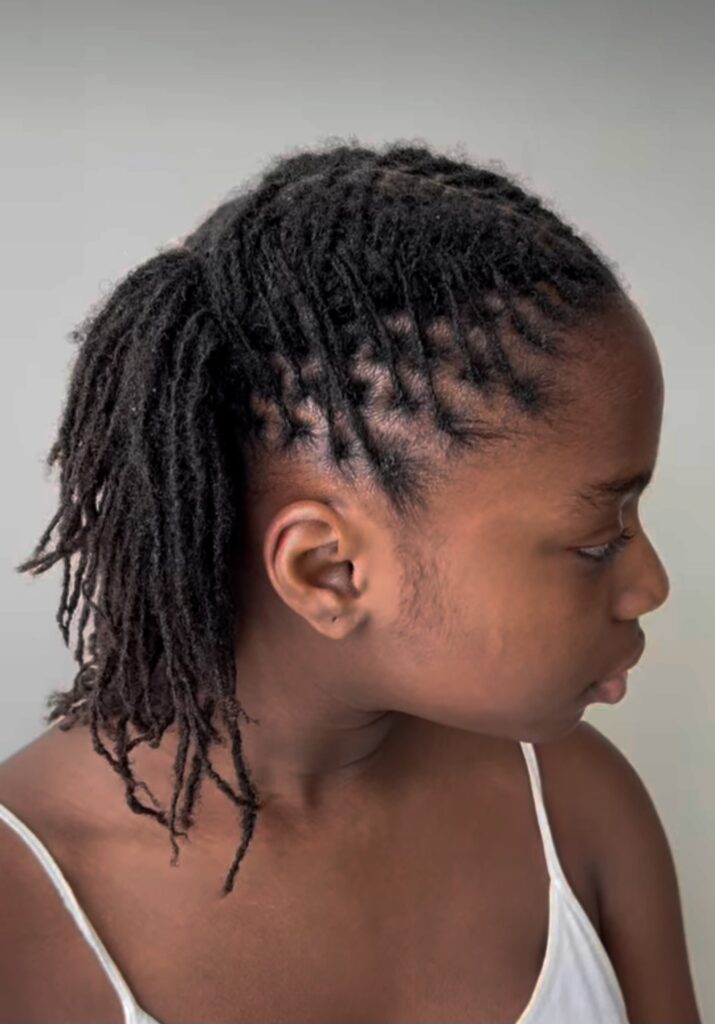
By month 2, your hair begins to shift out of the fresh starter phase and into what many call the budding stage. This is the first real sign that your locs are forming. The hair starts to tangle inside each loc, creating small knots. This is a beautiful stage, even though it may not always look polished.
What to Expect in Month 2
1. Noticeable buds forming along the length of each loc
These buds will feel like small balls or soft lumps inside your locs. They are the early foundation of mature locs.
2. Increased swelling
Your hair may look thicker than when you started, and some locs may look uneven.
3. Frizz will increase
If you thought month 1 was frizzy, you haven’t seen anything. Month 2 will take it up a notch. Again, that’s normal.
4. Some locs lock faster than others
Don’t be surprised when you notice that all parts of your hair aren’t locking the same way. (It happened to me.) The reason is that different hair textures behave differently. Some sections will mature faster, and some will take their time.
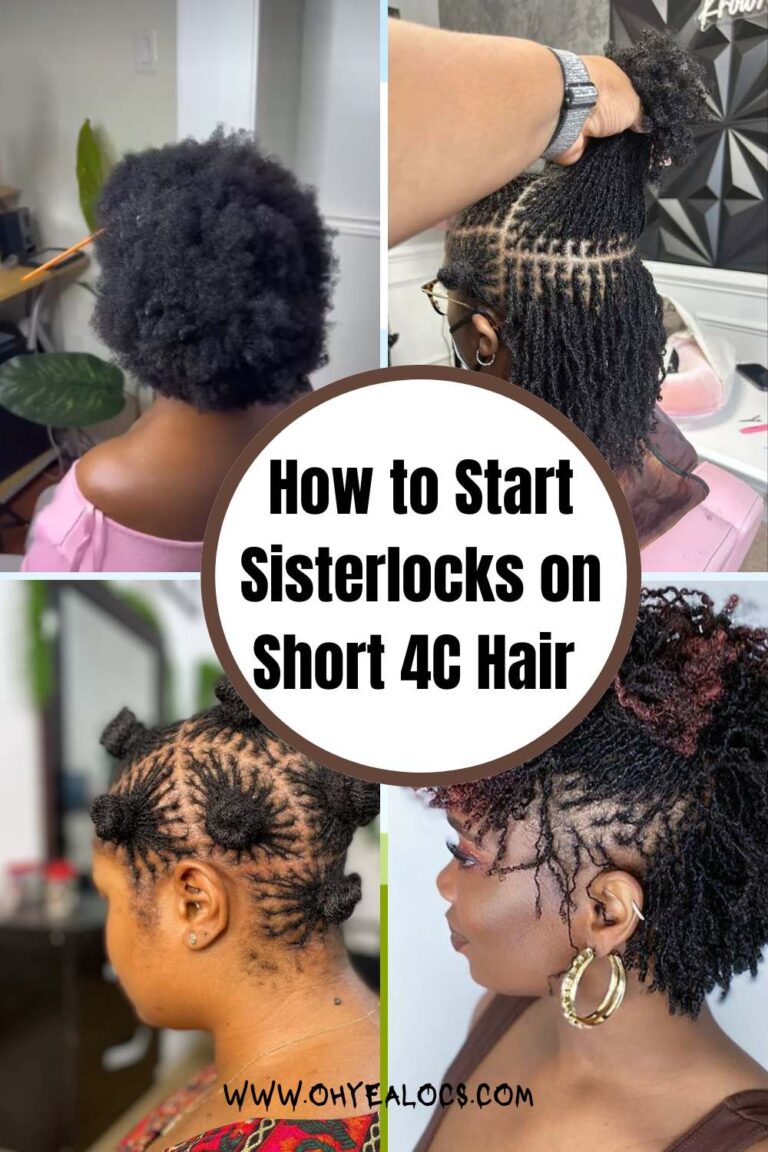
Pin and come back later: Different methods of starting Locs.
5. Your locs may start to look full and “puffy
This is simply the hair swelling as it begins to mesh. Don’t worry, the thickness will even out.
6. You might experience itching
This could be caused by new growth, sweat, weather change, or product build-up.
How to Care for Your Hair in Month 2
1. Moisturise lightly
A simple rosewater spray or water-based loc mist will do the job. Your hair still needs hydration. However, hydrating is not the same as washing.
2. Be gentle when washing
When you wash your hair at this stage, avoid rough rubbing. Use a residue-free shampoo and let the water run through the locs rather than scrubbing aggressively.
3. Stick to your retwist schedule
Typically, every 4–6 weeks is okay. Avoid over-retwisting as it can weaken the roots.
4. Avoid conditioners and heavy creams
I know you want to try different products to see which one works. That’s fine; so long as you don’t overdo it. However, ensure to stay away from heavy products as they tend to cause a build-up that could stay trapped inside your locs.
5. Continue protecting your hair at night
Lack of moisture and friction tends to cause frizz. Using a satin bonnet will help minimise both.
As you can see, month 2 is where the magic begins. Even if it looks messy, trust the process.
You’ll want to save this: Common loc problem and how to fix them.
Month 3: The Early Teenage Stage – The Awkward Beauty Phase
By month 3, your hair has officially entered the teenager phase. And we all know how teenagers can be unpredictable. So don’t be surprised when you see your locs sticking up like antennas today and lying flat tomorrow; one loc may look mature while the others appear confused.
This stage can test your patience, but it’s also one of the most exciting stages because that’s when you start seeing real progress.
What to Expect in Month 3
1. Locs may stand in different directions
Don’t worry, they won’t always look like a crown of little arrows. As they gain weight and length, they will settle.
2. More internal matting
Your locs will start feeling more solid from the inside.
3. Shrinkage may increase
Yes, your hair may look shorter again. This is a sign that your locs are compacting.
4. Your loc pattern becomes more visible
You will begin to see the early form of what your mature locs will look like.

5. Fuller, thicker locs
At this stage, the swelling continues, and many people fall in love with the fullness of their locs around this time.
6. Less unravelling
By month 3, your hair is settling into place, so you’ll notice fewer loose ends. I can only imagine how relieving this will feel.
How to Care for Your Hair in Month 3
1. Keep your locs clean
Dirt slows down the locking process and traps bad odour. A gentle wash every 3–4 weeks will help.
Bookmark this: How to care for your locs the right way.
2. Moisturise lightly and consistently
As you already know, dry locs break easily, so consistent hydration is key.
3. Avoid over-manipulating
I know you can’t wait to rock your locs in different styles but wait a little more. This is not yet the time for constant styling, tight ponytails, or frequent retwisting. Your locs are still fragile.
Save this for later: 23 things you should never do to your locs.
4. Stick to simple products
A good shampoo, light oil, and a refreshing spray are enough. The simpler your routine, the better.
5. Stop comparing your locs to anyone else’s
Needless to stress that everyone’s hair type, density, and growth rate is different, hence different outcomes. Come to think of it: if the hair on your head could loc differently, how much more other people’s locs will be different from yours.
Of all the 3 months, month 3 is the stage that requires the most patience. But once you get through it, your locs begin to mature beautifully.
Common Challenges and How to Handle Them
Every loc journey comes with its own challenges, especially in the early months. Here are the most common issues you may face and how to manage them well.
1. Itching
This can happen due to sweat, build-up, dryness, or new growth.
What to do: Use a light anti-itch spray or peppermint oil diluted in water. Ensure to keep your scalp clean and moisturised.
You should also read: How to get rid of dandruff in locs.
2. Excessive Frizz
As I stated earlier, frizz is part of the journey.
What to do: Tie your hair with satin at night and avoid touching your locs frequently. A light gel or mousse can help tame flyaways between retwists.
3. Unravelling
This is more common with coils and softer textures.
What to do: Pat your hair dry instead of rubbing it. Retwist only when needed.
4. Product Build-up
It’s common to see many loc starters try too many products hoping their locs will look “neater”. I’ve been there too. But sadly, instead of seeing your locs look “neater”, what you see is heavy build-up that tends to be difficult to wash off.
What to do: Stick to light, water-based products. Avoid heavy creams, waxes, conditioners, and gels.
Pin this for later: How to get rid of lint in your locs.
5. Uneven Locs
Within these 3 months, it’s common to see some locs appear thick while others look thin. Some will mature faster, while others will be slow. It’s all normal.
What to do: Embrace it. Locs naturally become more uniform as they mature.
6. Thin or Weak Roots
These are usually caused by over-retwisting or tight styling.
What to do: Reduce manipulation and let the hair grow out naturally before the next retwist.
What to Avoid in the First 3 Months

If you want a smooth loc journey, these are the biggest mistakes you should avoid:
1. Overwashing
I know you want your hair to always look clean but you don’t need to wash it too often as that can cause unraveling and dryness. Just stick to your normal washing routine or the one prescribed by your loctician.
2. Frequent Retwisting
As beautiful as having a retwist can be, it can also be damaging to your locs. Retwisting every week creates tension and weak roots. Stick to 4–6 weeks or as prescribed by your loctician.
3. Using Heavy Products
Understand that any thick product will sit inside your locs and cause build-up. Not all natural hair products can be applied to locs; go for lightweight products especially those prescribed by your loctician.
4. Scratching with your fingernails
A lot of people do this without knowing the implications. Scratching with your fingernails causes flaking and can weaken your roots. The temporary relief you get from scratching is nothing compared to the damage.
5. Changing Products Every Week
This seems to be common among loc starters as they are always eager to know which products work best. There’s no need to keep changing products now and then. Give your hair time to respond before switching.
6. Allowing inexperienced people to style your hair
Your locs are not any kind of hair anybody can style. Wrong techniques or manipulations can damage your roots or slow your progress.
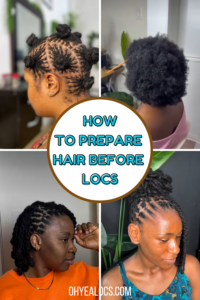
Recommended next read: How to prepare your hair before locking: The ultimate guide.
Final Thoughts: Embrace Your Journey
As you can see, the first 3 months of your loc journey are a mixture of excitement, doubt, discovery, and joy. Some days, you’ll love your locs. Other days, you’ll wonder what on earth is happening on your head. But stay the course. With patience and consistent care, your locs will blossom beautifully.
By month 3, you’ll already see remarkable changes. And when you progress to month 6 (trust you’ll), you’ll feel more confident. And by the one-year mark, you’ll look back at these early photos and smile because the journey was absolutely worth it.
Always remember that your locs are a story, a process, and a journey of transformation. This is just the beginning!