Two-Strand Twists vs Comb Coils – Which Loc Method Is Better?
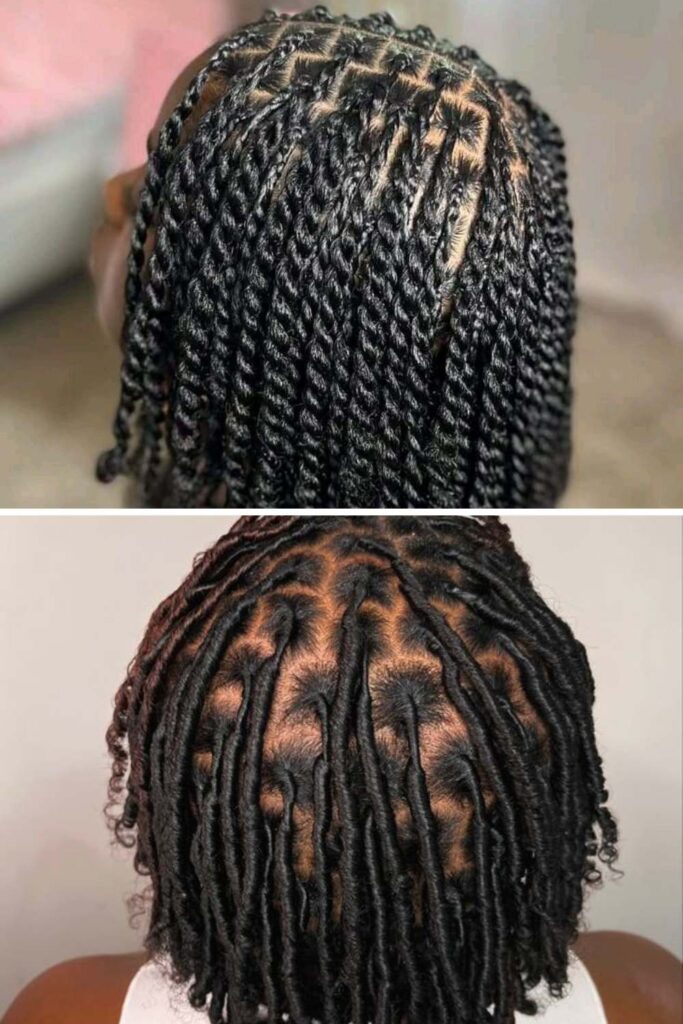
Starting locs often comes with a lot of decision-making – ranging from choosing the right starter locs method to picking the right products from the sea of options, and everything in between. If care is not taken, one could end up confused and eventually make the wrong choice.
Read this guide: Everything you need to know before starting your locs journey
Amongst others, one question beginners often ask is: Should I start my locs with two-strand twists or comb coils?
Even though both methods are widely used, professionally accepted, and capable of producing beautiful, healthy locs, they are not equal in how they perform across different hair textures, lifestyles, and maintenance preferences.
Out of ignorance, many beginners often make the mistake of choosing a starter loc method based purely on appearance, only to struggle with unraveling, thinning, or constant re-doing months later.
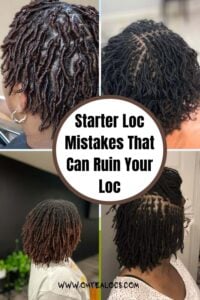
Bookmark this: Starter Loc Mistakes That Can Ruin Your Loc Journey
In this detailed article, we will make a side-by-side comparison between two-strand twists and comb coils, break down how each method works, their strengths and weaknesses, and which option may be better for your hair and lifestyle.
By the end, you should be able to make a confident, informed choice that supports long-term loc health.
Let’s dive right in!
Understanding Starter Loc Methods
Before comparing two-strand twists and comb coils, it is important to understand what starter locs are and why they matter so much.
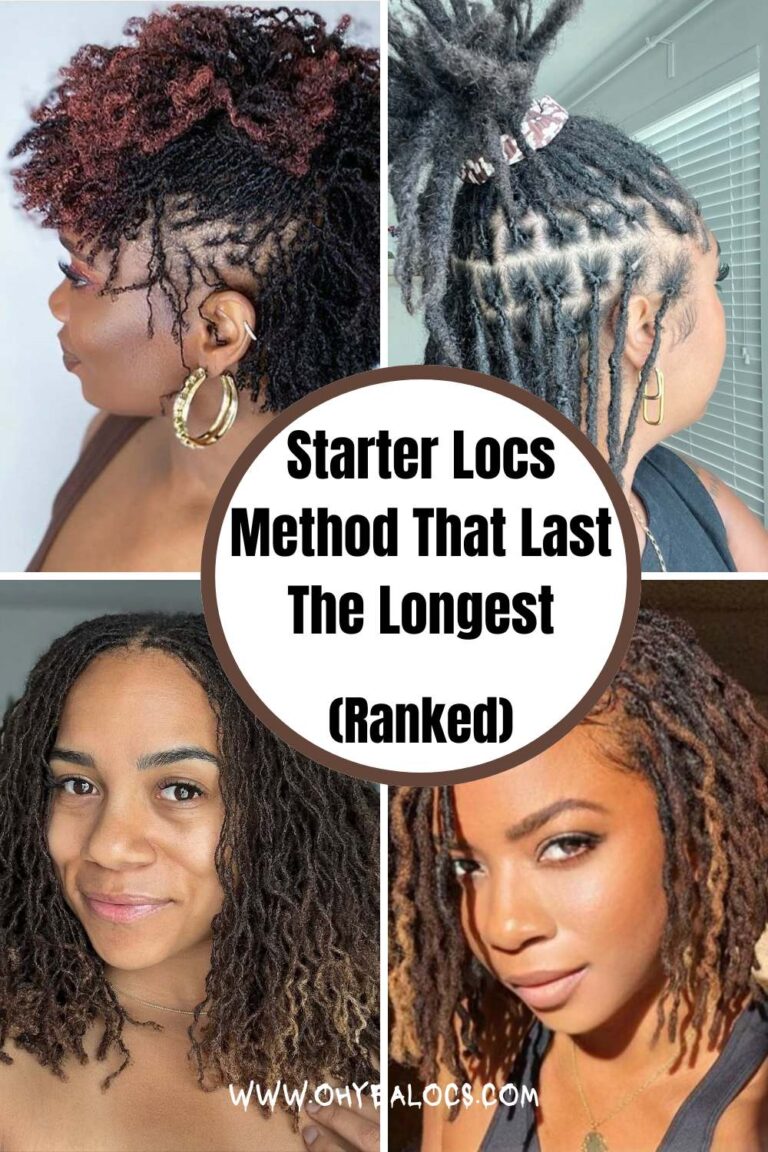
Starter locs are the foundation stage of the loc journey. This is the phase where the hair is sectioned, formed, and trained to begin locking. Decisions made at this stage influence the size, density, durability, and overall appearance of the mature locs.

A strong starter loc method should:
-Hold up well between maintenance sessions
-Match the wearer’s hair texture and density
-Fit into their daily routine and lifestyle
-Encourage healthy locking without excessive manipulation
Choosing the wrong method can lead to frequent unraveling, weak roots, inconsistent loc sizes, or frustration that causes some people to quit their loc journey altogether.
More on the topic: Best starter loc method for soft hair
What Are Two-Strand Twist Starter Locs?
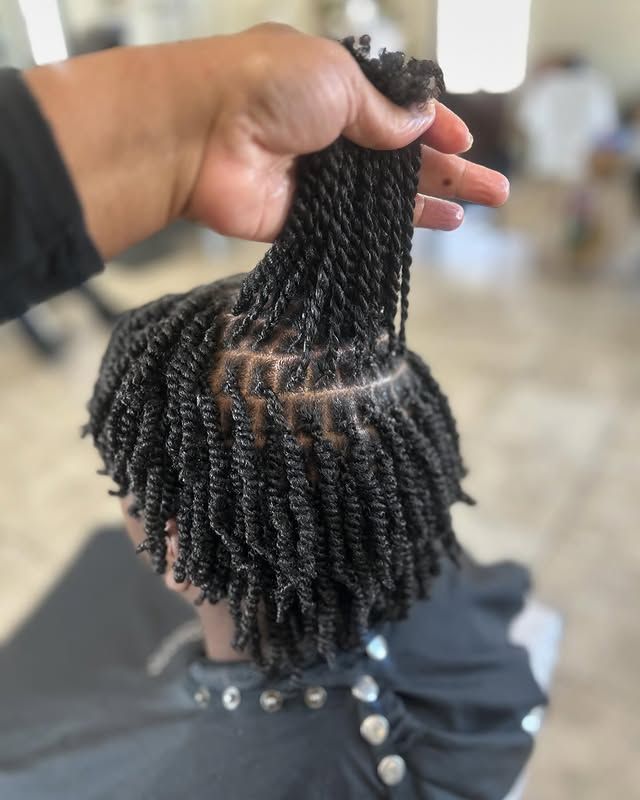
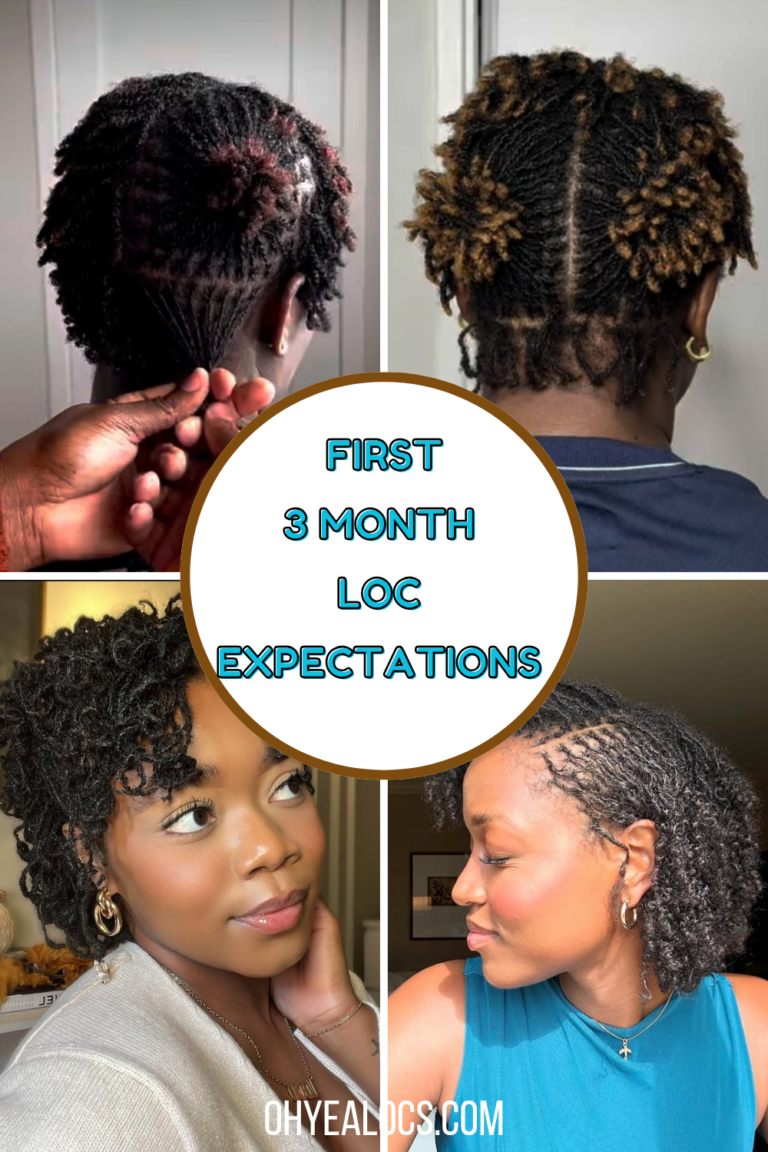
Two-strand twists are created by dividing a section of hair into two equal parts and twisting them around each other from root to tip. When used as a starter loc method, these twists are left in place and allowed to naturally matt, tangle, and lock over time.
This method is especially popular among people transitioning from loose natural hair to locs because it looks familiar, versatile, and relatively neat even in the early stages.
Benefits of Two-Strand Twist Starter Locs
One major advantage of two-strand twists is durability. Because the hair is interwoven, it tends to hold together better than comb coils, especially on soft or loosely coiled textures. This makes unraveling less frequent, particularly during washing or humid conditions.
Two-strand twists also offer more control over final loc thickness. The size of each twist usually translates directly into the size of the mature loc, making it easier to plan for fuller or thicker locs from the start.

Another benefit is styling flexibility. Two-strand twists can be worn down, pinned up, or styled in simple protective looks during the starter phase, which many beginners find encouraging.
However, as is common with all starter locs, two-strand twists also have their cons.
Drawbacks of Two-Strand Twist Starter Locs
Despite their strength, two-strand twists typically take longer to fully lock than comb coils. The defined twist pattern must gradually disappear as the hair mats, which can make the early months feel slow or visually inconsistent.
Come back to this: 10 things you should never do to your starter locs
Some people also discovered that when twists are installed too large or unevenly, the locs become bulky or flat over time. However, proper sectioning and professional installation can help.
Now, let’s take a look at what comb coils are and their peculiarities.
What Are Comb Coil Starter Locs?
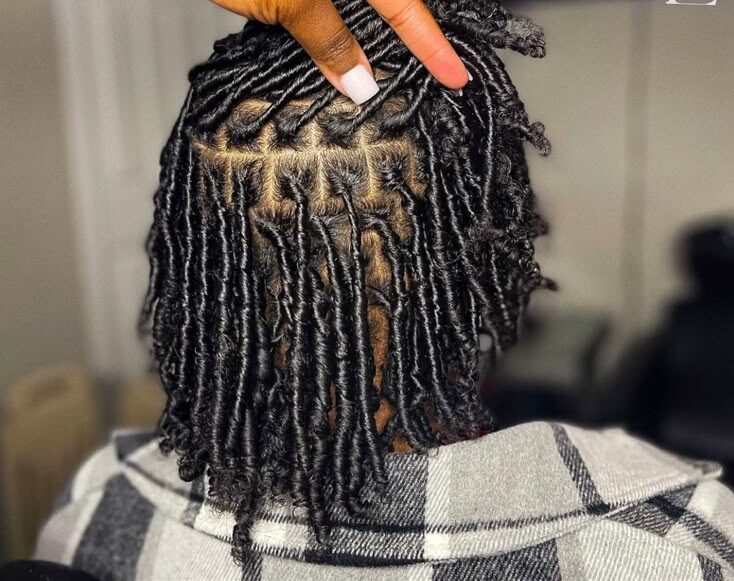
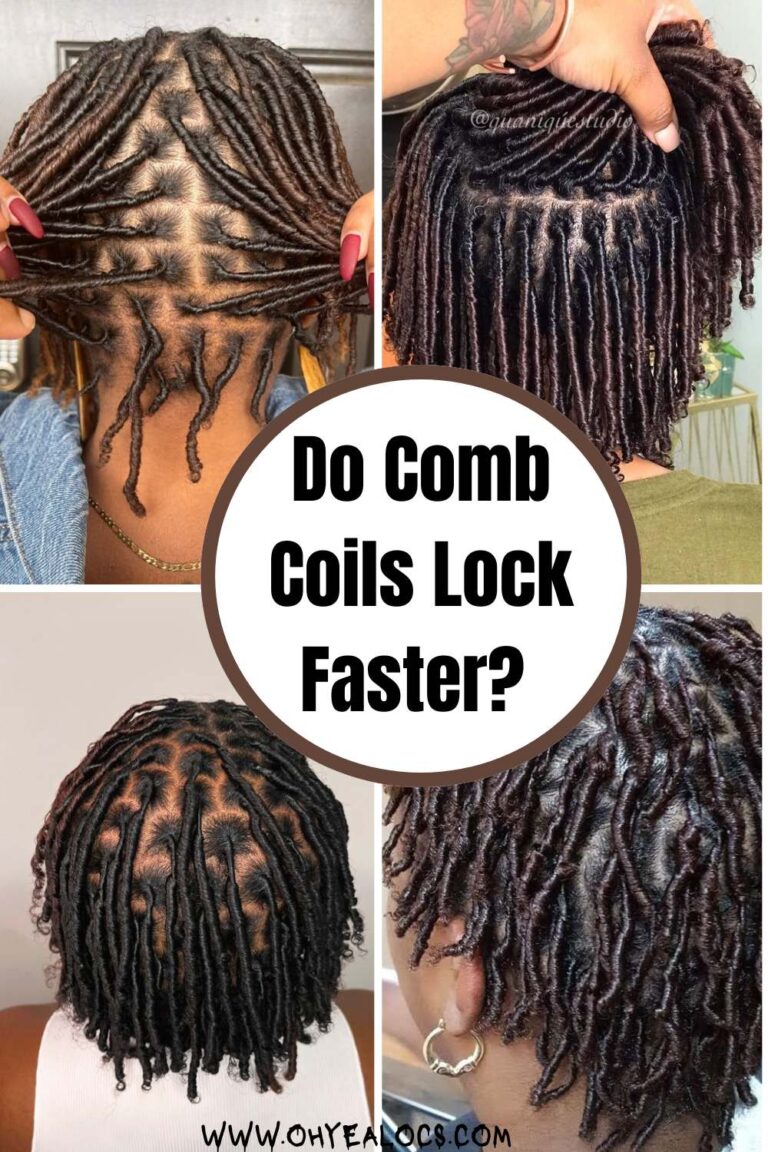
Comb coils are formed by using a fine-tooth comb to rotate the hair in a circular motion from the root to the ends, creating a tight spiral. This method is often done with styling gel or locking products to help the coil hold its shape.
Comb coils are known for their neat, uniform appearance, making them a popular choice for people who want their starter locs to look polished right from day one.
Benefits of Comb Coil Starter Locs
One of the biggest advantages of comb coils is how clearly they establish the locking pattern early on. On tightly coiled hair, comb coils often begin locking faster because the spiral encourages the hair to tangle inward.
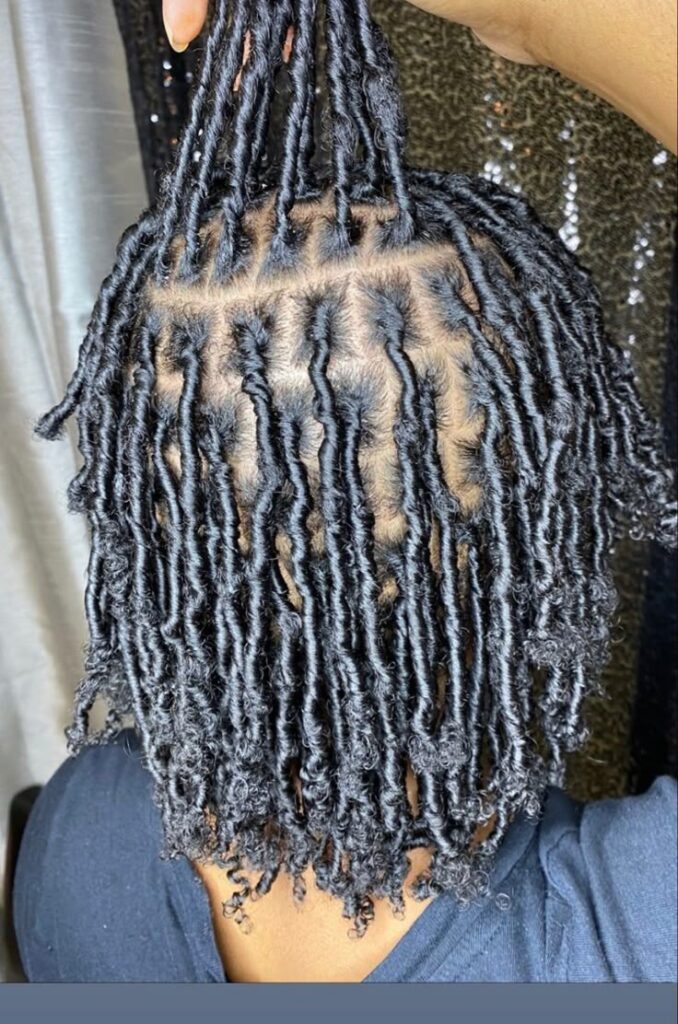
They also ensure very precise parting and sizing. This makes comb coils ideal for people who want a clean grid pattern and evenly sized locs throughout their head.
For those with tightly coiled or kinky hair textures, comb coils can mature into smooth, cylindrical locs with a classic appearance.
However, comb coils are not without their fair share of cons.
Drawbacks of Comb Coil Starter Locs
The most common complaint about comb coils is unraveling. Because the hair is simply coiled rather than interwoven, it can easily loosen due to moisture, sweating, frequent washing, or friction.
Comb coils also require more frequent maintenance, especially in the early months. Retwisting too often, however, can lead to thinning at the roots, which is a long-term risk many beginners are not warned about.
This method may also be frustrating for people with active lifestyles or soft hair textures, as coils may lose definition quickly between salon visits.
Now, let’s parallel both starter loc methods.
Two-Strand Twists vs Comb Coils – Key Differences
When deciding between two-strand twists and comb coils, several important factors come into play.
In terms of locking speed, comb coils generally begin locking faster, especially on tightly coiled hair. Two-strand twists take longer but often produce stronger locs in the long run.
For maintenance, two-strand twists usually require less frequent retightening or re-twisting. Comb coils demand more upkeep to remain neat and intact.
Regarding durability, two-strand twists are more resistant to unraveling and better suited for people who wash their hair often or sweat regularly.
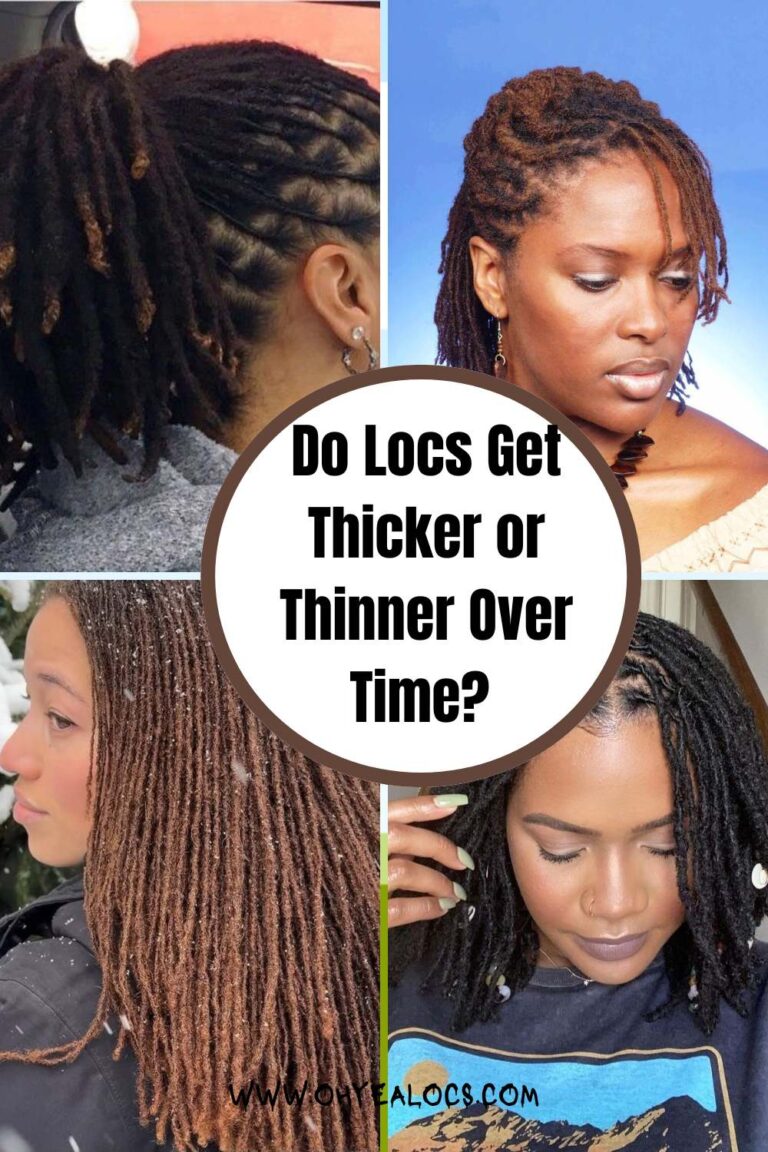
When it comes to final loc size, two-strand twists tend to create thicker locs, while comb coils result in slimmer, more uniform locs if maintained consistently.
You might also like: Micro Locs vs Traditional Locs: Which Is Right for You
Now comes the ultimate question:
Which Loc Method Is Better for Your Hair Type?
As you can see, hair texture plays a critical role in how well a starter loc method performs.
For tightly coiled hair, both methods can work well. Comb coils may lock faster, but two-strand twists still offer excellent durability with fewer touch-ups.
For soft, fine, or loosely coiled hair, two-strand twists are often the better option because they provide more structure and reduce the frustration of constant unraveling.
Hair length also matters. Very short hair may struggle to hold two-strand twists neatly, while longer hair provides more grip for both methods.
Lifestyle Factors to Consider Before Choosing a Loc Method
Apart from your hair texture and length, your daily routine should also influence your decision.
If you exercise frequently, sweat a lot, or live in a humid environment, two-strand twists may be easier to manage. Comb coils on the other hand can lose definition quickly under these conditions.
People who prefer low-maintenance hair often find two-strand twists less stressful during the starter phase. Comb coils, while neat, demand consistency and patience.
Your work environment also matters. If you need a consistently polished look, comb coils may suit you better, provided you can maintain them properly.
More topics youl’ll love: Microlocs vs Sisterlocks: Differences, Cost, and Maintenance Explained
Common Mistakes People Make When Choosing a Starter Loc Method
One major mistake is choosing a method based solely on social media trends. What looks good on someone else may not suit your hair or lifestyle.
Another error is ignoring long-term maintenance. A method that looks neat initially may become exhausting to keep up with.
Also, many beginners fail to consult a professional loctician who understands hair texture, density, and healthy locking practices.
This post will guide you: Common Mistakes To Avoid When Locking Your Hair
Consulting a loctician is not a luxury; it’s a necessity if you desire to start your loc journey well.
Here’s one question beginners usually ask:
Can You Switch Between Two-Strand Twists and Comb Coils?
The answer is yes. Switching is possible, but timing matters. Transitions are easiest in the early starter phase before the hair begins locking firmly.
Switching too late can disrupt the locking process, weaken the locs, or create inconsistencies in size and texture. A professional assessment is strongly recommended before making changes.
This guide will help you: How to get rid of lints in your locs (without damaging them)
Two-Strand Twists vs Comb Coils – Quick Comparison
In summary, two-strand twists offer strength, durability, and lower maintenance, while comb coils provide neatness, precision, and faster visual locking on certain textures.
Neither method is universally better – the best choice depends on alignment with your hair, lifestyle, and long-term loc goals.
Recommended for you: Worst starter loc methods for beginners
Final Verdict – Which Loc Method Is Better?
There is no single “best” starter loc method. Two-strand twists are better for durability, flexibility, and low-maintenance lifestyles, while comb coils are better for neatness, precision, and tightly coiled hair that can handle frequent upkeep.
The healthiest loc journeys begin with informed decisions, realistic expectations, and patience. When your starter method works with your hair instead of against it, your locs will thrive.