23 Things You Should Never Do to Your Locs

Locs are more than just a hairstyle. To some, they signify a rediscovery journey while for many, wearing locs is a part of cultural identity and personal expression. Even though locs are beautiful and versatile, they also require care, attention, and a little knowledge to thrive.
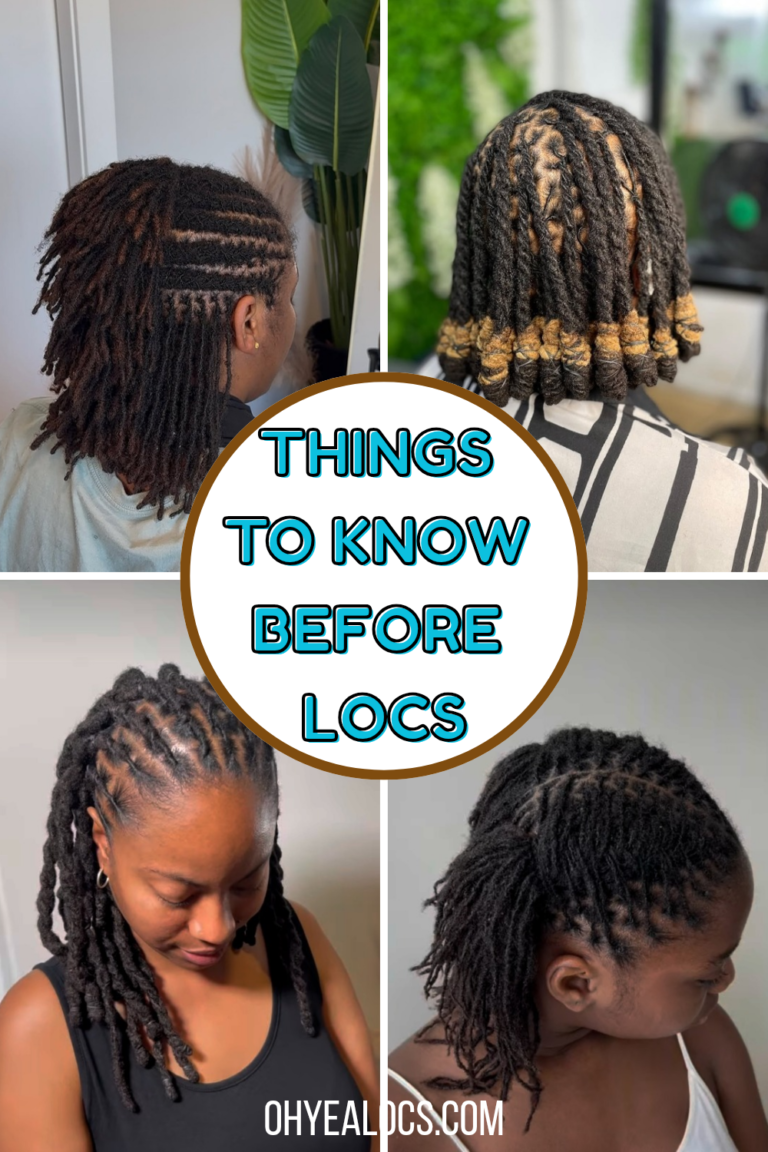
Foundational guide: Everything you need to know before starting your locs journey
Ignorantly, many people see locs as a low-maintenance hairstyle and for that reason, they “set it and forget it.” The truth however is that improper care can lead to breakage, thinning, and frustration, no matter your hair type or length.
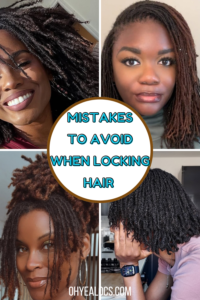
More on this: Common Mistakes To Avoid When Locking Your Hair
Whether you’re just starting your loc journey or have had them for years, it’s important to understand the pitfalls that can sabotage your progress. To help you maintain healthy, strong, and gorgeous locs, here are 23 things you should never do to your locs.
Save this for later: How to start your Loc journey the right way.
Things you should never do to your Locs
1. Starting Locs on Weak or Damaged Hair
I know how tempting it is to start locs immediately, especially after a big chop, but if your hair is already weak, brittle, or damaged, starting locs can worsen the problem. This is because weak hair is more prone to breakage, and installing locs puts tension on your strands.
You’ll want to save this: Everything you should know before starting your Locs.
Here’s what to do instead: Deep condition, strengthen, and trim split ends before starting your locs. Healthy hair creates a strong foundation for long-lasting locs.
2. Not Washing Your Locs Regularly
Hygiene is crucial to growing healthy locs. Neglecting regular washing allows dirt, sweat, and oils to build up, which can lead to unpleasant odors, scalp issues, and even mold in extreme cases.
Bonus Tip: Wash your locs every 1–2 weeks, depending on your hair type, lifestyle, and how oily your scalp is.
You need this: How to care for your locs the right way
3. Washing Locs Too Frequently
Even though this seems harmless on the surface, it’s not safe for your locs. While under-washing is harmful, over-washing is just as bad. Washing locs too often can strip your hair of its natural oils, thereby causing dryness and frizz, and weakening the hair over time.
Bonus Tip: Find a balance that works for your scalp and hair type. Many locticians recommend once every 1–2 weeks as a sweet spot.
The truth is, when it comes to maintaining locs, consistency is key, not overdoing any routine.
This guide will help you: How to care for your locs the right way
4. Using Heavy Wax or Greasy Products on Locs
Heavy waxes and greasy products may seem like a quick fix to maintain sleek locs, but they attract dirt and cause buildup. Over time, this can lead to scalp irritation, breakage, and locs that lose their shine.
See this: How to get rid of lints in your hair
Bonus Tip: Instead of heavy waxes and greasy products, use light, natural oils like jojoba or coconut oil sparingly. They nourish without suffocating your locs.
5. Applying Products with Buildup-Causing Ingredients
Avoid products with petroleum, mineral oil, and heavy silicones. They coat the hair, preventing moisture absorption and causing long-term buildup that’s hard to remove.
Bonus Tip: Read labels carefully. Opt for natural or water-based products designed for locs.
Learn more here: How to get rid of dandruff in your locs
6. Retightening or Retwisting Locs Too Often
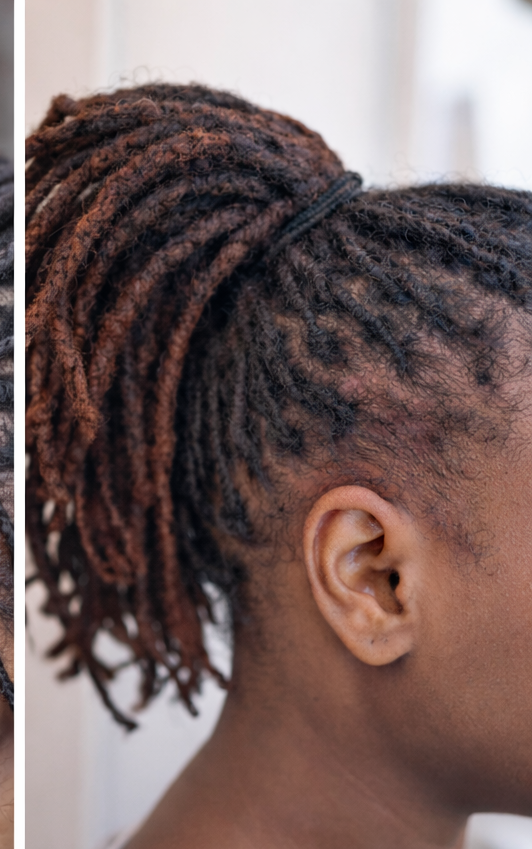
It’s normal to want your locs to look neat and well-styled. However, over-retwisting can cause stress on the roots, thinning hair, and even breakage. Locs need time to mature and settle into their natural pattern.
Bonus Tip: Stick to a retwisting schedule recommended by your loctician – usually every 4–6 weeks for mature locs and 6–8 weeks for new growth.
This guide explains it better: 15 easy ways to style your locs
7. Neglecting Regular Loc Maintenance
Even though locs are “low-maintenance” when compared to some hairstyles, they still require care. Neglecting maintenance can lead to matting, uneven locs, and hair damage.
Bonus Tip: Schedule regular checks, moisturizing, and gentle scalp massages.
Maintenance is not just about appearance; it’s about the health of your hair.
8. Choosing a Style Without Proper Planning
Styles like micro-locs look stunning, but they require more maintenance, patience, and skill to avoid breakage. Choosing a locs style without understanding the care involved can be frustrating.
Bonus Tip: Consult a professional and consider your lifestyle before choosing your locs size. Bigger locs may be easier to manage for starters.
Before you go further, check this: Micro locs vs traditional locks: which is right for you
9. Mixing Different Loc Methods Incorrectly
Many locs starters often forget that each method of installing locs has unique requirements, and improper mixing can lead to uneven tension and breakage. Combining twisting, interlocking, or sisterlocks techniques without proper knowledge can damage your hair.
Bonus Tip: Stick to one method at a time or seek professional guidance if you wish to switch techniques.
10. Sleeping Without Protecting Your Locs
Surprisingly, many loc wearers don’t know that simple things like the choice of their pillowcases contribute to their locs maintenance. For instance, cotton pillowcases can cause friction which can lead to frizz, breakage, and thinning.
Bonus Tip: Use silk or satin pillowcases, or wrap your locs in a silk/satin scarf or bonnet before bed. Your locs will “thank you” for being that thoughtful.
11. Styling Locs Too Tight and Stressing the Roots
The beauty of locs is evident when worn in different styles. However, it’s important to exercise caution when styling your locs. Tight ponytails, buns, or braids can cause traction alopecia, thinning edges, and weakened roots. While sleek styles are tempting, they shouldn’t be at the cost of healthy hair.
Bonus Tip: Keep hairstyles gentle, and alternate tight and loose styles to give your roots a break.
12. Bleaching or Colouring Locs Excessively
While hair colour is a fun way to express personality, excessive bleaching or chemical treatments can weaken locs, thereby causing dryness, breakage, and uneven textures.
Bonus Tip: Limit chemical treatments and always consult a professional experienced with locs. If you must dye, ensure to moisturize thoroughly before and after colouring to minimize damage.
13. Ignoring Scalp Health Issues
Itching, dandruff, or sores on the scalp shouldn’t be ignored. Neglecting these issues can lead to infections or hair loss, which compromise your locs’ overall health.
Bonus Tip: Use scalp treatments, teas, or natural oils to soothe irritation, and see a dermatologist if the problem persists.
14. Comparing Your Loc Journey to Others
I know this might appear odd in the list but trust me, it’s no less important. The fact remains that every loc journey is unique. Comparing your progress to someone else’s can create unnecessary stress and unrealistic expectations.
Bonus Tip: Learn to celebrate your milestones. Comparison is futile as loc growth and appearance depend on hair type, lifestyle, and patience.
15. Using Unverified Home Remedies on Locs
I know you can’t wait to try all the DIY treatments you’ve seen online but what if I told you that some of those treatments do more harm than good? Take for instance, remedies like lemon juice and vinegar (recommended in some of the DIY content floating online) can be too harsh and damage your hair if not properly diluted.
Bonus Tip: Stick to proven, loc-friendly treatments or consult a professional before experimenting.
16. Leaving Locs Damp After Washing
Unlike unlocked natural hair, locs don’t dry easily. Leaving them damp encourages mold, mildew, and unpleasant smells.
Bonus Tip: Pat dry gently with a towel and allow locs to air-dry completely. Use a hair dryer on low heat if necessary.
17. Picking or Playing with Locs Constantly
Twisting, picking, or playing with locs may seem harmless, but repeated manipulation can cause breakage, thinning, and uneven locs.
Bonus Tip: Keep your hands busy and avoid constant touching. Locs will mature beautifully if left mostly alone.
18. Installing Loc Extensions Without Professional Guidance
Extensions can add length and volume, but improper installation causes tension, breakage, and sometimes permanent damage.
Bonus Tip: Always use the service of a skilled loctician who understands your hair type and desired look.
19. Skipping Loc Detox or Deep Cleansing
Over time, locs accumulate product residue, minerals from water, and environmental pollutants. Skipping detox treatments can result in dull, lifeless locs.
Bonus Tip: Deep cleanse your locs every few months using clarifying shampoos or apple cider vinegar rinses. It revitalizes your locs and scalp.
20. Ignoring Thinning Roots or Weak Spots
Weak roots or thinning locs are signs that something is off. Ignoring these warning signs can result in permanent damage or hair loss.
Bonus Tip: Strengthen weak spots with protective styles, oils, and gentle handling. Consult a loctician for serious concerns.
21. Changing Locticians Too Frequently
As you already know, locs are different from regular hair that any stylist can work on. Switching locticians too often can disrupt your locs’ consistency, leading to uneven tension, styles, and maintenance routines.
Bonus Tip: Find a skilled loctician you trust and stick with them. Consistency fosters healthy growth and appearance.
22. Assuming Locs Are Completely Low-Maintenance
It’s not rare to hear people refer to locs as “lazy people’s hairstyles”. However, anyone who’s been on a loc journey for as long as 6 months knows this is not true. Healthy locs require regular washing, moisturizing, retwisting, and monitoring. Having the wrong notion that locs don’t need maintenance is a recipe for disaster.
Bonus Tip: Think of your loc journey as a long-term relationship where you must invest time and care to see them flourish.
23. Giving Up on Your Loc Journey Too Early
It’s sad to say that many people who start their loc journey don’t survive the early phase. They get excited at the beginning, only to abandon their locs at the first sign of frizz, slow growth, or perceived imperfections.
The truth remains that locs take time to mature. Giving up too early means you’ll never experience the beauty of fully matured locs.
Bonus Tip: Commit to your loc journey, embrace the process, and seek guidance if challenges arise.
Final Thoughts
Your loc journey is a blend of patience, care, and self-expression. Avoiding the mistakes outlined above can save you from unnecessary frustration, breakage, and disappointment. Always remember, that healthy locs are not just about appearance; they’re about hair integrity, scalp wellness, and consistent care.
Whether you’re just starting or have had locs for years, healthy locs are attainable when you nurture them the right way.
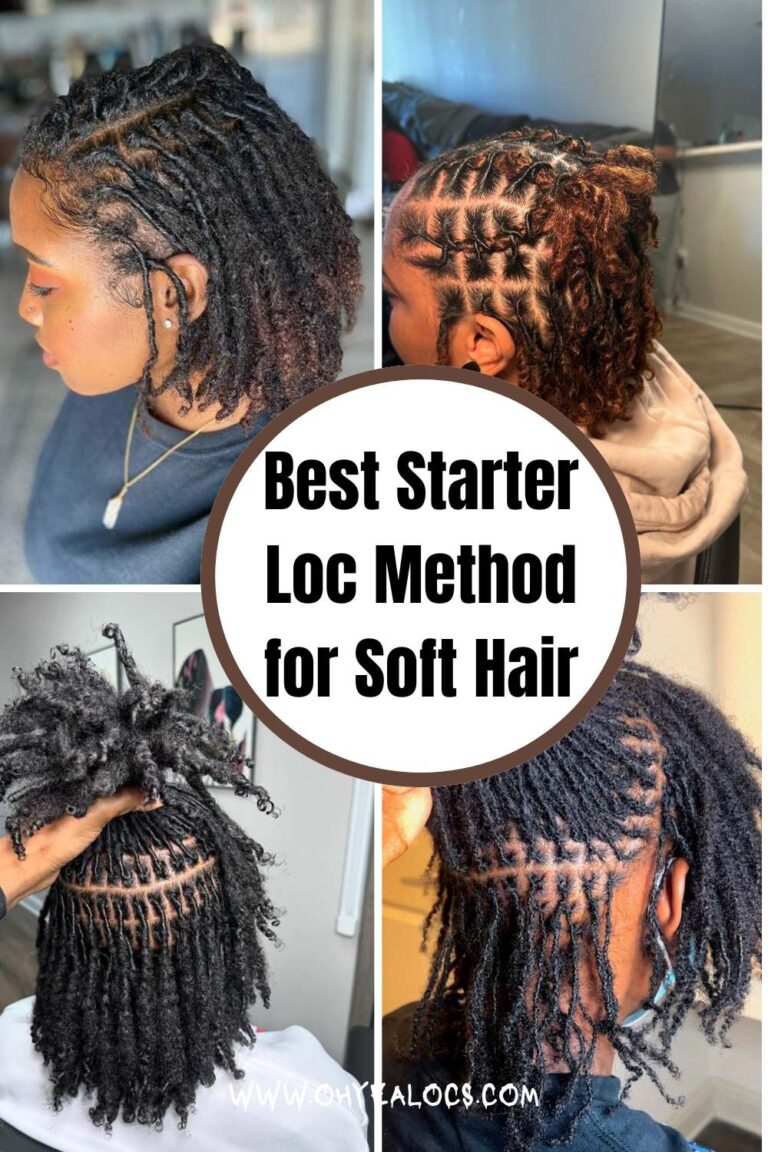
You will like this: Different methods of starting locs