10 Things I Wish I Knew Before I Started My Locs

Starting a loc journey is both beautiful and transformative but it’s not always what we imagine. When I decided to begin mine, I pictured a simple process: twist the hair, let it grow, and enjoy the effortless look of fully matured locs. 20 months down the line, I’ve realized that even though growing locs is rewarding, they come with challenges too.
If you’re considering locs or are just starting your journey, here’s a deep dive into my personal experience. What surprised me, challenged me, and ultimately helped me grow alongside my hair. Yes, I didn’t just grow my locs, I evolved too. What’s more rewarding?
If you are new here, this beginner’s guide on how to start your locs journey the right way will help you set realistic expectations from day 1,
Looking back, here are 10 things I wish I knew before I started my loc journey:
Things I Wish I Knew Before Starting Locs
Before committing, I strongly recommend reading everything you need to know before getting locs so you’re fully prepared.
1. Starting Locs Isn’t as Simple as You Think
When I began my loc journey, I chose the two-strand twist method. I didn’t consult a professional loctician. Instead, I called a local hair braider to make the twists. I assumed that twisting hair was a simple task anyone could do. I never knew that for locs, the twists are done differently.
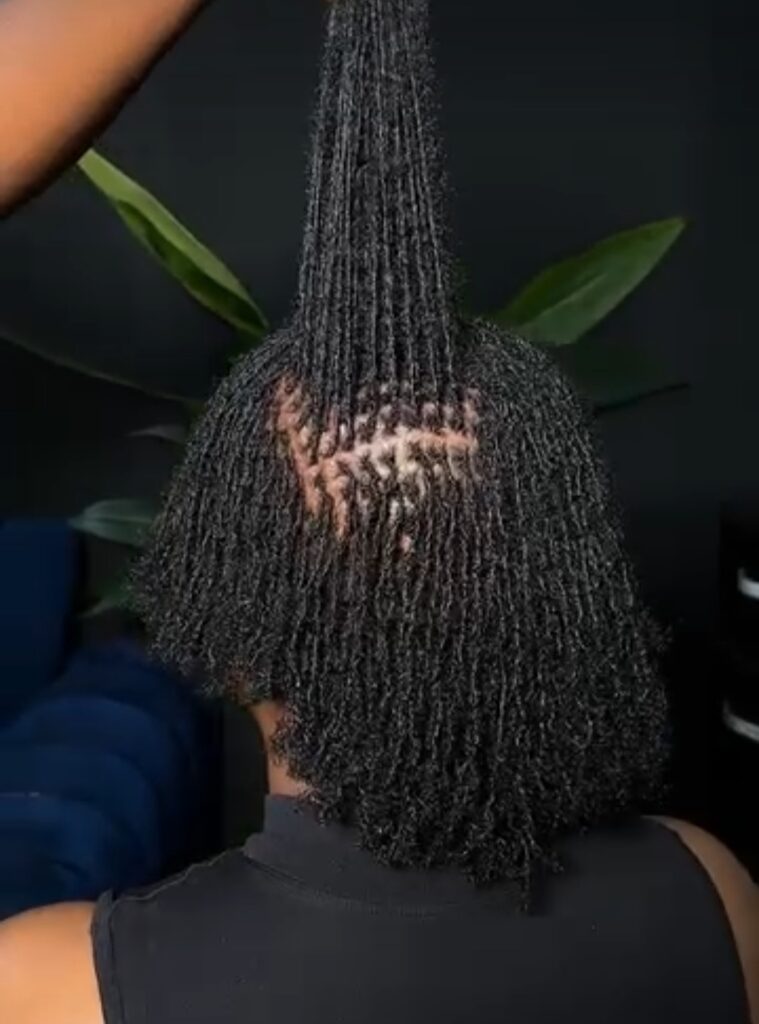
Here’s what really went wrong: my sections weren’t neat and the grids weren’t aligned which made my locs uneven. The back and middle sections of my hair locked beautifully, but the front sections – where my hair is 4B – were stubborn and slow to form.
I later learned that there are different methods of starting locs and each one works differently depending on hair texture.
If I could go back, I’d start with a professional, at least for the initial installation. Proper sectioning and neat grids make a huge difference in the long-term health and appearance of your locs. Even if you plan to maintain them yourself later, having a solid foundation saves a lot of frustration.
Understanding the difference between starter locs and traditional locs would have saved me a lot of confusion.
2. Expectations Are Different From Reality
Nothing really prepared me for the challenges I would face with growing my locs. I expected the process to be simple and straightforward. After all, I had watched countless videos, read blogs, and even saved pictures of styles I loved.
But reality hit me fast when I realised that:
- Retying and maintaining locs is time-consuming and expensive.
- Not all hairdressers know how to work with locs.
Many of my early frustrations came from common mistakes you should avoid when locking your hair.
- Locs attract dust and buildup therefore require frequent washing.
Living in a dusty environment meant I had to wash my locs weekly to avoid lint and debris. I wasn’t prepared for the amount of effort this would take, and I quickly realized that contrary to popular belief, growing locs isn’t about low maintenance; it’s about intentional care.
Proper maintenance matters more than people think, which I explain in this complete guide on how to care for your locs the right way.
3. The Starter Stage Can Be Challenging
The beginning of my journey was surprisingly tough partly because my hair has two textures. I have 4C in the middle and back – which locked quickly and beautifully and 4B in the front – which had a lot of slippage.
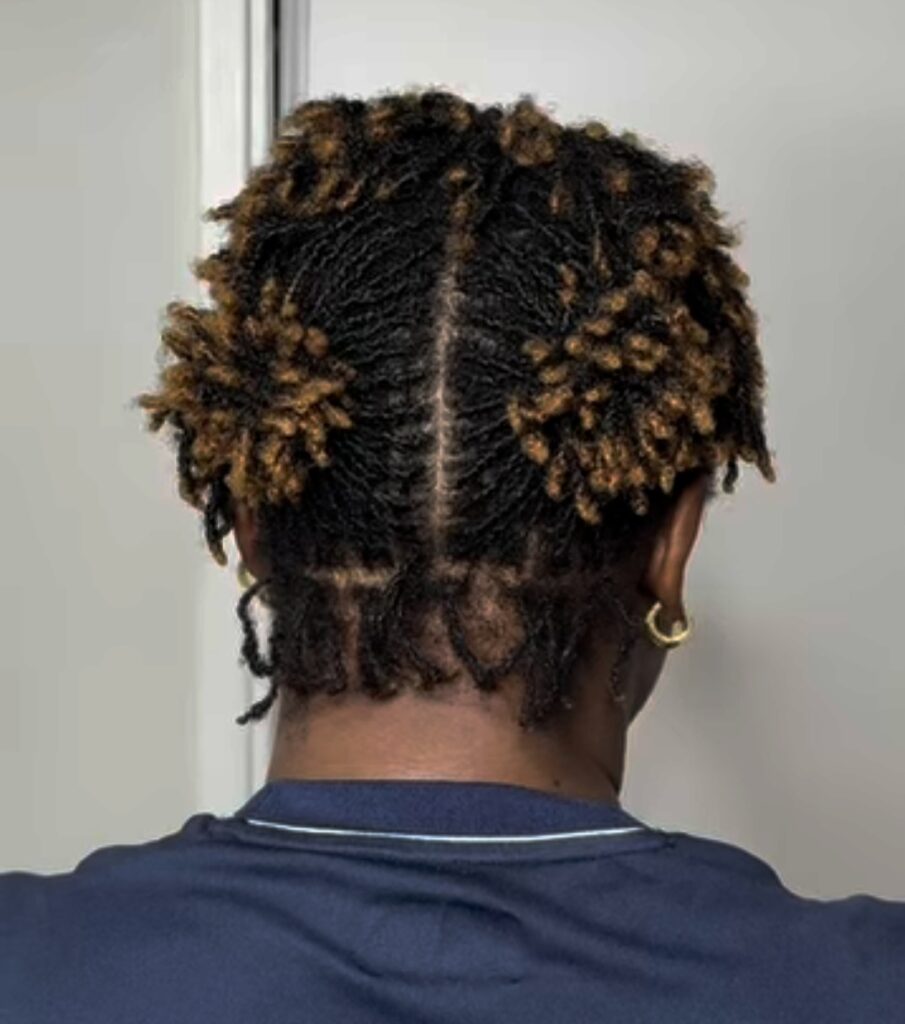
While the back and middle formed budding locs almost immediately, the front kept unraveling. I had to retwist the loose tips repeatedly, and it was frustrating to see uneven progress. There were moments I questioned whether my loc dream would ever be fulfilled but I decided to keep going.
If you are struggling in the early stages, here’s exactly what to expect in the first 3 months of your loc journey.
Here’s what I learned: the starter stage requires dedication and daily attention. You’re not just twisting hair; you’re training it to lock properly, and each texture behaves differently. So understanding your hair’s unique response is essential.
There are also specific things you should never do to your starter locs if you want them to thrive.
4. Buildup and Product Overload Affect Locs Growth
One of the biggest surprises I had was product buildup. I had tried various creams, oils, and gels to encourage locking, but all they did was create residue that weighed down my locs.
Eventually, I decided to simplify my routine into these three:
- Rose water for light hydration
- Coconut oil for moisture
- Liquid black soap (I melt the bar into liquid form) for cleansing
Since then, my locs have thrived. I realised that minimal products, regular washing, and gentle care are basically all you really need to maintain healthy locs. The phrase, less is more, can’t be truer.
Product buildup is on of the most common locs problems and thankfully, it’s fixable.
5. Frizz Is Part of the Process
Although 20 months in, I can still say that frizz is a reality – especially in the front sections of my hair. It can feel frustrating, like your hair is rebelling against your efforts.
But here’s the truth: frizz is normal and even healthy during the locking process. It shows your hair is active, growing, and changing. Over time, as your locs mature, the frizz reduces naturally. Instead of fighting it, I learned to embrace it as part of the journey.
6. Frequent Washing Is Key in Dusty Environments
I live in a country where dust is part of everyday life. Locs, while beautiful, attract lint and debris, which can accumulate quickly if not cleaned regularly.
Because of that, I wash my locs once a week. Although there were times I missed my weekly washing routine due to a busy schedule, but I try as much as I can. Regular washing keeps buildup at bay and helps my locs stay fresh.
Living in a dusty environment made me learn how to get rid of lint in my locs properly.
If you live in a dusty environment like me, be prepared for frequent washes and a routine that keeps your hair clean and healthy. Locs are not “wash-free” like most people think; they need care just like any other hairstyle.
7. Retying and Maintenance Takes Time and Money
I retie my locs whenever I notice 1 cm of new growth, which could be after a month or two. Doing it myself is manageable, but it takes time, patience, and sometimes assistance. If you plan to hire a professional for retwists, it can be quite expensive.
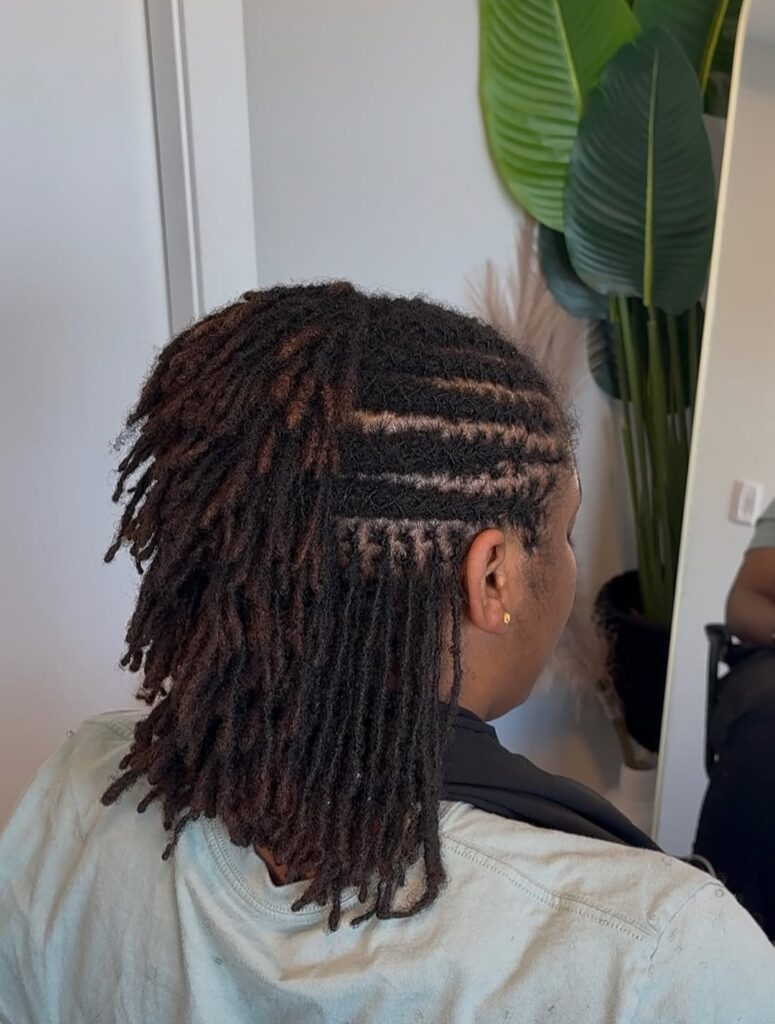
Maintenance also involves monitoring for slippage, unravelling, frizz and buildup.
The bottom line is that consistency is key, whether you DIY or go to a professional. Understanding the commitment involved in reties and styling helps avoid frustration later.
Over-twisting and poor maintenance are just some of the things you should never do to your locs.
8. Growing Locs Involve Emotional and Identity Growth
I never knew that growing locs is more than just a hairstyle. I thought I was changing my look after I got tired of protective styles. I never knew that I was embarking on a journey of self-discovery with a rollercoaster of emotions.
There were days when I was excited and proud to see my new locs form. Other days, I was frustrated when I saw sections unravel. How about the temptation to just quit? I felt that way countless times.
In all, what kept me going was my commitment and the desire to see my hair mature fully. Locs will challenge your patience, reinforce your discipline, and ultimately teach you to appreciate gradual progress.
Beyond seeing your hair thrive against all odds, the emotional growth is as real as the physical change. Learning to embrace your locs at every stage – starter, budding, teenage, and mature – is essential.
9. Lifestyle Adjustments are Necessary
I never knew that starting locs would change my daily routine and haircare habits the way it did. I had to learn:
- How to deep condition without disrupting my locs
- Which oils strengthen the hair without causing buildup
- Protective styling techniques
- The importance of satin scarves and pillowcases for sleeping
I also switched products. Nobody told me that the shampoos and conditioners I used for my hair before starting locs would become useless. I thought that the same products should work for all natural hair but I was wrong. The truth is that locs require a different approach and products to moisturize, cleanse and maintain.
Looking back, learning how to properly prepare your hair before locking would have made my transition easier.
Adjusting your lifestyle to accommodate your locs makes the process smoother and more enjoyable.
10. Growing Locs Require a Lot of Patience
One of the biggest lessons I learned after starting locs is that results don’t happen overnight. I realised that locs take time to mature, and hair growth isn’t always linear. I had to learn:
- How to embrace the early stages when locs might look uneven or frizzy
- That slippage and tightening are normal parts of the process
- The importance of regular maintenance without obsessing over perfection
- To celebrate small milestones, like the first month, three months, and six months
Accepting that locs are a journey, not a quick fix, helped me stay consistent and less frustrated. Patience truly makes the experience more rewarding and enjoyable.
My Word of Advice to Newbies
If I could share only three pieces of advice with someone starting locs today, they would be:
1. Start with a professional.
Even one visit to a skilled loctician can save you headaches later. Proper sectioning, neat grids, and a solid foundation are worth the investment.
2. Be patient.
I can’t stress this enough. The truth remains that your hair texture will determine your locking speed. That’s why it’s not good to compare your loc journey with someone else’s. You don’t share the same hair textures with them – even when you think you do. Imagine comparing my hair (with two different textures) to someone else with just one texture of hair?
I can’t describe how shocking it was for me to see some sections lock quickly, while others take longer. In a nutshell: don’t compare your journey to anyone else’s.
3. Keep it simple.
Minimize products, maintain a consistent washing routine, and don’t overcomplicate your regimen. Healthy locs need simplicity, not excess.
And remember: frustration is normal, but commitment pays off. Celebrate small wins, embrace frizz as a sign of growth, and enjoy the unique transformation your hair undergoes.
Wrapping Up
Looking back, would I do it all again? Absolutely.
Despite uneven grids, stubborn hair textures, frizz, dust, and frequent washing, my locs have been one of the most rewarding choices I’ve made for my hair. They’ve taught me patience, consistency, adaptability and self-confidence.
Locs are a commitment, yes. But they are also a journey of growth, beauty, and self-expression.
If you’re thinking of starting locs, let my story inspire you to take the leap. Learn, adapt, and allow your hair to guide you. The journey is worth every twist, every retie, and every ounce of patience.
If you are ready to begin, this step-by-step guide on how to start your locs journey the right way will help you avoid many of the mistakes I made.
I’m rooting for you!