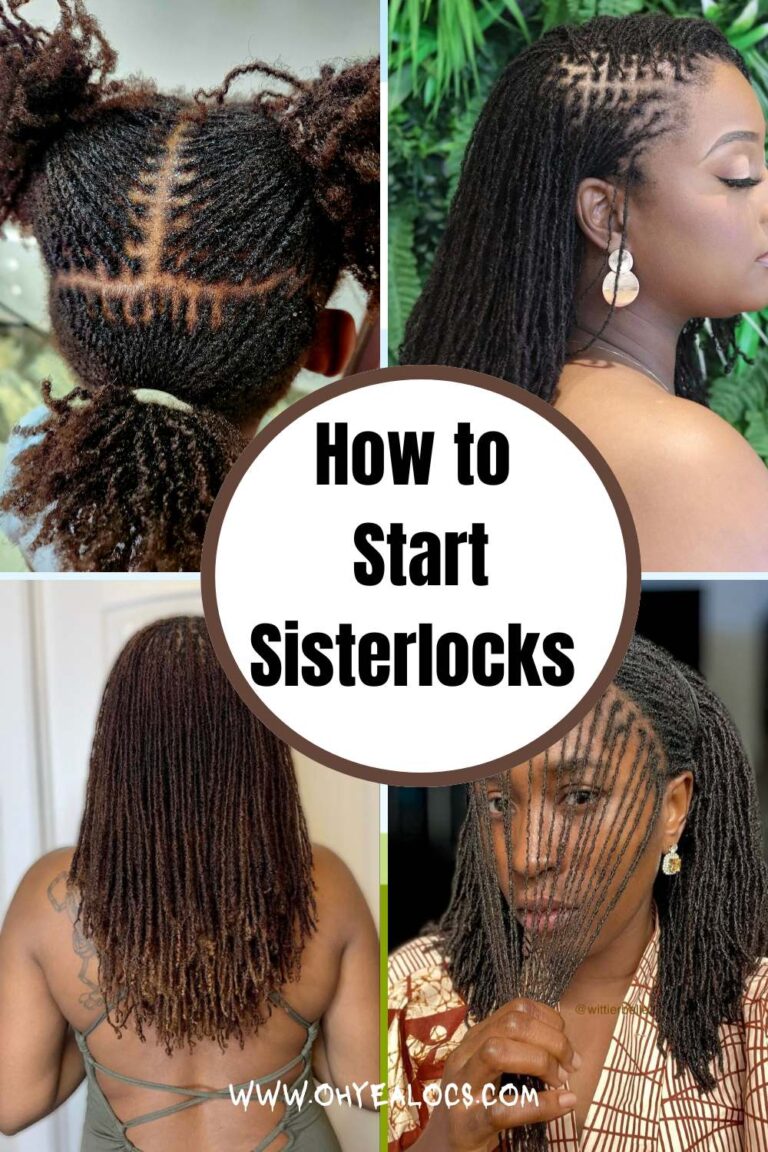
Starter Loc Mistakes That Can Ruin Your Loc Journey
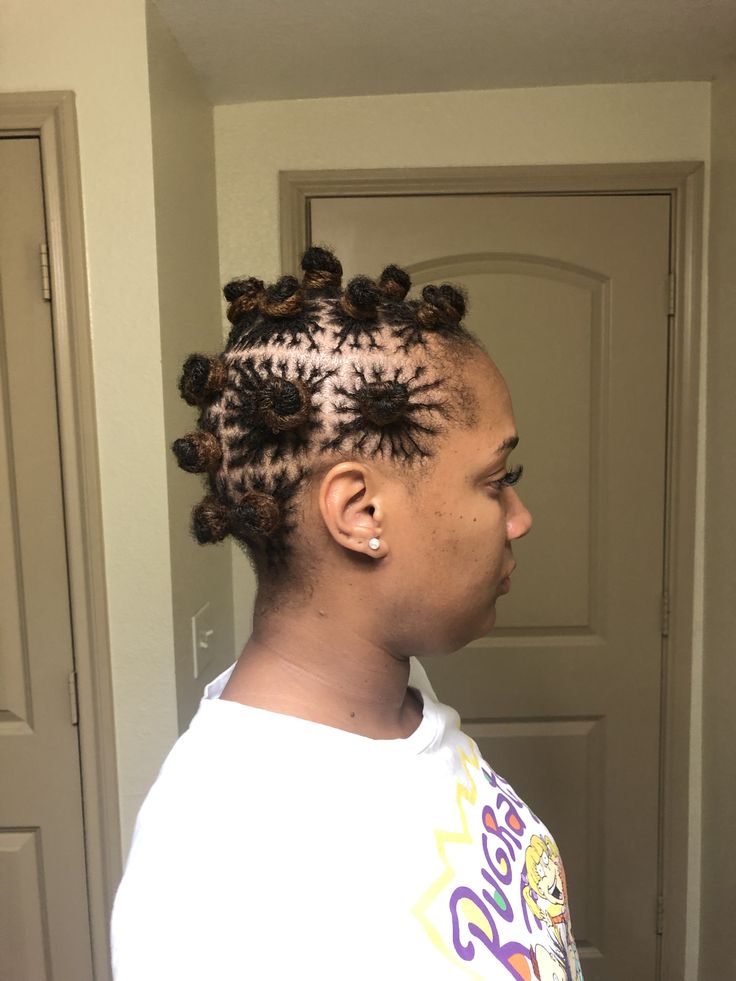
No doubt, starting locs can be exciting. It often feels like a bold declaration of identity, freedom, and self-acceptance. But as beautiful as the loc journey can be, the starter loc phase can be equally frustrating if not handled carefully.
At that delicate stage, many people unknowingly make mistakes that later lead to thinning locs, excessive breakage, buildup, or even the need to start all over again.
Learn more here: How to Start Your Loc Journey the Right Way
If you’re new to locs or considering starting them, this article will walk you through the most common starter loc mistakes and how to avoid them. With the right information, your loc journey can be healthy, fulfilling, and stress-free from the very beginning.
This guide will help you avoid mistakes: Common Mistakes To Avoid When Locking Your Hair
Why the Starter Loc Phase Matters

Starter locs are the foundation of your entire loc journey. Whatever happens during this phase often determines the long-term health, thickness, and strength of your locs. Unfortunately, many beginners underestimate this stage, treating it as something to rush through instead of nurture.
Here’s the catch: Starter loc mistakes usually don’t show immediate damage. They often show up months or even years later – as thinning roots, weak locs, scalp issues, or locs that never fully mature.
By the time you begin to notice the damage, you would have wasted time, energy and resources doing the wrong thing. Think of how frustrating that could be.
When it comes to nurturing your love, it’s often not enough to do the right things; understanding what not to do is just as important as knowing what to do.
See this guide: Different Methods of Starting Locs
With that said, let’s take a quick walk through the biggest mistakes that can quietly ruin your loc journey and how to avoid them.
Some starter Loc Mistakes That Can Ruin Your Loc Journey Includes
1.Starting Locs for the Wrong Reasons
One of the most overlooked starter loc mistakes beginners make is starting locs with the wrong intention. Many people begin their loc journey because locs are trending, a celebrity inspired them, or they’re tired of daily hair manipulation.
While these reasons aren’t inherently bad, they can become problematic if they’re not backed by commitment and understanding.
More than any other hairstyle, locs require patience, consistency and the willingness to embrace imperfect stages.
If you decide to grow your locs just to escape the demands of regular hair care, it would only take a couple of weeks before you would find out that locs are not a low-maintenance hairstyle as many people think.
Keep this page open: Everything You Need to Know Before Starting Your Loc Journey
And if you choose locs purely for aesthetics, you may become frustrated during the budding phase, unraveling, or the so-called “ugly stage.” The frustration can lead to over-manipulation, excessive retwisting, or premature styling – all of which can damage starter locs.
In a nutshell, a healthy loc journey starts with the right mindset.
2. Choosing the Wrong Starter Loc Method
Another major beginner mistake is choosing a starter loc method that doesn’t suit your hair type or lifestyle.
Common starter loc methods include:
- Comb coils
- Two-strand twists
- Braids
- Interlocking
Each method has advantages and disadvantages. Comb coils, for example, may unravel easily on soft or fine hair. Two-strand twists may take longer to lock but offer more stability. Braids can trap buildup if not maintained properly.
Sadly, many beginners make the mistake of copying what worked for an influencer or friend without consulting a loctician or considering their own hair texture.
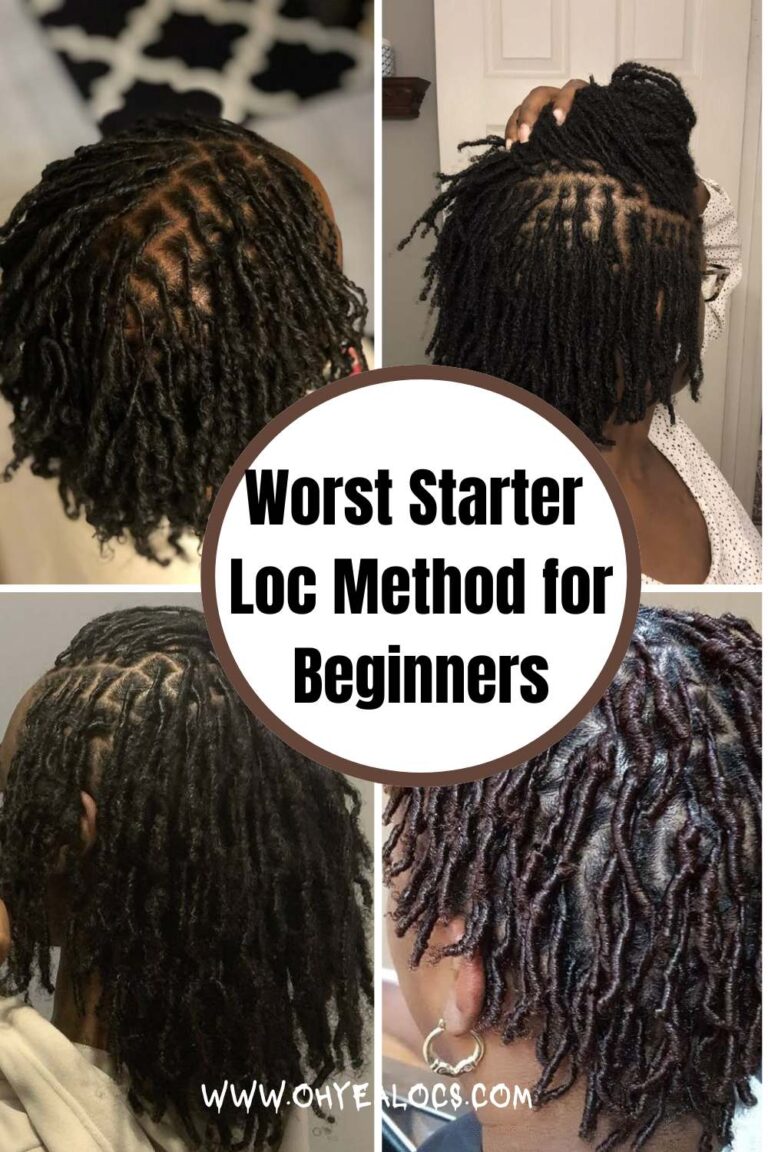
Pin this: Worst Starter Loc Method for Beginners
The truth is that there is no one-size-fits-all method for starting locs. Choosing the wrong one can slow down the locking process or cause weak, uneven locs.
3. Ignoring Your Hair Type and Texture
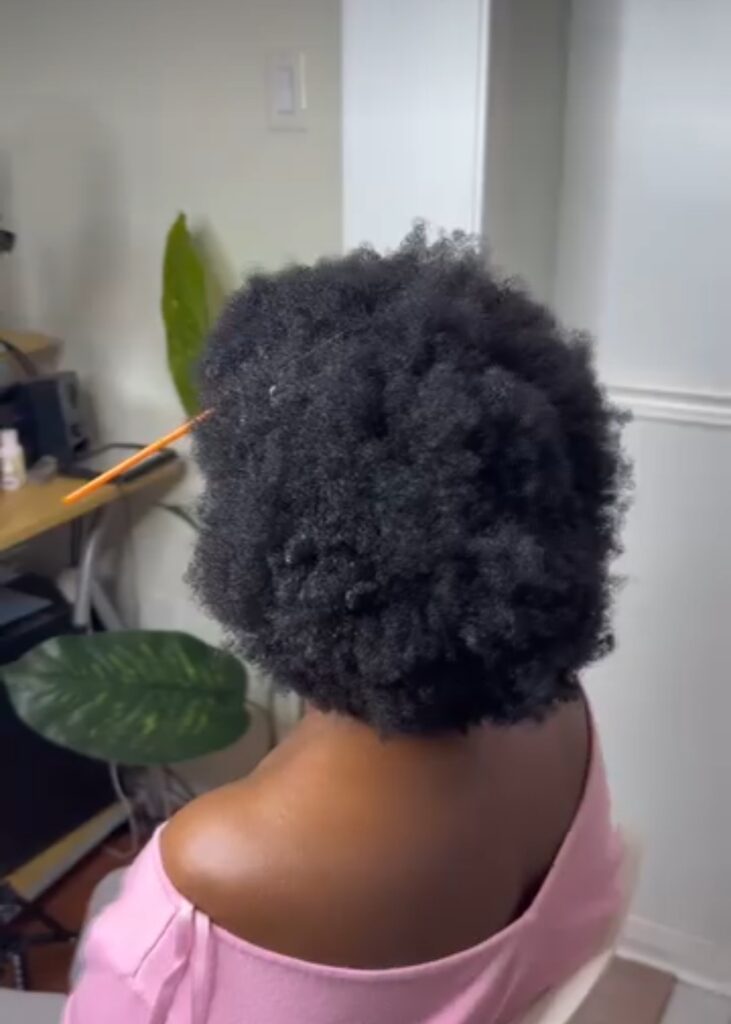
An individual’s hair type matters more than most people realize. Fine hair, thick hair, coily hair, and loose curls all behave differently during the locking process.
Ignoring your hair’s natural tendencies can lead to:
– Constant unraveling
– Thinning starter locs
– Excessive breakage
– Frustration and inconsistency
For example, fine hair requires gentler manipulation and longer breaks between retwists. Tightly coiled hair may lock faster but still needs proper moisture to avoid dryness and snapping.
Learn more here: How to Prepare Your Hair Before Locking: The Ultimate Guide
Understanding your hair type helps you:
– Choose the right starter loc method
– Set realistic expectations
– Build a sustainable care routine
This knowledge alone can save your loc journey from years of wasted efforts and frustration.
4. Over-Manipulating Your Starter Locs
One of the fastest ways to ruin starter locs is doing too much, too soon.
Over-manipulation includes:
– Constant palm rolling
– Frequent twisting “just to make it neat”
– Styling starter locs excessively
– Playing with locs throughout the day
Here’s what most beginners don’t know: Starter locs need time to form internal bonds. When you constantly manipulate them, you interrupt that process in such a way that instead of locking, the hair weakens at the roots and along the shaft.
A good rule to remember is this: starter locs thrive when they are left alone.
5. Washing Too Soon – or Not Washing at All
There is this popular myth in the loc community that starter locs shouldn’t be washed. Whereas, there are others who wash too often. In reality, both extremes are harmful.
Washing too soon without proper technique can cause unraveling. But avoiding washing for weeks or months can also lead to:
– Product buildup
– Scalp irritation
– Odour
– Slow loc development
The best thing is to wash at the right interval. A dirty scalp does not support healthy hair growth.
Save this los care guide: How to Care for Your Locs the Right Way: A Complete Guide for Healthy, Long-Lasting Locs
Inasmuch as the frequency of washing matters, how you wash is equally important.
Use gentle shampoos, careful techniques, and professional guidance when possible.
6. Using the Wrong Products on Starter Locs
Product misuse is one of the most damaging starter loc mistakes.
Heavy products such as thick creams, waxes and petroleum-based oils
may promise hold or shine, but they often cause buildup inside starter locs. This buildup becomes trapped as locs mature, leading to dullness, stiffness, and unpleasant odour.
On the contrary, starter locs do best with:
– Lightweight oils
– Water-based moisturizers
– Minimal product use
Here’s the litmus test: If you can see the product sitting on your locs, it’s probably too heavy.
7. Retwisting Starter Locs Too Often
Frequent retwisting is a common mistake driven by the desire for neatness. While neat roots look appealing, over-retwisting weakens hair.
Retwisting too often can cause:
– Thinning edges
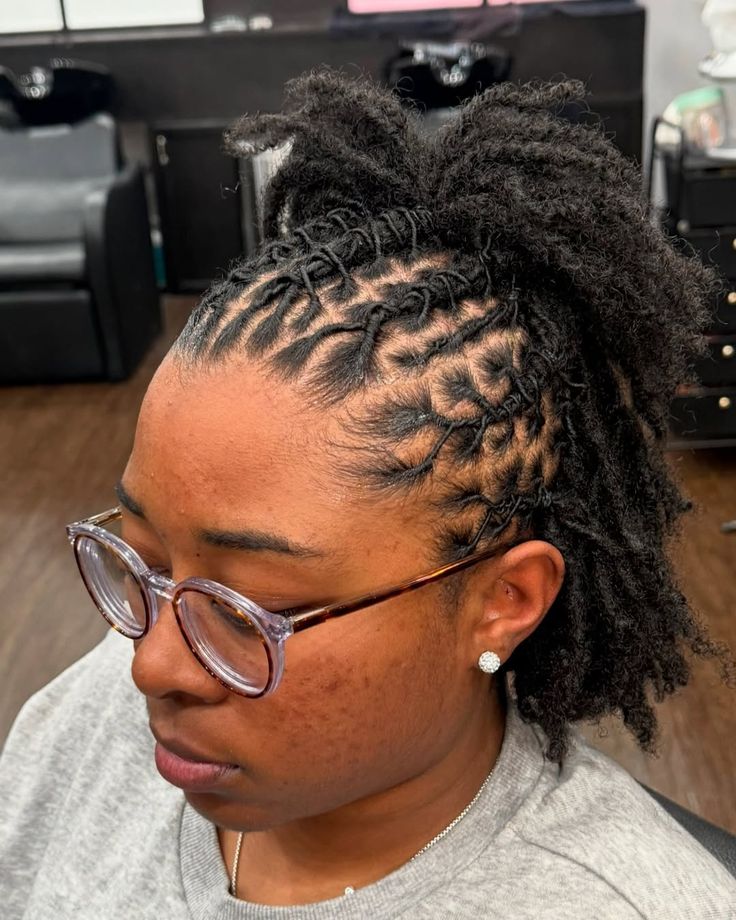
– Weak roots
– Tension-related breakage
Starter locs need time between retwists to recover and strengthen. Retwisting should enhance health, not compromise it.
Bookmark this: How to Maintain Your Locs Between Retightening
A healthy retwist schedule depends on your hair type, but more is rarely better.
8. Neglecting Moisture and Scalp Health
What a lot of loc starters don’t know is that dry locs are fragile locs. The less moisture your locs have, the higher their tendency to break.
Many beginners often focus so much on neatness that they tend to forget the basics – moisture and scalp care. Starter locs need consistent hydration to remain flexible and strong.
Come back to this: Everything You Need to Know About Steaming Your Locs
Neglecting moisture can lead to:
– Brittle locs
– Excessive shedding
– Itchy, flaky scalp
However, moisturizing doesn’t equate to applying heavy products. It simply means using a balance of water and light oils, and also, keeping the scalp clean. These help your scalp stay healthy. And a healthy scalp produces healthy locs.
Read this: 23 Things You Should Never Do to Your Locs
9. Comparing Your Loc Journey to Others
Comparison is one of the most subtle yet destructive mistakes anyone on a loc journey can make.
The truth remains that no two loc journeys are the same. Hair texture, genetics, lifestyle, and maintenance routines all play a role. And when you constantly compare your progress to others, you’re more likely to:
– Rush the process
– Over-manipulate your locs
– Abandon healthy routines
Your loc journey will unfold at its own pace and that pace (slow or fast) is perfectly okay.
Recomended for you: 10 Things I Wish I Knew Before I Started My Locs
10. Not Being Patient With the Locking Process
Perhaps the biggest mistake of all is impatience.
A lot of loc beginners often forget that starter locs take time to mature. Budding, frizz, unraveling, and uneven growth are all normal. Trying to force your locs to look “finished” too soon often leads to damage that takes years to correct.
The locking process is gradual by design. So, there’s nothing you can do to hasten the process.

Think of it like a seed that’s planted. You don’t get to dictate when the seed germinates and grows. You patiently wait for it.
In the same way, when growing locs, patience isn’t just a virtue, it’s a requirement.
If you liked tis, read this: Best Starter Locs Method for Soft Hair
Final Thoughts
Starter locs are not just the beginning, they are the blueprint. The habits you form during this stage determine the strength, thickness, and longevity of your locs.
Avoiding these common starter loc mistakes will save you time, money, and frustration. More importantly, it will allow you to enjoy your loc journey with confidence and peace.
Locs are a lesson in patience, care, and self-trust. When nurtured properly from the start, they become more than a hairstyle – they become a testament of growth, resilience and strength.
Frequently Asked Questions
1. How long should I realistically expect the starter loc phase to last?
The starter loc phase doesn’t have a fixed timeline. Depending on your hair texture, maintenance routine, and starter method, it can last anywhere from a few months to over a year.
2. Can I start locs on previously relaxed, dyed, or heat-damaged hair?
Yes, but it requires extra care. Chemically or heat-altered hair may take longer to lock, unravel more often, or feel weaker at the roots. Many people choose to gradually trim damaged ends over time rather than restarting completely.
3. Is it better to start locs myself or with a professional loctician?
While DIY starter locs are possible, beginners often benefit from starting with a professional, especially if they’re unsure about parting, sizing, or method selection.
4. Can I exercise, swim, or sweat regularly with starter locs?
Absolutely. An active lifestyle doesn’t ruin starter locs, but it does require adjustments. Frequent sweating may mean quicker buildup if products aren’t chosen wisely, hence, the need for more regular scalp cleansing.
5. When is it safe to colour or dye starter locs?
It’s best to avoid colouring during the early starter phase. Chemical dyes can weaken hair that hasn’t fully locked, increasing the risk of breakage and thinning. Most locticians recommend waiting until locs are more mature and structurally stable.
6. How do I know if my starter locs are too small or too large?
Starter loc size determines your final loc thickness. If locs feel overly thin, fragile, or sparse early on, they may not support long-term growth. If they’re too large, they may take much longer to lock. Consulting a professional early in the journey can prevent regret later.
7. Do diet and hydration affect how well locs grow and mature?
Yes. Hair health begins internally. Poor nutrition, dehydration, or deficiencies can slow growth and weaken locs regardless of your routine. A balanced diet, adequate water intake, and overall wellness support a healthier loc journey.
8. Is frizz a sign that something is wrong with my starter locs?
Not at all. Frizz is a normal and necessary part of the locking process. It’s often a sign that hair is expanding and beginning to mesh.
9. What signs indicate that my starter locs are unhealthy?
Warning signs include persistent scalp pain, excessive shedding, thinning at the roots, foul odour despite washing, or locs breaking off entirely.
10. If I’ve already made mistakes, is it too late to fix my starter locs?
In many cases, no. Early intervention – such as adjusting your routine, spacing out retwists, or consulting a professional – can restore the health of your locs.