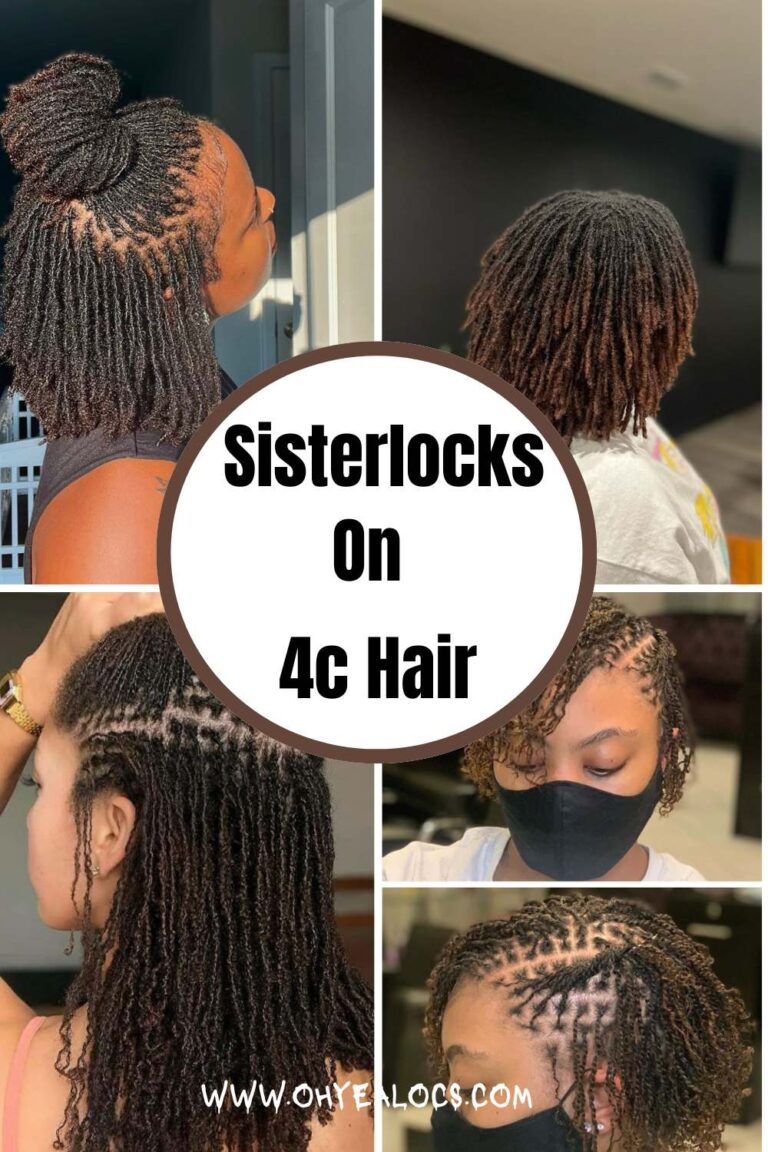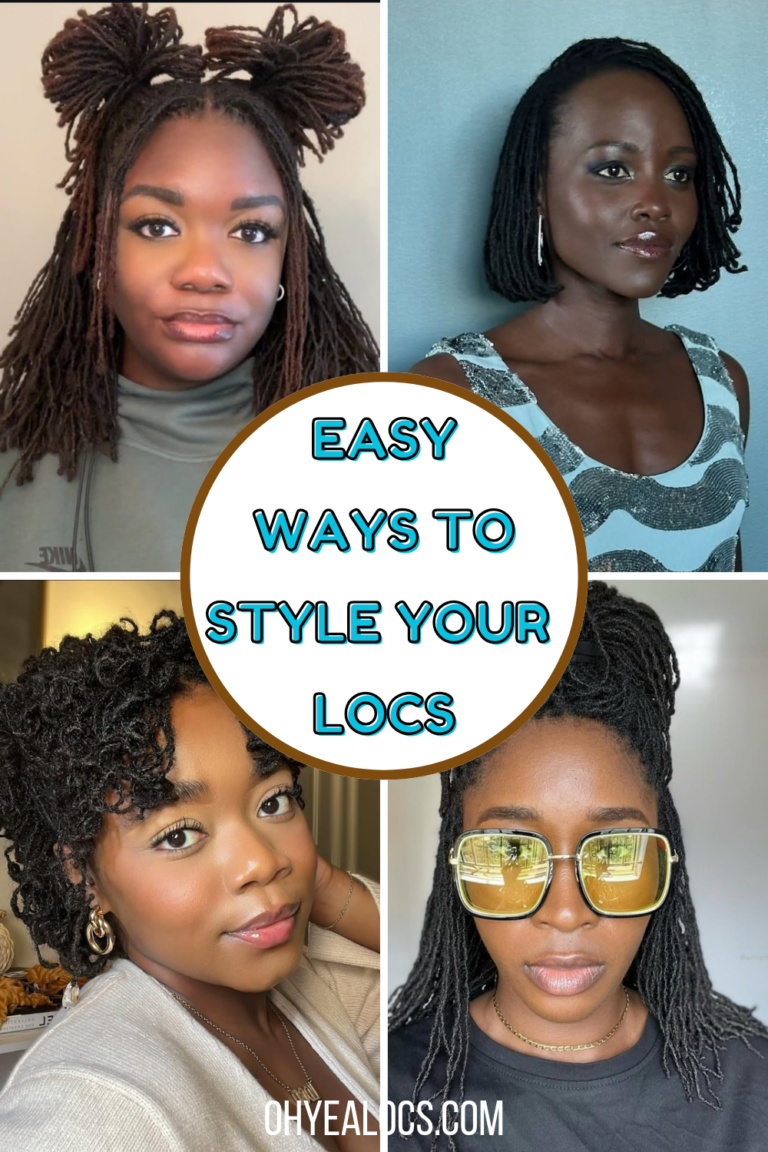
Starter Loc Methods That Last the Longest (Ranked)
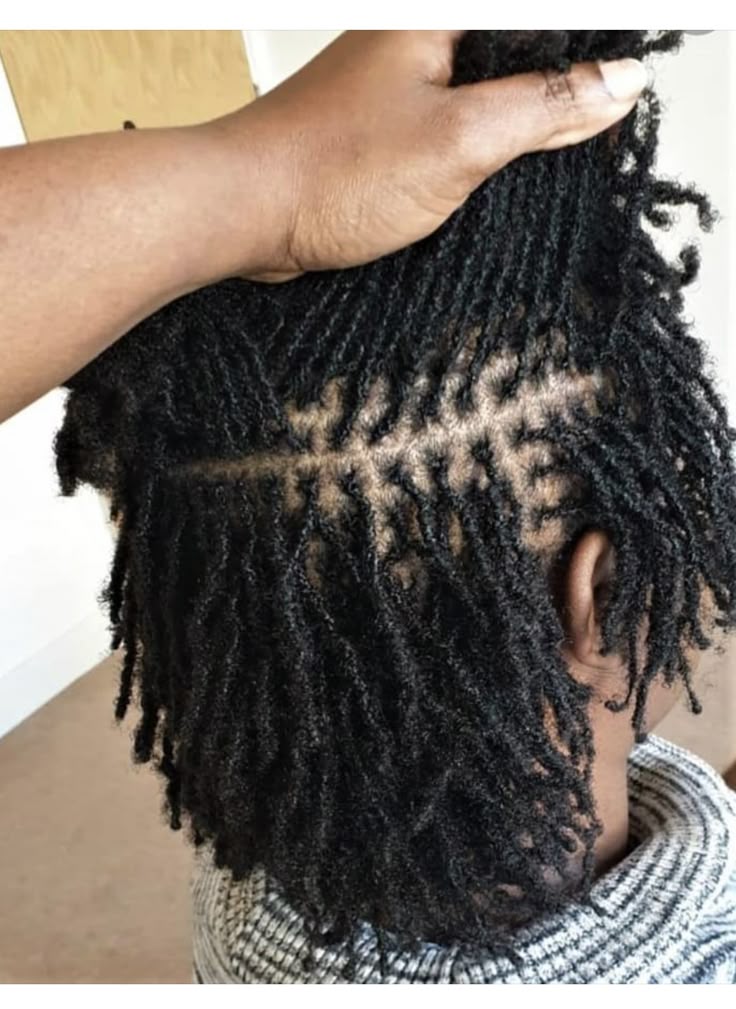
Choosing a starter loc method is one of the most important decisions you’ll make on your loc journey. While aesthetics matter, longevity often matters more, especially if you want starter locs that stay neat, resist unraveling, and don’t require constant fixing.
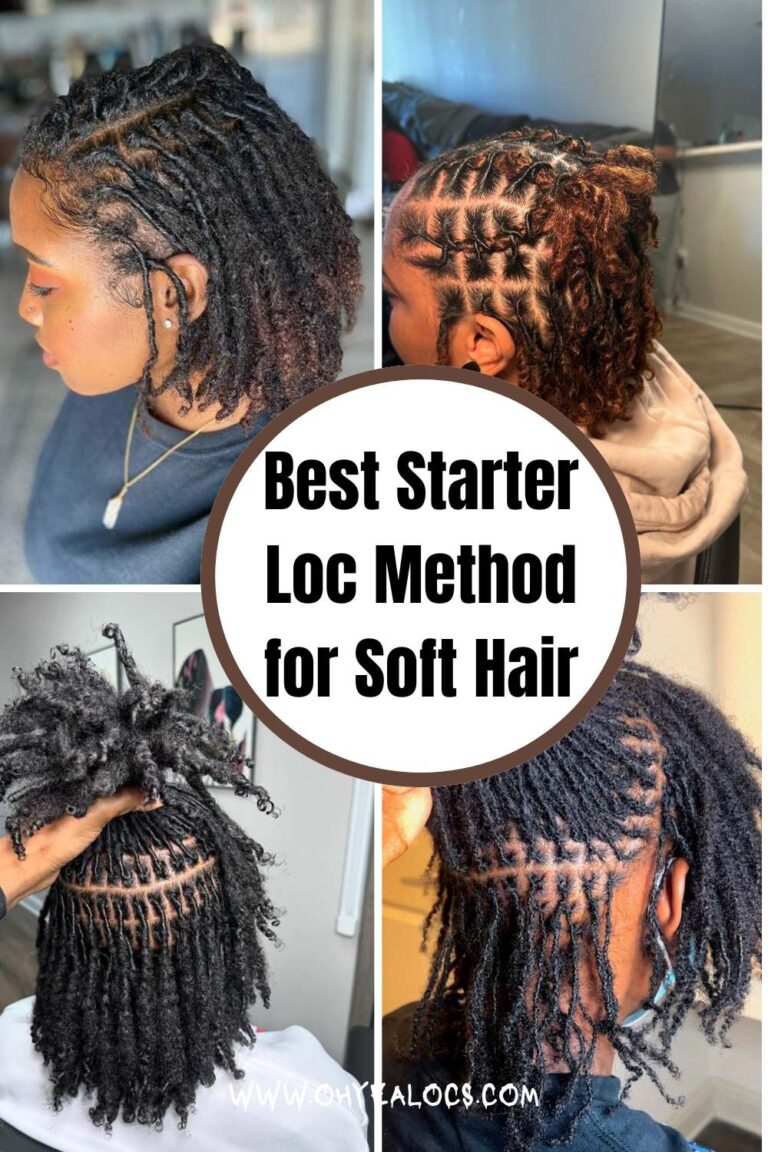
Pin this: Best starter locs method for soft hair
Some starter loc methods simply last longer than others. They hold up better during washing, sweating, sleeping, and everyday life. Others look great initially but demand more patience and maintenance in the early stages.
In this guide, we rank starter loc methods by how long they last, explain why they last, and help you choose the best option for your hair type, lifestyle, and expectations.
Save this guide: Different methods of starting locs
Whether you’re starting locs for yourself, your child, or a client, this breakdown will save you time, money, and frustration.
Let’s get in real quick!
What Does “Lasting the Longest” Mean for Starter Locs?
When people ask which starter loc method lasts the longest, they are usually asking one (or more) of these questions:
•Which method unravels the least?
•Which starter locs stay neat the longest?
•Which method can handle frequent washing?
•Which starter locs require the least early maintenance?
When we say “longevity” in this article, we are referring to a combination of:
•Resistance to unraveling
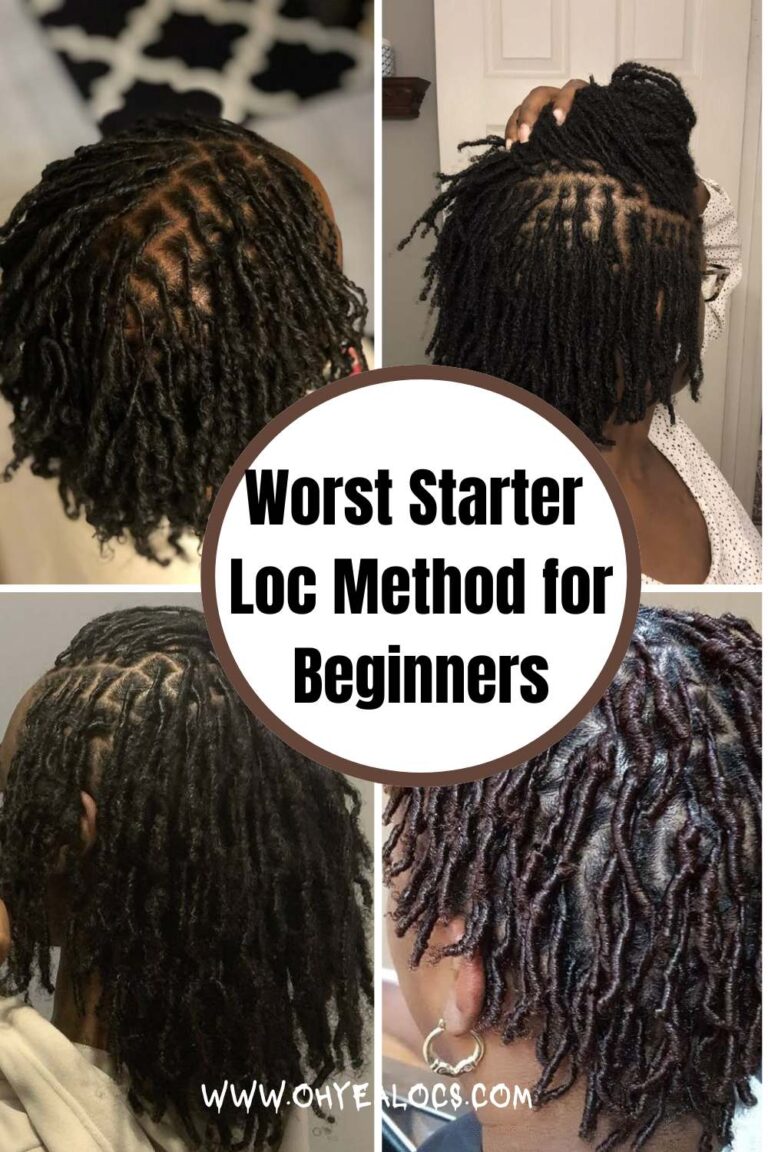
This guide will save you: Worst starter locs methods for beginners
•Ability to maintain clean parts
•Durability during washing and sweating
•Overall stability in the early loc stage
Note that longevity does not necessarily mean faster maturity. Some long-lasting starter loc methods still take time to fully mature. Only that they don’t fall apart before maturity.
What Determines How Long Starter Locs Last?
Before we rank the methods, it’s important to understand that longevity is influenced by more than just technique.
Here are some factors that play a huge:
•Hair Texture and Density
Softer hair textures tend to unravel faster, while coarser textures usually hold better. Fine hair may require a more secure method to last.
•Natural Curl Pattern
Tighter curl patterns (type 4 hair) generally loc faster and hold starter locs better than looser patterns.
•Lifestyle
If you sweat often, work out regularly, swim, or wash your hair frequently, your starter locs need to be especially durable.
Read this: How to care for your locs the right way
•Maintenance Routine
Over-manipulation, improper retightening, or heavy products can shorten the lifespan of any starter loc method.
•Loctician Skill
Even the best method won’t last if done incorrectly. Technique matters as much as the method itself.
Having established all that, let’s now get into it
Starter Loc Methods That Last the Longest (Ranked)
#1 Interlocking – The Longest-Lasting Starter Loc Method
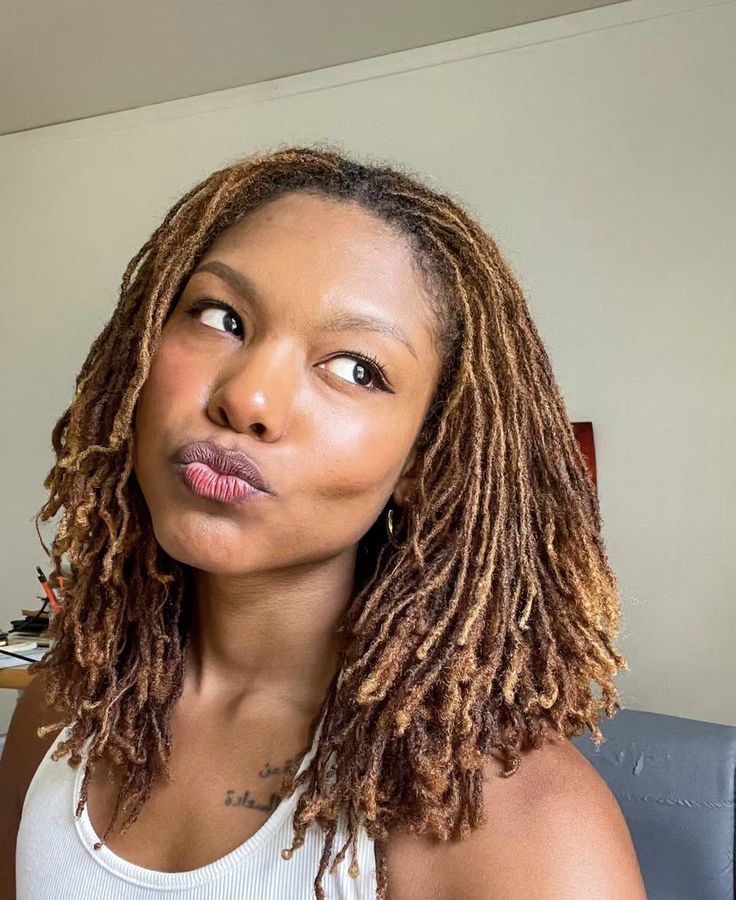
Interlocking ranks number one for longevity, hands down.
This method involves pulling the ends of the hair through the root using a specific pattern and locking the hair from the scalp outward. Because the root is already secured, unraveling is minimal to nonexistent.
Why Interlocking Lasts the Longest
– Hair is locked at the root immediately
– Can withstand frequent washing
– Maintains clean parts for longer periods
– Ideal for active lifestyles
Benefits of Interlocking:
– Extremely durable
– Great for soft or fine hair
– Perfect for kids and active adults
Disadvantages of Interlocking:
– Can cause thinning if overdone
– Requires proper technique and spacing
Interlocking is Best For:
– Soft hair textures
– People who wash their hair often
– Busy lifestyles with minimal styling time
#2 Two-Strand Twist Starter Locs – Durable and Beginner-Friendly
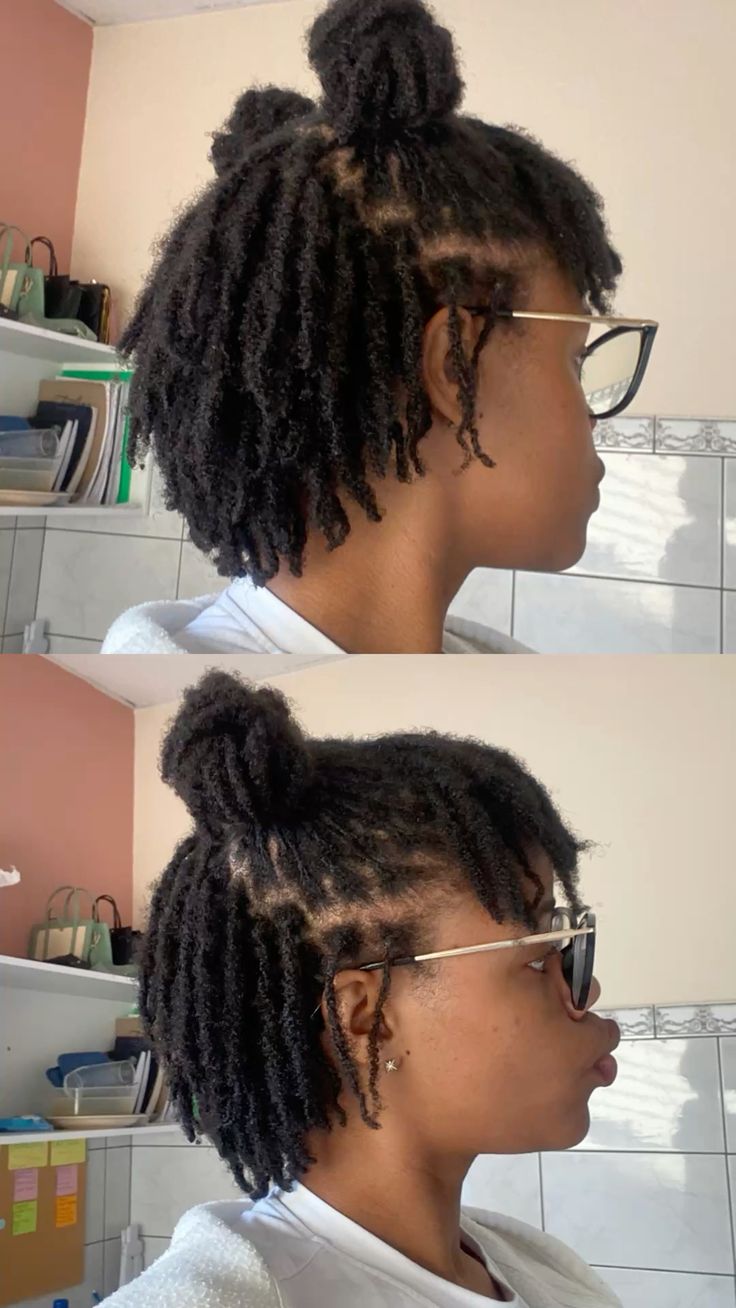
Two-strand twist starter locs are one of the most popular methods – and for good reason. While not as durable as interlocking, they last significantly longer than comb coils, especially on medium to thick hair.
Read more: Two strand twist vs comb coils: Which loc method is better?
Why They Rank #2
– Twists naturally lock into each other
– Less unraveling than coils
– Fuller appearance early on
Advantages of Two-Strand Twist
– Beginner-friendly
– Easy to maintain
– Creates thicker love
Disadvantages of Two-Strand Twist
– Can frizz or swell
– Takes longer to fully mature
Two-Strand Twist is Best For
– Medium to thick hair
– People who want volume early
– Those who prefer a softer, more natural transition
Two-strand twist starter locs strike a balance between durability and flexibility, making them a solid long-term choice.
#3 Crochet Starter Locs (Instant Locs) – Immediate and Stable
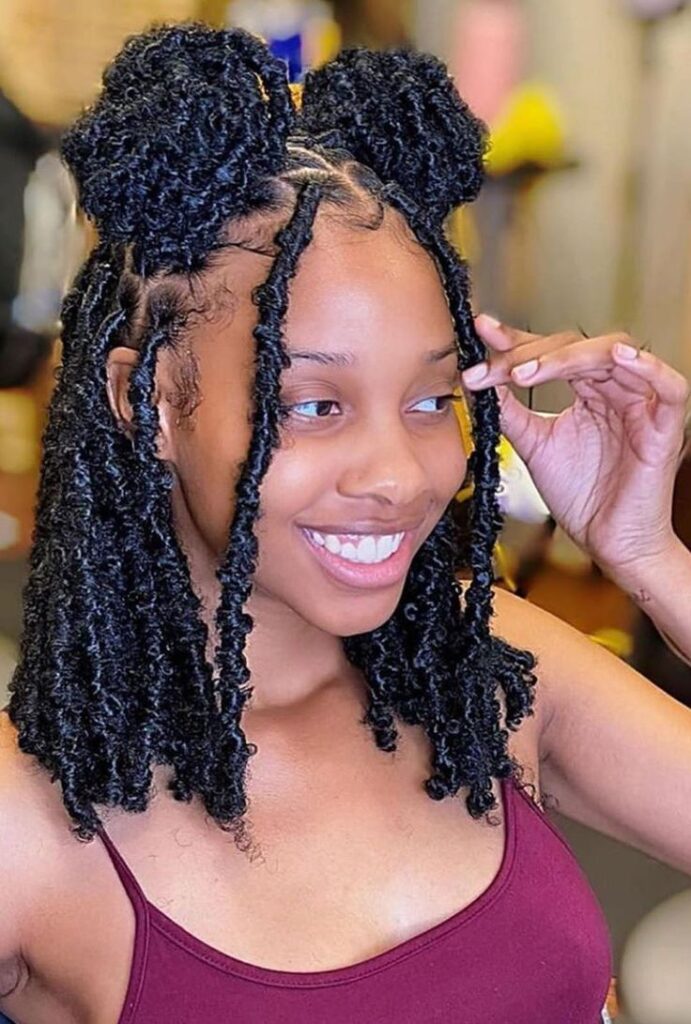
Crochet starter locs, often called instant locs, create fully formed locs using a crochet hook. Once installed correctly, they do not unravel at all.
So why aren’t they number one?
Because longevity also includes hair health over time, not just immediate stability.
Why Crochet Starter Locs Rank #3
– Locs are instantly formed
– No unraveling phase
– Very low maintenance early on
Advantages of Crochet Starter Locs
– Gives an immediate locked appearance
– Ideal for people who want instant results
– Withstands washing and manipulation
Keep this page open: How to care for your locs the right way
Disadvantages of Crochet Starter Locs
– Can be stiff initially
– Risk of breakage if over-crocheted
– Requires an experienced loctician
Crochet Starter Locs Are Best For:
– Busy professionals
– Those transitioning from relaxed or loose hair
– People who want mature-looking locs immediately
Crochet starter locs last long, but the technique is critical to avoid damage.
#4 Comb Coil Starter Locs – Stylish but Less Durable Early On
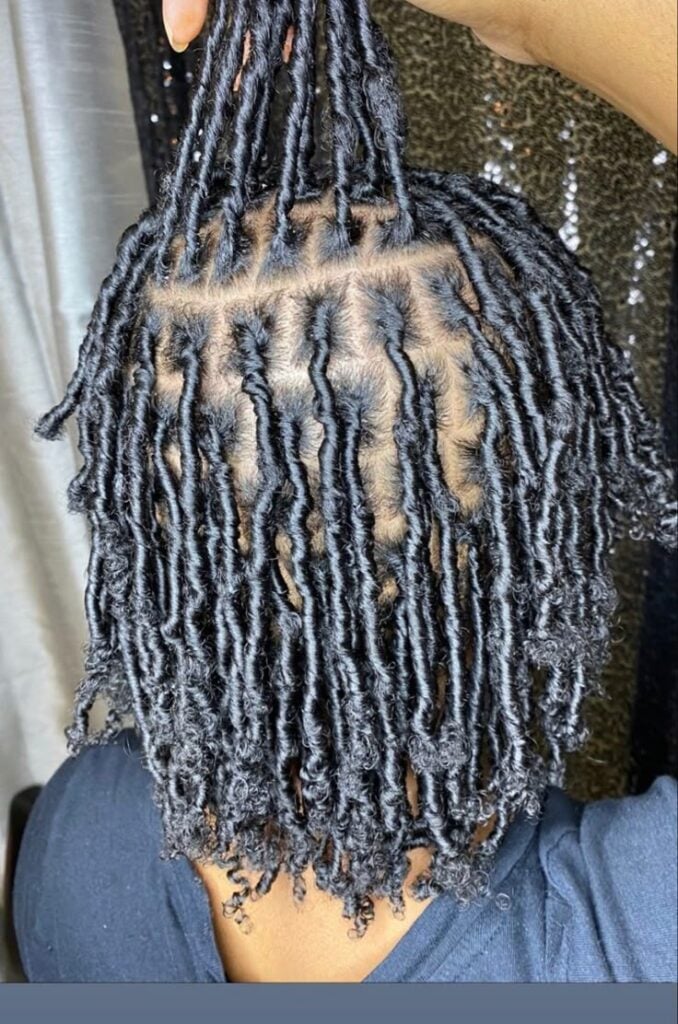
Comb coils are one of the most common starter loc methods, especially for beginners. However, in terms of longevity, they rank lower.
Why Comb Coils Rank #4
– Easily unravel when wet
– Require frequent maintenance early on
Learn more on comb coils here: Do comb coils lock faster? Honest truth from the first 90 days
Advantages of Comb Coils
– Clean and uniform look
– Easy to start
– Works well on coarse hair
Disadvantages of Comb Coils
– Unravels easily during washing
– Not ideal for active lifestyles
– Requires patience and frequent retwisting
Comb Coils Are Best For:
– Coarse type 4 hair
– People who don’t wash often
– Those committed to regular maintenance
Comb coils can last, but they demand more effort to get there.
#5 Braid Starter Locs – Strong Hold with a Slower Locking Process
Braid starter locs are often chosen for length retention, but they rank lowest in longevity when considering natural loc formation.
Why Braid Starter Locs Rank #5
– Braids hold, but don’t lock quickly
– Can result in flat locs
Advantages of Braid Starter Locs
– Minimal unraveling
– Excellent for retaining length
– Good for transitioning hair
Disadvantages of Braid Starter Locs
– Takes longer to round into locs
– May require palm rolling to shape
Braid Starter Locs are Best For:
– Transitioning from relaxed hair
– People concerned about shrinkage
– Those with patience for slower maturity
Braid starter locs last structurally, but the locking process itself is slower and less consistent.
Comparison of Starter Loc Methods by Longevity
From longest-lasting to least durable, here’s how starter loc methods rank:
1. Interlocking
2. Two-strand twists
3. Crochet (instant locs)
4. Comb coils
5. Braids
It’s important to note that longevity also depends on both method and maintenance. You can choose the best starter loc method and still ruin the outcome when not properly maintained.
How to Choose the Best Starter Loc Method for Your Hair
To choose the best starter loc method, these are the vital questions you need to answer:
– How often do I wash my hair?
– Is my hair soft, fine, or coarse?
– Do I want instant results or gradual maturity?
– How much maintenance can I realistically handle?
If longevity is your top priority, interlocking or crochet may be best. If you want balance and flexibility, two-strand twists are a great choice. On the contrary, if aesthetics matter more early on, comb coils may still work with patience.
Keep this handy: Starter locs method that last the longest
Common Mistakes That Reduce Starter Loc Longevity
Even the best method can fail if you don’t avoid these mistakes:
– Washing too soon without protection
– Over-retightening or over-crocheting
See this: How to maintain your locs between retightening
– Using heavy creams or waxes
– Excessive manipulation
– DIY techniques without proper knowledge
The truth remains that longevity of locs is only possible with gentle care and consistency. As important as choosing the right method is, there’s more to growing healthy locs.
Final Thoughts
There’s no single “perfect” starter loc method – only the one that best fits your hair, lifestyle, and long-term goals.
Longevity isn’t just about how long a style looks neat; it’s about how well it survives real life without stressing your hair or your patience.
Interlocking clearly stands out for durability, especially for soft hair textures and active routines. Two-strand twists offer a reliable middle ground, while crochet locs deliver instant stability when done by skilled hands.
Comb coils and braids can still thrive but they demand more commitment, care, and realistic expectations in the early stages.
Ultimately, starter locs last the longest when the method, maintenance, and mindset align. Choose wisely, care gently, and always remember that locs are a journey, not a race.
When started right and maintained well, any method can grow into healthy, beautiful locs that stand the test of time.
Boomark this: Starter locs mistakes that ruin your locs journey
Frequently Asked Questions (FAQs)
1. Can I change my starter loc method after installation?
Yes, some starter loc methods can be switched early in the journey. For example, comb coils can later be interlocked or crocheted if unraveling becomes a problem.
2. How long should I wait before my first professional maintenance appointment?
This depends on the method used. Interlocked locs may last 6–8 weeks before needing attention, while comb coils and twists may need maintenance sooner.
3. Do starter locs need special products to last longer?
No special or expensive products are required. Lightweight, residue-free products and regular cleansing are more important than heavy oils, creams, or waxes, which can actually shorten longevity.
4. Can starter locs last if my hair is very short?
Yes, but the method matters. Crochet and interlocking tend to perform better on very short hair, while coils and twists may struggle to hold without frequent maintenance.
5. Is it normal for starter locs to look messy before they mature?
Absolutely. Frizz, swelling, and uneven texture are normal parts of the loc process. A messy phase does not mean your starter locs are failing or won’t last.
6. Can I color my hair while in the starter loc stage?
Hair coloring during the starter stage is not advised. Chemical processing can weaken the hair before the locs are fully established, reducing durability and increasing breakage risk.
7. Do starter locs last longer when installed smaller or larger?
Medium-sized parts generally offer the best balance. Very small locs may thin over time, while very large ones can loosen at the roots. Size should align with your hair density and long-term loc goals.
8. Should I retwist or retighten myself to save money?
DIY maintenance is possible, but improper technique often reduces longevity. Many issues like thinning, slippage, and breakage stem from incorrect self-maintenance.
9. Can wearing wigs or headwraps affect how long starter locs last?
Protective coverings can help, but tight wigs, friction-heavy fabrics, or constant pressure on the roots can cause stress and weaken starter locs over time.
10. How do I know if my starter locs are failing or just going through a phase?
Unraveling, excessive thinning, or repeated breakage may signal a problem. Frizz, puffiness, and slow locking are normal phases. When unsure, consult a loctician before attempting fixes.