Starter Loc Methods that Last the Longest
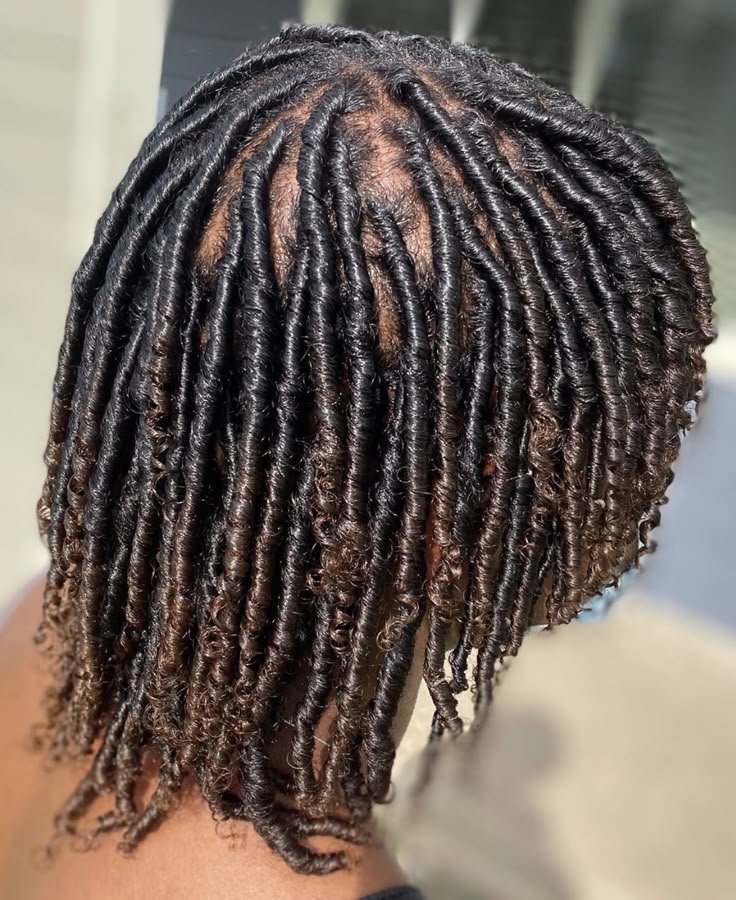
Starting a loc journey can be beautiful and fulfilling. But beyond the aesthetics, it’s also a commitment to a long-term hair journey. That’s why the decision shouldn’t be approached casually but with a sense of responsibility and the desire to learn all that is to know about growing healthy locs.
However, it’s not surprising to see beginners choose a starter loc method based only on appearance, without considering how long it will actually last.
What they fail to understand is that some of those methods that seem appealing could cause their locs to unravel too often, thin out, or require constant redoing, thereby leading to frustration and unnecessary expenses.
That’s why understanding best starter loc methods that last the longest is essential. The right method can save you months of stress, help your locs mature properly, and protect the health of your hair from day one.
In this guide, we’ll break down the most durable starter loc methods, explain why some last longer than others, and help you choose the best option for your hair type, lifestyle, and maintenance preference.
Why Does Your Choice of Starter Locs Matter?
Starter locs are the foundation of your entire loc journey. How your locs begin will influence how they look, feel, and grow for years. While some methods create neat styles quickly, others focus more on durability and long-term success.
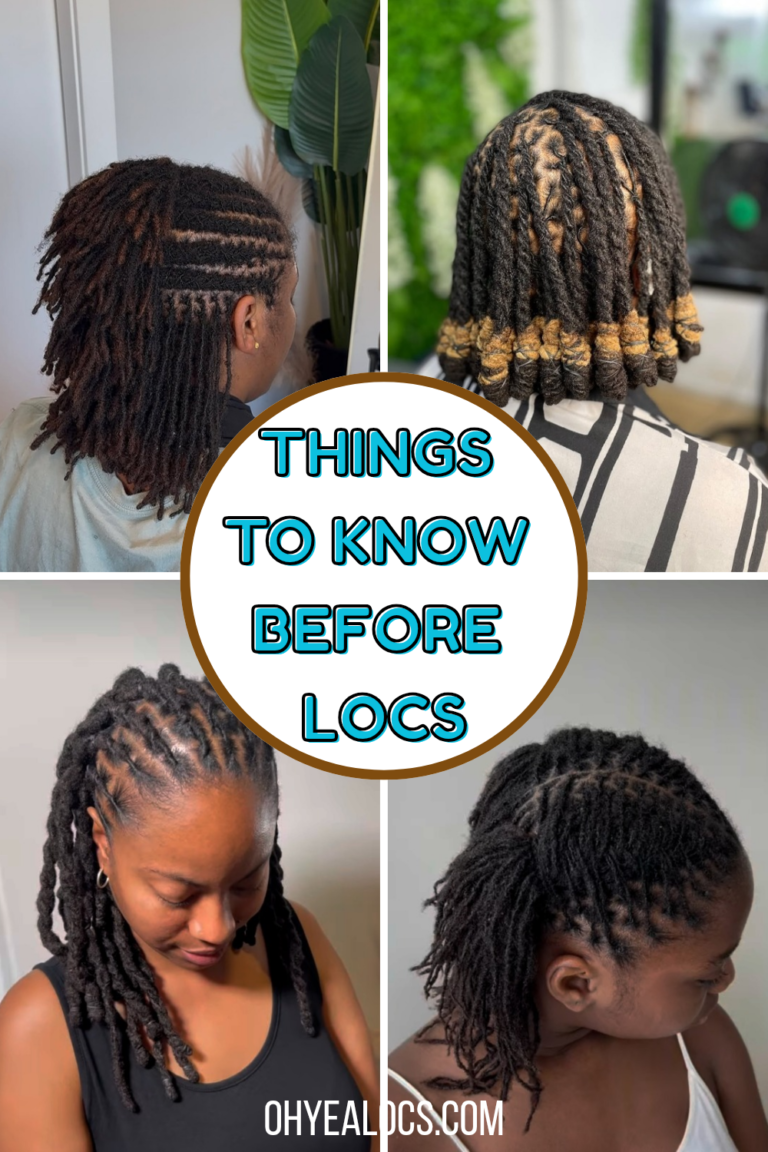
I broke it down here: 10 Things I Wish I Knew Before Starting My Locs
Many people restart their locs not because locs aren’t for them, but because the initial method didn’t suit their hair texture or lifestyle. Choosing a starter loc method that lasts long reduces unraveling, minimizes breakage, and allows your hair to lock naturally over time.
Whether you have soft hair, coarse hair, or an active lifestyle, this article will help you make an informed decision so you can start your locs once – and start them right.
This guide will help you: Different methods of starting locs
Before we dive in, let’s unravel some factors that affect locs longevity.
What Determines How Long Starter Locs Last?
Before choosing a starter loc method, it’s important to understand what actually affects longevity. The truth is, no method exists in isolation. Several factors come into play.
Here are some common factors:
•Hair texture
This plays a major role. Tightly coiled hair tends to lock faster and hold styles better, while softer or looser textures may unravel more easily if the method isn’t secure enough. Porosity, strand thickness, and natural shrinkage also influence how well starter locs stay intact over time.
This guide will help you: How to prepare your hair before locking
•Hair length
This also matters. Very short hair may not hold certain starter loc styles well, while longer hair provides more grip and structure. However, longer hair can also add weight, making neat sectioning and proper tension especially important during the starter phase.
•Lifestyle habits
These are another key factor. Frequent washing, heavy workouts, swimming, or sweating can cause starter locs to loosen quickly if the method isn’t durable. Protective styling, workout routines, and exposure to moisture should all be considered before choosing a starter loc method.
•Maintenance routines
They also affect longevity. Some starter loc methods require regular retightening, while others can go longer between appointments. Consistency with moisturizing, proper washing techniques, and avoiding excessive manipulation helps prevent premature unraveling and thinning.
Save this guide: How to care for your locs the right way
•How skillful the loc technician is
This also matters for those who employ professional services. Even the best starter loc method won’t last long if it’s poorly installed or maintained. Proper sectioning, tension control, and an understanding of your hair type make a significant difference in long-term results.
Having established all that, let’s take a sneak peek at different loc starter methods and their longevity.
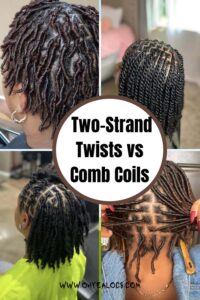
Read this: Two-Strand Twists vs Comb Coils – Which Loc Method Is Better?
Different Starter Loc Methods that Last the Longest
•Two-Strand Twists Starter
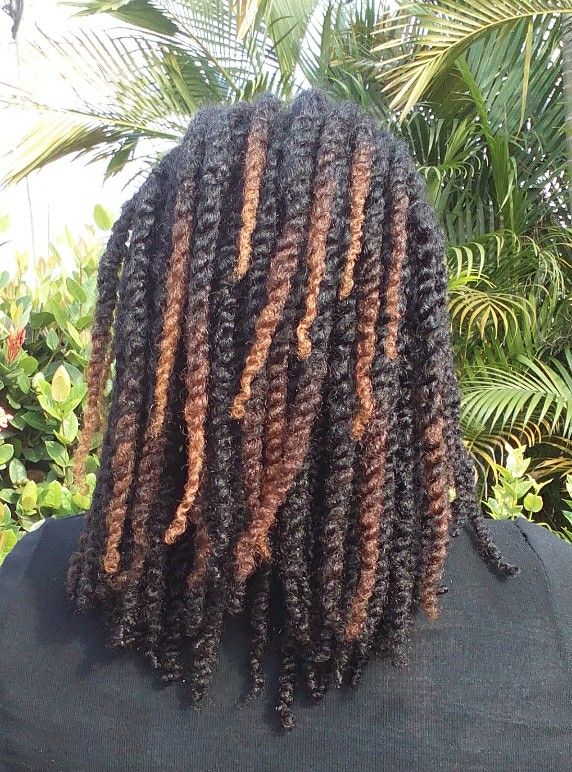
Two-strand twists are one of the most popular starter loc methods, especially for beginners. This method involves dividing the hair into sections and twisting two strands of hair around each other.
Two-strand twists last relatively long compared to comb coils, especially on medium to coarse hair textures. Because the hair is intertwined, the twists are more stable and less likely to unravel immediately.
Don’t skip this: Everything you need to know before starting your loc journey
This method works well for people who want a fuller look early in their loc journey. However, two-strand twists may take longer to fully lock, and the locs may initially appear thicker than the final mature size.
Longevity here depends heavily on maintenance. Without proper care, twists can loosen at the roots, especially on softer hair.
When done correctly, two-strand twists can last months and transition smoothly into mature locs.
•Comb Coils Starter Locs
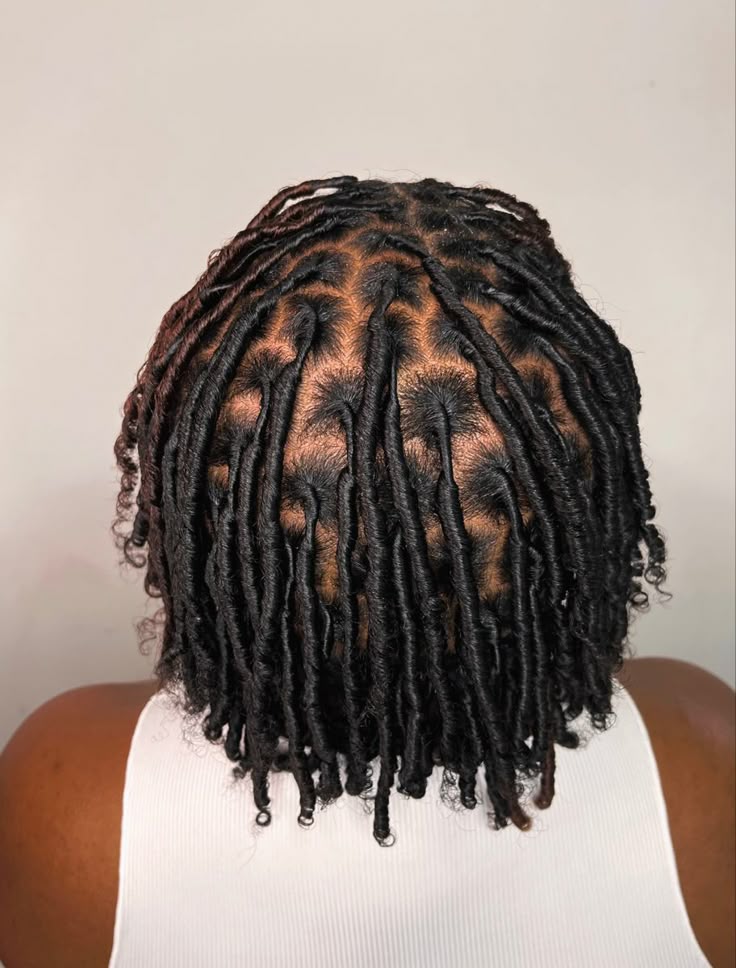
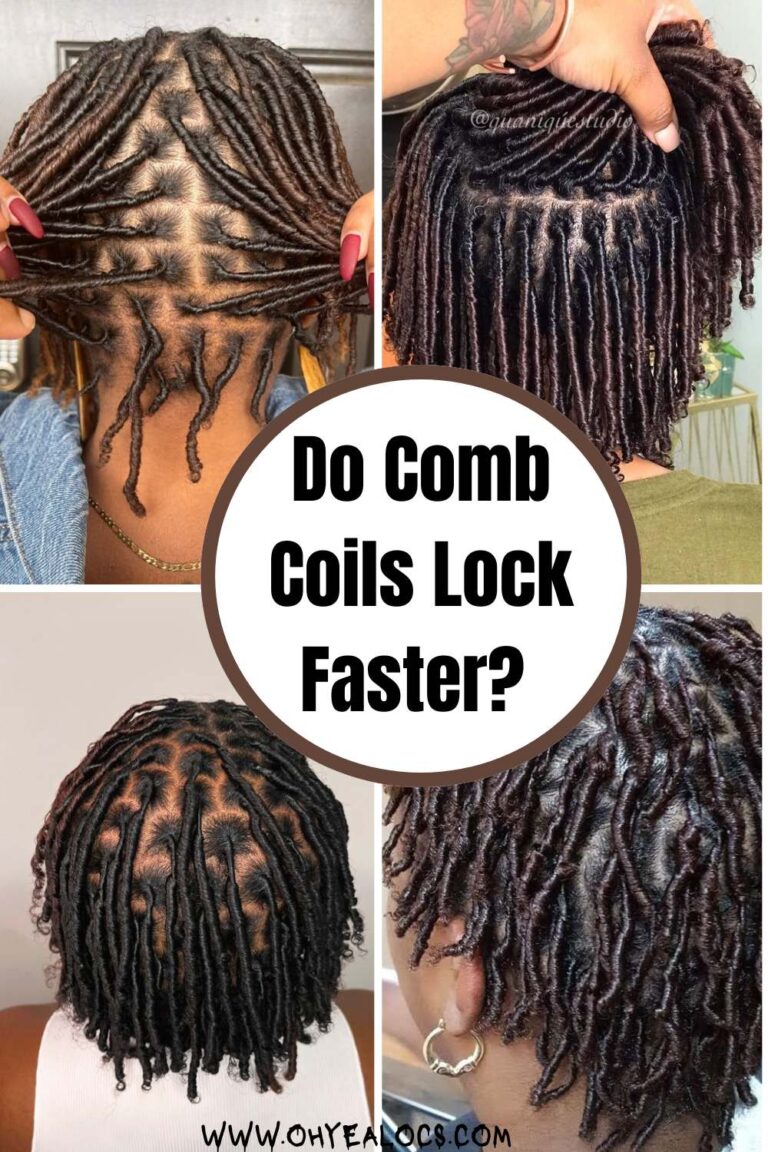
Comb coils are often chosen for their neat and uniform appearance. This method uses a rat-tail comb to coil the hair in a circular motion from root to tip.
While comb coils look very clean at the beginning, they are one of the least durable starter loc methods. They tend to unravel easily, especially after washing or sweating.
Comb coils work best on tightly coiled hair textures that naturally hold shape. On soft or fine hair, frequent retwisting is usually required, which can lead to thinning if overdone.
Because of their fragility, comb coils may not be the best choice for people seeking long-lasting starter locs with minimal maintenance.
Read this next: Do Comb Coils Lock Faster? Honest Truth from the First 90 Days
However, with patience and proper care, comb coils can still mature into beautiful locs over time.
•Interlocking (latching) Starter Locs
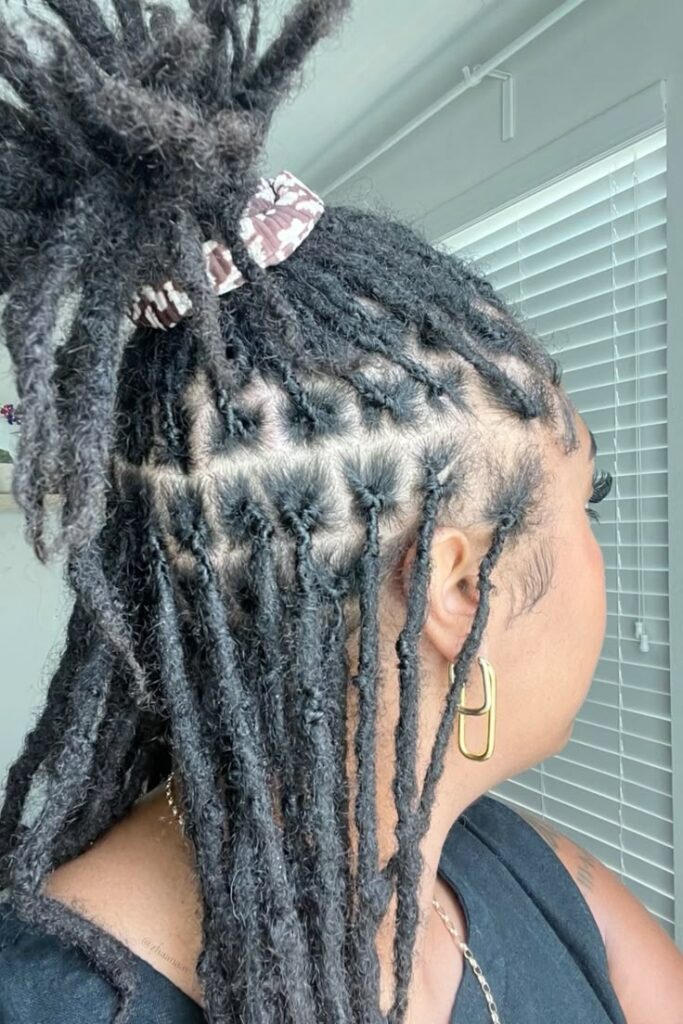
Interlocking, also known as latching, is one of the most durable starter loc methods ever. This technique involves pulling the end of the hair through the root using a tool, creating a secure knot-like structure.
Interlocked starter locs last significantly longer than twists or coils. They do not unravel easily and can withstand frequent washing, sweating, and active lifestyles.
This method is especially ideal for people with soft hair textures or those who exercise regularly. Because the root is tightly secured, there’s minimal slippage.
However, interlocking must be done carefully. Improper technique or excessive tightening can cause tension or thinning over time.
When done by a skilled loctician, interlocking provides an excellent balance between longevity and healthy hair growth.
•Braids as Starter Locs
Using braids as starter locs is another highly durable option. This method involves braiding the hair from root to tip and allowing the braid to lock over time.
Braided starter locs last long because braids are structurally strong and resistant to unraveling. They are especially suitable for people with soft or fine hair that struggles to hold twists or coils.
However, one downside is that braids can take longer to fully lock, and the braid pattern may be visible for an extended period. However, once they mature, braided locs become strong and uniform.
For those who prioritize longevity and stability over immediate aesthetics, braids are a solid starter loc choice.
•Crochet Starter Locs

Crochet starter locs are widely regarded as the longest-lasting starter loc method. This technique uses a crochet needle to instantly mat and lock the hair.
Crochet locs offer immediate loc formation, making them ideal for people who want instant locs without waiting months for the locking process. They are extremely durable and resistant to unraveling.
This method works on nearly all hair textures, including very soft hair. What more? Crochet starter locs require minimal maintenance in the early stages.
However, crochet locs must be done carefully to avoid excessive tension or stiffness. When performed correctly, they provide unmatched longevity and a head start on the loc journey.
Pin this guide: Different methods of starting locs
Starter Loc Methods Ranked by Longevity
When ranking starter loc methods by how long they last, durability becomes the primary factor.
Crochet starter locs rank highest due to their instant locking and resistance to unraveling.
Interlocking follows closely, offering strong roots and long-lasting structure.
Braids come next, providing stability and protection, especially for soft hair textures.
Two-strand twists offer moderate longevity, while comb coils rank lowest due to their tendency to unravel.
Understanding this ranking helps beginners choose a method that aligns with their expectations and lifestyle.
Here comes the ultimate question:
Which Starter Loc Method is Best for You?
There’s no straightforward answer to this question. However, the best starter loc method for you depends on your hair texture, lifestyle, and patience level. If you want the longest-lasting option with minimal unraveling, crochet or interlocking may be ideal.
If you prefer a traditional loc journey and don’t mind gradual locking, two-strand twists or braids may suit you better.
Comb coils may work if you have tightly coiled hair and can commit to frequent maintenance.
As you can see, there is no one-size-fits-all kind of starter method. The key is choosing a method that supports healthy hair and fits your daily routine.
Read this before you choose a starter loc method: Two-strand twist vs Comb coils: Which is better?
How to Make Any Starter Loc Method Last Longer
Regardless of the method you choose, proper care is essential. Here are some helpful tips on how to make your starter locs last longer:
-Avoid excessive manipulation in the early stages.
See this: 10 things you should never do to your starter locs
-Use lightweight products to prevent buildup.
-Protect your locs at night with a satin or silk bonnet.
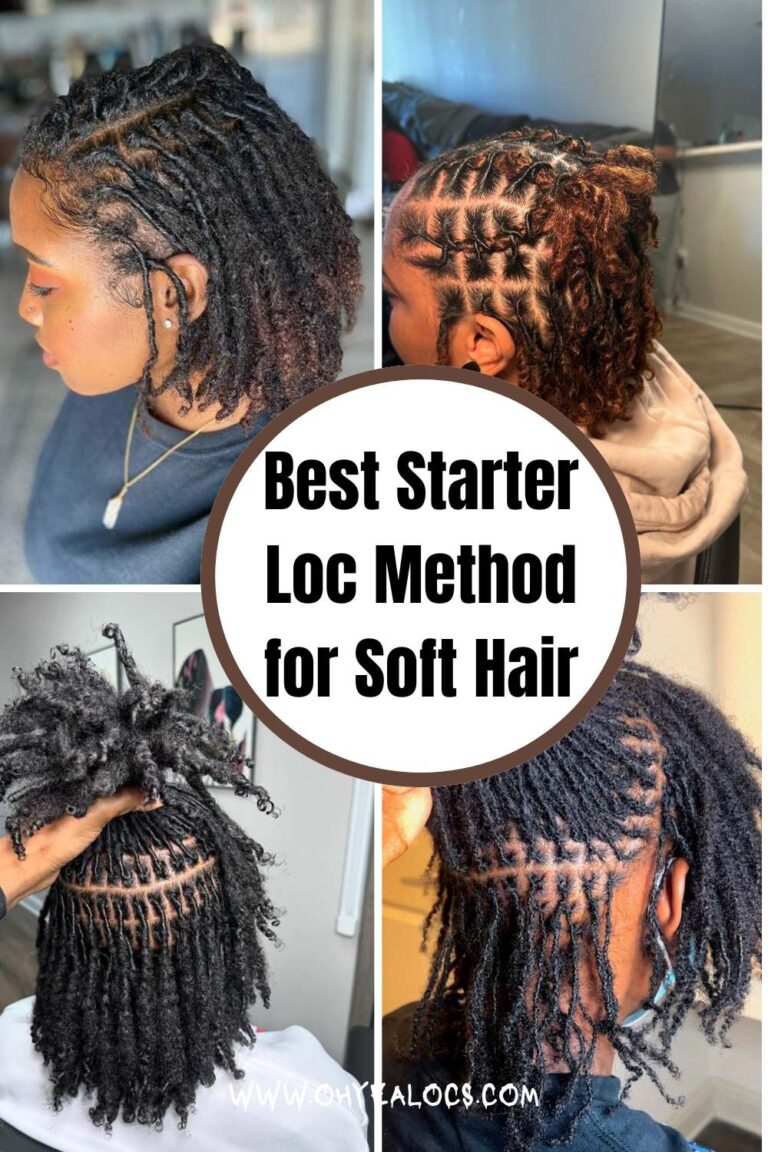
Pin this: Best starter loc method for soft hair
-Follow a consistent but gentle washing routine, and avoid over-retightening or retwisting.
-Most importantly, be patient: Locs take time to mature, and longevity improves when the hair is allowed to lock naturally.
Final Thoughts
Starting locs is not a decision to rush or base solely on how neat a style looks in the first few weeks. As explained in the article, longevity is shaped by a combination of method, hair texture, lifestyle, and maintenance habits. When these factors are aligned, your starter locs can carry you through the early stages with minimal frustration and maximum hair health.
The most important takeaway is this: the “longest-lasting” starter loc method is the one that works best for you. One that protects your hair, fits your routine, and allows your locs to mature naturally without constant restarting.
When you choose wisely and care for your locs patiently, you set yourself up for a smoother, more enjoyable loc journey.
Start informed. Start intentionally. And always remember that healthy locs aren’t built overnight. With the right foundation, your locs can last a lifetime.
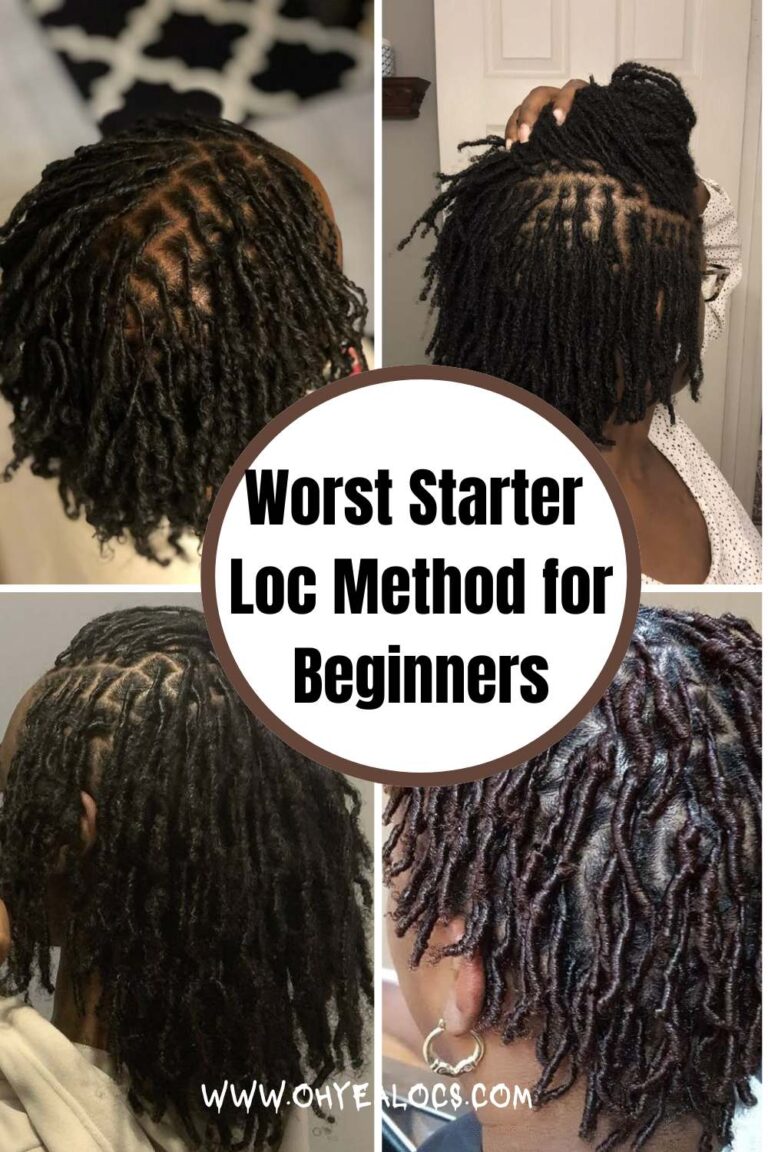
Recommended for you: Worst starter loc method for beginners
Frequently Asked Questions (FAQs)
1. Can you change your starter loc method later without starting over?
Yes, some methods can transition into others over time, but switching too early or too often can cause uneven locs or weak spots. The ease of transition depends on how far along your locs are and how compatible the methods are.
2. Do longer-lasting starter loc methods always mean faster loc maturity?
Not necessarily. Durability and maturity don’t always move at the same pace. Some methods hold well early on but still require time for internal locking to fully develop.
3. Will choosing a very durable starter loc method affect how my locs look in the long run?
It can. Certain methods influence loc thickness, uniformity, and texture as they mature. Your starting foundation often determines how much control you’ll have over the final appearance.
4. Are longer-lasting starter loc methods more expensive over time?
Some methods cost more upfront but may save money long-term by reducing frequent maintenance appointments and restarts. Others are cheaper initially but require consistent upkeep.
5. How does climate or environment affect the longevity of starter locs?
Humidity, frequent sweating, and exposure to water can impact how well starter locs hold, especially in the early stages. Your environment can make some methods more practical than others.
6. Can product choice shorten the lifespan of my starter locs?
Yes. Heavy creams, waxes, or oils can cause buildup, slippage, or delayed locking, which may weaken the structure of starter locs over time.
7. Is it possible for a long-lasting starter loc method to damage hair if done incorrectly?
Absolutely. Even the most durable methods can cause thinning or breakage if installed too tightly or maintained aggressively. Technique matters just as much as the method itself.
8. How long should I wait before styling my starter locs?
Styling too early can put stress on fragile roots and shorten the lifespan of your starter locs. Timing depends on how secure your chosen method is and how your hair responds.
9. Do longer-lasting starter locs limit hairstyle versatility in the early stages?
Some methods offer less flexibility initially because they prioritize stability. Over time, versatility usually improves as locs strengthen and mature.
10. How can I tell if my starter loc method is failing early on?
Persistent unraveling, thinning at the roots, excessive shedding, or constant discomfort may signal that the method isn’t suitable for your hair or lifestyle.