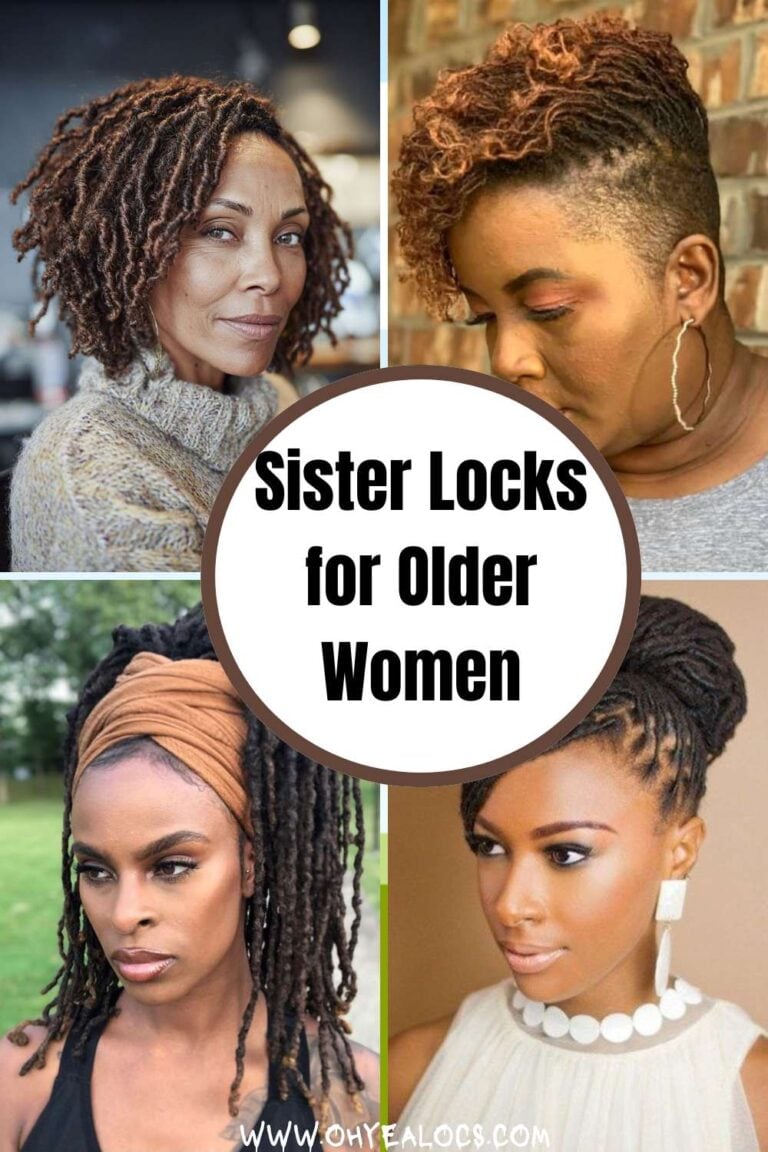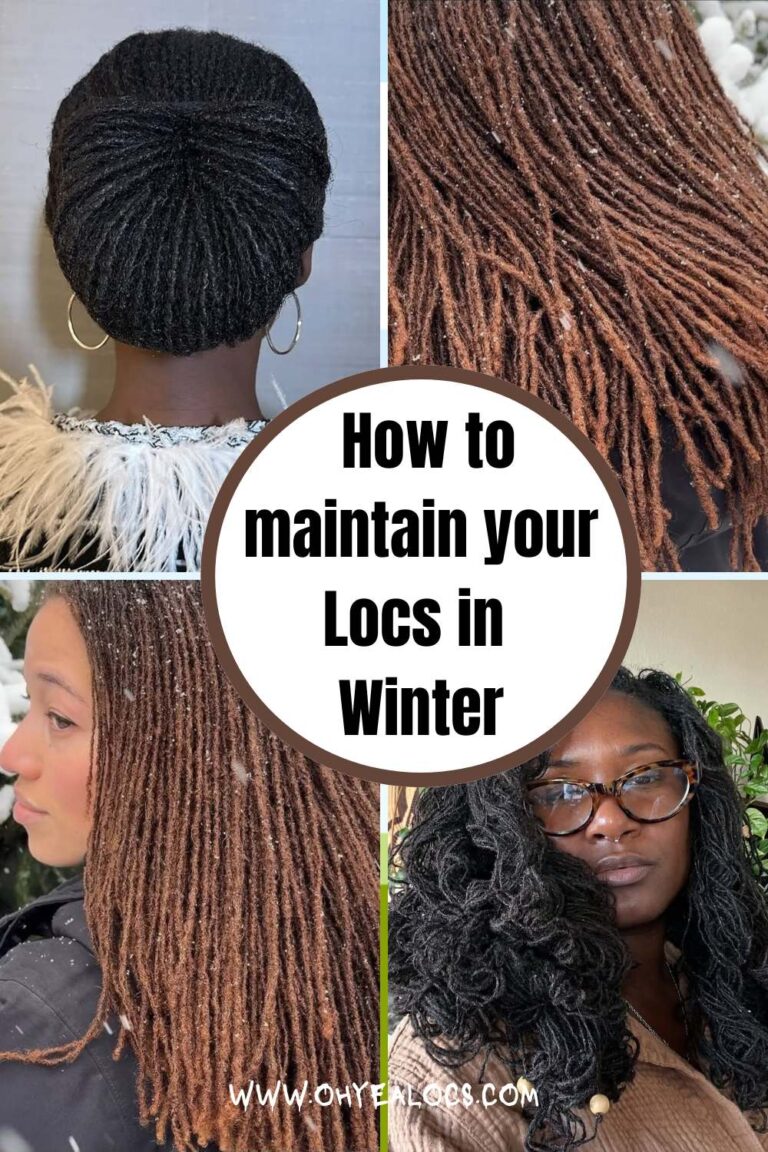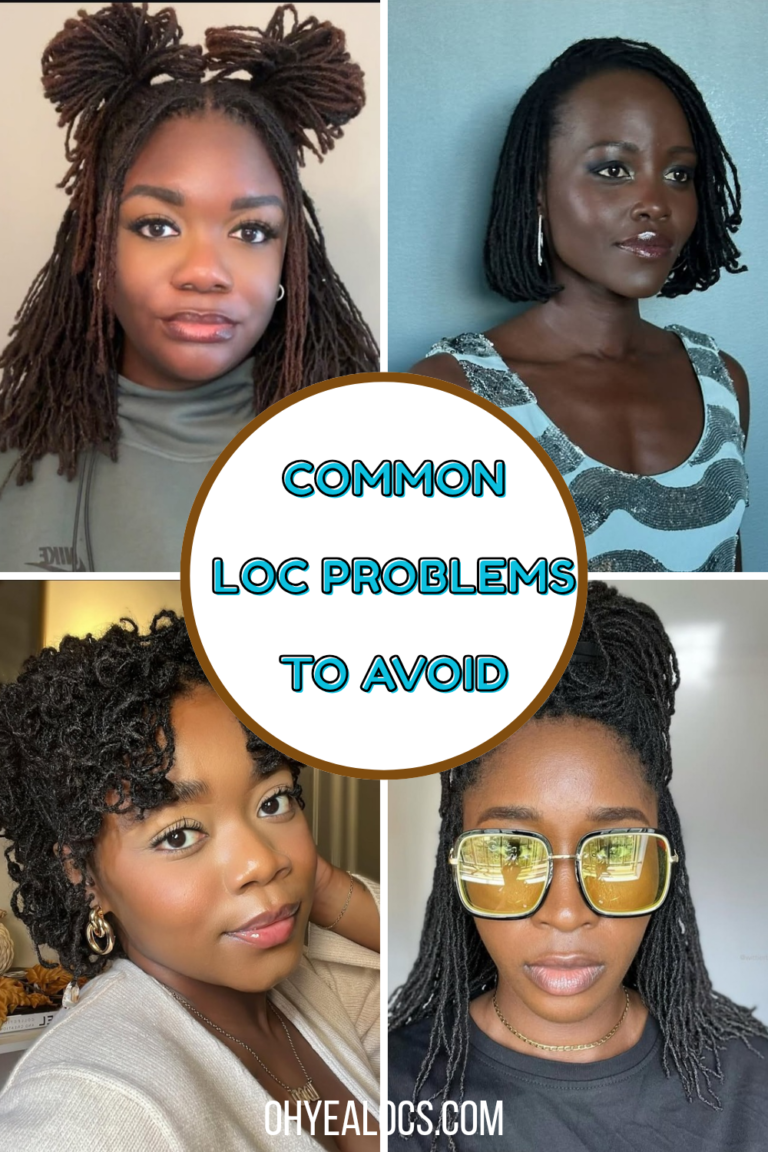
Signs Your Locs Are Locking Properly (And When to Worry)
Starting a loc journey is exciting, but it can also bring a lot of questions, especially during the early stages. Many people wonder whether their hair is actually locking or if something is going wrong. Understanding the Signs Your Locs Are Locking Properly (And When to Worry) can help you feel more confident as your hair goes through the natural locking process.
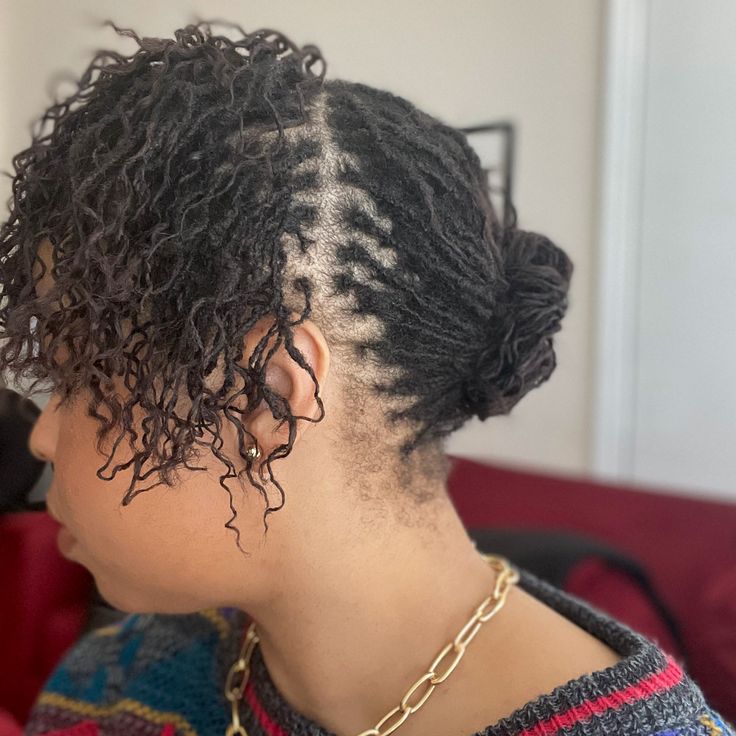
Locs do not form overnight. The process takes time, patience, and proper care. During the first few months, your hair will go through several changes such as budding, frizz, and shrinkage. While these changes may seem unusual, they are often signs that your locs are developing as they should.
Read this: Starter locs mistakes that can ruin your locs journey
In this guide, we will explore the Signs Your Locs Are Locking Properly (And When to Worry), what to expect during each stage of the loc journey, and the warning signs that may indicate a problems.
Understanding the Loc Locking Process
Before identifying the Signs Your Locs Are Locking Properly (And When to Worry), it helps to understand how locs form.
Locs develop when strands of hair naturally mat and coil together over time. This process is influenced by several factors, including hair texture, maintenance routine, and styling habits.
Most loc journeys move through four general stages:
- Starter stage
- Budding stage
- Teen stage
- Mature loc stage
Each stage comes with visible changes, some of which may look messy or uneven. However, these changes are usually part of the natural locking process.
Early Stages of Loc Development
The early phase of a loc journey often causes the most concern for beginners. Hair may look frizzy, loose, or even slightly puffy.
Understanding the Signs Your Locs Are Locking Properly (And When to Worry) can help you avoid unnecessary stress during this stage.
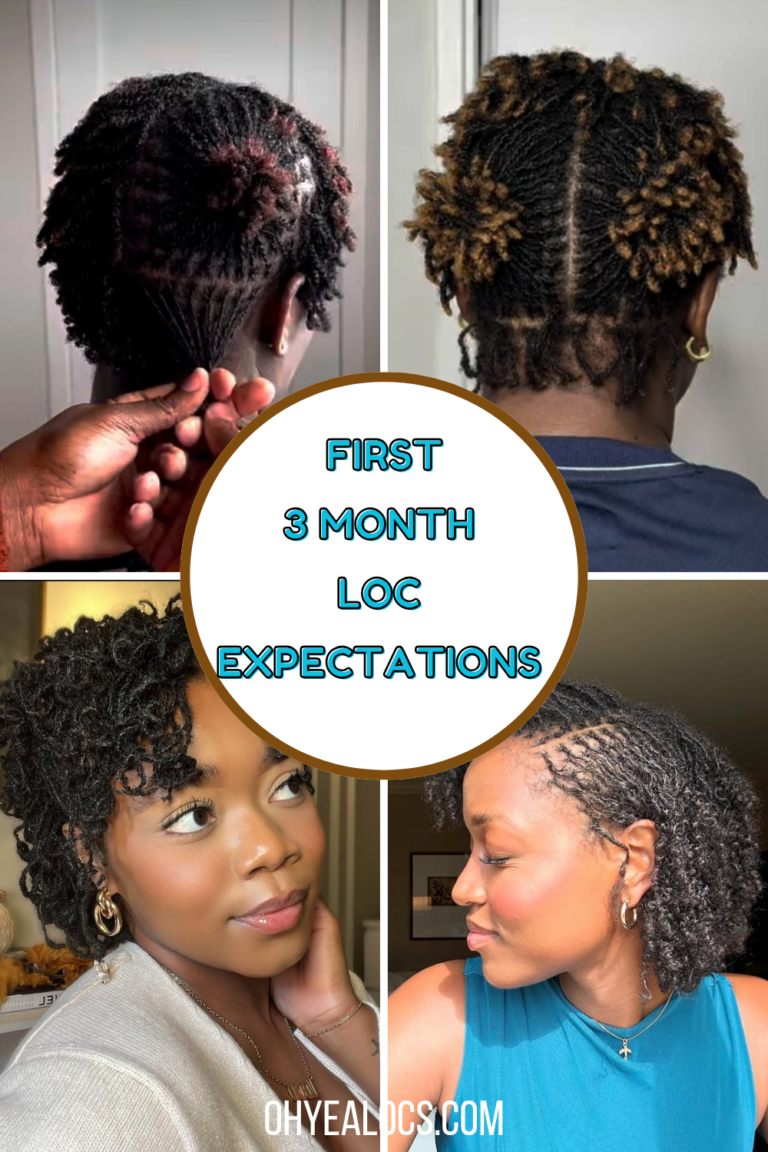
Save this guide: What to expect in the first 3 months of your loc journey
Starter Loc Stage
Starter locs are created using methods such as:
- Two-strand twists
- Comb coils
- Braids
- Interlocking
At this stage, the locs are still loose and can easily unravel. This is completely normal because the hair has not yet begun to mat together.

Save this for later: Starter Sisterlocks: What to Expect in the First 6 Months
Budding Stage
After a few weeks or months, small bumps known as buds begin forming inside the locs. These buds are one of the first real indicators that the locking process has started.
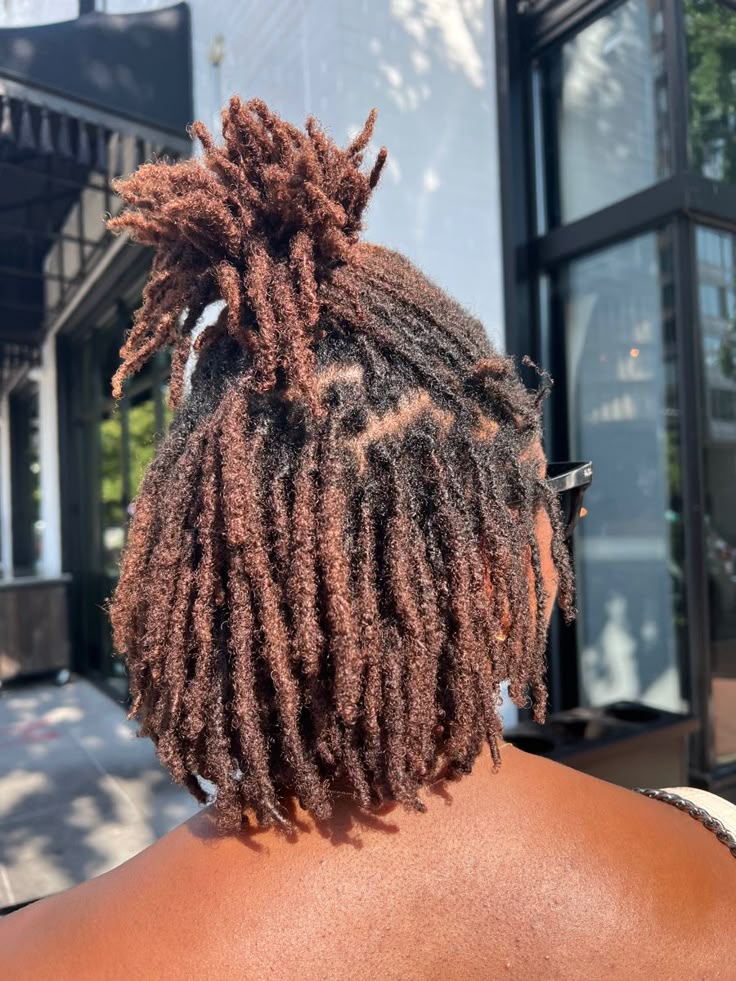
Your hair may feel thicker in certain areas during this phase.
Signs Your Locs Are Locking Properly
Recognizing the Signs Your Locs Are Locking Properly (And When to Worry) can give you reassurance that your hair is progressing naturally.
Read this next: Do comb coils lock faster? Honest truth from the first 90 days
Budding Inside the Locs
Budding is one of the clearest signs of progress. Small knots begin forming inside the loc, usually in the middle section.
This means the hair strands are starting to mat together.
Increased Frizz
Frizz may seem like a problem, but it is actually a good sign. Loose hairs begin wrapping around the loc and contributing to the locking process.
Over time, the frizz will settle as the locs mature.
Locs Begin to Feel Firmer
As hair starts locking, the locs gradually become firmer and more structured. They may feel slightly thicker or denser than when they were first installed.
Keep this page open: Do locs get thicker or thinner overtime?
Shrinkage
Shrinkage is another common indicator that locs are forming. As the hair coils and knots, the locs may appear shorter than before.
This is a natural part of the process.
Less Unraveling
During the early weeks, starter locs may unravel frequently. As locking progresses, the locs begin holding their shape better.
Common Changes That Are Completely Normal
Many beginners worry about changes that are actually normal during the locking process.
Understanding the Signs Your Locs Are Locking Properly (And When to Worry) can help you recognize healthy transformations.
Puffy or Swollen Locs
Some locs may appear thicker in the middle during the budding stage. This happens because the hair is knotting internally.
Uneven Loc Sizes
Locs rarely form evenly at first. Some may lock faster than others depending on hair texture and maintenance.
Loose Hair Around Locs
Loose hairs surrounding the loc are part of the locking process. These strands eventually wrap into the loc over time.
Signs Your Locs May Have a Problem
While most loc changes are normal, some issues may indicate improper care or damage.
Knowing the Signs Your Locs Are Locking Properly (And When to Worry) can help you catch problems early.
This guide is for you: How to Tell If Your Starter Locs Are Healthy
Persistent Unraveling
If your locs continuously unravel even after several months, the starter method or maintenance routine may need adjustment.
Thinning Roots
Excessive tension from tight retwists or styles can cause the roots to weaken.
Product Buildup
Heavy creams, waxes, or oils can accumulate inside locs and slow down the locking process.
Save this for later: How to get rid of lints in your locs (without damaging them
Breakage
Frequent breakage or shedding may signal poor hair health or improper maintenance.
When to Worry About Your Locs
Not every issue is serious, but certain warning signs require attention.
Pay attention to these red flags when evaluating the Signs Your Locs Are Locking Properly (And When to Worry).
Severe thinning near the roots
Large bald spots forming
Persistent scalp irritation
Strong odor from product buildup
Locs breaking in multiple places
If these problems occur, consulting a professional loctician can help prevent further damage.
Tips to Help Your Locs Lock Faster
While locs naturally take time to form, certain habits can support the process.
When focusing on the Signs Your Locs Are Locking Properly (And When to Worry), proper care can make a big difference.
Helpful tips include:
Wash your locs regularly to keep the scalp clean
Keep this page open: How often should you moisturize locs?
Avoid heavy products that cause buildup
Retwist or maintain locs on a consistent schedule
Sleep with a satin scarf or bonnet
Avoid excessive manipulation
These habits encourage healthy loc formation.
Come back to this: How to care for your locs the right way
Mistakes That Can Slow the Locking Process
Some common mistakes can delay the locking process or cause unnecessary damage.
When monitoring the Signs Your Locs Are Locking Properly (And When to Worry), avoid these habits.
Overusing Heavy Products
Wax and thick creams can coat the hair strands and prevent them from locking properly.
Over-Retwisting
Frequent retwisting may weaken the roots and slow down natural matting.
Learn from this: How to maintain your locs bewteen retightening
Constant Styling
Excessive styling can disturb the locking process, especially in the early stages.
Pin this: 17 spring hairstyles for locs
Lack of Patience
Locs develop gradually. Trying to force the process can lead to frustration or damage.
How Long It Takes for Locs to Fully Form
Loc formation varies from person to person. Factors such as hair texture, routine, and maintenance all play a role.

Generally, the full locking process can take anywhere from 6 months to 18 months.
Bookmark this: Do locs get thicker or thinner overtime?
During this time, recognizing the Signs Your Locs Are Locking Properly (And When to Worry) can help you stay patient and confident in your journey.
Final Thoughts
Understanding the Signs Your Locs Are Locking Properly (And When to Worry) is essential for anyone starting or maintaining a loc journey.
The locking process involves natural changes like budding, frizz, shrinkage, and firmness. While these changes may seem unusual at first, they are often positive signs that your locs are forming correctly.
At the same time, paying attention to warning signs such as thinning roots, excessive breakage, or product buildup can help you address potential problems early.
With patience, proper care, and realistic expectations, your locs will continue to mature into strong, healthy, and beautiful hair.
Frequently Asked Questions
1. How do I know if my locs are locking properly?
One of the clearest Signs Your Locs Are Locking Properly (And When to Worry) is budding inside the locs. You may also notice frizz, firmness, and some shrinkage. These changes show that the hair strands are starting to mat together.
2. How long does it take for locs to start locking?
Most locs begin showing signs of locking within 2 to 6 months. However, the full locking process can take anywhere from 6 months to 18 months, depending on hair texture and maintenance routine.
3. Is frizz a bad sign during the loc journey?
No. Frizz is actually one of the normal Signs Your Locs Are Locking Properly (And When to Worry). Loose strands wrap around the loc and help strengthen it during the locking process.
4. Why are my locs swelling in the middle?
Swelling or puffiness in the middle of the loc is called budding. This happens when the hair starts knotting together inside the loc and is a positive sign that your locs are developing.
5. Why do some locs lock faster than others?
It is completely normal for locs to mature at different speeds. Factors like hair texture, size of the locs, and daily manipulation can affect how quickly each loc locks.
6. Should my locs feel hard when they start locking?
As locs mature, they often become firmer and more structured. However, they should not feel stiff or brittle. Healthy locs remain flexible even as they lock.
7. Can washing my locs slow down the locking process?
No. Regular washing actually helps keep the scalp clean and encourages healthy hair growth. Clean hair can lock more efficiently than hair weighed down by buildup.
8. What are signs something might be wrong with my locs?
Possible warning signs include excessive thinning at the roots, constant unraveling, severe breakage, or heavy product buildup. These issues may require changes in your maintenance routine.
9. How often should I retwist or maintain my locs?
Most people maintain their locs every 4 to 6 weeks. Over-retwisting can weaken the roots, so it’s best to allow time between maintenance sessions.
10. Can I style my locs while they are still locking?
Yes, but it’s best to keep styles simple and low tension. Avoid tight hairstyles that pull on the roots, especially during the early stages of the loc journey.