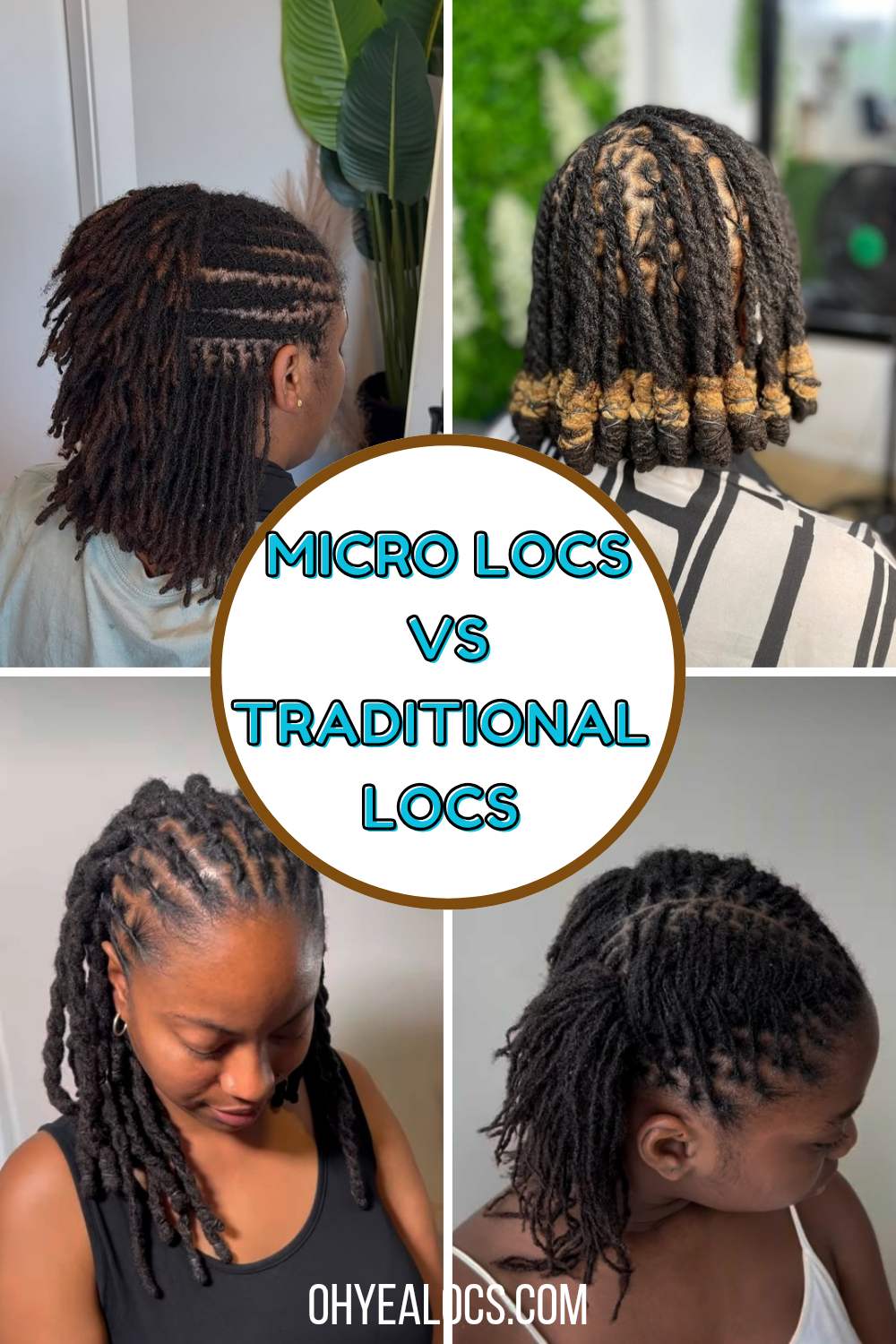
Microlocs vs Sisterlocks: Differences, Cost, and Maintenance Explained

If you’re considering starting your locs or transitioning into smaller loc styles, chances are you’ve come across microlocs and Sisterlocs.
At first glance, they may look similar. Both are small, neat, and versatile. But beneath the surface, there are important differences in installation, cost, maintenance, flexibility, and long-term care.
In this comprehensive guide, we’ll contrast microlocs with Sisterlocs and unravel the intricacies between both. We’ll break down their key differences, compare costs, discuss maintenance routines, and help you decide which option best suits your hair, lifestyle, and budget.
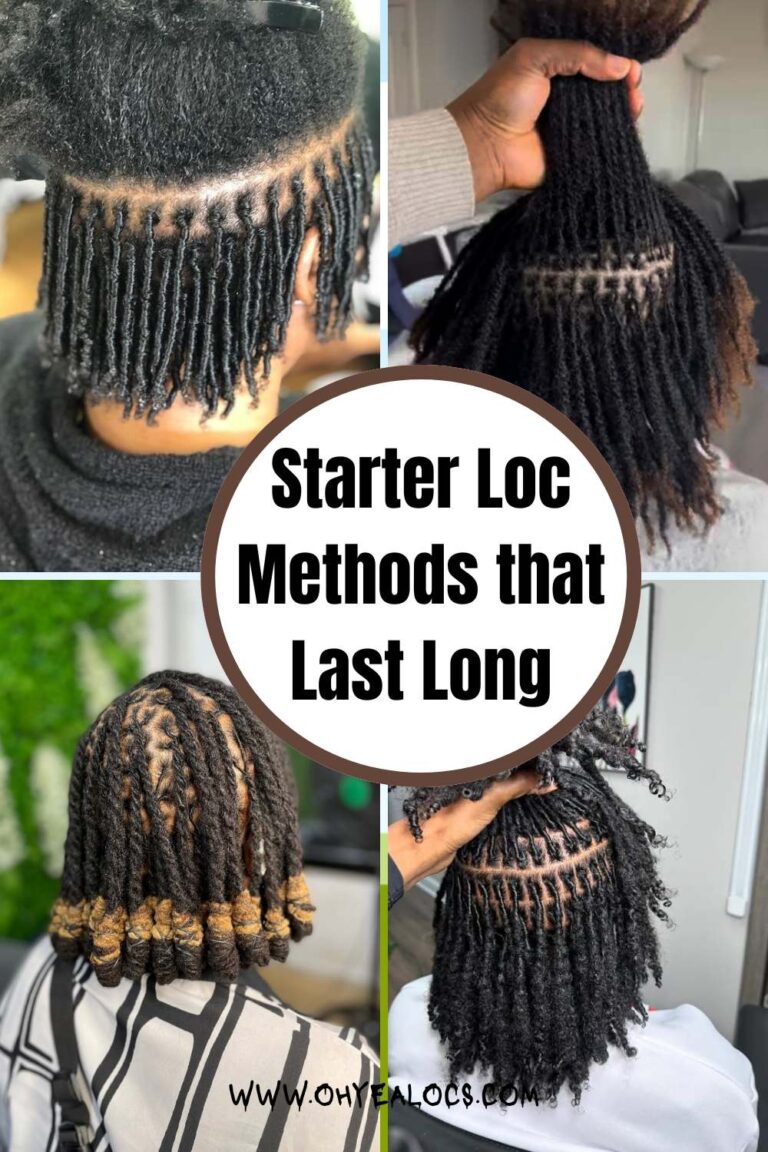
Read this next: Different methods of starting locs
Let’s get in real quick!
What Are Microlocs?

Microlocs are small-sized locs that sit between traditional locs and Sisterlocks in terms of size and structure. They are loved for their customisability and versatility, making them a popular choice for people who want to have control over how their loc journey begins.
Read this post : Microlocs vs Traditional locs
Key Characteristics of Microlocs
•They are smaller than traditional locs, but can vary in size.
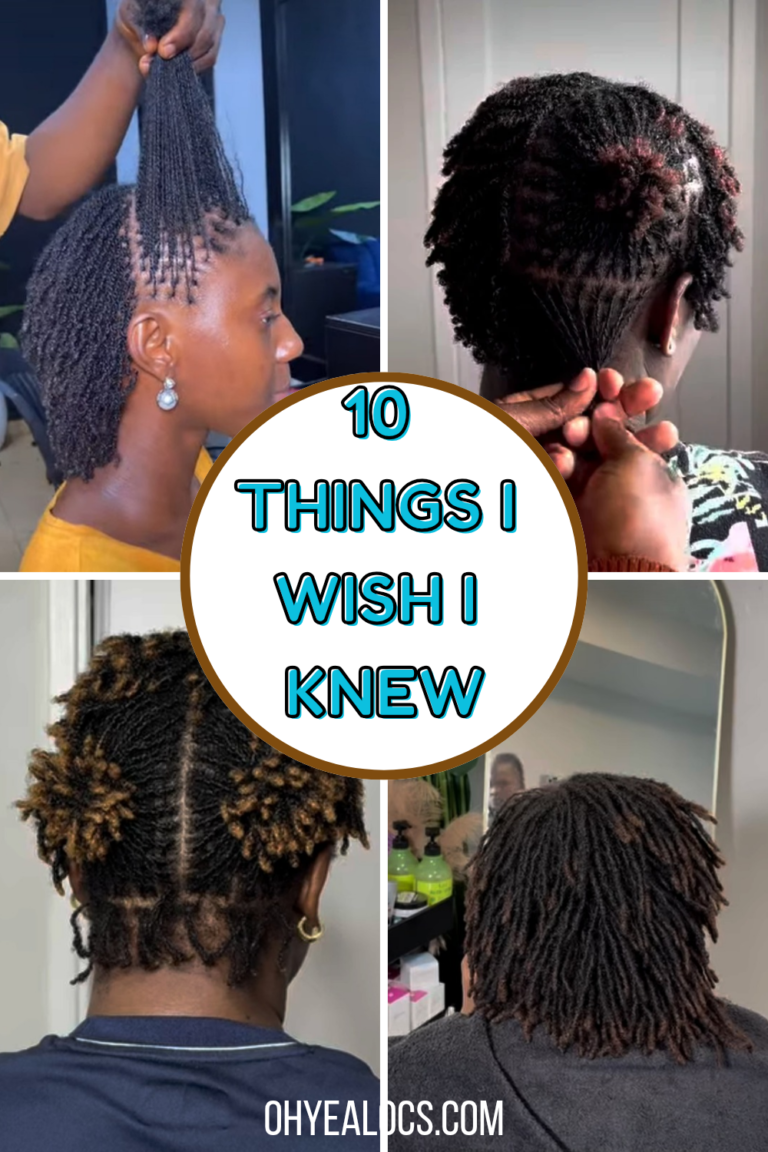
•Can be installed using braids, twists, or interlocking
•Parting patterns are flexible and personalised
•Can be maintained professionally or DIY
Unlike Sisterlocks, microlocs are not governed by a patented system, which gives wearers more freedom in how they install and maintain them.
Who Are Microlocs Best For?
Microlocs are ideal if you:
•Want flexibility in size and parting
•Prefer a lower installation cost
•Like the option of self-maintenance
•Enjoy styling versatility
•Want locs that can evolve over time
Microlocs give room for creativity and personal expression, which is why many people transitioning from loose natural hair find them appealing.
Now, let’s take a look at Sisterlocs in contrast to microlocs.
What Are Sisterlocks?

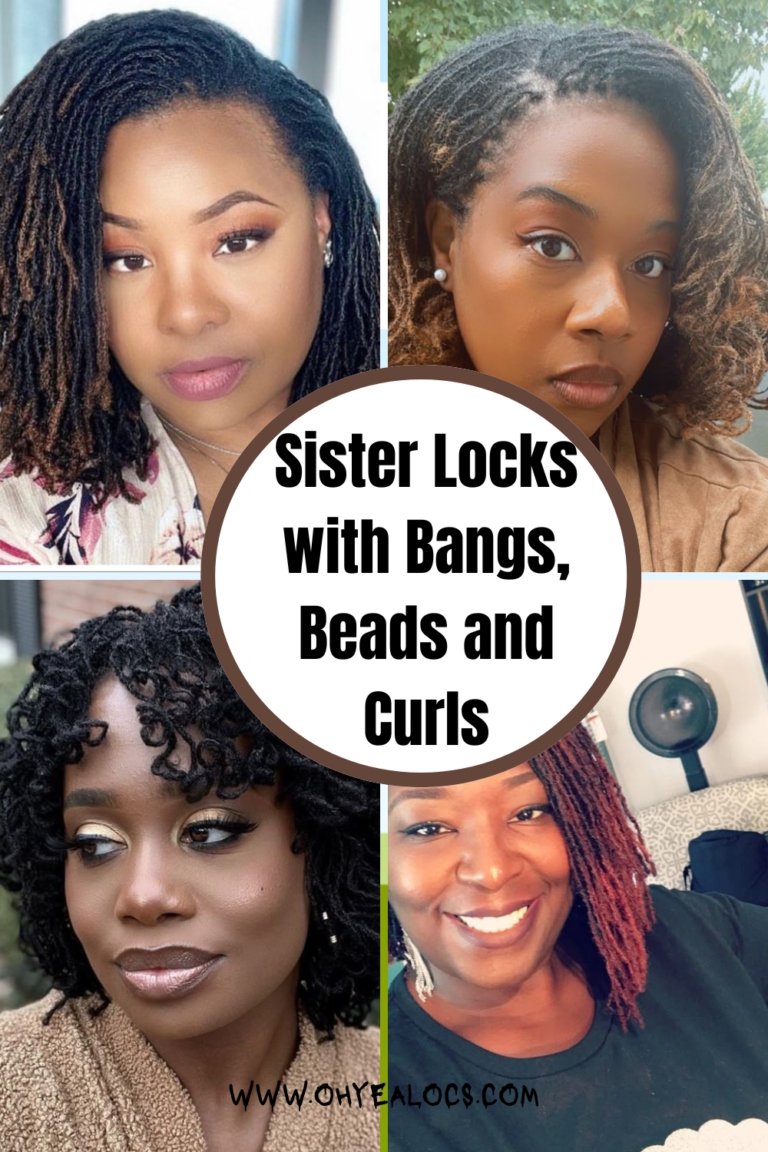
Sisterlocks are a trademarked and patented loc system created specifically for tightly textured hair. They are known for their uniform size, precise grid, and structured appearance.
Sisterlocks are installed using a specialized interlocking tool and technique that can only be performed by a certified Sisterlocks consultant.
Pin this: What are sisterlocs? Everything beginners need to know
Key Characteristics of Sisterlocks
•Very small, uniform locs
•Installed using a patented interlocking method

•Precise grid and parting system
•Requires certified consultants for installation and tightening
Because of their consistency and structure, Sisterlocs often resemble loose natural hair in the early stages and mature into fine, elegant locs.
Read this next: Common Mistakes To Avoid When Locking Your Hair
Who Are Sisterlocs Best For?
Sisterlocks may be ideal if you:
•Prefer a highly uniform, polished look
•Want minimal daily hair manipulation
•Don’t mind higher upfront costs
•Are comfortable relying on a certified consultant
•Value structure and long-term consistency
Now, let’s take a brief look at the key differences between Sisterlocs and Microlocs
Microlocs vs Sisterlocks: Key Differences
Although microlocs and Sisterlocks look similar, the differences lie in how they are created, maintained, and managed over time.
Here are some key differences:
1. Installation Method
•Microlocs are installed using braids, twists, or interlocking. The method of installation is chosen based on hair texture, preference, and lifestyle.
•Sisterlocks on the other hand are installed exclusively using a patented interlocking technique with a specialised tool.
This key difference in installation makes microlocs more flexible, while Sisterlocs follow a strict system.
Learn more here: How to Prepare Your Hair Before Locking: The Ultimate Guide
2. Size and Uniformity

•Microlocs size can vary depending on preference. They can be micro, small, or medium-small, and may not all be identical.
•Sisterlocks on the other hand are always uniform in size across the entire head, giving a very consistent look.
If you love precision and symmetry, Sisterlocks stand out. If you prefer a more organic appearance, microlocs may suit you better.
3. Grid Pattern and Parting

•Microlocs parting can be square, diamond, triangular, or free-form.
•Sisterlocks uses a fixed grid system determined during consultation.
With that, microlocs allow room for personalisation, while Sisterlocks prioritise long-term structural integrity.
4. Certification Requirement
•Microlocs does not require certification. Anyone experienced with locs can install or maintain them.
•Sisterlocks require certified Sisterlocks consultants who are authorised to install and maintain them.
This determines both cost and accessibility (depending on your location).
Cost Comparison Between Microlocs and Sisterlocks
Cost is one of the biggest deciding factors when choosing between microlocs and Sisterlocks.
Here is the breakdown:
1. Microlocs Cost Breakdown
It’s quite impossible to quote an exact amount due to factors like location. However, the cost of installation of microlocs depends on:
•Hair length and density
•Installation method
•DIY vs professional installation of microlocs
As mentioned earlier, the cost of professional installation depends on location and stylist experience.
However, here is the estimated cost of both DIY and professional installation:
•DIY: Minimal (tools and time investment)
•Professional installation: Moderate to affordable compared to Sisterlocks
One advantage of microlocs is that they are generally budget-friendly, especially for those willing to self-maintain.
2. Sisterlocks Cost Breakdown
Sisterlocks are significantly more expensive due to:
•Mandatory consultations
•Certified installation
•Time-intensive process
•Specialised tools and training
Here is the estimated cost:
•Consultation fee
•High initial installation cost
•Ongoing retightening fees
Even though they are costly upfront, many wearers feel the structured system justifies the price.
Maintenance and Retightening
Maintenance is where the difference between microlocs and Sisterlocks becomes even more noticeable.
Microlocs Maintenance
•Retightening every 6–8 weeks (or as needed)
•Can be maintained via interlocking or palm-rolling
•Product use is flexible
•DIY-friendly with proper education
This guide will help you: How to Care for Your Locs the Right Way: A Complete Guide for Healthy, Long-Lasting Locs
If you want control over your routine, microlocs guarantee that but consistency is key to preventing thinning or merging.
Learn more here: 23 things you should never do to your locs
Sisterlocks Maintenance
•Retightening typically every 4–6 weeks
•Uses a specific interlocking pattern
•Maintenance is often done by a consultant
•Strict guidelines on technique
This system ensures uniformity but limits flexibility.
Pros and Cons of Microlocs
Pros
•More affordable
•Customisable size and parting
•DIY maintenance option
•Styling versatility
•Easier to modify over time
Cons
•Inconsistent sizing if poorly installed
•Requires discipline for self-care
•Risk of thinning if maintenance is improper
Save this guide: Common locs problem and how to fix them
Pros and Cons of Sisterlocks
Pros
•Clean, uniform appearance
•Minimal daily manipulation
•Strong structural integrity
•Long-term consistency
Cons
•High installation and maintenance cost
•Limited DIY options
•Consultant availability may be restricted
•Less flexibility once installed
This brings us to one of the most commonly asked questions about microlocs and Sisterlocs:
Which Is Better: Microlocs or Sisterlocks?

There’s no one-size-fits-all answer. The best choice depends on your lifestyle, budget, and hair goals. However, this guide will help:
Choose microlocs if you:
•Want flexibility and affordability
•Enjoy hands-on hair care
•Prefer customization
•Are open to learning maintenance techniques
Bookmark this: What are sisterlocs? Everything beginners need to know
Choose Sisterlocks if you:
•Want a structured, uniform system
•Prefer professional maintenance
•Value consistency over flexibility
•Don’t mind higher costs
Final Thought
Choosing between microlocs and Sisterlocks is ultimately a personal decision that should be guided by your hair type, lifestyle, budget, and long-term goals.
Microlocs offer flexibility, affordability, and creative freedom, making them ideal for those who enjoy hands-on maintenance and personalized styles. Sisterlocks, on the other hand, provide uniformity, structure, and low daily manipulation, appealing to those who value consistency and professional care.
Both styles celebrate the beauty of natural hair and allow for elegant, versatile looks.
Understanding your priorities, doing proper research, and consulting experienced stylists can make your loc journey enjoyable, sustainable, and perfectly suited to your lifestyle.
Frequently Asked Questions
1. Can microlocs and Sisterlocks be installed on all hair types?
While microlocs can work on most natural hair textures, Sisterlocks are best suited for tightly coiled or afro-textured hair. Hair texture affects how the locs mature and hold their structure over time.
2. How long does it take for microlocs and Sisterlocks to fully mature?
Microlocs typically mature in 6–12 months depending on hair growth and maintenance, while Sisterlocks can take 12–18 months to reach a fully matured, elegant look.
3. Can I switch from microlocs to Sisterlocks later on?
Yes, but the transition may require careful consultation with a certified Sisterlocks consultant. Your hair may need partial or full reinstallation depending on size and grid requirements.
4. How do microlocs and Sisterlocks respond to heat styling or chemical treatments?
Both styles thrive best with minimal chemical processing and heat. Excessive heat or chemicals can weaken loc integrity, cause thinning, or disrupt the loc pattern.
5. What is the typical daily styling routine for each?
Microlocs may require light daily manipulation like palm-rolling or moisturizing. Sisterlocks require minimal daily handling, often just light moisturization or styling.
6. Are there specific products recommended for each type of loc?
Microlocs allow a wide range of products including gels, creams, and oils, while Sisterlocks require lightweight, residue-free products to maintain the patented system’s integrity.
7. Can I swim or exercise with microlocs or Sisterlocks?
Yes, both can handle swimming and workouts, but it’s important to rinse, condition, and dry locs properly to prevent mildew, dryness, or frizz.
8. What happens if I miss a retightening appointment?
For microlocs, skipping retightening occasionally may only cause minor fuzz or slight merging. For Sisterlocks, missed retightenings can compromise the grid pattern and uniformity, requiring a consultant to correct.
9. Is there a difference in hair shedding or breakage risk between the two?
Both systems reduce daily manipulation and help retain length, but improper maintenance of microlocs can lead to thinning, while Sisterlocks’ structured system provides stronger protection against breakage if maintained correctly.
10. Can children or teens wear microlocs or Sisterlocks?
Yes, both can be adapted for younger hair, but considerations include hair texture, patience for maintenance, and the child’s ability to care for their locs. Microlocs offer more flexibility in sizing for growing hair.
If you love microlocs, check this out: 15 elegant wedding microlocs hairstyles