Micro Locs vs Traditional Locs: Which Is Right for You?
It’s no news that hair locs are growing in popularity across the natural hair community. More than ever, people are becoming more stylish with their natural look, and hair locs seem to be just perfect as they offer a lot of options.
But why are more people diverting to hair locs? The reasons are not far-fetched: Locs are beautiful, deeply expressive, and allow you to embrace your natural texture in a low-manipulation way. From pop culture to everyday life, locs show up in different lengths, sizes, and styles with each telling a story.
But as exciting as starting a loc journey can be, choosing the right type of locs is not always straightforward. Many people find themselves torn between a sea of options. You know how difficult making a choice can be, especially when each option presents its pros and cons.
Amongst the different types of locs, the most common are micro locs and traditional locs.
Both options are great, but they offer two completely different experiences in terms of installation, styling, maintenance, cost, and long-term commitment. If you’re trying to decide which style fits your hair goals, lifestyle, and budget, this guide will walk you through everything you need to know to confidently make the right choice and start your locs the right way.
Before we dive into comparing traditional locs to micro locs, let’s take a quick look at each of them.
Foundational guide reference: Everything you need to know before getting Locs
What Are Micro Locs?
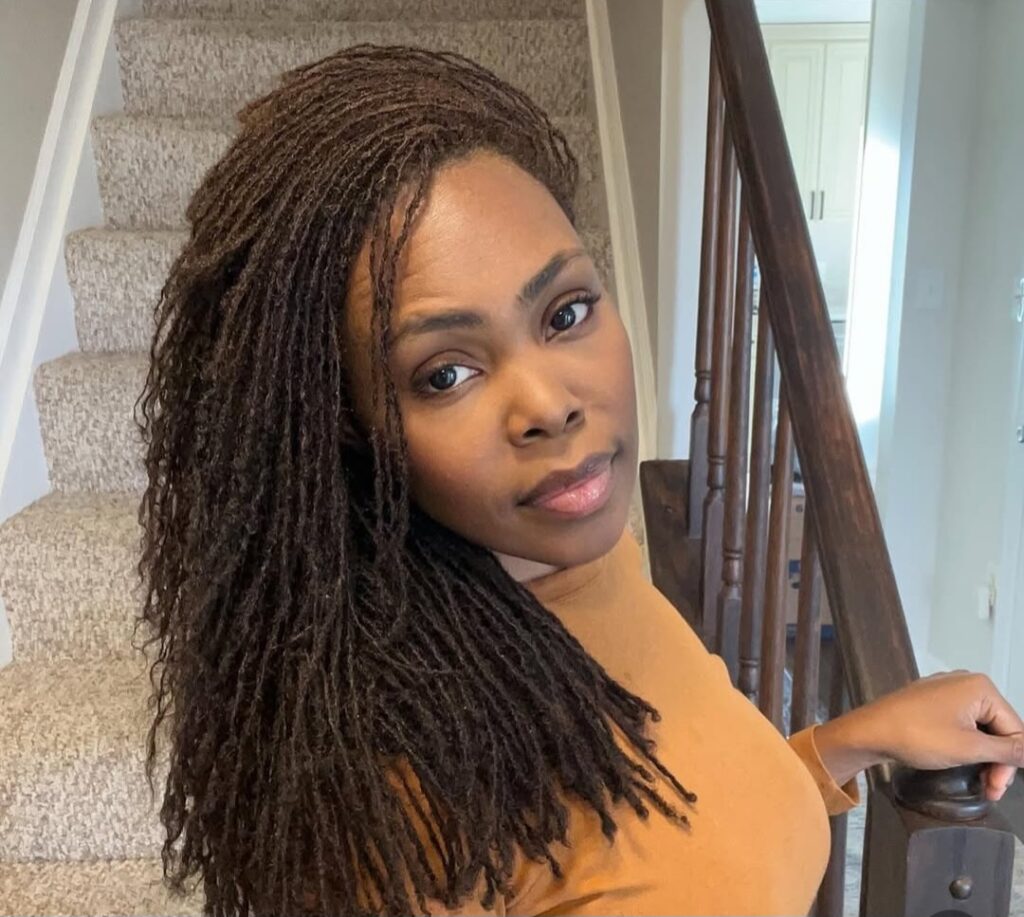
Micro locs are small, thin locs that fall somewhere between sisterlocks and traditional locs. They offer a neat, lightweight, and flexible appearance, making them especially appealing to people who love versatile hairstyles.

Unlike sisterlocks which require a certified consultant and a specific grid pattern, micro locs offer more flexibility. You can choose your grid, your parting style, and even your preferred installation method.
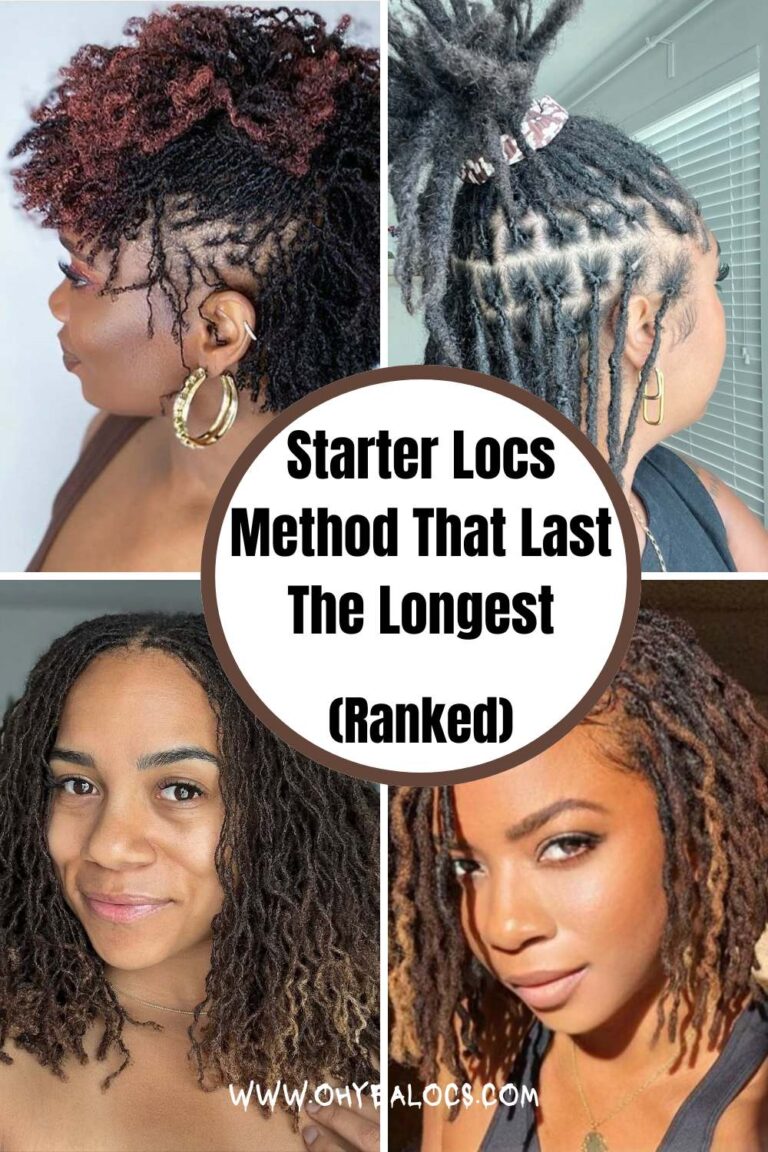
Common ways to start micro locs include:
- Two-strand twists
- Braids (plaits)
- Interlocking
Because micro locs are small, they typically come with a higher loc count. Most people have between 200 and 450+ locs, depending on hair density, length, thickness, and preferred parting.
Related Read: Different Methods of starting Locs.
Why micro locs?
Many people choose micro locs because they want freedom – freedom to style, to experiment, and to express themselves without worrying about thick or heavy locs.
Besides, there’s this beautiful “loose natural hair” feel micro locs give that makes anyone wearing it stand out from the crowd. It just makes you feel special.
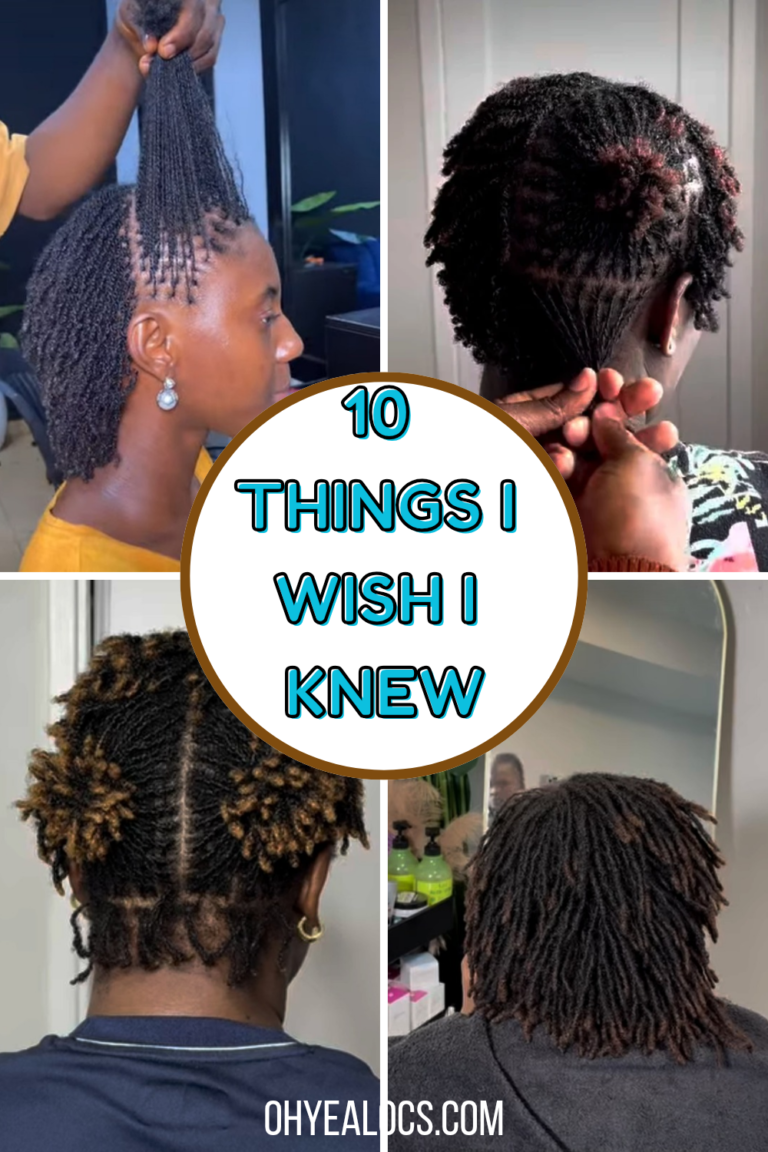
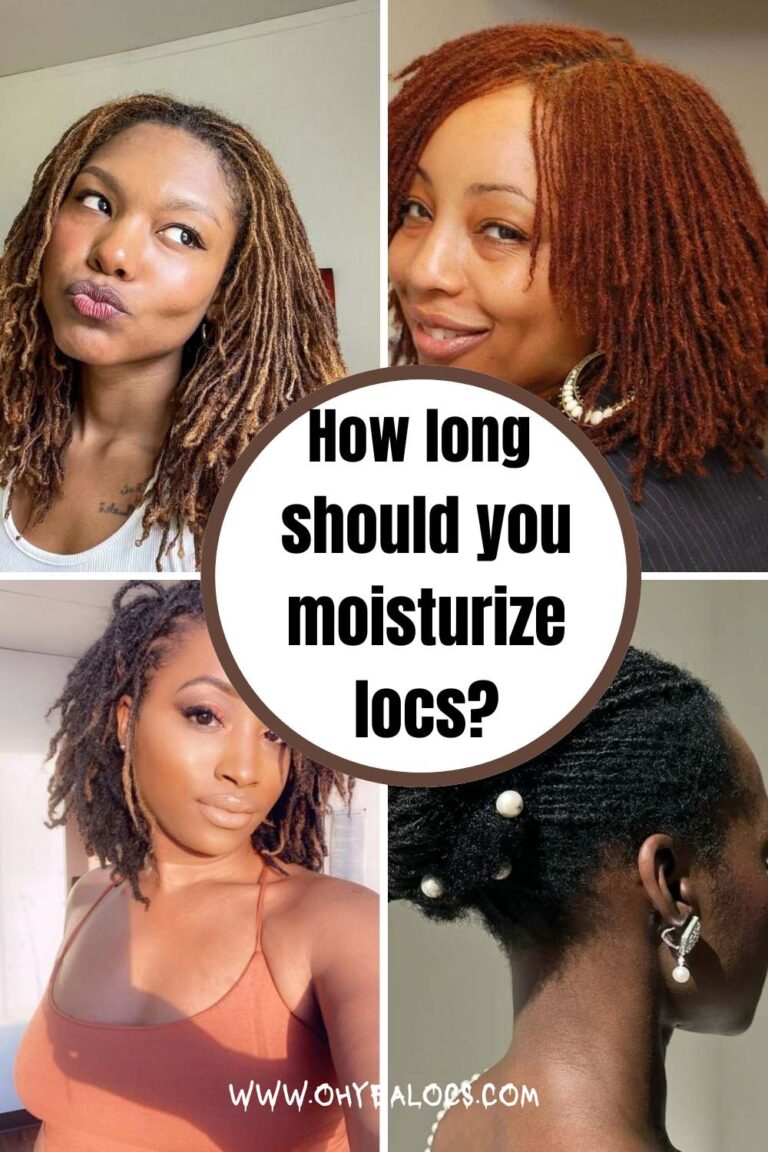
Here are 10 things I wish I knew before I started my Locs.
Pros of Micro Locs
In addition to the benefits of micro locs mentioned above, here are more detailed advantages of micro locs:
1. Extremely versatile for styling
One of the biggest advantages of micro locs is the wide range of styles you can create. Because the locs are thin, they behave similarly to loose natural hair.
Here are some styles you can achieve with micro locs:
- Curl sets
- Braids and plaits
- Bantu knots
- Updos
- Ponytails and buns
- Half-up, half-down styles
Read this for Reference: 15 Easy ways to style you Locs- No Accessories needed
For people who enjoy switching up their look frequently (I’m proudly one of such), micro locs offer the ultimate styling freedom.
Have you also noticed that one major concern a lot of people have when considering starting locs is the issue of styling? There’s this assumption that keeping locs confines you to just one hairstyle year in, year out. But that’s not true for all locs. With micro locs, there are a variety of styles you can always switch to.
2. Creates a fuller, more voluminous look
If you have fine or medium-density hair, micro locs can instantly make your hair look fuller. The smaller size of the locs covers more surface area on your scalp, reducing visible gaps. This explains why most people without full hair opt for micro locs.
3. Lightweight on the scalp
This is another important reason a lot of people opt for micro locs. Despite having a high loc count, micro locs tend to feel light, airy, and easy to manage. If you are someone like me who doesn’t like “stress” or any kind of hairstyle that feels like a “load”, this is a huge relief.
4. More accessible than sisterlocks
Micro locs give you a similar aesthetic to sisterlocks without the strict system and higher cost. Many locticians offer micro loc installation, and you have more control over the process.
Cons of Micro Locs
As beautiful as the idea of wearing micro locs sounds, there are also some accompanying challenges. They include:
1. Very long installation time
Depending on your hair’s density and length, installing micro locs can take anywhere from 10 to 30+ hours. Most people complete the installation over multiple days or sessions to make the process less strenuous.
2. High maintenance and frequent reties
Interlocking, which is the most common method of maintaining micro locs, requires consistency. If you miss your retie appointments, your roots may mat together, causing merging or breakage.
Save this for later: Common Locs Problems and how to fix them.
3. Not easy to reverse
Because of their small size, taking down micro locs requires a lot of patience. It’s a slow, detailed process. That’s why if you are choosing microlocs, you must be sure that’s what you want otherwise, you might have to cut your hair to restart a different loc.
Pin and come back later: 10 things you should NEVER do to your Locs
4. Slower to mature
Because of their small sizes, micro locs often take longer to bud, swell, tighten, and fully mature.
If you want locs that form quickly, this may not be the best option.
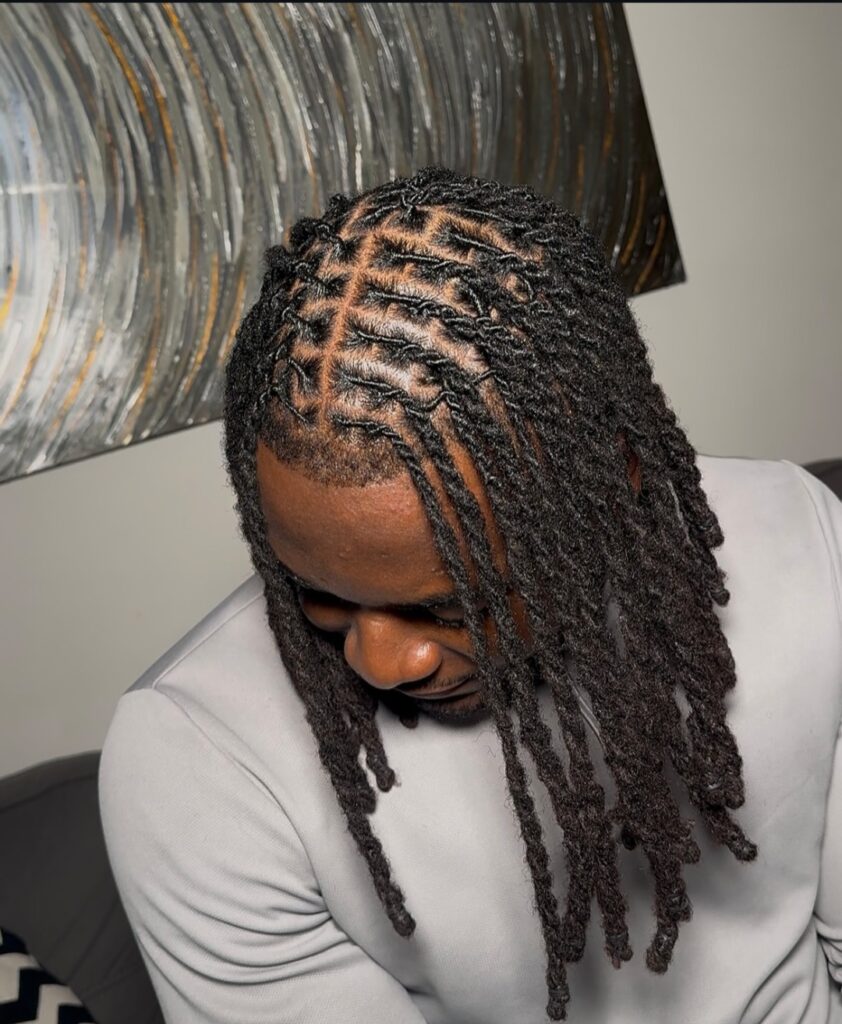
What Are Traditional Locs?
Traditional locs, also known as medium or large locs, are the classic loc style many people are familiar with. They offer a bold, defined look and are highly customizable.
Common ways to start traditional locs include:
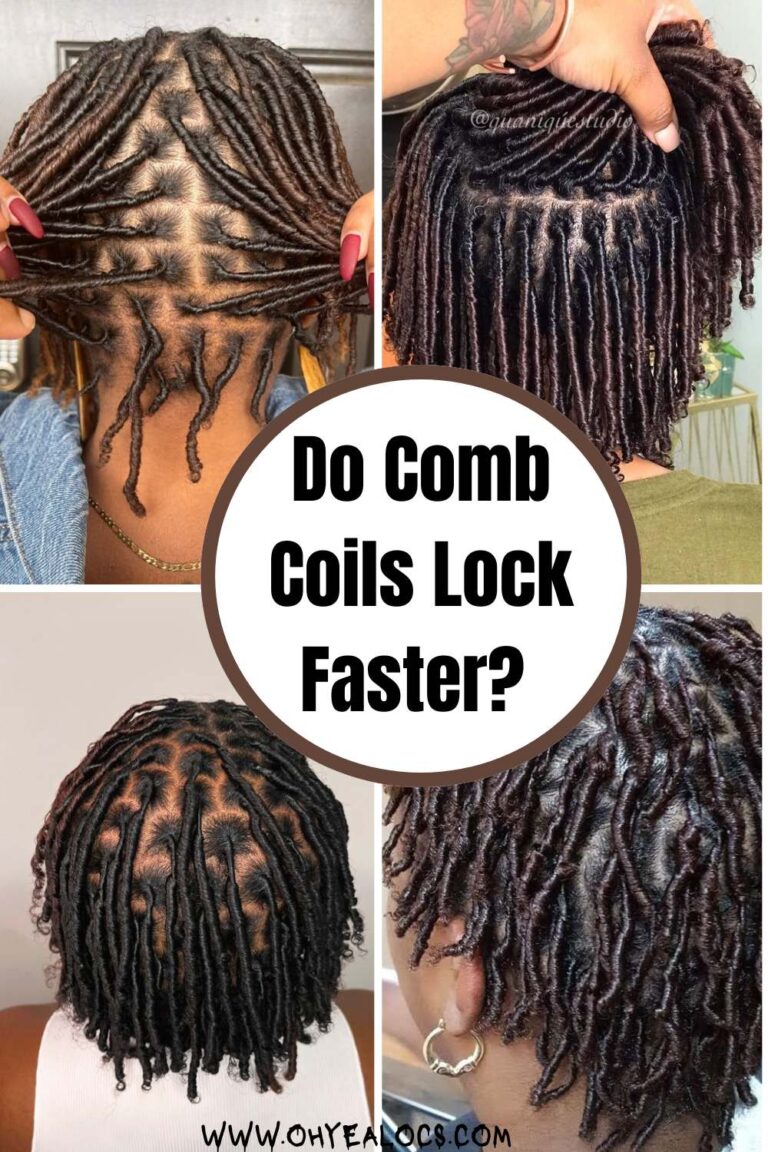
- Comb coils
- Two-strand twists
- Braids
- Palm rolling
- Freeform or semi-freeform
Traditional locs typically have 40 to 120 locs, depending on your hair type and preferred thickness.
Don’t loose this guide: How to start your Locs the right way.
Why do some people prefer traditional locs?
Traditional locs offer a timeless look, a simpler maintenance routine, and a quicker journey to mature, well-formed locs. For beginners, traditional locs are often the easiest and most budget-friendly option.
Pros of Traditional Locs
In addition to the reasons already stated, here are some other advantages of traditional locs:
1. Lower maintenance
Retwisting or interlocking traditional locs takes less time because there are fewer locs to maintain. You can also go longer between appointments unlike micro locs.
2. Faster installation
Starting traditional locs is significantly quicker than micro locs. What takes days for micro locs can be done in a few hours.
3. More budget-friendly
Both installation and maintenance tend to cost less, making traditional locs ideal if you’re building a long-term loc routine on a budget.
4. Matures faster
Traditional locs bud and tighten more quickly because they’re thicker. If you want your locs to look mature sooner, this is a strong advantage over micro locs.
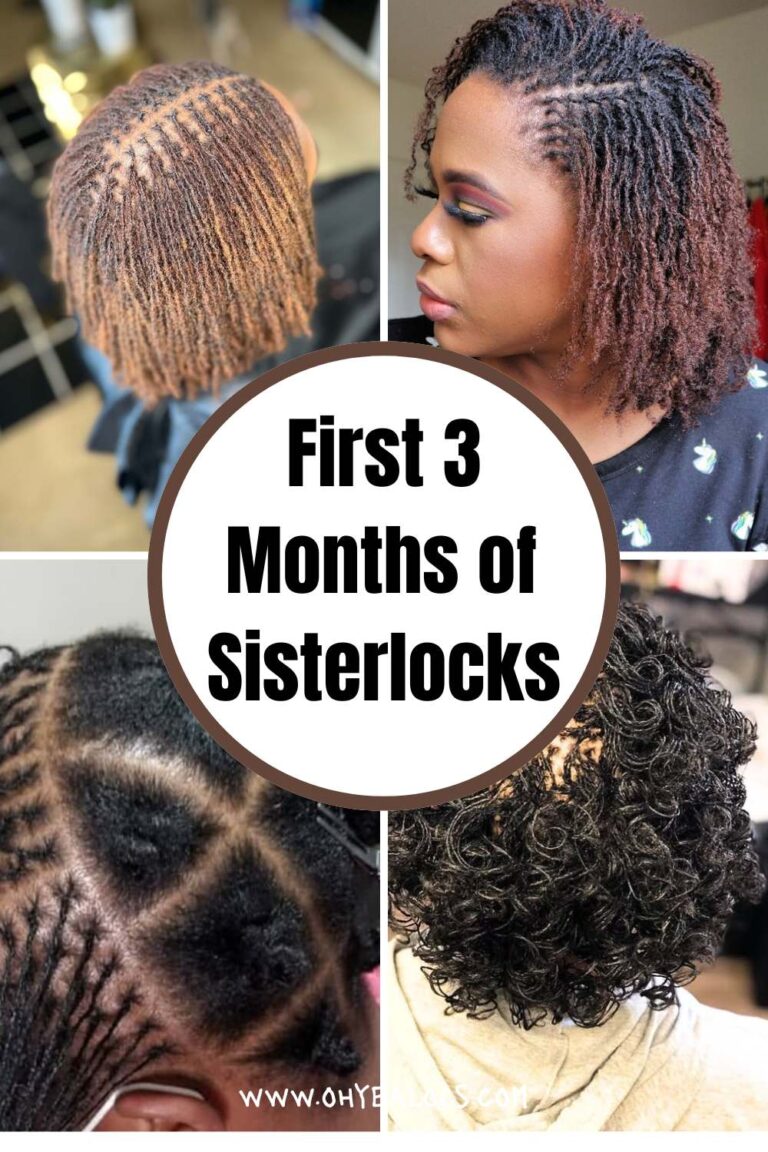
Recommended for You: What to expect in the first 3 months of your Loc Journey.
5. Easier to adjust or repair
Anyone who is on a loc journey would agree that locs aren’t predictable; anything can happen along the journey. But with traditional locs, the risks are minimal as you can easily combine, split, thicken, and repair your locs. This gives you more freedom to alter your loc journey over time – something you can’t always do with micro locs.
More on this: Common Mistakes you should avoid when Locking your Hair
Cons of Traditional Locs
As it’s commonly said, whatever has advantages will likely have disadvantages. Here are some of the cons of traditional locs:
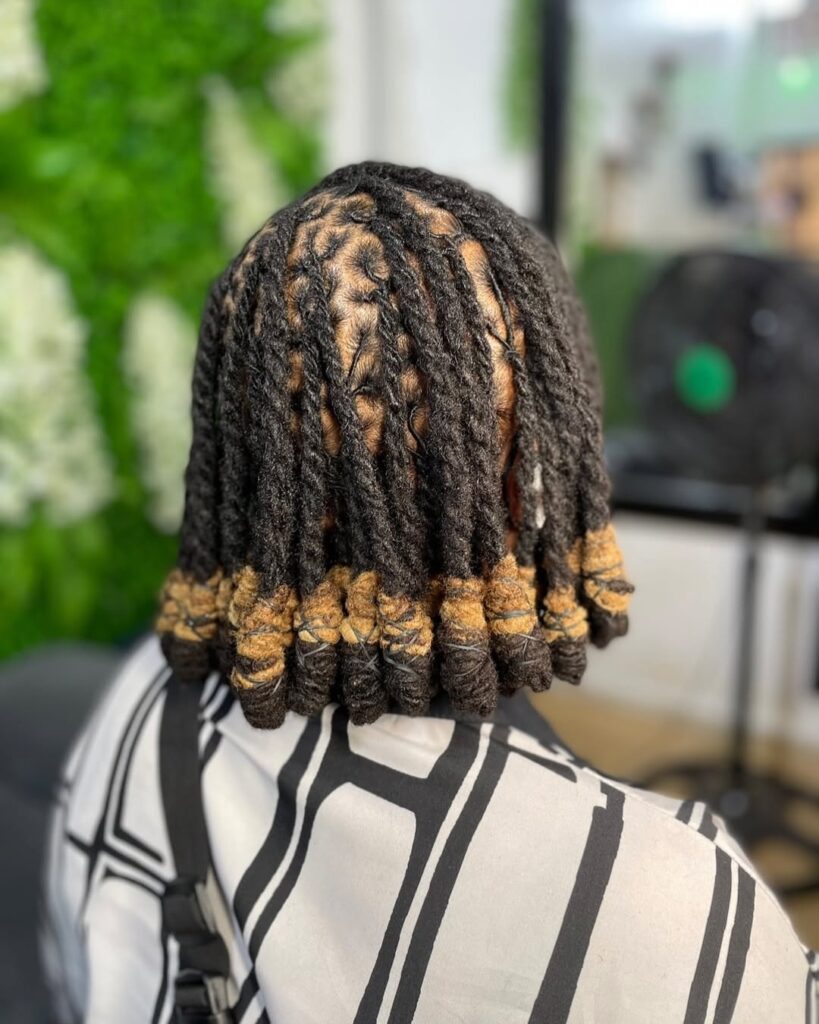
1. Less styling versatility
Traditional locs can still be styled beautifully, but they don’t offer the same level of flexibility that micro locs provide because of their thick sizes.
2. May feel heavy or bulky
If you prefer a sleek, lightweight look, traditional locs may feel thicker or heavier than you’d like.
3. May show more scalp on thin hair
People with low-density hair may feel self-conscious about spacing or visible scalp when wearing thicker locs.
Key Differences Between Micro locs and Traditional Locs
From the pros and cons we’ve explored so far, the key differences between the two are glaring. Here’s a side-by-side comparison.
Size/loc count: Micro locs are very small; ranging from 200–450+ loc count. Traditional locs on the other are usually of medium sizes ranging from 40–120 loc counts.
Installation time: Micro locs take a longer time to install while traditional locs can be installed faster.
Maintenance: Micro locs often require high maintenance while traditional locs require moderate to low maintenance.
Styling versatility: Micro locs have very high styling options while traditional locs have fewer styling options.
Cost of installation: Micro locs cost more to install because of the loc count while traditional locs cost less.
Best fit: Micro locs tend to give less-dense hair a fuller look whereas traditional locs suit thick or dense hair.
How to Choose the Best Option for You
1. Your Hair Type & Texture
If you have fine or medium-density hair and you want a fuller look, go for micro locs.
On the other hand, if your hair is thick or coarse, traditional locs will help create a balanced look and mature quickly.
2. Your Lifestyle
You have to consider your schedule before making your choice. If you’re always busy and don’t have the time for back-to-back hair care sessions, then, go for traditional locs as they require minimal maintenance. However, if versatility of styling is a priority to you and you don’t mind longer appointments, then micro locs are just good.
3. Your Budget
This is a very important factor to consider. If you want to grow your locs on a budget, go for traditional locs. Micro locs require a higher upfront cost and more regular maintenance whereas traditional locs are more budget-friendly for the long run.
4. Your Patience Level
This is equally an important factor to consider while making your choice. Micro locs need more time to install, maintain, and mature. If you prefer a simpler journey, traditional locs might be better.
5. Your Long-Term Hair Goals
What are your long-term goals? Would you like to combine or trim later? Traditional locs are easier for that. How about a natural or flowing look? Consider micro locs. If you prefer thicker, bold locs, then traditional locs are a better fit.
How to Care for Both Traditional Locs and Micro Locs
Whether you choose traditional locs or micro locs, the foundation of good loc care is the same. Both styles thrive on consistency, moisture, and gentle handling. Here are some helpful tips:
1. Keep Your Scalp Clean
A clean scalp is essential for healthy locs. Wash regularly (weekly or as advised by your loctician) with a sulphate-free shampoo to avoid dryness. If you sweat a lot or have an active lifestyle, you may need to wash more often.
2. Moisturise Frequently
Locs, especially in hot climates, can get dry quickly. Use a light water-based moisturiser or a simple water + aloe vera mix. Follow up with natural oils like jojoba, almond, or olive oil to seal in moisture.
3. Retwist or Interlock on Schedule
Both traditional and micro locs need maintenance to keep the roots neat. Your routine may vary (every 4–8 weeks), but staying consistent prevents matting and thinning.
4. Avoid Product Buildup
Heavy creams, gels, and waxes can get trapped inside locs. Choose lightweight products and use only what you need. Clarify occasionally to remove buildup.
Pin and come back later: 23 things you should NEVER do to your Locs
5. Protect Your Hair at Night
Use a satin bonnet or satin pillowcase to reduce frizz and retain moisture. Cotton fabrics pull moisture out of the hair.
6. Be Gentle With Styling
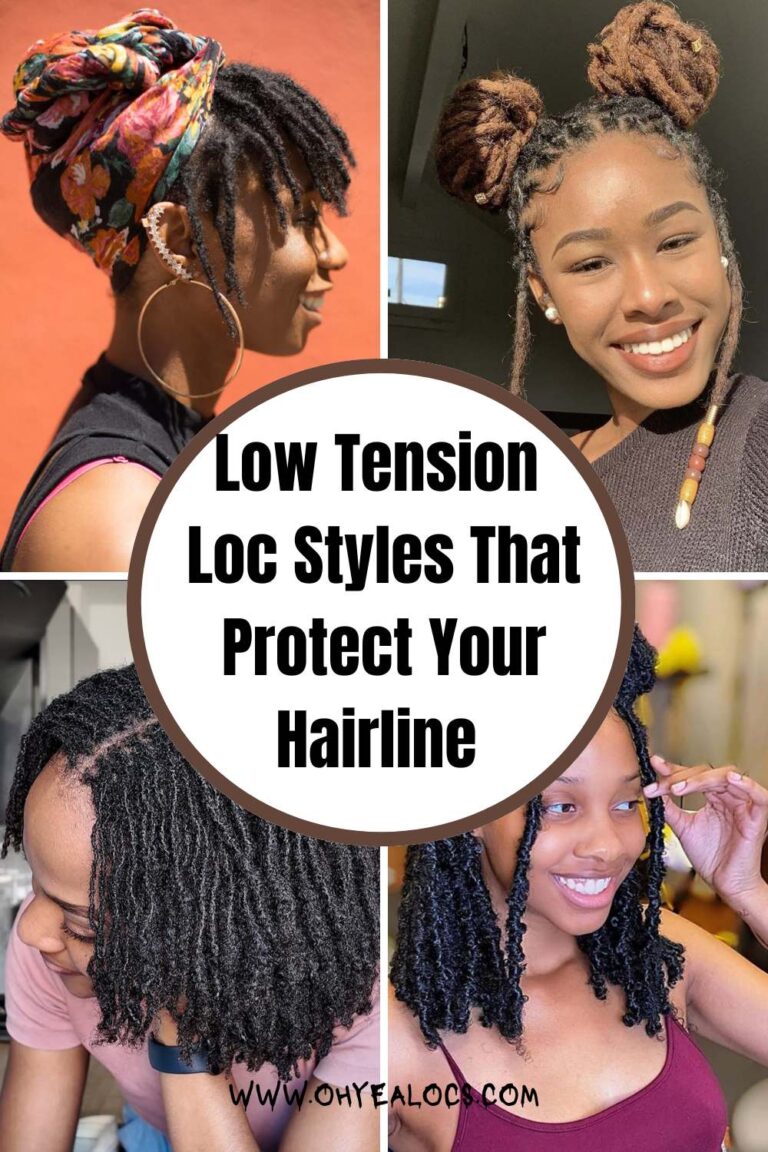
Tight ponytails and frequent styling can weaken your roots and cause traction alopecia. Opt for low-tension styles and give your locs breaks between manipulations.
7. Hydrate and Eat Well
Healthy locs start from within. Drink enough water and maintain a balanced diet rich in vitamins and minerals to support hair growth.
Related read: How to care for your Locs the right way
Final Thoughts
Choosing between micro locs and traditional locs doesn’t have to be overwhelming. Both are beautiful and defining styles that could make anyone stand out from the crowd. The key is choosing the one that aligns with your lifestyle, hair type, and personal goals.
If you love versatility, fullness, and a lightweight feel, micro locs are a wonderful choice.
If you prefer simplicity, affordability, and quick maturity, traditional locs may be the better route.
Whenever you’re in doubt, ensure to book a consultation with a professional loctician who can examine your hair, help you understand your options, and recommend the best loc journey for you.
Whichever path you choose, your loc journey will be uniquely yours – and that, amongst other perks, is what makes it truly rewarding!