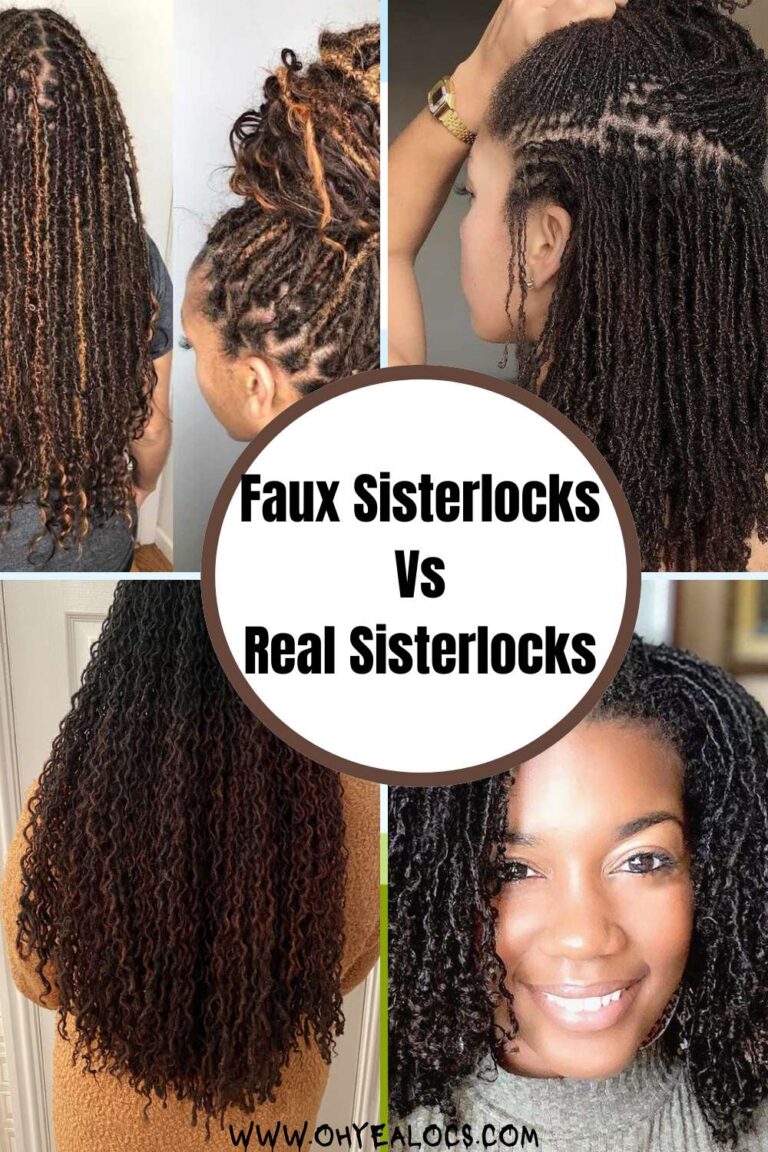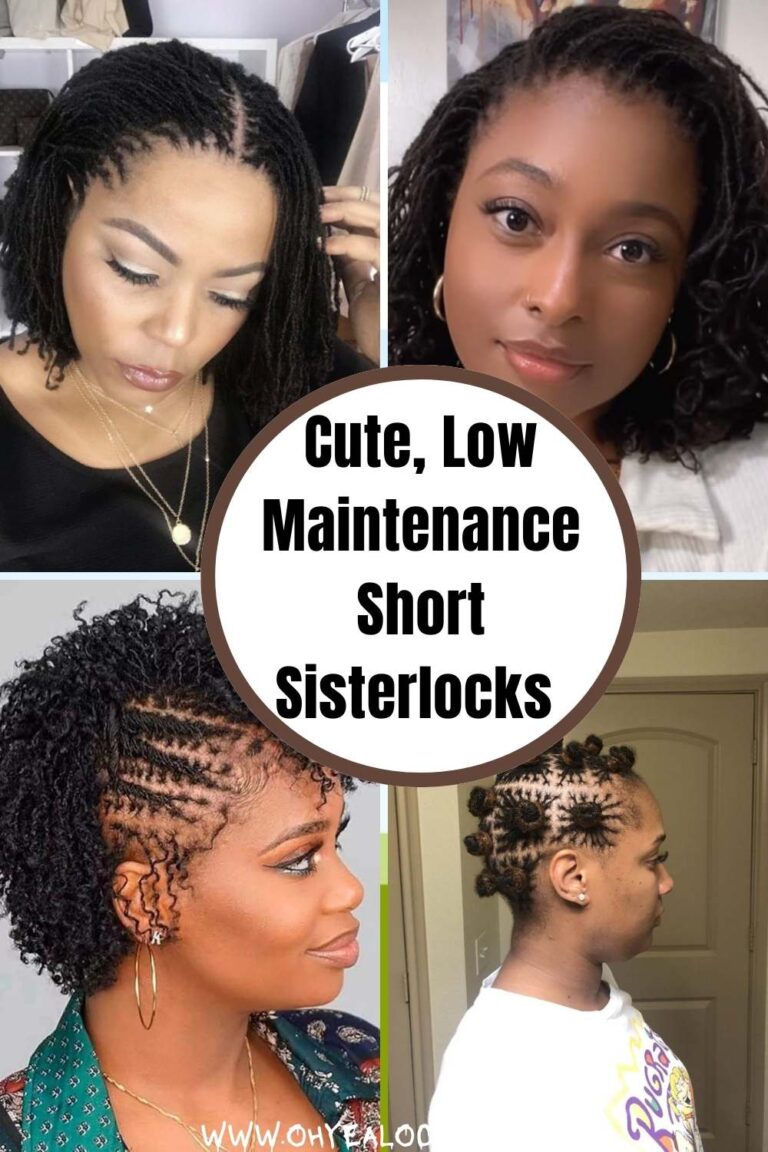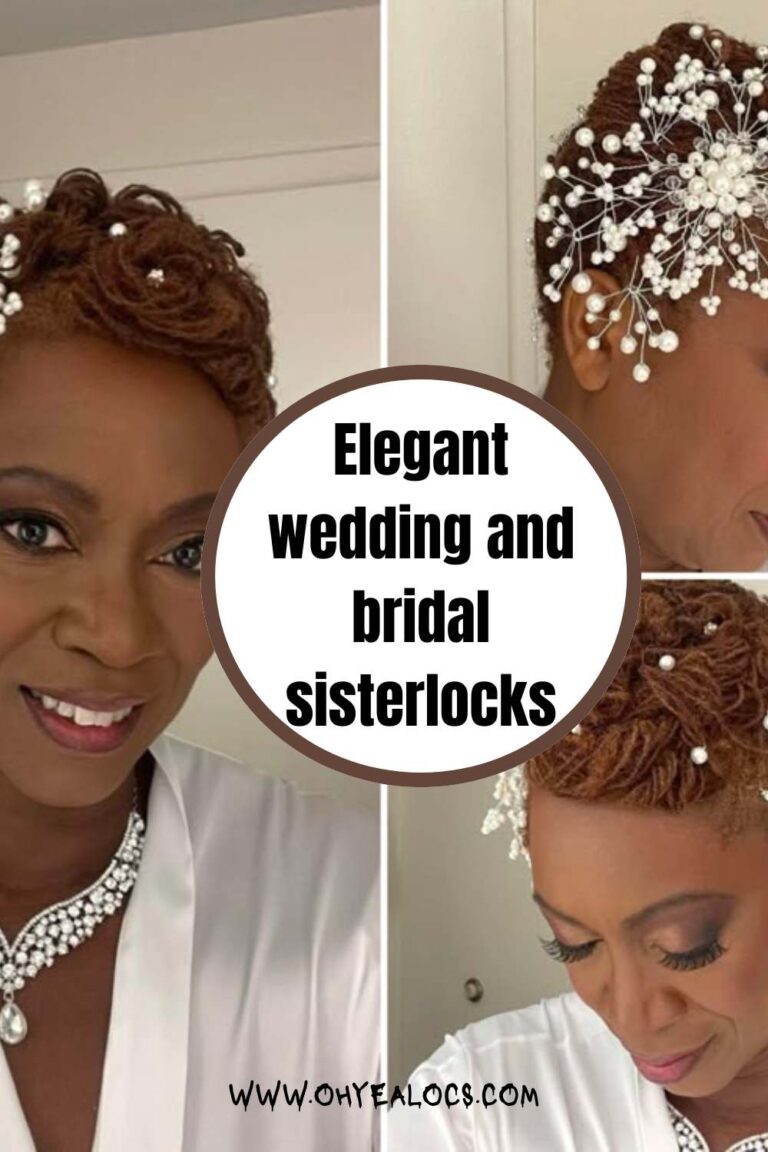
Low Tension Loc Styles That Protect Your Hairline
Your locs can be long, full, and beautiful but if your edges are thinning, it will be hard to enjoy the journey. That’s why it’s important to pay attention to your hairline as much as you care about your loc volume.
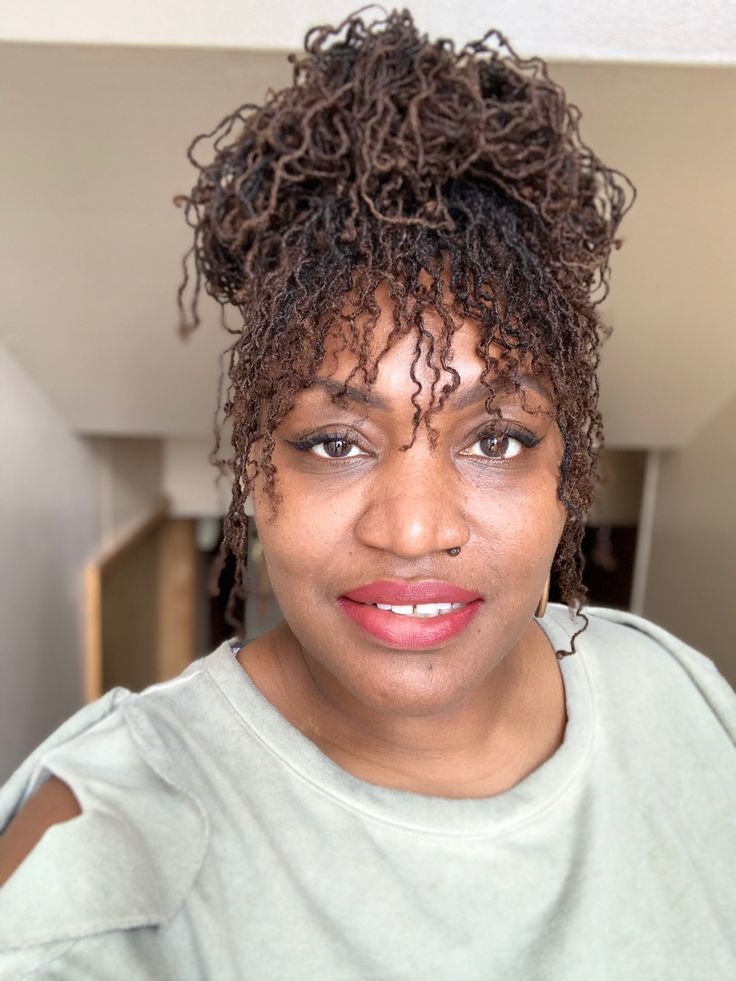
One of the most common causes of hairline damage in people with locs is excess tension. Tight ponytails, overly sleek buns, barrel twists pulled too firmly, retwists done with unnecessary force – all can be damaging to your edges.
Pin this: Starter Loc Mistakes That Can Ruin Your Loc Journey.
Even though you might not notice an immediate harm, over time, these small styling choices can lead to real damage including a condition called Traction alopecia.
The good news? You don’t have to sacrifice styling your locs just to protect your edges. In this guide, we’ll cover the best low tension loc styles that protect your hairline, what to avoid, and how to keep your edges healthy for the long haul.
Let’s jump right in!
Why Your Hairline Needs Extra Protection
Your hairline – especially the edges – is naturally more delicate than the rest of your hair.
Here’s why:
1. The Edges Are Finer and More Fragile
The hair around your temples and forehead tends to be thinner and softer. That makes it more prone to breakage, especially under repeated pulling.
2. Locs Add Weight
As locs mature, they become denser and heavier. When pulled tightly into styles, that weight places additional stress on the hairline.
Come back to this: Starter Loc Methods that Last the Longest
3. Tension Damage Builds Slowly
You may not notice thinning right away. But consistent tight styling can gradually weaken follicles until they stop producing hair efficiently.
What Is Traction Alopecia?
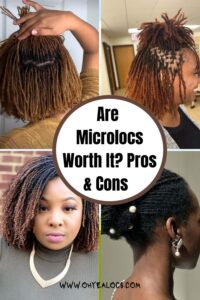
Traction alopecia is hair loss caused by repeated pulling or tension on the hair follicles. It is common among people who frequently wear tight hairstyles, including tight loc styles. If you’re comparing loc sizes and wondering which puts less stress on your hairline, see Are Microlocs Worth It? Pros, Cons & Who Should Avoid Them.
Early Warning Signs:
-Soreness or tenderness after styling
-Small bumps along the hairline
-Redness near the edges
-Thinning at the temples
-A receding hairline pattern
If caught early, traction alopecia can often be reversed. But if tension continues for years, the damage may become permanent.
This is why low tension loc styles are not optional, they’re essential.
Signs Your Loc Style Is Too Tight
Before we talk about protective styles, let’s address how to recognize excessive tension.
If your style causes:
-Headaches
-A tight, pulling sensation
-Raised eyebrows you can’t comfortably move
-Tiny white bumps around follicles
-Immediate soreness
… then, it’s too tight.
Healthy styling should feel secure, not painful.
Best Low Tension Loc Styles That Protect Your Hairline
Now let’s explore gentle loc hairstyles that allow you to look polished without sacrificing your edges.
1. Loose Low Ponytail

A loose ponytail positioned at the nape of your neck distributes weight evenly and reduces stress on your edges.
Here’s why it works:
Gravity works with you, not against you. So, there’s no upward pulling on the temples. What more? It’s easy to adjust if it feels tight.
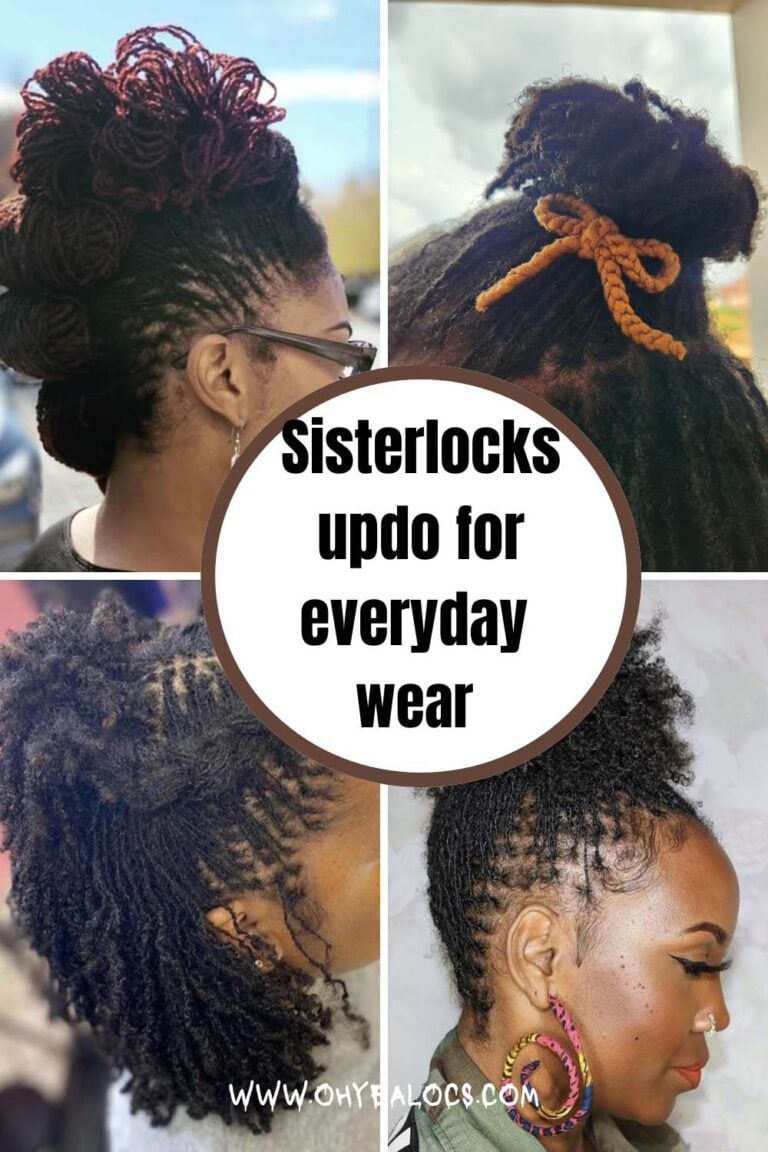
See this easy styling guide: Sister Locks with Bangs, Beads and Curls: Styling Ideas That Stand Out
Safety tips:
-Use a satin scrunchie instead of a rubber band
-Avoid wrapping the band too many times
-Keep the base slightly loose
Loose low ponytail is one of the safest everyday loc styles.
2. Half-Up, Half-Down Style
This style allows you to pull some locs away from your face while leaving the rest down.
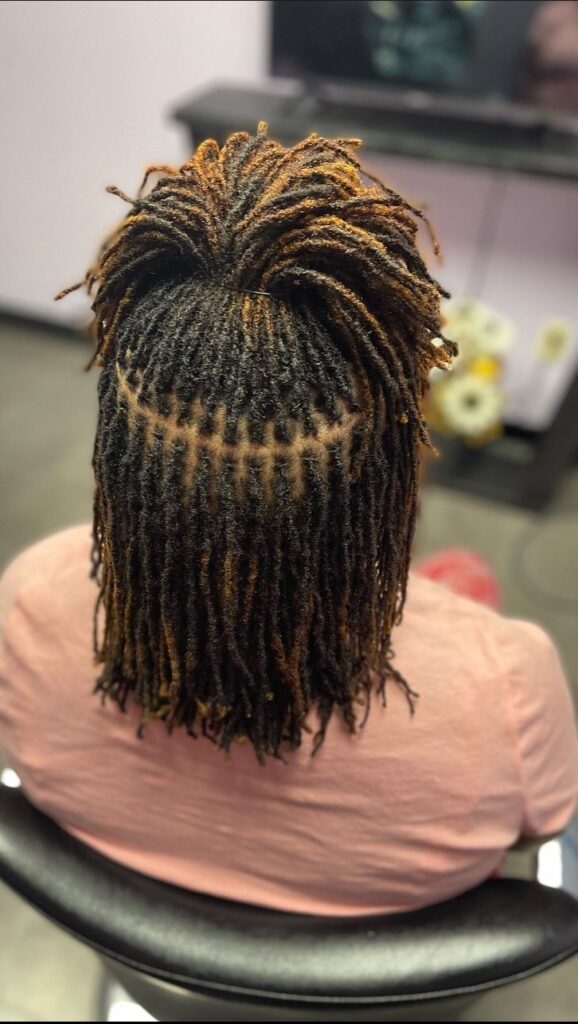
Benefits include:
-Less overall tension
-Reduced weight at the hairline
-Stylish but gentle
For maximum results, make sure the top section is not pulled tightly. The goal is light gathering not slicked-back tension.
3. Loose Two-Strand Twists (On Locs)
Twisting your locs together into two (not your roots tightly twisted) creates a defined look without stressing your edges.

Here’s why it’s protective:
-Minimal pulling at the base
-No excessive tightness required
-Can last several days
Ensure the twisting starts slightly away from the scalp to avoid root tension. If you’re still deciding on your starter method? Compare techniques in Two-Strand Twists vs Comb Coils – Which Loc Method Is Better.
4. Low Bun (Without Slicking)
A low bun placed at the nape is safe if done correctly.

Avoid:
-Heavy gel slick-back
-Tight elastic bands
-Excessive smoothing at the edges
Instead, loosely gather your locs and secure them gently. Your hairline should look relaxed, not stretched.
5. Side Sweep Locs
Simply sweeping your locs to one side creates elegance without tension.
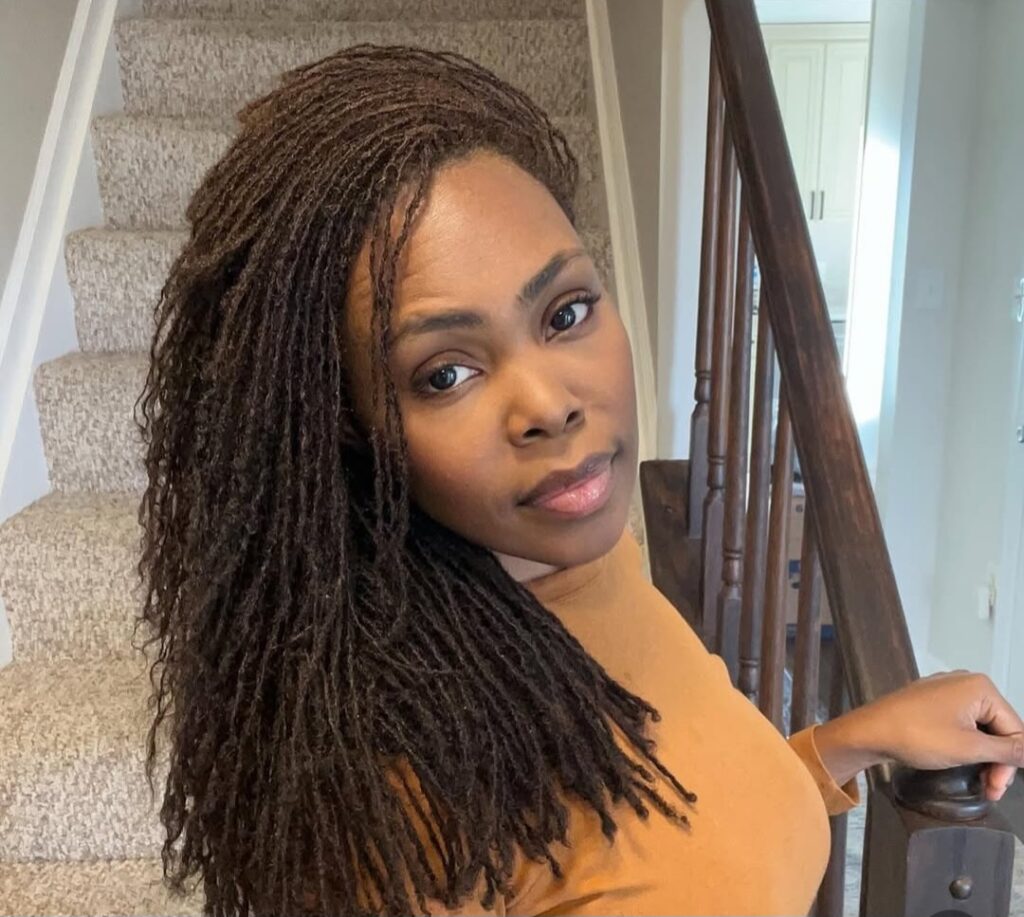
Why this style is excellent:
-No pulling at the hairline
-Zero stress on the temples
-Quick and effortless
Sometimes the most protective style is the simplest one.
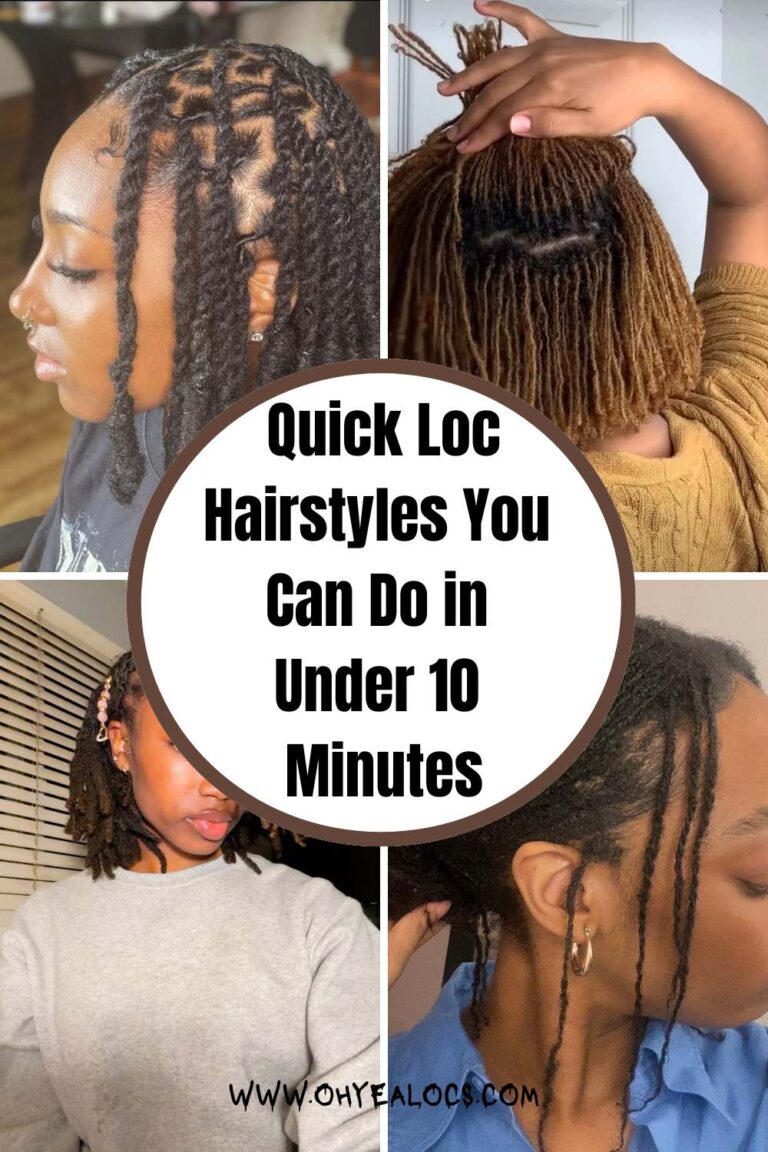
This styling guide is for you: 15 easy ways to style your locs – No accessories needed
6. Loose Barrel Twists
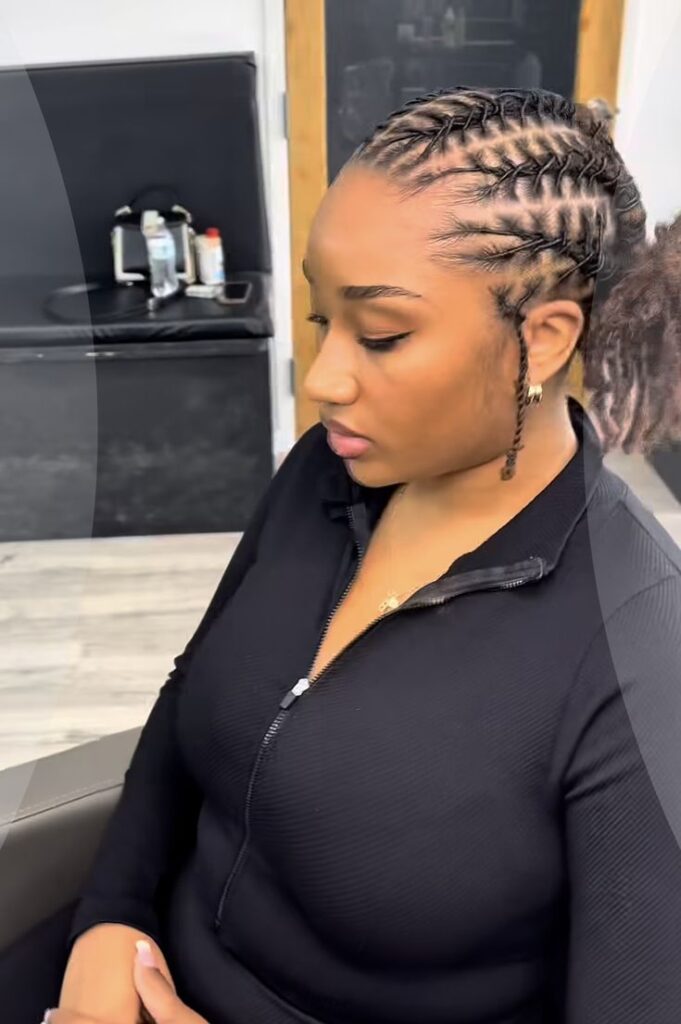
Barrel twists can be protective but only when done loosely.
When styling, keep these in mind:
-Avoid tight root twisting
-Speak up if your stylist pulls too firmly
-Remove the style if soreness lasts more than 24 hours
Barrel twists should feel secure, not restrictive.
7. Free-Hanging Locs (The Ultimate Protective Style)

Wearing your locs down is arguably the safest option for your edges.
Benefits include:
-No tension
-Even weight distribution
-Allows follicles to rest
If your hairline is recovering, this is your best choice. Shorter locs can benefit greatly from low-manipulation styles.
Don’t forget: 15 Stunning Sisterlocks Styles for Short Hair for more ideas.
Loc Styles to Avoid If You Want to Protect Your Hairline
If you notice your hairline is thinning out, limit or avoid:
-Tight high ponytails
Save this guide: 23 things you should never do to your locs
-Extremely sleek buns
-Heavy loc extensions
-Frequent tight retwists along edges
Read this: Common loc problems and how to fix them
-Small, tight updos
These styles concentrate weight and tension at the most fragile part of your hairline.
How to Style Locs Without Damaging Your Edges
Protective styling is not just about the style itself, it’s also about technique.
Here are some helpful tips:
1. Communicate With Your Loctician
Tell your stylist you prefer low-tension styling. If something feels tight, speak up immediately.
2. Avoid Tight Rubber Bands
Rubber bands increase localized tension and can snap hair strands. Choose satin-covered or fabric scrunchies instead.
3. Don’t Over-Retwist the Hairline
Retwisting too frequently weakens roots.
Most people benefit from retwisting every 4–6 weeks, depending on hair type and growth rate.
4. Sleep With Satin Protection
Friction from cotton pillowcases can worsen thinning edges. Use a satin bonnet or pillowcase to reduce breakage.
How Often Should You Wear Protective Styles?
High-tension styles shouldn’t be worn continuously without breaks. Your hairline needs rest days.
Consider this rhythm:
-Wear a styled look for 1–2 weeks
-Follow with at least several days of free-hanging locs
-Avoid constant manipulation
Pin this: How to maintain your locs between retightening
Balance is key when it comes to protecting your edges.
Hairline Recovery Tips If You Notice Thinning
If you’re already seeing thinning edges, act quickly.
1. Stop Tight Styles Immediately
This is non-negotiable.
2. Reduce Manipulation
Avoid daily brushing or edge control gels.
3. Gentle Scalp Massage
Light massages can encourage blood flow.
4. Be Patient
Hair recovery takes time, often several months. If thinning persists or worsens, consult a dermatologist.
Wrapping Up
Your loc journey should never cost you your hairline. Length, fullness, and beautiful styles mean little if your edges are silently thinning underneath the tension.
The truth is simple: most hairline damage doesn’t happen overnight. It happens gradually, through small, repeated choices that seem harmless at the time.
The encouraging part? You have control.
Low tension loc styles exist so that you don’t have to choose between looking polished and protecting your edges.
Listen to your scalp. If it hurts, it’s too tight.
If it feels strained, it needs adjusting.
Healthy styling should feel comfortable, secure, and breathable, not painful or restrictive.
Remember that traction alopecia is preventable in many cases and early action makes a difference. Taking your locs through rest days is also beneficial. Prioritize gentle techniques and always communicate with your loctician to ensure your hairline is safe.
Frequently Asked Questions
1. Can low-tension styles still look neat and professional?
Yes. Low tension does not mean messy. The key is proper parting, balanced weight distribution, and gentle securing methods. A style can look polished without being painfully tight.
2. How long does it take for edges to grow back after traction damage?
If caught early, mild traction damage may improve within 3–6 months. More severe or long-term damage can take longer and in some cases may not fully recover.
3. Are interlocks safer for the hairline than palm rolling?
Not necessarily. Safety depends on how tightly the roots are maintained. Both methods can be safe or damaging depending on the tension applied.
4. Can loc extensions increase the risk of hairline thinning?
Yes. Extensions add extra weight to your locs, which increases stress on the roots, especially around the temples and edges.
5. Should I avoid edge control products completely?
Not always. The issue is frequent heavy use and tight slicking. Occasional, gentle use is usually fine but avoid constant brushing and hard-hold gels.
6. Is it normal for my hairline to look thinner after a fresh retwist?
It can appear thinner because some parts look cleaner and more defined. However, if you notice soreness, bumps, or excessive scalp visibility, it may be too tight.
7. Do thicker locs protect the hairline better than smaller locs?
Not automatically. Thicker locs can be heavier, which may increase tension if pulled tightly. Protection depends more on styling habits than loc size alone.
8. Can protective oils regrow thinning edges?
Oils can support scalp health, but they cannot reverse permanent follicle damage. They work best alongside reduced tension and proper care.
9. Is it safe to wear wigs over locs while recovering my edges?
Yes, if installed loosely and not gripping the hairline tightly. Avoid tight wig bands or adhesives along thinning edges.
10. When should I see a dermatologist for hairline thinning?
If you notice rapid shedding, shiny bald patches, persistent redness, or no improvement after several months of low-tension styling, it’s wise to seek professional evaluation.