How to Wash Starter Locs Without Unraveling Them (Step-by-Step Guide)
Starting a loc journey can be so thrilling. You imagine the neat parts, the coils or twists that look so fresh and you can already picture how beautiful they’ll be months from now.
Then wash day comes. Suddenly, fear sets in. “What if they unravel?” “What if all my parts disappear?” “Should I just avoid washing for two months?”
If you’re wondering how to wash starter locs without unraveling them, you’re not alone. This is one of the most searched and most misunderstood parts of the loc journey.
The good news? You can wash your starter locs safely – and you absolutely should.
This detailed guide will walk you through:
When to wash starter locs, what products to use, step-by-step washing methods, how to dry them properly, and what to do to prevent unraveling.
Let’s jump right in!
Why Starter Locs Unravel Easily After Washing
To prevent unraveling, you first need to understand why it happens.
Starter locs are fragile because they are not fully locked yet. Whether you started with comb coils, two-strand twists, or braids, the hair is still in its early formation stage, so unraveling is bound to happen.
Bookmark this: What to Expect in the First Three Months of Your Locs Journey
Here’s why washing can cause unraveling:
1. Water Loosens the Curl Pattern
Water naturally expands the hair shaft and loosens coils and twists. This is especially true for softer hair textures.
Learn more here: How often should you moisturize locs
2. Friction Disrupts the Pattern
Rubbing, scrubbing, or rough towel drying can disturb the structure before it has time to mature.
3. Soft or Silky Hair Textures Slip Easily
If your hair is naturally soft or loosely curled, unraveling will be more common in the early stages.
4. Over-Manipulation
Twisting, squeezing aggressively, or separating locs too often can undo progress.
Unraveling doesn’t mean your locs are failing. It just means they need gentler handling during this stage.
Read this: How to maintain your locs between retigtening
When Should You Wash Starter Locs for the First Time?
One of the biggest myths in the loc community is that you shouldn’t wash starter locs for months. But this is not true.
In most cases, you can wash starter locs 2–4 weeks after installation, earlier if your scalp is itchy or flaky, and sooner if you sweat frequently (gym, hot climate, workouts).
A clean scalp is essential for healthy loc formation. Dirt, oil buildup, and sweat can slow down the locking process.
See this guide: Starter Loc Methods that Last the Longest
However, if your loctician gave you specific instructions, follow their guidance. But in general, delaying washing for too long can cause buildup that becomes harder to remove later.
What You’ll Need Before Washing Starter Locs
To avoid unraveling while washing starter locs, preparation makes all the difference.
Here’s what you’ll need:
-Residue-free shampoo (lightweight and clarifying)
-Stocking cap or wave cap
-Spray bottle (optional)
-Microfiber towel or cotton T-shirt
-Hooded dryer or well-ventilated space
Avoid creamy, moisturizing shampoos in the beginning. Heavy formulas can leave residue, which in turn interferes with the locking process.
Step-by-Step Guide on How to Wash Starter Locs Without Unraveling
Now let’s walk through the safest method.
Step 1 – Secure Your Locs (The Stocking Cap Method)
Using a stocking cap is especially important if you started your locs with comb coils – as they tend to unravel easily.
Putting on a clean stocking cap or a wave cap before washing keeps your locs compressed and prevents them from expanding and unraveling too much during washing. Ensure it’s snug but not tight.
If you have two-strand twists or braided starters, you may not need a cap – but it still helps to reduce frizz.
Step 2 – Dilute Your Shampoo
Never apply thick shampoo directly to starter locs. Instead:
-Mix shampoo with water in a bottle
-Aim for about a 1:3 ratio (1 part shampoo, 3 parts water)
-Shake well before use
Diluting reduces friction and allows the shampoo to flow through your scalp more gently.
Step 3 – Focus on the Scalp (Not the Length)
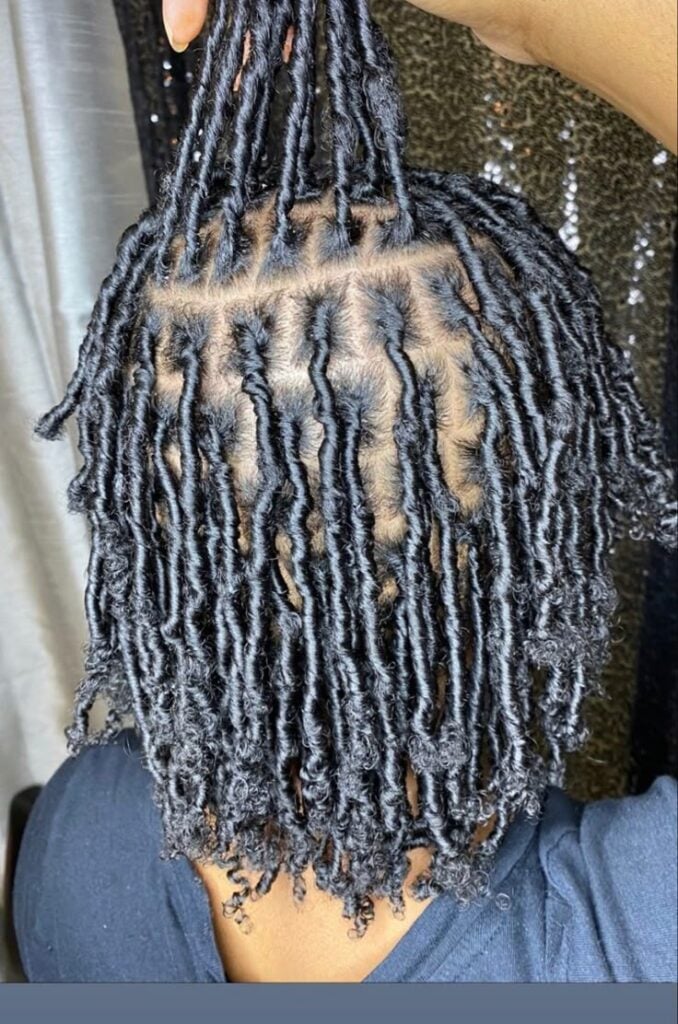
Apply the diluted shampoo to your scalp.
Using the pads of your fingers (not your nails):
-Gently press and massage your scalp
-Avoid circular scrubbing motions
-Do not aggressively rub the locs themselves
Remember, your goal is to clean the scalp. The shampoo running down your locs during rinsing will lightly cleanse the strands.
Step 4 – Rinse Gently with Low Water Pressure
High water pressure can cause unraveling.
Instead:
-Use lukewarm water
-Let the water flow downward
-Avoid flipping your head around
-Keep movements minimal
If you’re using a stocking cap, rinse through it gently.
Step 5 – Squeeze, Don’t Rub
After rinsing:
Gently squeeze each section to remove excess water.
-Do not wring
Keep this safe: Common Loc Problems and How to Fix Them
-Do not rub with a regular towel
-Use a microfiber towel or cotton T-shirt to pat dry.
Your locs don’t need any form of friction at this stage.
Alternative Method: Washing Starter Locs Without a Cap
If you started your locs with two-strand twists or braids, you may be able to wash without a stocking cap.
In that case:
-Keep water pressure low
-Avoid heavy manipulation
-Focus strictly on scalp cleansing
-Be extra gentle while rinsing
This method works best for tighter textures that hold structure well.
However, if you notice excessive unraveling afterward, switch to the cap method next time.
How to Dry Starter Locs Properly
Most loc wearers don’t know that drying is just as important as washing. Improper drying can lead to a mildew smell
lint buildup, weak roots, and increased frizz.
Come back to this: How to Get Rid of Lint in Your Locs (Without Damaging Them)
Here are some drying methods you can try:
Option 1 – Hooded Dryer (Best Option)
Sitting under a hooded dryer ensures your locs dry completely and evenly. This reduces odor and prevents the roots from staying damp for too long.
Option 2 – Air Drying
Air drying is slow. If you are going to use it, take note of these:
-Make sure your locs are fully separated
-Avoid tying them up while wet
-Stay in a well-ventilated area
-Do not sleep on wet locs
Wet locs that stay damp for too long can develop mildew inside, which will be difficult to remove later. Always ensure that your locs are 100% dry before styling or covering.
What to Avoid When Washing Starter Locs
If you want to prevent unraveling, avoid these:
1. Heavy Conditioners
While conditioners are a staple in loose natural hair routines, they are not ideal during the early stages of starter locs.
That’s because conditioners are formulated to soften and smooth the hair shaft, making strands slippery and easier to detangle. Locking on the other hand requires the opposite effect – hair strands need a bit of friction and texture to intertwine and form knots.
Pin this: 10 Things You Should Never Do to Your Starter Locs
Using heavy conditioners too soon can:
-Loosen coils or twists
-Delay the locking process
-Make retwists less effective
-Cause unraveling at the roots or ends
In the starter phase, your goal is to encourage the hair to mesh together naturally. That’s why most locticians recommend avoiding conditioners entirely for the first few months.
If your hair feels dry, opt for a light, water-based leave-in spray or natural oils instead of creamy, rinse-out conditioners.
Once your locs are more mature and stable, you can reintroduce lightweight conditioners cautiously – preferably ones that are residue-free and specifically formulated for locs.
2. Creamy, Moisturizing Shampoos
The truth is: not all shampoos are safe, especially when it comes to loc care.
Thick, creamy, and heavily moisturizing shampoos are often packed with butters, silicones, and conditioning agents that coat the hair. While this may be beneficial for loose hair, it can create serious buildup in locs.
Locs are dense and structured, which means residue can easily get trapped inside and become difficult to remove. Over time, this buildup can:
-Make locs feel heavy
-Cause itching and irritation
-Produce unpleasant odors
Check this out: How to Get Rid of Dandruff in Your Locs
-Lead to dull, lifeless-looking locs
Instead, choose a clarifying or residue-free shampoo with a lightweight formula. These shampoos cleanse thoroughly without leaving any product behind.
A clean scalp and product-free strands will help your starter locs lock faster and healthier.
3. Aggressive Scrubbing
We all know how it can be tempting to scrub your scalp vigorously during wash day – especially if you’re used to deep cleansing your loose natural hair.
However, aggressive scrubbing can disrupt your starter locs before they’ve had a chance to fully form. Rough handling can:
-Disturb your clean parts
-Create unnecessary frizz
-Loosen freshly retwisted roots
-Cause coils or twists to unravel
Instead of scrubbing aggressively, use the pads of your fingers to gently massage your scalp in small circular motions. Focus on cleansing the scalp rather than roughing up the locs themselves.
Save this guide: 23 things you should never do to your locs
If you’re still worried about unraveling, consider using a stocking cap method during the early stages to keep your locs intact while washing.
Gentle care helps maintain structure while still keeping your scalp clean.
4. Towel Rubbing
After washing, many people instinctively grab a towel and rub their hair dry. With starter locs, this habit can cause more harm than good.
Rubbing with a regular bath towel creates friction and that friction can:
-Create excess frizz
-Disturb your loc pattern
-Lead to thinning over time
-Weaken the forming structure
Starter locs are still delicate. The knots inside haven’t fully matured, so excessive movement can compromise their formation.
Instead, gently squeeze out excess water and pat your locs dry. Better still, use a microfiber towel or a soft cotton T-shirt. These materials reduce friction and help preserve your loc structure while absorbing moisture effectively.
5. Overwashing
Clean hair is important but overwashing starter locs can slow your progress. Your locs are still trying to find their structure in the first month. Frequent washing can cause them to unravel repeatedly, forcing you to constantly redo or retwist them.
Overwashing may:
-Increase frizz
-Loosen coils
-Slow down the locking process
-Cause dryness if moisture isn’t replaced properly.
For most people, washing every 2–4 weeks in the early stages is sufficient unless there’s excessive sweat, product buildup, or scalp issues. If you have an active lifestyle or oily scalp, you may need to adjust slightly but balance is key.
As your locs mature, they’ll become more stable and better able to withstand more frequent washing without unraveling.
Now, let’s tackle one of the most commonly asked questions:
How Often Should You Wash Starter Locs?
When it comes to washing locs, there is no universal rule, but here’s a general guideline:
-Every 2–4 weeks for most people
-Every 1–2 weeks if you sweat heavily
However, you can adjust based on your scalp condition. If your scalp feels itchy, flaky, or oily, it’s time to wash. Clean locs lock better than dirty ones.
Will Washing Make My Starter Locs Frizzy?
Yes, and that’s okay. Frizz is part of the locking process. When hair begins to mat and tangle internally, it creates a frizzy appearance on the outside. That’s actually a sign that your locs are forming.
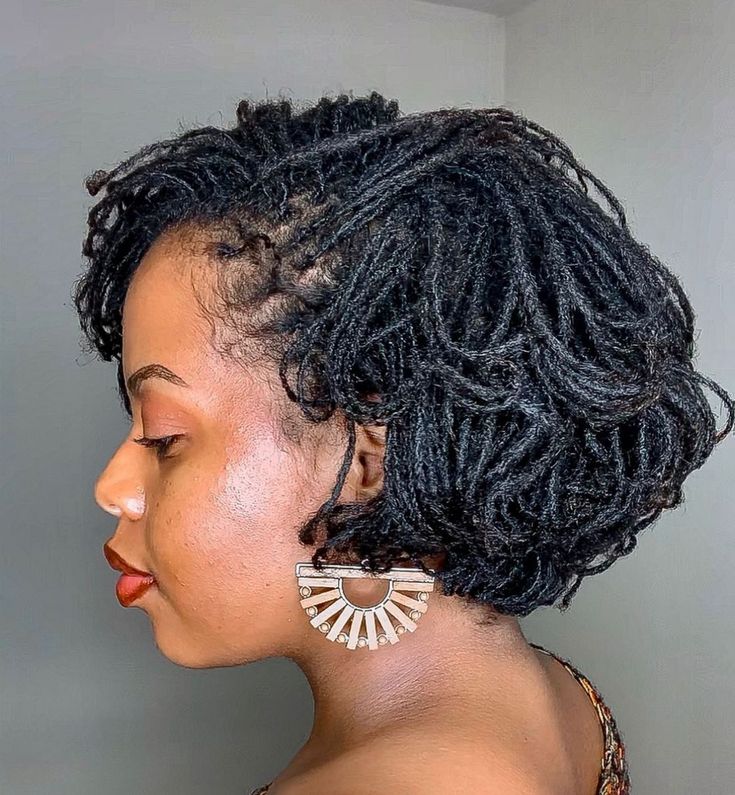
Over time, as the loc matures, the frizz will begin to settle. Trying to eliminate all frizz in the starter stage can lead to over-manipulation, which could cause more harm than good.
When Should You See a Loctician After Washing?
You may need professional help if you notice:
-Excessive unraveling at the roots
-Parts are completely disappearing
-Large sections slipping out
-Thinning roots
A retwist may be necessary if your locs have significantly loosened. However, mild frizz and slight loosening are normal.
More Tips to Prevent Starter Locs from Unraveling
Here are a few bonus tips that could make a huge difference:
-Sleep with a satin or silk bonnet
-Use a satin pillowcase
-Avoid constant touching
-Don’t retwist too frequently
-Keep your hands off your hair
Save this guide: How to Care for Your Locs the Right Way: A Complete Guide
Final Thoughts
Washing your starter locs does not have to feel like a risk. It is not the enemy of your progress, neglect is. A clean scalp creates the right environment for your locs to mature, tighten, and thrive.
Yes, there may be a little frizz. You may see slight loosening after wash day. But that does not mean your locs are unraveling beyond repair. It simply means they are evolving.
Healthy locs are grown through patience, consistency, and gentle care – not fear and avoidance.
If you remember nothing else, remember this: focus on scalp health, reduce friction, minimize manipulation, and ensure thorough drying. Those four principles will carry you safely through the starter stage.
Your parts may not always look as crisp as day one and your coils may puff up after washing. No need to panic. That is absolutely normal. Over time, what looks soft and fragile now will become strong, structured, and beautifully locked.
Trust the process. Be gentle. Stay consistent. Your locs are forming even when they don’t look perfect.