How to Start Your Loc Journey the Right Way
Did you also notice how hair locs seem to be trendy these days? Everywhere you turn, you are likely to see one or two people wearing locs. More than ever, people are beginning to understand that there’s no one-size-fits-all when it comes to hair care and styling. No thanks to the hustle culture, hence the need for hairstyles that require less maintenance (depending on the kind of loc you choose, though).
Honestly, this was one of the reasons I joined the loc gang. I wanted a hairstyle that’s more comfortable and easier to maintain. As a mom of three with a very busy family and work schedule, I just have to find my sweet spot between self-care and productivity. That was what led me to start my locs and guess what? It’s one of the best decisions I’ve made in recent times.
However, starting locs is more than choosing a hairstyle; it’s choosing a lifestyle. Locs require patience, intention, and a willingness to embrace your natural beauty through every stage. Even if you want locs for cultural significance, spiritual reasons, convenience, or pure aesthetics, getting the foundation right is key.
If you are considering starting your locs, this guide will walk you through everything you need to know to start your loc journey the right way.
Before we dive right in, I would like to ask you a simple question: why locs? Yes, why did you choose to lock your hair? Your answer to this question will determine what your journey will look like.
Learn from others: 10 things I wish I knew before I started my Locs
Decide on Your Loc Goals First
Before booking an appointment or watching countless DIY tutorials on hair locking, pause and ask yourself: Why do I want to take this route? Your answer will determine the size of locs you choose, how you’d start, how much maintenance your locs would need, and lastly, how your hair will look as it matures. Being clear about your goals would help you or your loctician (if you plan to use one) to make the right decisions from day one.
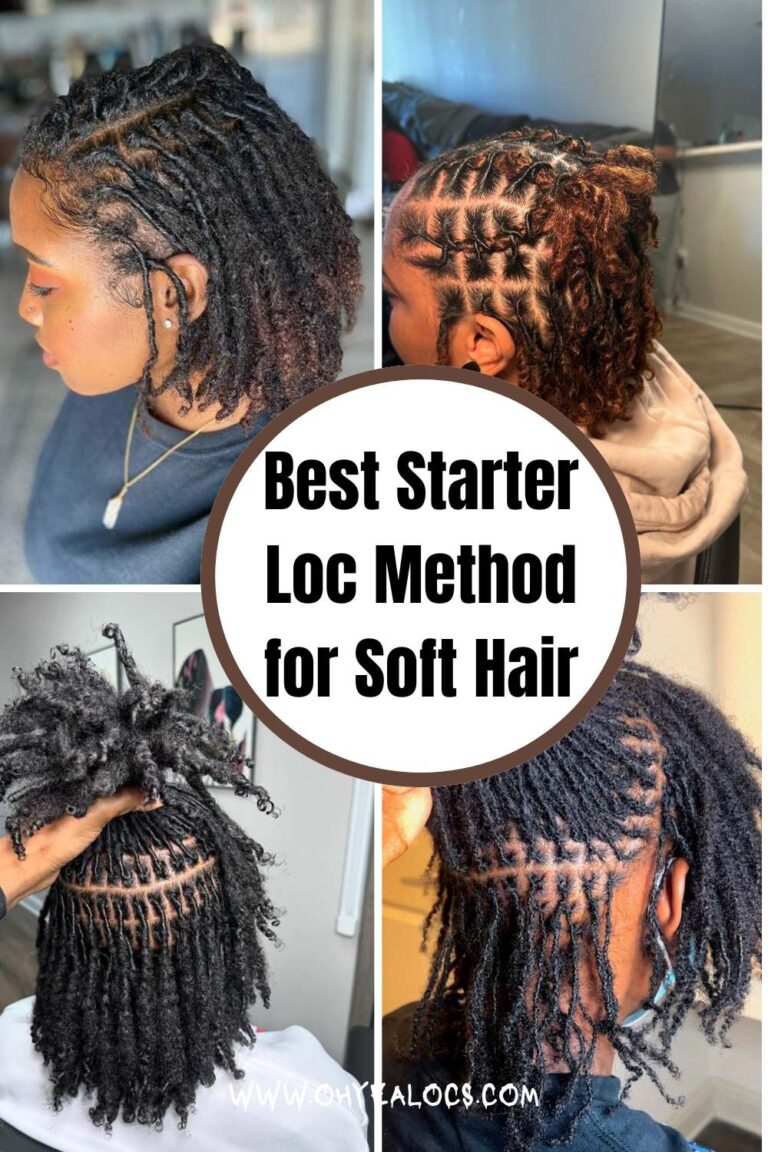
You should read this: Different methods of starting Locs
Here are more questions to consider:
- Do you prefer thick or slim locs?
- Do you want neat parting patterns or something more natural?
- How busy is your lifestyle?
- Is your workplace loc-friendly?
You see this last question? It’s very important. You don’t want to start your locs only to realise that it’s against your company policy (funny but shocking, some cultures are not loc friendly).
Setting these goals early will also help you understand your long-term hair expectations and avoid unnecessary restarts.
Moving on, let’s talk about various methods you can use to start your locs.
Understand the Different Methods of Starting Locs
When it comes to starting your locs, there’s no one-size-fits-all method. Each method has its pros and cons as well as best-fit scenarios. Here’s a breakdown to guide you:
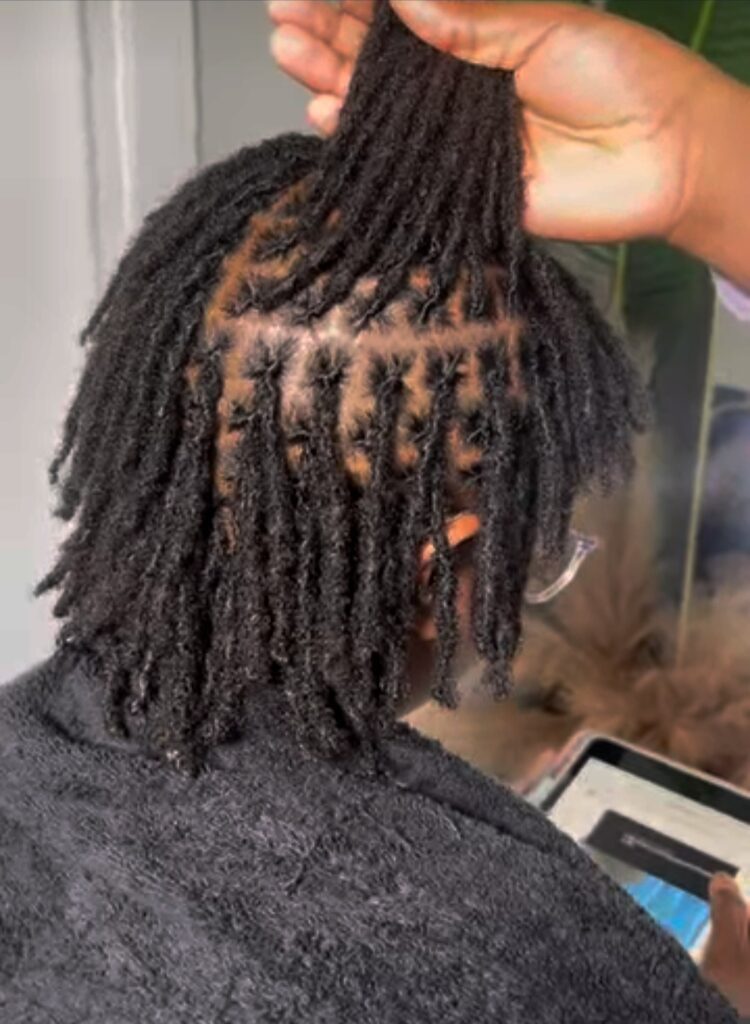
Comb Coils
This is great for most hair types, especially 3C–4C. Comb coils produce a neat, uniform look and are easy to maintain in the early stages.
Two-Strand Twists
This is perfect for thick or full hair. Twists give your locs a fuller look and hold up well during the budding stage.

Braids / Plaits
This is ideal for long, soft, or loose hair that unravels easily. However, they tend to take longer to mature but also protect your length and reduce puffiness.
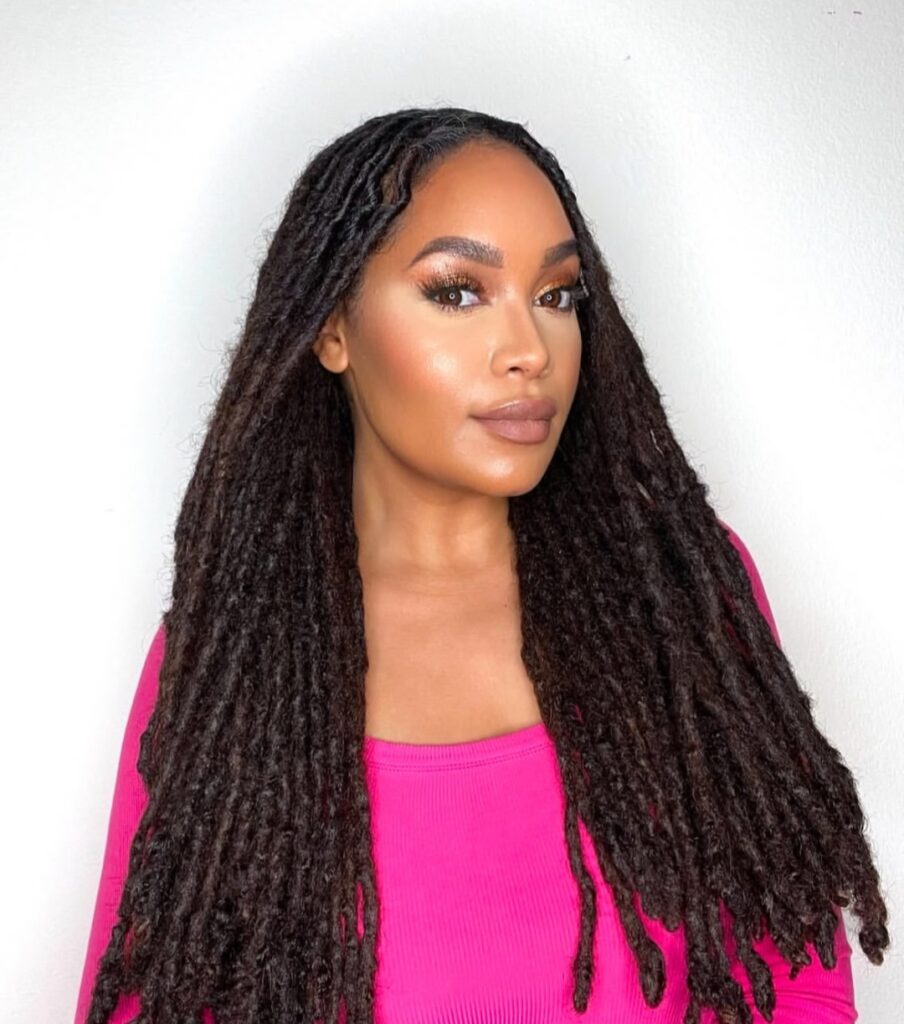
Finger Coils
This is similar to comb coils, but done manually. Specifically great for defined, “coily” starter locs.
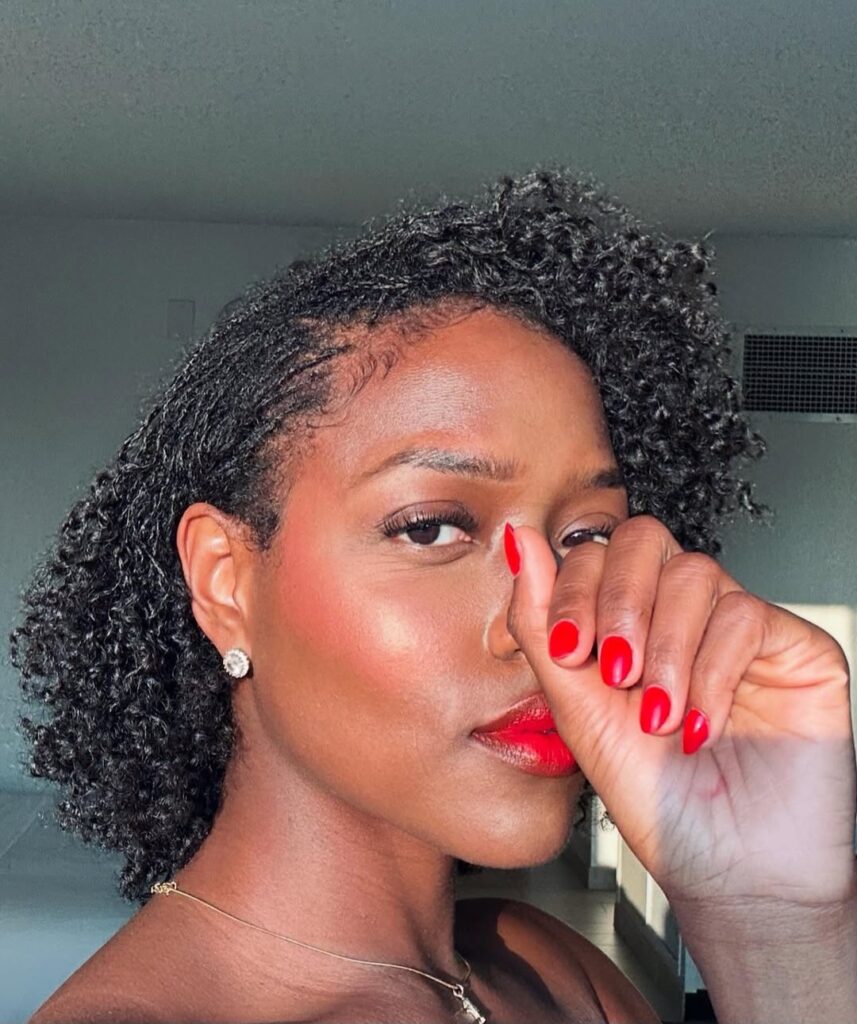
Interlocking
This is a method that threads the hair through the root for a tighter hold. It’s excellent for active people or those who need long-lasting maintenance.
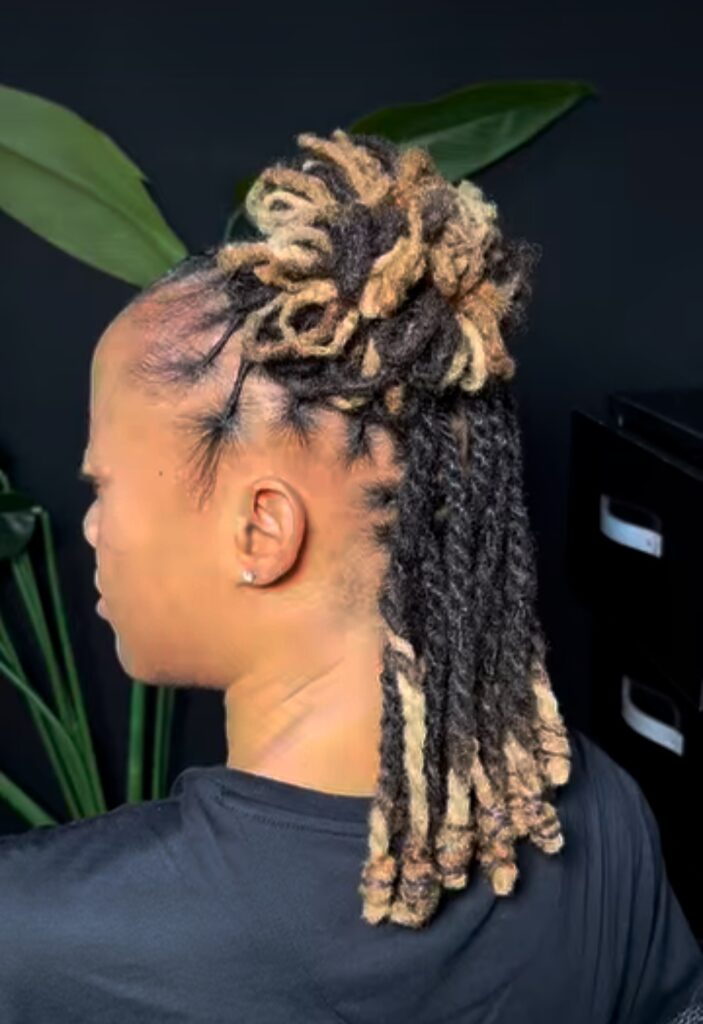
Freeform / Semi-Freeform
This method involves minimal manipulation whereby your locs grow organically with no parting or uniformity. It’s best for a natural, Afrocentric look. However, it often produces locs with varying sizes and shapes.
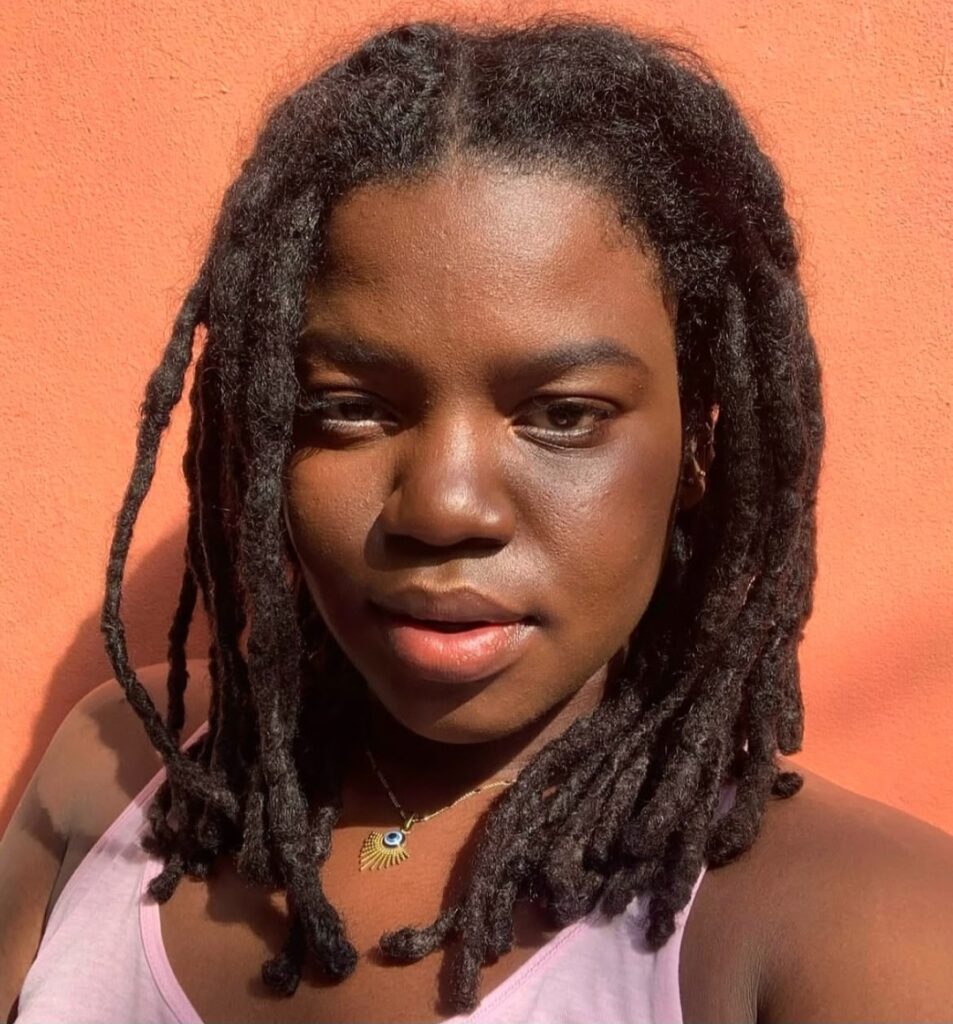
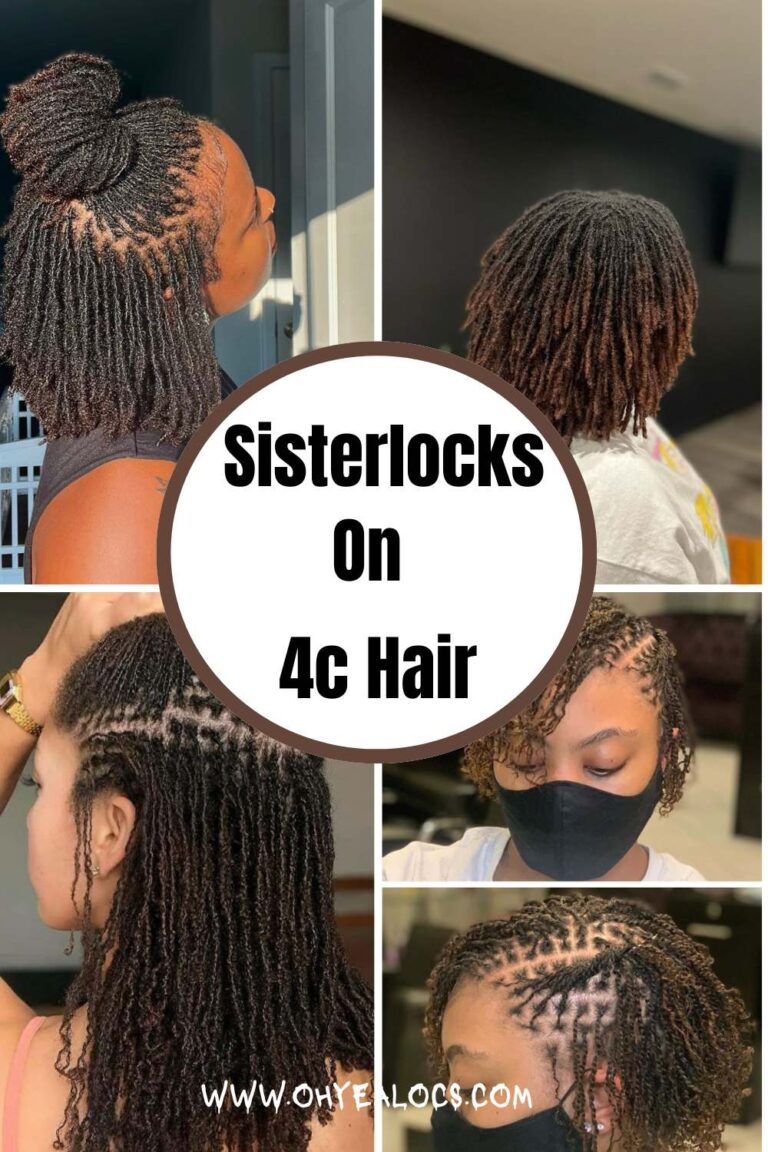
Sisterlocks
This is a patented, grid-based method usually done with a specialised tool. Unlike the other methods, Sisterlocks require a high level of professionalism. It produces tiny micro-locs with maximum styling versatility.
To make choosing easier, consider the maintenance level, how long you want the installation to take, and how uniform you want your locs to look.

Find out which type of loc is right for you here.
How to Choose the Right Method for Your Hair Type
When it comes to choosing a method to grow your locs, your hair texture matters more than your preference. Here’s a quick guide:
Thick/full hair: Best with two-strand twists or braids.
Fine or soft hair: Does well with comb coils or interlocking.
Very soft or straight hair: Braids are better for grip.
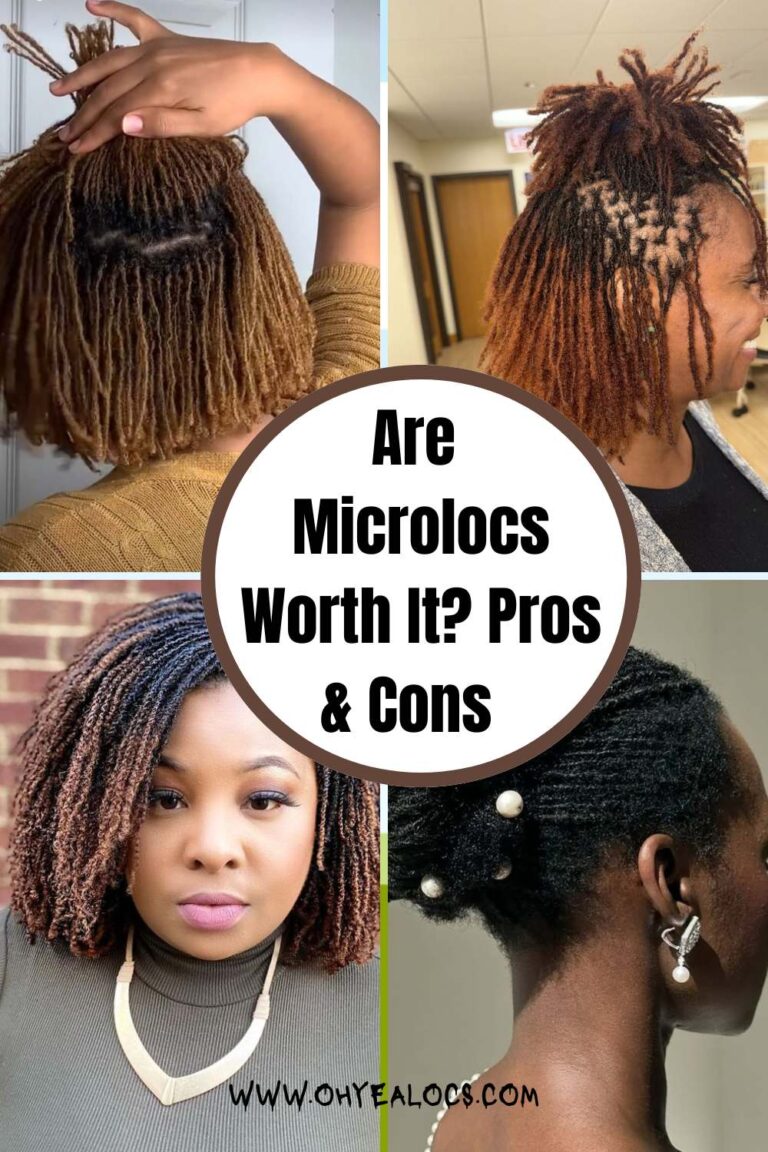
If you desire extremely tiny locs: Go for Sisterlocks or microlocs.
Locticians agree that choosing the wrong method is one of the most common reasons people restart their loc journey.
DIY or Qualified Loctician?
DIY is possible, but not always recommended at the beginning. A good loctician will assess your hair type before getting started, recommend the best method, do a neat, clean parting, and most importantly, set you up for long-term success.
Always remember that how you start your loc will set the tone for the rest of the journey.
Find out Common mistakes people make when locking their hair
Here’s how to choose the right professional:
Ask for pictures of previous work
Check cleanliness and professionalism
Ensure they understand scalp health
Discuss maintenance expectations and cost
Ask for reviews or feedback from past clients
Consulting a loctician is essential. Don’t underestimate its importance.
If you insist on DIY, ensure you learn enough (there are tons of resources online to guide you) about hair locking before you get started.
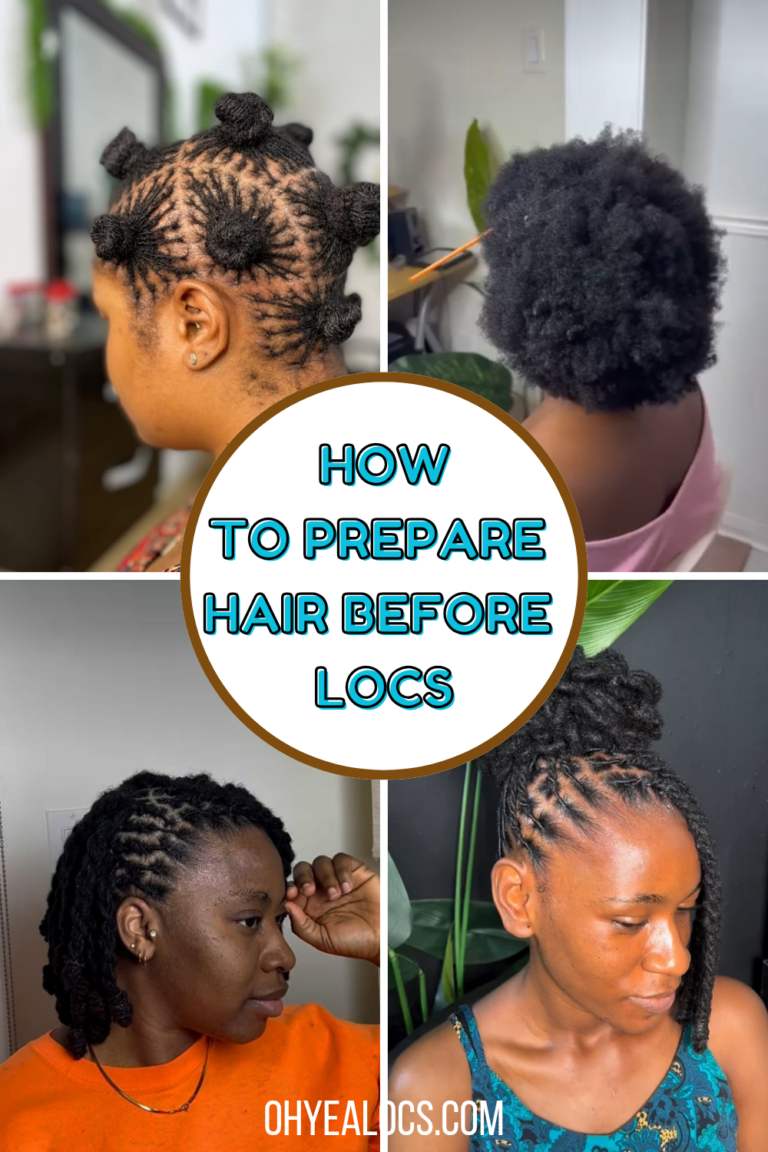
How To Prepare Your Hair Before Locking
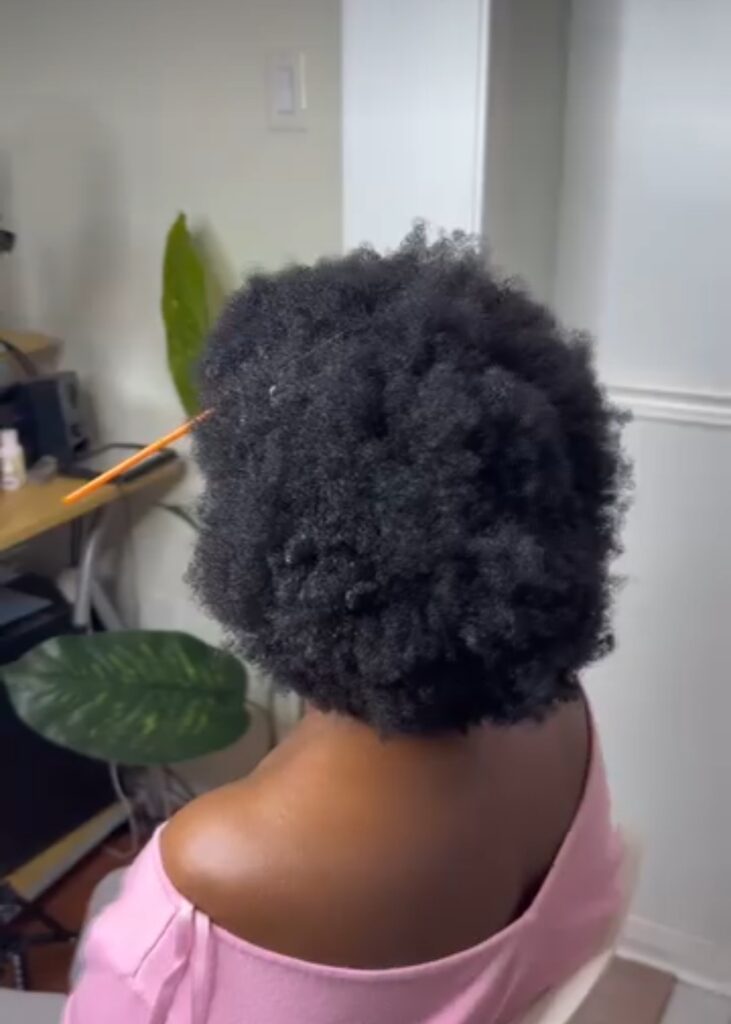
Many people don’t realise that prepping your hair before starting your loc journey is very important. Proper preparation helps your starter locs hold better and mature faster.
Here’s what to do before your appointment:
Wash your hair with a clarifying shampoo
Avoid heavy creams, oils, and conditioners
Read this next: How to get rid of Lint in your Locs
Trim damaged or split ends
Treat any scalp issues (dandruff, buildup, itching)
All these are important because product-free hair locks best. Besides, you wouldn’t want your locs to have an unpleasant smell due to product buildup.
Bookmark this: How to prepare your hair before locking: the ultimate guide , How to get rid of dandruff in your Locs
What to Expect In the First 3 Months
This is the stage where your patience will be tested. Needless to say that a lot of beginners struggle with this part.
Here are some of the normal things you’ll see:
Frizz: Those ‘wild’ knobs that indicate progress
Budding: The first sign your locs are forming
Shrinkage: Your coils tighten as they mature
Swelling: Locs getting thicker
Even though your locs are not yet at their best, they are simply evolving. Ignore the myths about the “ugly stage”. Everyone experiences these phases—it’s part of the journey.
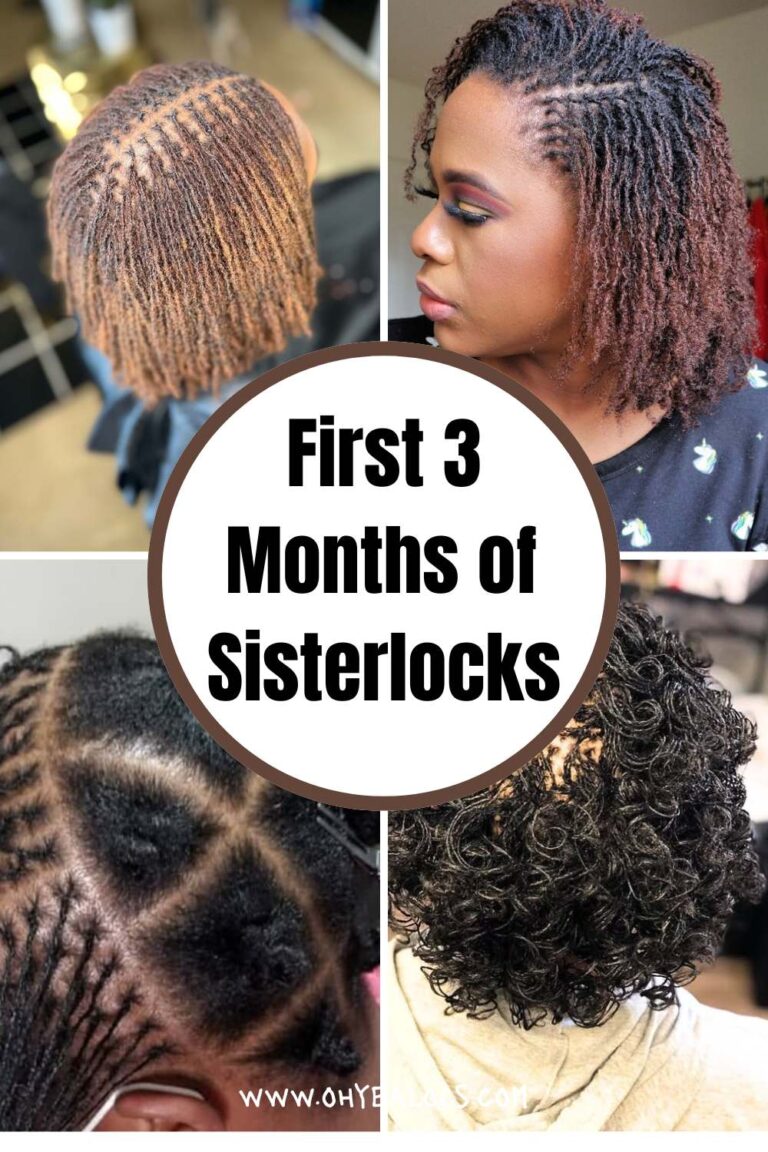
Worth reading: What you should expect in the first 3 months of your Loc Journey
How to Care for Your Starter Locs
Think of your locs as plants that need nurturing and maintenance to grow well. The amount of work you put into caring your locs will determine the results you get.
Here are some ways to keep your locs clean and tidy:
• Washing
Wash every 2–4 weeks, depending on your scalp needs. Ensure to use residue-free shampoos only.
• Retwisting
Do not retwist too often; every 4–8 weeks is healthy. Over-retwisting thins out the roots.
• Moisturising
Use a light water-based spray. Avoid heavy creams as they cause buildup.
• Night Protection
Use a satin bonnet, scarf, or pillowcase. This helps to prevent frizz, lint, and breakage.
• Avoiding Buildup
Stay away from thick gels, waxes, and edge controls. They cause buildup that could be difficult to remove.
Save for your next read: How to care for your locs the right way: A complete guide for healthy long lasting locs
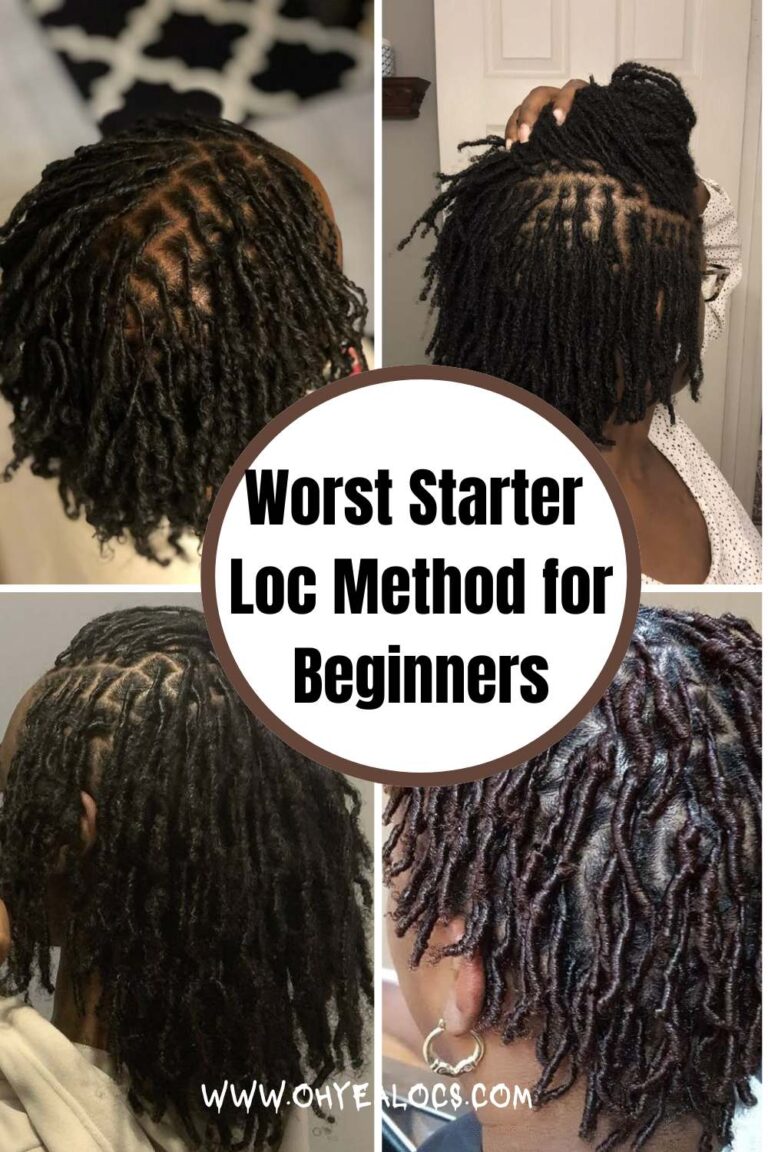
8. Common Mistakes To Avoid When Starting Your Locs
If you desire to see your starter locs thrive, avoid these common mistakes:
- Over-washing or under-washing
- Using thick or greasy products
- Retwisting too tightly
- Switching methods early
- Constantly playing with the roots
- Letting lint accumulate
- Doing your starter locs with non-professionals
- Ignoring scalp health early
These mistakes slow down maturity and can damage your hair. It’s better to save yourself the stress of having to restart your locs because you didn’t get your desired results.
Here are 10 things you should NEVER do to your starter Locs.
Should You Use Loc Extensions?
There’s often confusion between loc extensions and faux locs. Here’s what you need to know:
Loc extensions are made from 100% human hair and permanently attached to your natural hair. They blend seamlessly and mature like real locs.
Faux locs on the other hand are temporary protective styles made with synthetic or human hair, but they are not permanent locs.
Why do some people choose loc extensions?
Loc extensions are preferred for different reasons. It could be to skip the budding stage, help start with the length they prefer, or even add fullness to thin hair.
Thinking of using loc extensions? Discuss with a professional to know if they’re right for you. They still require maintenance just like natural locs.
Set Realistic Expectations For Your Loc Journey
One thing a lot of people often fail to understand when starting their loc journey is that locs don’t mature overnight. Depending on your method and hair type, full maturity can take 6–24 months.
That’s when you will start noticing that your locs are changing shape, size, and texture before they begin to shrink, swell, and settle into mature locs that you would likely be obsessed with.
Yours might take 6 months or even the whole 24 months, and that’s okay. Everyone’s loc journey is different so embrace yours and don’t compare.
Here’s a simple timeline:
- 0–3 months: budding, frizz, shrinkage
- 4–8 months: thickening, swelling
- 9–18 months: forming uniform shapes
- 18–24 months: full maturity depending on hair type
Wrapping Up
Having read this far, I know you can’t wait to kickstart your loc journey. Before you jump right out to start prepping your hair or enquiring about professional locticians close to you, I want to remind you again that your loc journey is personal. Even though it may be bittersweet, trust me, you will find it deeply rewarding.
With the right preparation, realistic expectations, and proper care, your locs will thrive and tell a story you’d be proud to share and a look you’d be proud to wear for years to come.
I’m rooting for you.
If you found this guide helpful, share it with someone starting their loc journey.