How to Prepare Your Hair Before Locking: The Ultimate Guide

There’s something deeply empowering about deciding to start locs. For some, it’s cultural pride. For others, it’s spiritual expression, self-discovery, or just a desire for a simpler routine. Whatever your reason is, one truth remains: locs thrive on a solid foundation. Preparing your hair properly sets the tone for those healthy, flourishing locs you desire.
But here’s the catch: many new loc wearers jump straight into locking their hair without preparation, only to face challenges like breakage, frizz, scalp irritation, or weak locs. However, the good news is that with proper preparation, you can avoid these problems and set your hair up for long-lasting, beautiful locs. Find out everything you need to know before getting Locs.
This comprehensive guide will walk you through everything you need to do before locking your hair, from understanding your hair type to building a pre-loc hair care routine.
Must read: How to start your Loc Journey the right way.
How to prepare hair before locking
1. Understand the Loc Journey Ahead: What to Expect
Before booking your appointment with a loctician, it’s important to mentally prepare for the journey ahead. Contrary to popular opinion, locs are not a maintenance-free hairstyle. It’s common to hear people say they want to lock their hair so they can “rest” from their hair care routine. How misinformed can they be!
Locs are not an escape route from hair care; they also require maintenance like every other hairstyle. Besides, growing locs requires time and patience to see them thrive. Depending on your hair type and locking method, locs can take months or even years to reach full maturity. That’s why it’s important to mentally prepare yourself to handle all the challenges that come with each stage.
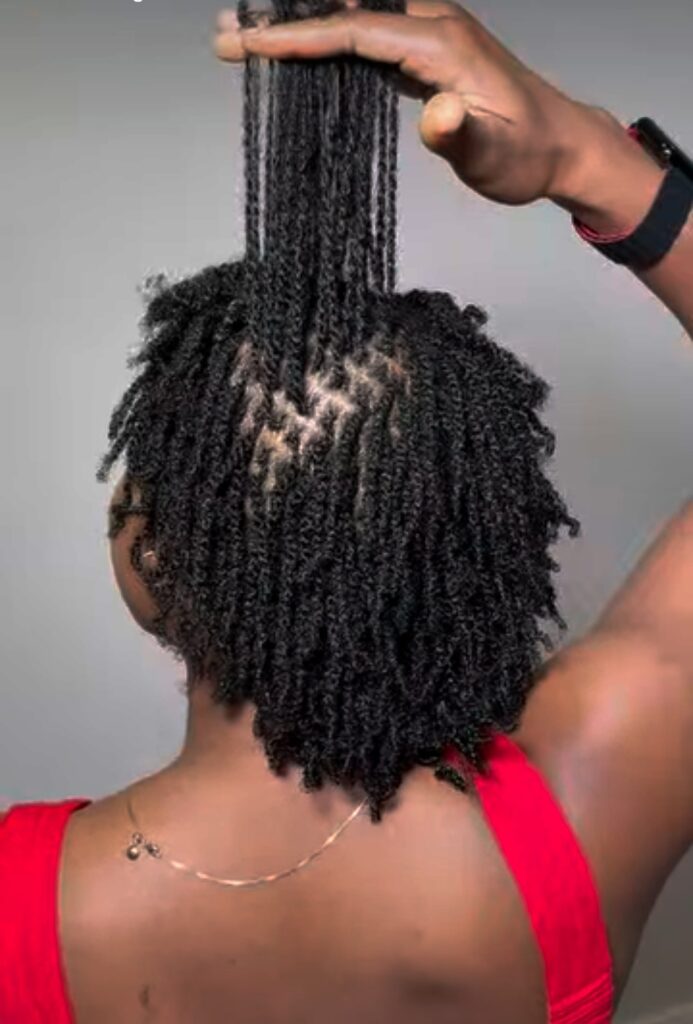
Here’s a brief overview of the growth phases:
Starter locs: This is the initial phase immediately after your hair is locked. Your hair may look fluffy, frizzy, or uneven at this stage but that’s not the end.
Budding: At this stage, small “buds” begin to form along the strands, signalling the start of the loc’s growth. This is when the real journey begins.
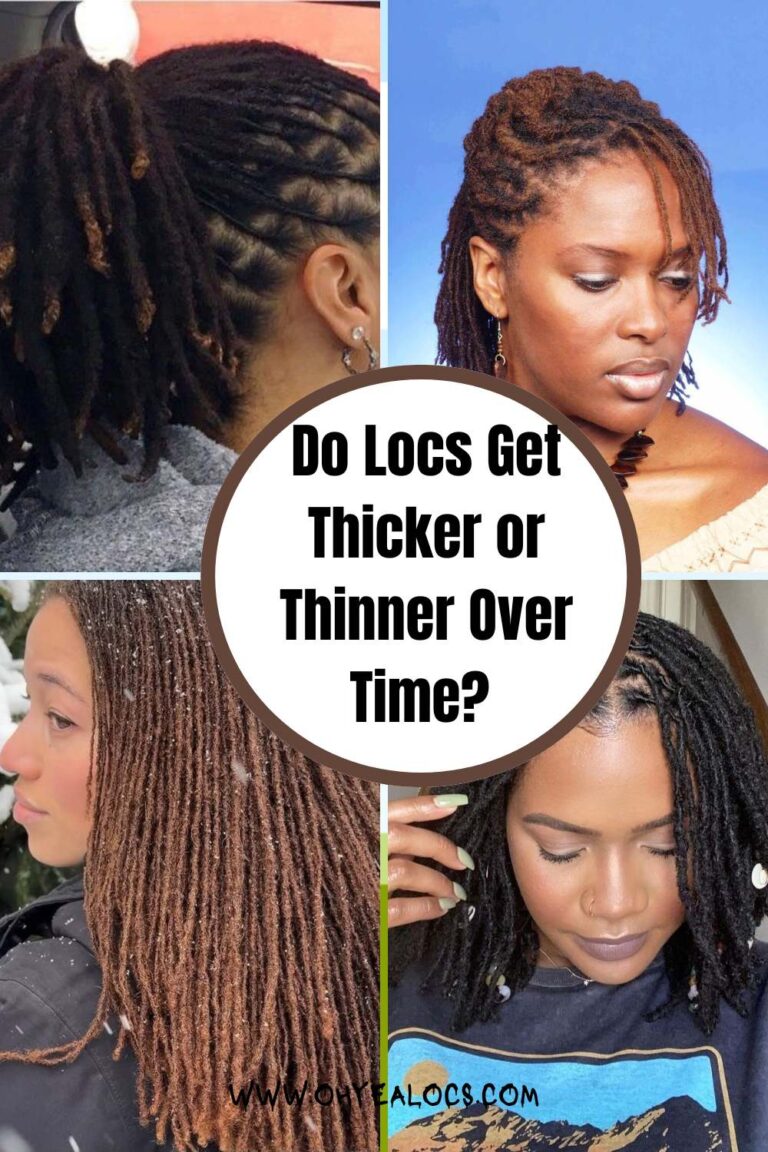
Teenage locs: At this stage, the locs begin to tighten, thicken, and mature, but frizz may still appear.
Mature locs: This is the fully developed stage where locs are smooth, uniform, and strong.
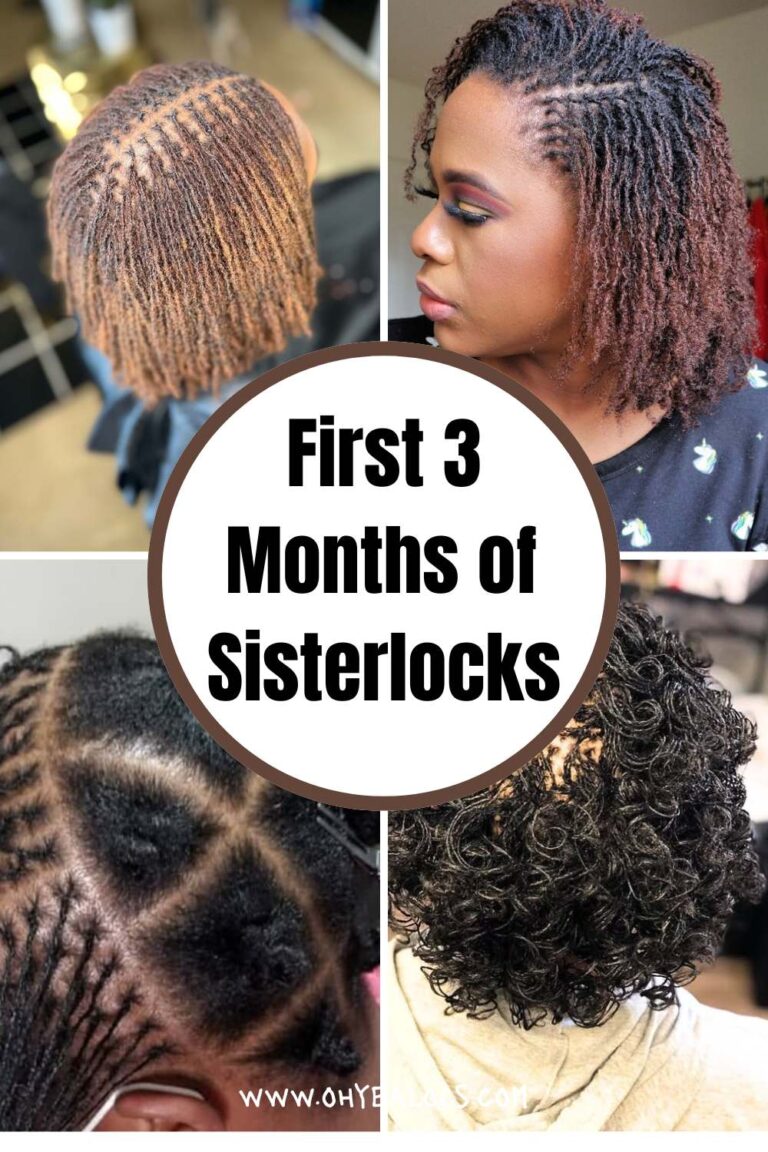
Pin this for Later: What to expect in the first 3 months of your Locs Journey.
Typical of the beginning of anything meaningful, early loc stages can be frustrating. You may notice shrinkage, frizz, or uneven sections but all of this is completely normal. Accepting the journey mentally ensures that you won’t be tempted to undo your progress due to impatience.
It’s not surprising to see a lot of starters give up at the initial stage of locs growth. Having been through it myself, I can say it takes some level of mental strength to keep going.
Tip: keep a hair journal or monthly photos. It helps track progress and motivates you during slow-growth phases.
Bookmark this for later read: 10 things I wish I knew before I started my Locs
2. Assess Your Hair and Scalp Health Before Locking
Before locking your hair, evaluate its current condition. Your hair’s health at the start heavily influences how your locs will develop.
Ask yourself:
- Is my hair dry, brittle, or prone to breakage?
- Do I have split ends or uneven strands?
- Is my scalp healthy, or am I dealing with dandruff, itchiness, or irritation?
Related help: Common Locs problems and how to fix them.
If your hair or scalp has issues, address them before locking. For example, if your scalp is dry or flaky, locs can trap the flakes and cause discomfort. If your ends are damaged, locs will lock in that damage, making them harder to maintain.
There’s nothing as frustrating as getting your locs done on damaged hair. Growing locs is challenging normally but growing them with damaged hair? That’s twice as challenging.
Here are some practical tips to help:
- Apply a gentle scalp treatment to address dryness or irritation.
- Deep condition dry or brittle hair to restore moisture.
- Trim split ends to give your locs a neat start.
It’s no rocket science: healthy hair and scalp set the stage for strong, resilient locs that last.
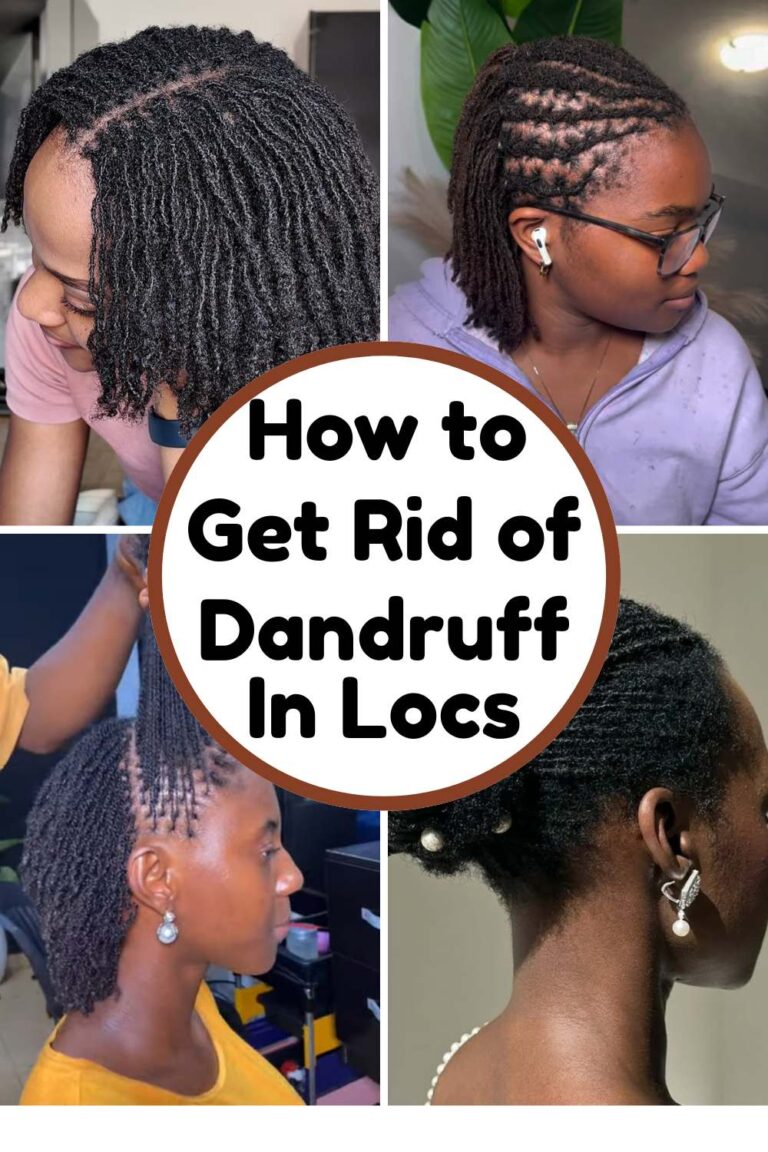
You’ll want to save this: How to get rid of dandruff in your Locs.
3. Deep Cleanse and Detox Your Hair
Aside from treating hair issues, you need clean hair to start your loc journey. The reason isn’t far-fetched: clean hair forms locs more easily and looks healthier as it locks. You don’t want to see debris locked into your hair. Worse still, debris tends to be difficult to remove once your hair is locked.

Find out: How to get rid of Lint in your Locs.
To thoroughly cleanse your hair before locking, start with a clarifying shampoo to remove oils, dirt, and product buildup. Avoid heavy conditioners before locking, so they don’t leave residue that hinders loc formation.
Steps to deep cleanse:
- Wet your hair thoroughly.
- Apply a sulphate-free clarifying shampoo and massage it into the scalp.
- Rinse thoroughly, making sure no residue is left behind.
- Optional: Follow with an apple cider vinegar rinse to balance the scalp pH and remove excess buildup.
Detangling tip: Before sectioning for locs, gently detangle your hair. Use a wide-tooth comb or fingers to reduce breakage. Detangling ensures your sections are smooth and easier to work with.
4. Trim and Refresh Split Ends
One thing about locs is that they lock in your hair’s current condition. If your hair has split ends or is damaged, locs will form around them. Trimming before locking ensures your strands are healthy, reducing frizz and breakage during the early stages. Besides, if you desire an even loc length, trimming your hair before locking ensures that.
Find out Common mistakes you should avoid when locking your hair.
Tips for trimming:
- Use sharp hair scissors for clean cuts.
- Trim in sections, starting from the ends and working upwards.
- Consider shaping your hair to match your desired loc style or parting pattern.
Even a small trim can make a significant difference in the long-term health and appearance of your locs.
5. Avoid Heavy Products That Can Affect Locking
Heavy butters, creams, and oils may feel nourishing, but they can cause product buildup inside locs. Buildup on the other hand can:
- Slow down the locking process
- Lead to scalp odor
- Cause your locs to feel heavy or sticky
Instead, switch to lightweight oils like:Jojoba oil, argan oil and grapeseed oil.
Lightweight oils help keep your hair moisturised without interfering with locking. Just a light oiling routine a few days before locking is enough.
Here are 23 things you should never do to your Locs
6. Treat Scalp Issues
A healthy scalp is the foundation for healthy locs. Think of your scalp as a vegetative land. To grow healthy plants, the land ought to be in a healthy state too. In the same vein, if your scalp is dry, itchy, or flaky, it can affect the quality of locs you would have. That’s why it’s imperative to resolve any scalp issues before starting your lock journey.
Here are some tips for scalp care:
- Use coconut oil or castor oil to soothe dryness
- Apply medicated treatments for dandruff
- Use aloe vera or light hydrating sprays for irritation
It’s important to treat scalp issues first because once locs are formed, accessing the scalp can be difficult. Starting your locs with a healthy scalp saves frustration later.
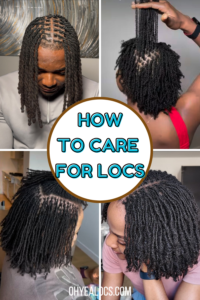
Save this for later read: How to care for your locs the right way.
7. Establish a Light Moisture Routine
Hydration is key, but over-moisturising can hinder the locking process. In the week leading up to your locs, do these:
- Apply lightweight oils sparingly
- Avoid heavy creams or butters
- Keep the scalp nourished but not saturated
Your hair should feel soft and hydrated, but not slippery. Proper moisture ensures your hair locks naturally and maintains strength.
8. Plan Your Hair Care Kit
What’s pre-loc prepping without a complete hair care kit? Having the right tools ready sets you up for a smoother loc journey. Your pre-loc kit should include:
- Satin bonnet or scarf to protect hair overnight
- Satin pillowcase for extra protection
- Wide-tooth comb or detangling brush
- Lightweight oils
- Spray bottle for diluted oils or aloe
- Sharp scissors for trims
A well-prepared kit is not just for fancy; it helps prevent early-stage frustration and keeps your hair healthy.
9. Decide on Your Locking Style and Method
There are multiple ways to start locs. You just have to choose the one that best suits your hair type and lifestyle. Here are some lock styles you can choose from:
Two-strand twists: They are popular among beginners; they are easy to maintain.
Comb coils: These are ideal for tightly coiled hair; they produce neat locs.
Instant locs: They provide immediate loc appearance; they may require professional help.
Interlocking: These minimize unraveling; they require low maintenance for the first few months.
Freeform locs: These require minimal manipulation; they give a natural look.
Different locs require different preparation. For example, two-strand twists need detangled hair, while freeform requires minimal sectioning.
Also, when choosing how to start your locs, ensure to go for a method that fits your lifestyle and hair type. If you don’t know how to go about this, consulting a loctician will help.
Keep this handy: Micro locs vs traditional locs: which is right for you?
10. Consider Hair Stretching or Protective Styles
Some people prefer to stretch their hair before locking to reduce shrinkage and tangling. Here are some methods to help stretch your hair:
- Braiding or twisting
- Gentle blow-drying
- Banding techniques
Stretching is optional but can make the early stages easier. Protective styling before locking can also prevent tangles and breakage.
Must read: 10 things you should NEVER do to your starter locs.
11. Adjust Your Lifestyle for Healthy Hair Growth
Preparing your hair before starting your lock journey isn’t just about what you do to your hair, it also has a lot to do with how you care for your body. Good products are helpful but they can’t replace your overall self-care. Here are some aspects to focus on:
Good Sleep: Hair repairs itself overnight; aim for consistent sleep patterns.
Diet: Take enough protein, vitamins, minerals, and hydration to support growth.
Daily habits: Avoid excessive heat, tight styles, or harsh manipulation. They reduce the quality of your hair.
As simple as these lifestyle adjustments may appear, they can improve loc health and speed up growth.
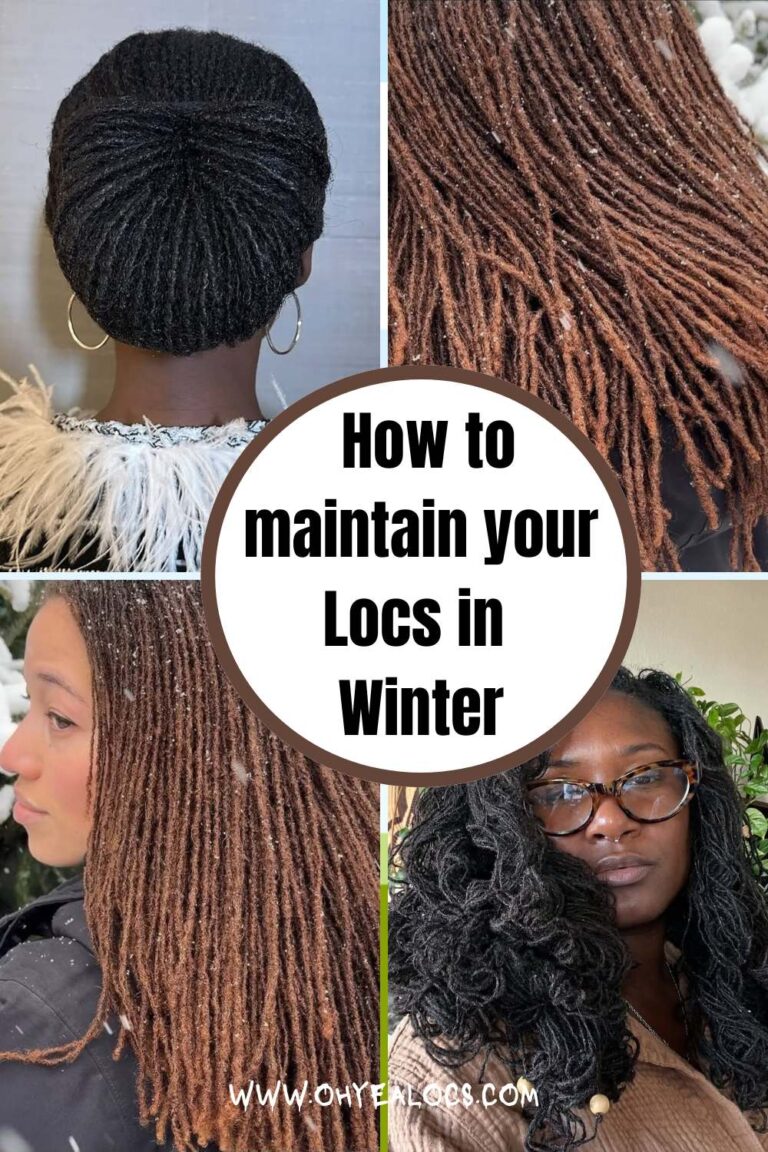
Come back to this: 15 ways to maintain your Locs in Winter.
12. Set Realistic Expectations
I can’t stress this enough: growing mature locs takes time. Frizz, shrinkage, and uneven sections are normal. Besides, everyone’s loc journey can’t be the same; avoid unhealthy comparison. Setting realistic expectations will help you approach your loc journey with patience.
Here are some tips to help:
- Track growth with photos
- Accept imperfections in early stages
- Celebrate milestones along the way
Even though locs are a commitment, they are also a beautiful form of self-expression. So enjoy the ride!
13. Build a Support System

Locs are not your regular kind of hairstyle; they require commitment. That’s why you’ll need a whole lot of support, guidance and encouragement to keep you going. You need:
- Mentors or friends with loc experience
- Professional stylists who are familiar with locs
- Online communities and forums you can join
Not just for locs, good support systems are valuable in all spheres of life. For locs, support helps you learn tips, find solutions to problems, and stay motivated.
14. Additional Tips for Pre-Loc Hair Care
Here are some general tips to get you started well:
1. Avoid Chemical Treatments: If possible, pause chemical relaxers, dyes, or perms for a few weeks before locking. That’s vital because chemicals can weaken strands and affect the locking process.
2. Protect your hair from Environmental Damage: Sun exposure, harsh weather, or pollution can weaken hair. Keep your hair covered or moisturised.
3. Be Patient with Loc Parting: Don’t worry if your sections aren’t perfectly even. Locs mature over time, and minor imperfections will blend naturally.
4. Use Minimal Manipulation: Avoid excessive combing, brushing, or touching before locking, as this can cause breakage and uneven sections.
5. Understand Post-Locking Maintenance: Prepping your hair isn’t just about the day you lock. It also involves setting up a routine that will take you through regular washing, moisturising, and retwisting or maintenance.
Wrapping Up
As you can see, preparing your hair before locking is crucial for a successful loc journey. From cleansing, trimming, and moisturising to choosing the right method, addressing scalp issues, and adjusting lifestyle habits, every step plays a role in the health, strength, and appearance of your locs.
Always remember that locs are not just a hairstyle; they’re a journey of patience, self-love, and personal expression. With proper preparation, support, and realistic expectations, your locs will grow beautifully, naturally, and healthily for years to come.
Your journey may start today, but the results will last a lifetime. So embrace it fully, and enjoy every stage.