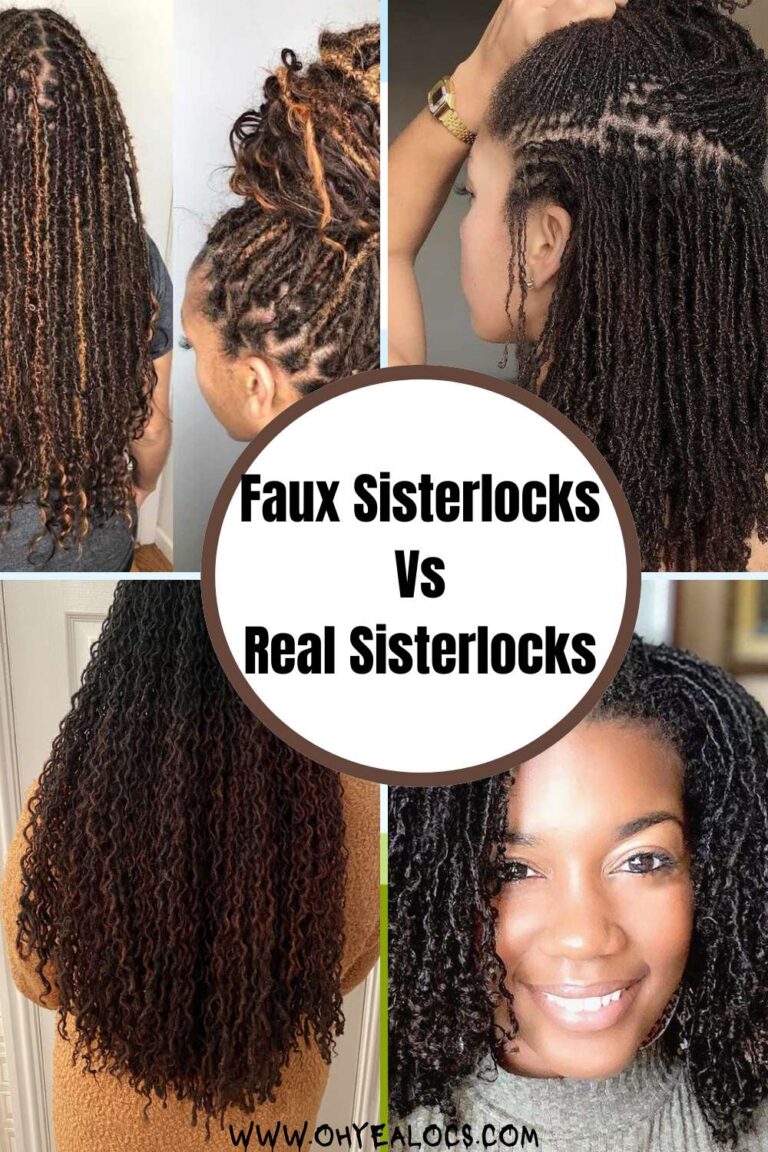
How to Maintain Your Locs Between Retightening
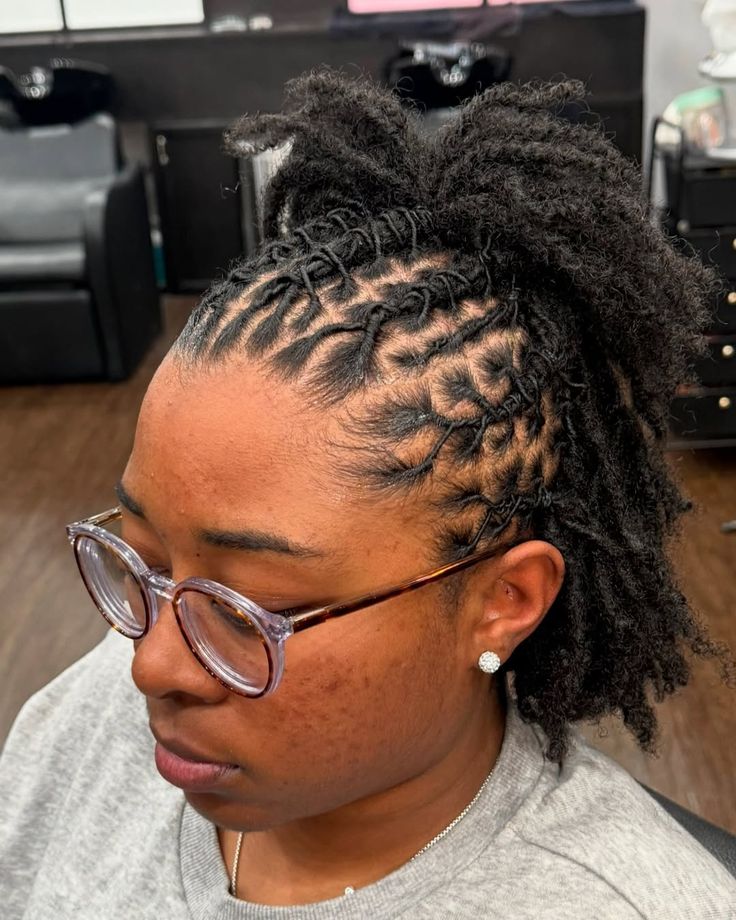
Maintaining locs isn’t always easy. You go for a retightening, leave the salon feeling amazing, and a few days later, new growth, frizz, and fuzz show up like uninvited guests.
If you wear locs – whether Sisterlocks, microlocs, or traditional locs – you already know that retightening is essential. But what happens between appointments is just as important.
Many people struggle with frizz, dryness, an itchy scalp, and messy new growth long before their next retightening date. Some even retighten too often, thinking that’s the only way to keep their locs neat-looking.
Read this guide: How to care for your locs the right way: A complete guide for healthy, long lasting locs
Unfortunately, over-retightening can cause more problems than having rough hair would.
The good news? With the right care routine, you can maintain your locs between tightening – keeping them healthy, moisturised, and tidy without stressing your hair or scalp.
In this guide, you’ll learn exactly how to care for your locs between retightening, including washing, moisturising, managing new growth, styling, and avoiding common mistakes that damage locs over time.
Why Proper Maintenance Between Retightening Matters

Retightening is meant to support healthy loc growth and not to replace daily or weekly hair care. When you neglect your locs between appointments or manipulate them too much, you risk long-term problems that no amount of styling can hide.
Here’s why proper maintenance between retightening is crucial:
1. It Prevents Thinning and Breakage
Constant twisting, pulling, or tightening weakens the root. Over time, this can cause locs to thin out or even fall off at the base. Giving your hair space to rest between each retightening protects your strands.
2. It Supports Healthy New Growth
New growth is the foundation of your locs. Keeping it clean, moisturised, and free from excessive tension allows your hair to mature evenly.
3. It Reduces Scalp Stress
Your scalp needs oxygen, circulation, and hydration. Tight styles and constant manipulation restrict blood flow, leading to soreness, flakes, and slow growth.
4. It Helps Locs Mature Naturally
Locs thrive when they’re allowed to do what they do best, which is to lock. Over-managing them can delay the locking process and create weak spots.
Maintaining your locs between retightening isn’t about doing more, rather, it’s about doing the right things consistently.
Also save this: How to maintain locs in long waits between retighteninig/retwist
Why Should You Keep Your Scalp Clean Without Disturbing Your Locs?

Clean hair grows better. Period.
A dirty scalp can lead to itchiness, dandruff, slow growth, and even cause unpleasant odour to be trapped inside the locs. Guess what? You don’t need to retighten too often to keep your scalp clean.
How Often Should You Wash Your Locs?
There is no one-size-fits-all schedule, but here are general guidelines for different lifestyles.
•Active lifestyle / frequent sweating: every 1–2 weeks
•Moderate activity: every 2–3 weeks
•Low activity / dry environment: every 3–4 weeks
Bonus Tip: Whenever your scalp feels itchy, flaky, or heavy with product, that’s the time to wash, regardless of how long it has been.
Come back to this: How to Care for Your Locs the Right Way: A Complete Guide for Healthy, Long-Lasting Locs
Best Shampoos for Locs Between Retightening
To keep your hair clean in between tightening, choose shampoos that clean thoroughly without leaving residue. Examples include:
•Clarifying shampoos (occasionally) – best for removing buildup and product residue.
•Moisturising shampoos: they help maintain hydration without heaviness.
Bonus Tip: Always go for residue-free formulas. Avoid creamy shampoos that sit inside locs.
Look for ingredients like:
•Tea tree oil (for itch and dandruff)
•Peppermint (for scalp stimulation)
•Aloe vera (for hydration)
Bonus Tip: Avoid heavy conditioners, waxes, and creamy co-wash products that leave buildup inside locs.
Since you are not to retighten too often, how do you prevent your locs from unravelling?
Washing Techniques to Prevent Unravelling
To keep your locs intact between retightening, do the following:
•Dilute your shampoo in a bottle before applying
•Focus on massaging your scalp, not scrubbing your locs.
•Rinse thoroughly – leftover product leads to dull, heavy locs.
•Gently squeeze water out; avoid rough towel rubbing
Bonus Tip: If your locs are still young, braid and band them before washing to prevent excessive unraveling.
How to Moisturise Without Causing Buildup
Even though dry locs tend to feel brittle, applying too much product to your locs is just as harmful. The key is to go for lightweight hydration.
Lightweight Moisturisers for Locs
I know this may sound like a cliche but the truth remains that the best moisturiser for locs is water. Everything else simply seals
its effect.
Here are some options you can try:
•Water-based sprays
•Aloe vera juice
•Rose water
•A small amount of vegetable glycerin (especially in dry climates)
How to apply them: Mist your locs lightly with any of them 2–4 times per week, depending on your hair’s needs.
Oils That Support Healthy New Growth
It’s important you know that oils do not moisturise. They only seal in moisture. Use them after applying water.
Here are great options:
•Jojoba oil: mimics scalp’s natural sebum
•Grapeseed oil: lightweight and non-greasy
•Tea tree oil: helps with dandruff and itch
•Peppermint oil: stimulates blood circulation
How to apply: Massage a few drops into your scalp 1–2 times per week. More is not better.
Signs You’re Over-Moisturising
You may be using too much product if you notice:
•Sticky or gummy locs
•Dull appearance
•Visible residue
•Lint sticking easily
When in doubt, simplify. Reduce the quantity you apply each time.
Clean, hydrated hair beats heavily “fed” hair every time.
How to Manage New Growth Without Retightening

Handling new growth is where most people struggle with maintaining their locs. As your hair grows, it naturally becomes fuzzy, puffy, and sometimes tangled, which can make your locs look messy or unkempt.
However, this doesn’t always mean you need an early retightening.
New growth can be managed with these simple techniques:
•Palm-Roll or Interlock
Roll your locs between your palms or interlock the roots lightly to control fuzz. This helps maintain the shape without stressing your scalp.
•Finger-Twist New Growth
Use your fingers to twist the new hair at the roots. This keeps the locs neat while allowing natural growth and prevents unnecessary tension.
•Light Moisturising Spritz
Spritz your roots with water or a water-based leave-in conditioner. This softens new growth, reduces flyaways, and makes styling easier.
•Regular Loc Separation
Gently separate your locs at the roots to prevent them from sticking together or forming mats.
•Protect at Night
Sleep with a silk or satin scarf, bonnet, or pillowcase. This reduces the friction that causes frizz and keeps your locs looking smooth.
Root Smoothing Techniques
If you want a neater look without tightening, these will help:
•Lightly smooth roots with aloe vera gel or a natural gel alternative
•Use your fingers to guide hairs back into the loc pattern
•Avoid heavy edge control or wa×
What Not to Do to New Growth
•Don’t constantly twist or re-twist
•Don’t brush your roots aggressively
•Don’t use tight rubber bands
•Don’t pull or force hair into place
Always remember that new growth is fragile. So treat it kindly.
Remember this: 23 things you should never do to your locs
How to Protect Your Locs Daily and at Night
Protection is one of the most overlooked parts of loc maintenance. You can’t treat your locs anyhow and expect them to be at their best potential.
Here are some protection tips:
•Satin, Silk, and Bonnet Protection
Cotton absorbs moisture and creates friction. Over time, it causes dryness, frizz, and breakage.
Instead, sleep with:
•A satin or silk bonnet
•Or a satin pillowcase if you dislike bonnets
Your locs will retain moisture and stay smoother for longer.
Protective Styling Between Retightening

As you wait in between tightening sessions, always choose low-tension styles that keep your hair off your face without pulling. Here are a few you can try:
•Loose buns
•Flat twists at the front only
•Simple updos
•Soft braids or plants
Avoid:
•Tight ponytails
•Constant high buns
•Styles that pull directly at the roots
This guide will help you: 15 ways to style your locs- No Accessories Needed
How to Prevent Lint and Fuzz
Lint is a loc’s worst enemy. To reduce lint, do these:
•Wear smooth fabrics (silk, satin, polyester blends)
•Avoid fluffy scarves and towels
•Cover your hair in dusty environments
•Keep product use minimal – sticky locs attract lint
This guide will help you: How to get rid of lints in your locs (without damaging them)
How to Keep Your Locs Neat Without Over-Manipulation

Neatness does not require daily styling. There are many ways to keep your locs tidy without constant manipulation. The less you manipulate the stronger your locs.
Here are some styling tips for a tidy look:
•Simple side parts
•Half-up styles
•Loose buns or knots
•Tucking frizzy roots into the style rather
than “fixing” them
Bonus Tip: Rotate styles weekly to avoid stress in one area.
Check this out: 15 ways to style your locs – no accessories needed
Tools That Help Without Damage
•Satin scrunchies
•Loc clips
•Wide-tooth accessories
Avoid:
•Tight elastic bands
•Metal clips that snag hair
•Fine-tooth combs on roots
How to Maintain Scalp Health Between Retightening
Your scalp is the soil from which your locs grow. If it’s unhealthy, your hair will reflect it.
How to Deal with Itch, Flakes, and Buildup
For itch:
•Tea tree oil diluted with a carrier oil
•Apple cider vinegar rinse (occasionally)
•Regular washing
For flakes:
•Avoid heavy creams and waxes
•Keep your scalp moisturised but clean
•Clarify when needed
If dandruff persists, consider a medicated shampoo.
Pin this: How to get rid of dandruff in your locs
Massage Techniques for Growth and Circulation
Scalp massage improves blood flow and encourages growth.
Here’s how to do it:
•Use fingertips, not nails
•Massage in circular motions for 3–5 minutes
•2–3 times per week is enough
•You can combine scalp massage with light oiling.
How Long Should You Wait Before Retightening?
Most locticians recommend:
•Every 6–8 weeks: for people who prefer very neat roots
•Every 8–12 weeks: for healthier long-term maintenance
Here are some factors that affect timing:
•Hair texture
•Activity level
•Style preference
•How fast your hair grows
Signs You May Need a Retightening
•Roots are severely matted
•Locs are merging at the base
•New growth is difficult to manage
•You notice tangling that can’t be gently separated
Bonus Tip: If your hair still feels healthy and manageable, it’s okay to wait longer.
Save this guide: Common locs problems and how to fix them
Common Mistakes That Damage Locs Between Retightening
Even well-meaning habits can harm your locs over time. Here are some mistakes to avoid:
1. Over-Twisting New Growth – This weakens the root and leads to thinning.
2. Using Heavy Creams and Waxes – They cause buildup, dullness, and lint attraction.
3. Tight Styling – Constant tension leads to soreness, breakage, and traction alopecia.
4. Skipping Cleansing – A dirty scalp blocks growth and causes itch and flakes.
5. Constant Touching and Re-Styling – Hands introduce lint and friction, increasing frizz.
Always remember that healthy locs thrive on consistency, not constant correction.
See this: Common mistakes you should avoid when locking your hair
Final Thoughts
Healthy locs don’t need constant tightening. Maintaining your locs between retightening isn’t about perfection, it’s about patience, protection, and proper care.
By keeping your scalp clean, moisturising lightly and consistently, managing new growth gently, protecting your hair daily, and avoiding the listed common mistakes – you allow your locs to grow stronger, fuller, and healthier over time.
Neat roots may look good for a moment, but strong roots last a lifetime. And that’s what you should aim for.
Frequently asked questions:
1. Is it normal for my locs to look messy before my next retightening?
Yes. Locs are a natural hairstyle, and some frizz, puffiness, and visible new growth are expected as your hair grows.
2. Can frequent workouts force early retightening?
No. Sweating does not damage your locs or undo your retightening. The real issue is leaving sweat, salt, and buildup on the scalp.
3. Do different loc sizes require different care between retightening?
Yes. Smaller locs like Sisterlocks and microlocs are more delicate and can thin easily if over-manipulated.
4. Can stress affect my loc growth or scalp health?
Yes. High stress levels can impact blood circulation, hormone balance, and overall hair health. This may show up as slow growth, dryness, shedding, or scalp irritation.
5. Does fast hair growth mean I should retighten more often?
Not at all. Fast-growing hair needs time to strengthen at the root. Retightening too often can weaken new growth and cause thinning.
6. Is it safe to colour my locs between retightening?
It can be, but timing and aftercare matter. Chemical colouring can dry and weaken locs if done too frequently or too close to a retightening session.
7. What should I do if one section feels sore or tender between sessions?
Soreness is a sign of tension or inflammation. Stop manipulating that area immediately and avoid tight styles. Keep the scalp clean, lightly moisturised, and allow it to rest.
8. Can I retighten only a few locs instead of my whole head?
Yes, but it should be done sparingly. Spot retightening can help manage problem areas, but doing it too often can create uneven tension across your scalp.
9. Does weather or climate affect how my locs behave between retightening?
Yes. Dry weather can cause brittleness and breakage, while humid weather can increase frizz and swelling.
10. Is constant styling necessary to keep locs neat?
No. Over-styling introduces friction, tension, and breakage. Simple, low-manipulation styles actually help locs stay stronger and look better over time.