How to Care for Your Locs the Right Way: A Complete Guide for Healthy, Long-Lasting Locs
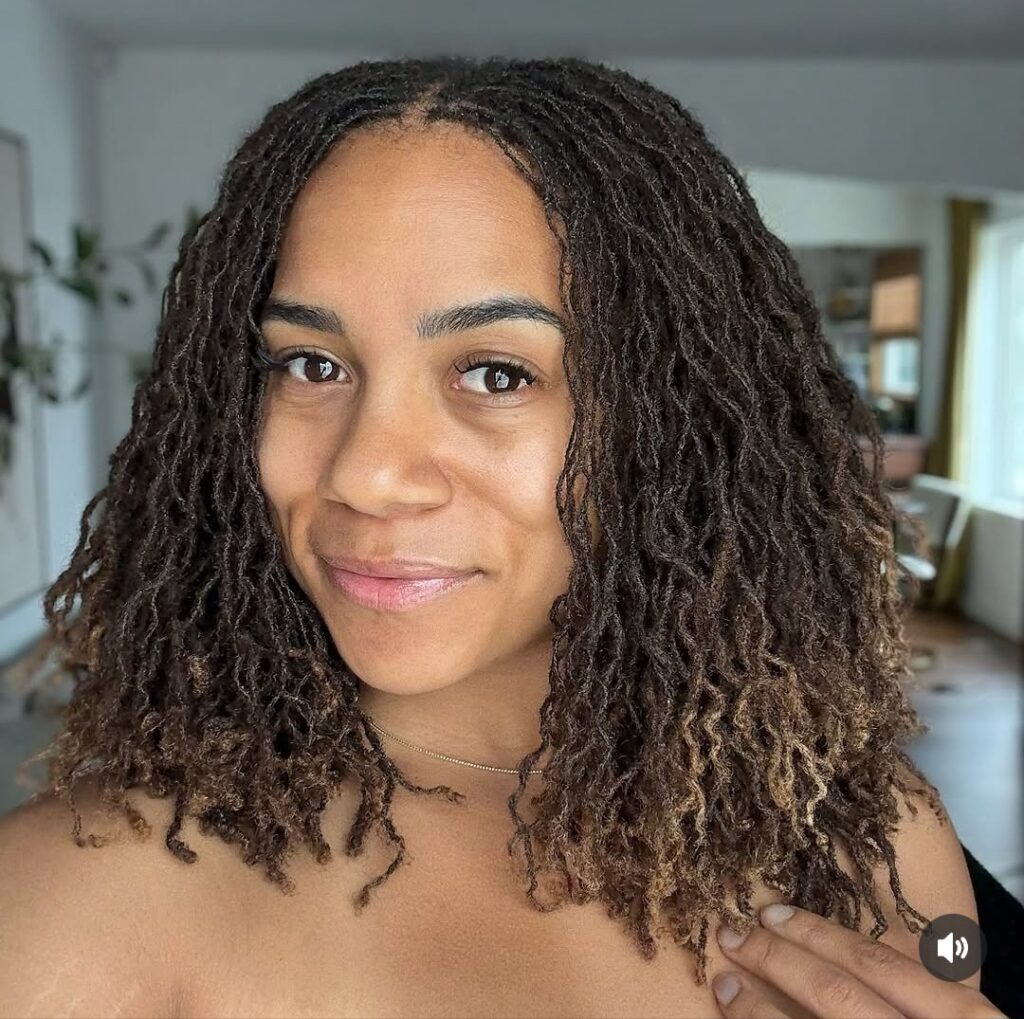
Locs are often described as a “low-maintenance” hairstyle, but anyone who wears them knows that locs require intentional and consistent care to remain healthy, neat, and strong.
Misconceptions like that often lead to poor habits, such as infrequent washing, heavy product use, or excessive retwisting which eventually result in thinning, odour, breakage, or excessive buildup.
Contrary to popular opinion, healthy locs are the result of clean roots, adequate moisture, minimal manipulation, and patience. The truth is that locs thrive when you focus on scalp health and simplicity rather than overloading your hair with products.
If you’re just starting your loc journey or you’ve been loc’d for years, understanding how to care for your locs the right way makes all the difference. In this comprehensive guide, you will learn everything you need to know – from scalp care to moisturizing, retwisting, and long-term maintenance.
How to Maintain a Clean and Healthy Scalp with Locs
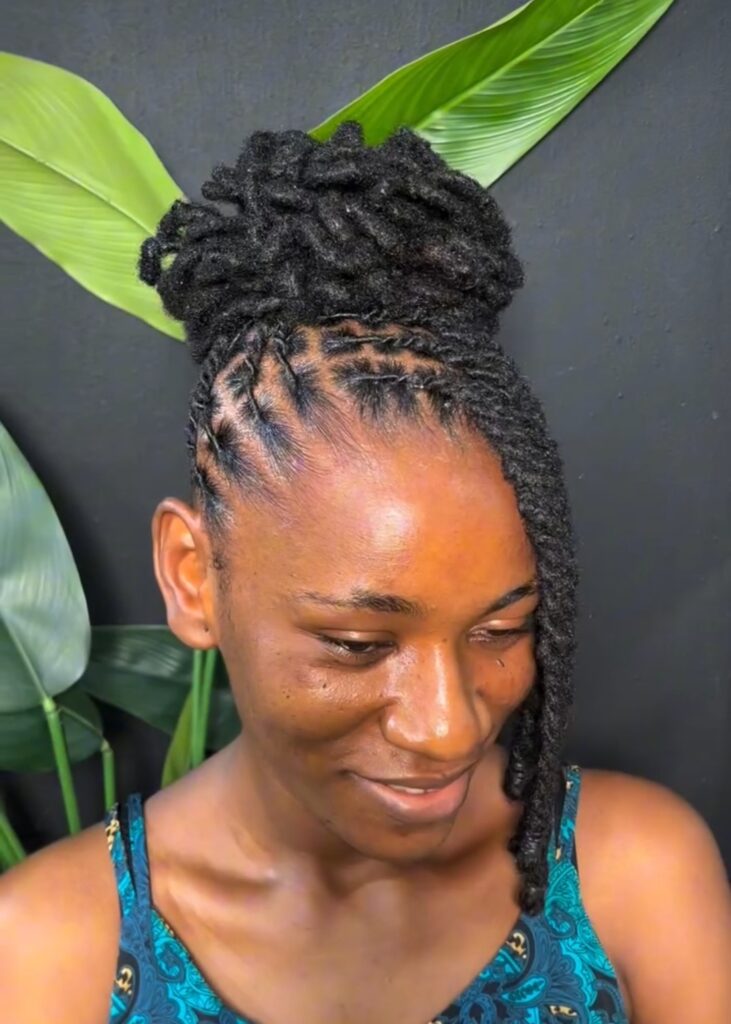
A healthy loc journey always begins at the scalp. Your scalp is where growth happens, and neglecting it can cause itching, dandruff, odour, and weak roots.
Why Scalp Health Matters
When dirt, sweat, and product residue build up on the scalp, they block hair follicles and interfere with healthy growth. Over time, this can lead to thinning locs and scalp irritation.
Washing your hair regularly ensures that your follicles are clean and strong enough for healthy hair growth.
This brings us to the next important question:
How Often Should You Wash Locs?

Here’s the catch: when we say “wash your locs regularly”, that could mean different things to different people. Someone could take that to mean washing their locs every week whereas, every 2–3 weeks of washing is what their locs require.
In a nutshell, the frequency of washing depends on your lifestyle. For active individuals, every 1–2 weeks of washing is fine. Less active or individuals with dry scalp can go with every 2–3 weeks of washing.
Although starter locs need a gentler approach to avoid unravelling, still, cleanliness is non-negotiable for any loc stage.
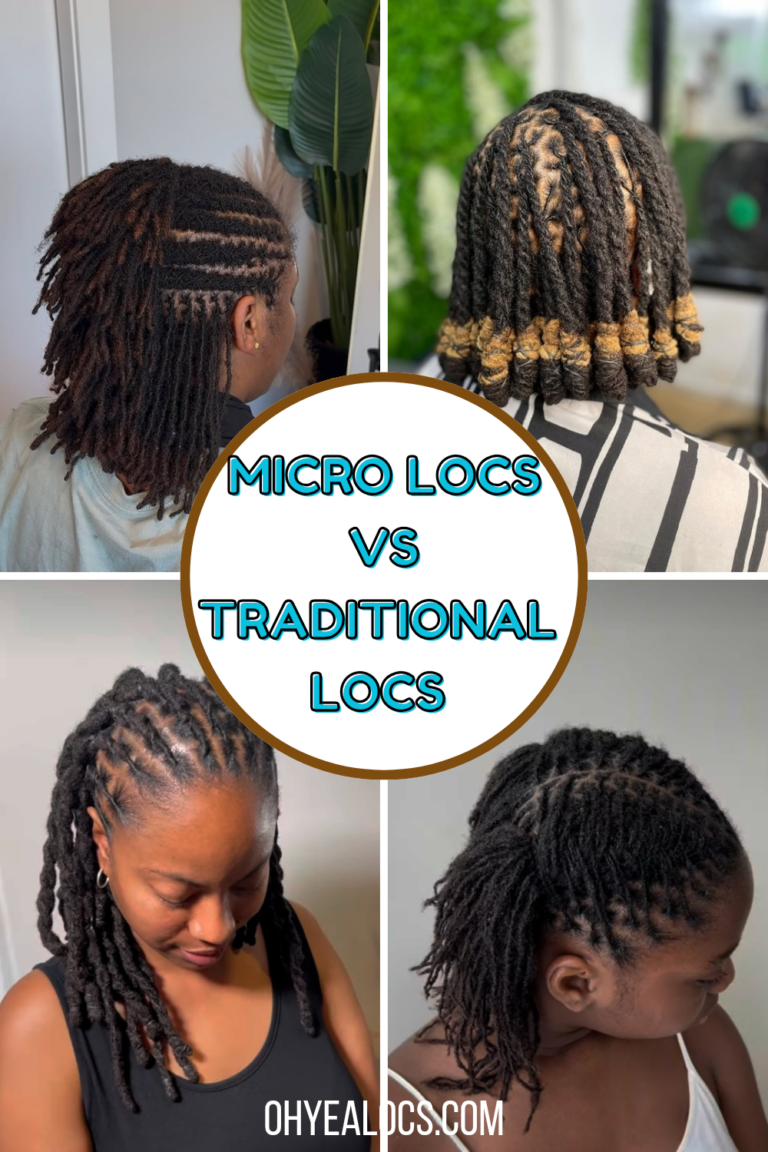
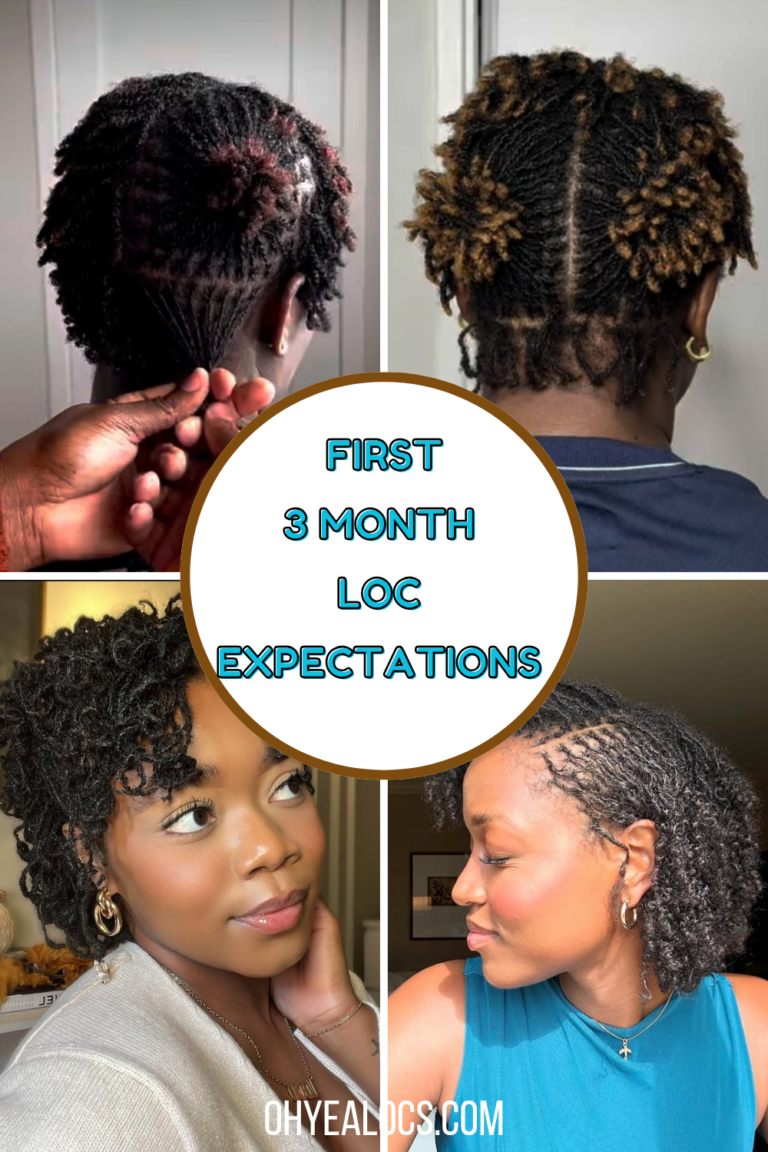
Bookmark this: What to expect in the first 3 months of your loc journey.
Best Shampoo Tips for Locs
– Use a residue-free shampoo
– Avoid shampoos with heavy conditioners
– Focus on cleansing the scalp, not aggressively scrubbing the locs
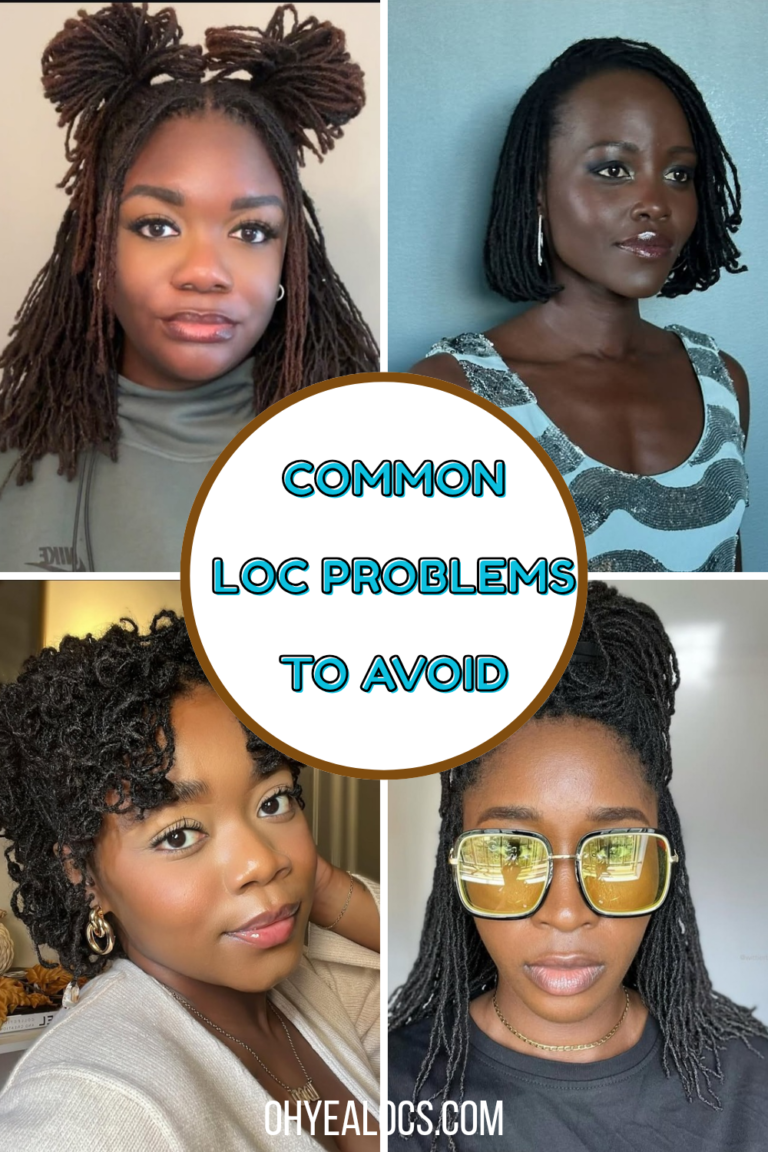
Needless to say that clean locs grow better, smell fresher, and maintain their structure more effectively. Save this for later read: Common Loc problems and how to fix them.
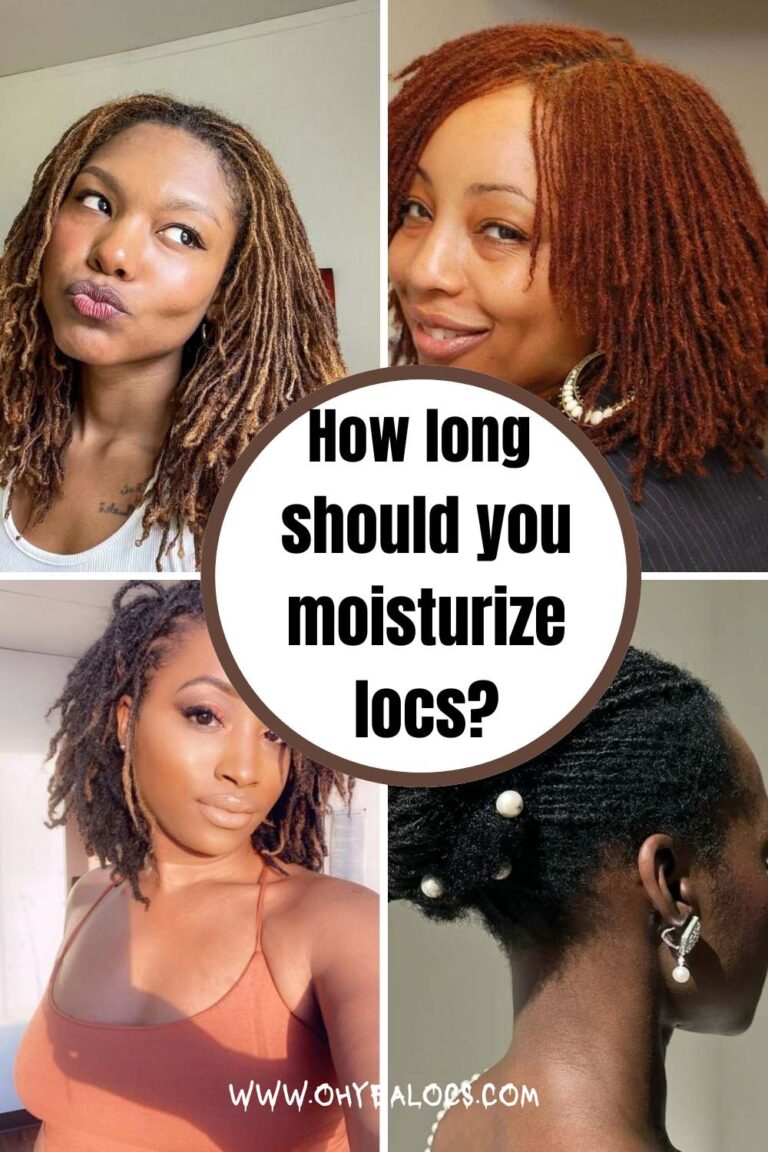
Best Ways to Moisturise Locs Without Causing Buildup
Moisture is essential for preventing dry, brittle locs, but improper moisturising is one of the most common causes of buildup.
When we talk of moisturising, a lot of people often think of products, forgetting that the most important component is water.
Here’s the thing: the word “moisture” relates to “water”, not oil. Although oils seal moisture in, they do not hydrate on their own.
Recommended reading: Everything you NEED to know before getting Locs.
How to Moisturise Locs Properly
– Lightly mist locs with water or a water-based spray
– Follow with a light oil such as jojoba, grapeseed, or sweet almond oil
– Focus on consistency rather than quantity
Here’s what to avoid:
– Thick creams and butters
– Petroleum-based products
– Wax and heavy gels
Overloading locs with heavy products leads to dullness, residue, and unpleasant smells over time.
Must read: 23 things you should NEVER do to your Locs.
How to Protect Locs While Sleeping
Nighttime care plays a major role in maintaining healthy locs. This is because friction from cotton fabrics can strip moisture and cause lint buildup.
Why Night Protection Is Important:
– Reduces dryness
– Prevents breakage
– Minimises lint and frizz
Here are some helpful nighttime practices:
– Sleep with a satin or silk bonnet
– Use a satin pillowcase if you don’t wear a bonnet
– Tie locs loosely to avoid tension
These simple habits preserve moisture and extend the neatness of your locs.
Now, let’s talk about another important aspect of loc care that most people do the wrong way – retwisting.
Find out 10 things I wish I knew before I started my Locs.
How Often Should You Retwist Your Locs?
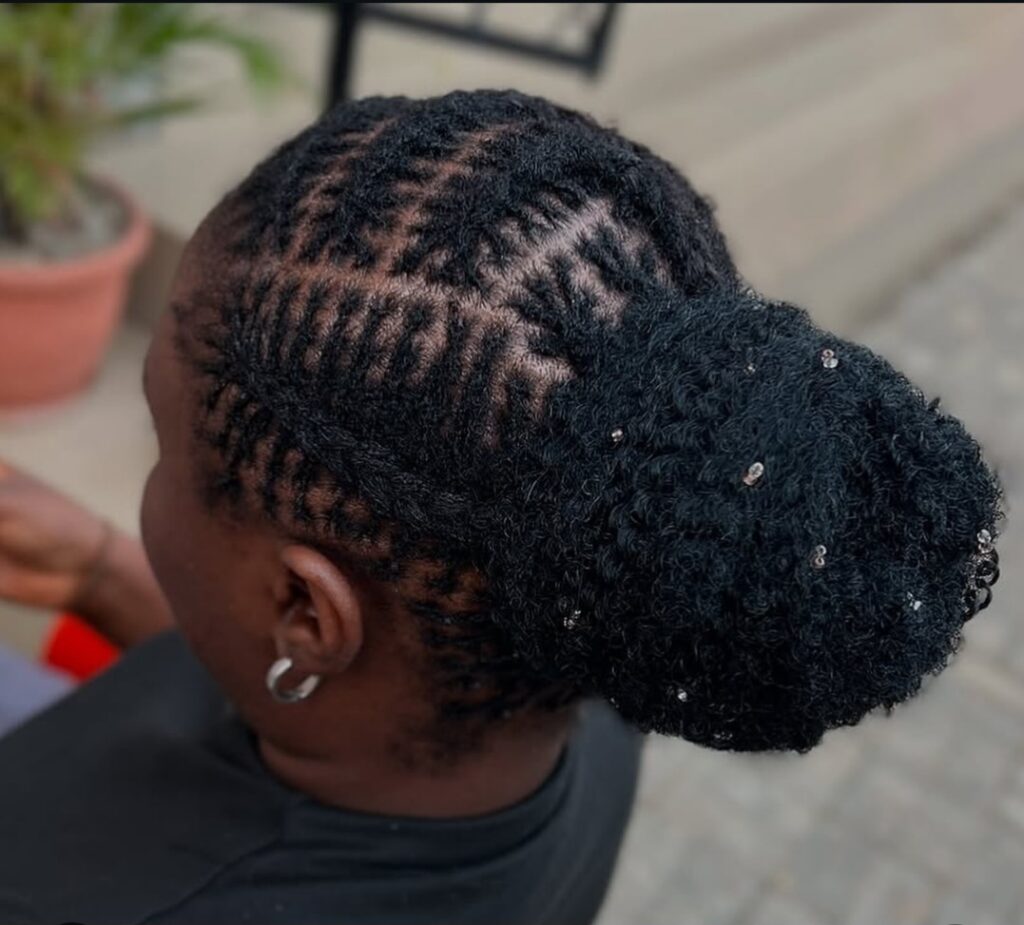
Even though retwisting helps maintain neat roots, excessive retwisting can weaken the hair shaft and cause thinning.
Recommended Retwist Frequency
Every 4–6 weeks is suitable for most loc wearers. However, people with finer hair textures can go longer than that.
Signs You’re Retwisting Too Often
- Sore scalp
- Thinning roots
- Receding hairline or weak edges
Here are 10 things you should NEVER do to your starter Locs.
Here are some healthy retwisting tips:
-Retwist on clean, damp hair
-Avoid tight styles after retwisting
-Use lightweight gels or natural alternatives like aloe vera
Note that your locs need time to rest between retwists to remain strong and healthy.
Now, let’s take a look at some helpful products and the ones that could cause havoc to your locs.
Please Read: Different Methods of starting Locs.
Loc Products to Use and Products to Avoid
By now, you should know that not every product labelled “loc-friendly” is truly beneficial. The way some food labels can be misleading, that’s how it is with loc products too. Choosing the wrong products can compromise your loc health over time.
Here are some products that work well for Locs:
- Residue-free shampoos
- Water-based sprays
- Light natural oils
- Aloe vera gel
Here are some products to avoid:
- Hair wax
- Thick creams
- Heavy butters
- Products that leave white residue
The saying “less is more” can’t be truer when it comes to locs. Clean, lightweight routines always outperform heavy product use.
Pin this for later read: Common mistakes you should avoid when locking your hair.
How to Prevent Lint and Product Buildup in Locs
Lint buildup is one of the most frustrating loc issues, especially because it’s difficult to remove once trapped.
Here are some common causes of lint:
– Cotton towels
– Fuzzy clothing and blankets
– Dusty environments
– Product residue
Here are some lint prevention tips:
– Use microfiber towels or old T-shirts to dry locs
– Wear darker headwraps and bonnets
– Cover locs in dusty areas
– Keep product use to a minimum
When it comes to dealing with lint issues, prevention is the most effective solution. As much as possible, try to stay away from anything, activities, or places that could expose your hair to lint.
Read this for reference: How to get rid of Lint in your Locs.
Understanding Different Loc Stages and Why It Matters
Every loc journey includes stages, and understanding them helps you care for them appropriately and avoid frustration.
The Four Main Loc Stages
1. Starter Stage: Locs are forming and may unravel easily.
2. Budding Stage: Locs begin to swell and lock.
3. Teenage Stage: Frizz, shrinkage, and unevenness appear.
4. Mature Stage: Locs are fully formed and stable here.
Each of these stages requires specific maintenance and care. For instance, at the starter stage, your locs require minimal washing so they don’t unravel.
Now, let’s talk about how to build a simple loc care routine you can rely on.
Here are what to expect in the first 3 months of your Loc journey.
How to Build a Simple and Effective Loc Care Routine
When it comes to caring for locs, consistency matters more than complexity. A simple and consistent routine produces the best long-term results.
Basic Weekly Routine
– Lightly moisturise locs
– Protect locs at night
– Avoid excessive manipulation
Monthly Routine
– Wash scalp and locs
– Retwist if necessary
– Assess moisture levels
Find out How to prepare your hair before Locking.
Bi-annual Loc Care
Bi-annual loc care is a deep loc maintenance routine done twice a year, usually every six months. Your focus here should be to improve overall loc health, scalp care, and long-term loc maintenance, rather than routine styling.
This level of loc maintenance typically includes deep cleansing or a loc detox to remove product buildup, lint, and environmental residue that can collect inside the locs over time.
Also, you assess your scalp for dryness, flakes, irritation, or thinning and repair weak, thinning, or damaged locs to prevent breakage and promote healthy loc growth.
Bi-annual loc care is ideal for people with mature locs, heavy product use, or ongoing buildup.
If you’re experiencing slow growth, dryness, or weakened locs, this type of professional loc care helps reset your locs and keeps them strong, clean, and healthy in the long run.
Please read: Everything you NEED to know about steaming your Locs.
Annual loc care
Annual loc care is a once-a-year deep loc maintenance service designed to support healthy locs and prevent long-term damage.
It involves thorough loc cleansing, light loc repair, and an overall assessment of your scalp health and loc condition.
This process helps uncover hidden issues such as internal buildup, dryness, or early weakening that you may miss during regular washes or retwists.
Annual loc care is best for individuals with low-maintenance loc routines, minimal product use, and consistently healthy locs.
It ensures your loc maintenance routine stays effective while supporting strong growth, clean locs, and a healthy scalp throughout the year.
Wrapping Up
Caring for your locs the right way isn’t about perfection or trends; it’s about intentional care, patience, and consistency. With clean scalp practices, light moisture, protective habits, and minimal product use, you create the foundation for strong, beautiful locs.
As you can see, your locs don’t need constant fixing; they need understanding, balance, and time.
When you care for your locs properly, they reward you with strength, length, and longevity.
Frequently Asked Questions About Loc Care
How often should I wash my locs?
You should wash your locs every 1–3 weeks, depending on your lifestyle, scalp condition, and activity level. Regular washing keeps the scalp clean, prevents odour, and supports healthy loc growth. Contrary to popular opinion, washing locs does not stop them from locking (when done correctly).
Can I moisturise my locs every day?
Yes, you can moisturise your locs daily or every few days, but only with light, water-based products. Over-moisturising with heavy creams or oils can cause buildup and attract lint. Light misting is usually sufficient.
What is the best oil for locs?
Lightweight oils work best for locs. Popular options include jojoba oil, grapeseed oil, sweet almond oil, and argan oil. These oils seal in moisture without clogging the hair or scalp.
Do locs really need retwisting?
Retwisting is optional but helpful for keeping the roots neat and organised. Most people retwist every 4–6 weeks. However, retwisting too often or too tightly can lead to thinning and breakage, especially around the edges.
Why do my locs feel dry even when I use oil?
Oil alone does not moisturise hair. Dry locs often mean there’s not enough water-based moisture. Always apply moisture first (water or a water-based spray), then seal it in with oil.
How can I stop my locs from smelling?
Unpleasant odour usually comes from product buildup or infrequent washing. Use residue-free shampoo, rinse thoroughly, and ensure locs dry completely after washing. Avoid heavy products that trap dirt and moisture.
Please read: How to get rid of Dandruff in your Locs.
Is lint in locs normal?
Lint is common but preventable. It usually comes from cotton fabrics, dusty environments, or product buildup. Sleeping with satin or silk coverings and keeping product use to a minimum helps reduce lint over time.
For context, read: How to get rid of Lint in your Locs.
Can I use conditioner on my locs?
Traditional creamy conditioners are not recommended for locs because they leave residue. If needed, opt for light, water-based conditioners or clarifying treatments designed for locs.
How long does it take for locs to mature?
Loc maturity varies based on hair texture, thickness, method of locking and maintenance routine. On average, locs take 12–24 months to fully mature. Frizz and unevenness during this time are completely normal.
Are locs suitable for all hair types?
Yes. Locs can form on all hair textures. However, care routines, locking methods, and timelines may differ depending on hair type and density.