Everything You Need to Know Before Starting Your Loc Journey
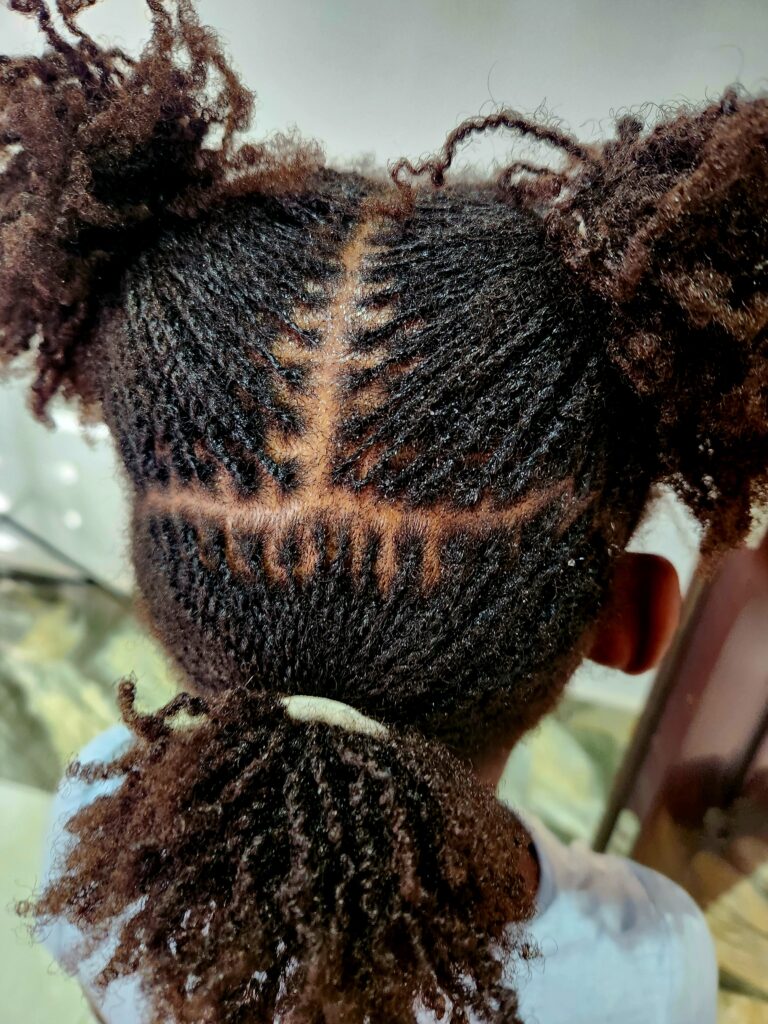
If you’ve been thinking about starting your loc journey, you’re not alone. Locs have become one of the most loved and celebrated natural hairstyles today. Everywhere you turn, you’re likely to see one or two people rocking their locs beautifully. Gone are the days when locs were associated with some set of people.
In today’s world, anyone can grow their locs without worrying about being judged or stereotyped by society. And honestly, it’s not surprising. Locs are beautiful, versatile, expressive, and for many people, they’re deeply personal – different people embark on their loc journey for different reasons.
But just like every meaningful journey, starting locs comes with questions, decisions, and a little bit of patience.
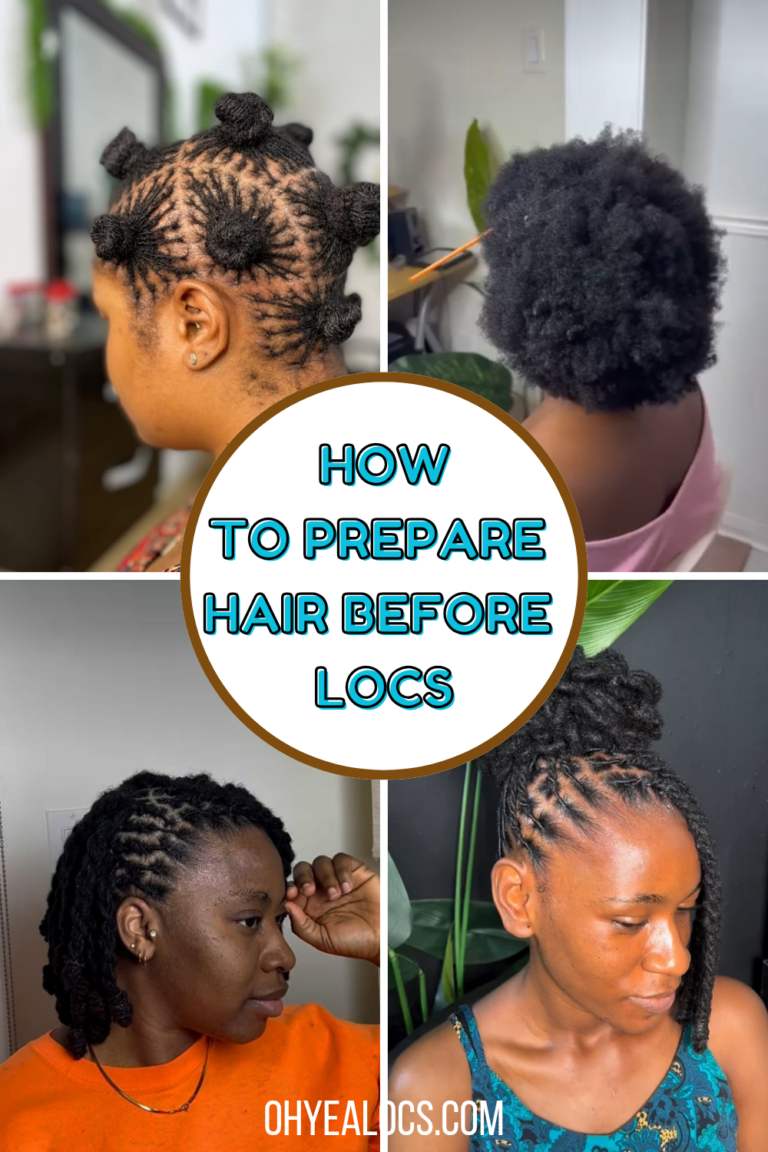
Read this: How to prepare your hair before locking
Whether you’re doing it for cultural, personal, or spiritual reasons, or simply because you want a gorgeous, low-maintenance hairstyle, this guide will help you understand everything you need to know before starting your Loc journey.
Don’t lose this guide: 10 things I wish I knew before I started my Locs
What Are Locs?
Locs, also called dreadlocks or simply “locks” are ropes or strands of hair that form when your natural hair mats, tangles, and knots over time. They can be intentionally cultivated with specific techniques, or they can form naturally on their own.
Contrary to popular opinion, locs are not “dirty hair.” I know you must have seen quite a number of people who carry dirty locs. (Same here). Honestly, I didn’t subscribe to the idea of keeping locs back then. The few people I knew who wore locs made it look unattractive. It’s either their locs appeared dusty or just too dry for my liking. Not until recently when I started noticing people who rock theirs beautifully.
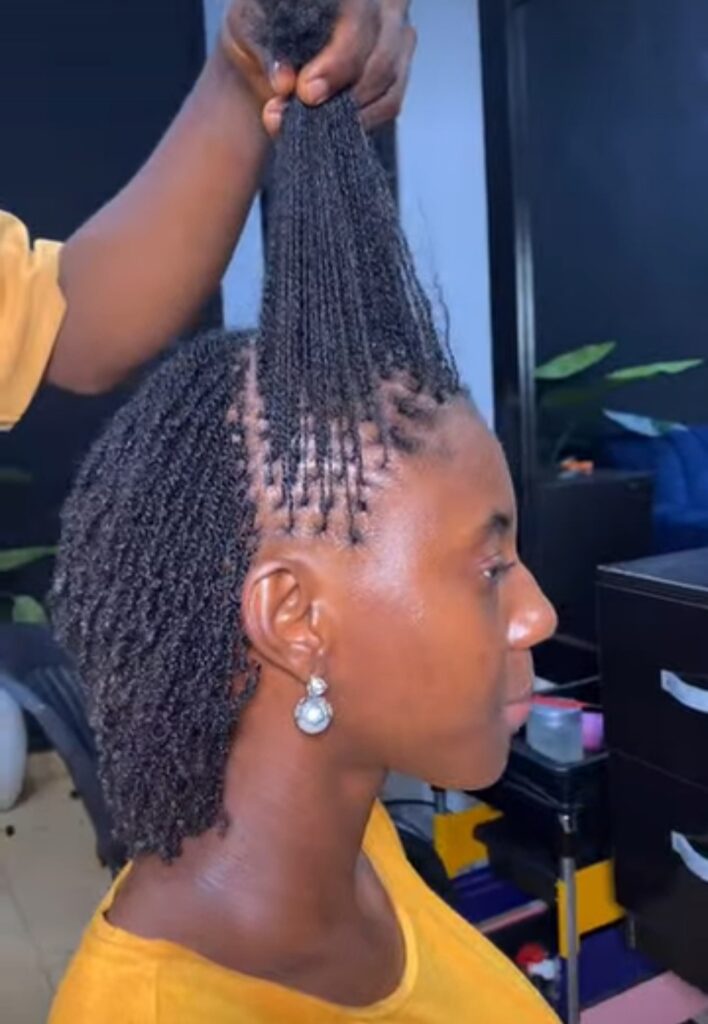
Over the years, I’ve come to realise that locs are at their best when they’re clean, structured, and carefully maintained. They are just a different way of wearing natural hair, with their own rules and of course, beauty.
More on this: How to care for your Locs the right way: A complete beginner’s guide
Historically, locs have been worn in various cultures such as Ethiopian, Jamaican, Indian, Egyptian, and more. Today, they’ve evolved into a powerful expression of identity, confidence, and natural beauty.
Now, let’s talk about different types of locs so you can get to know them better.
Types of Locs
Knowing the different kinds of locs will help you make the right choice that suits your lifestyle, hair type, budget, and the look you want.
Here are the most popular types:
Traditional Locs
These are the most common types of locs. They are usually medium and thick in size which makes them easier to maintain. Traditional locs are perfect for beginners.
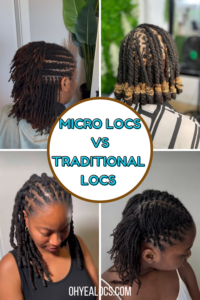
More on this: Micro locs vs Traditional locs: Which is right for you?
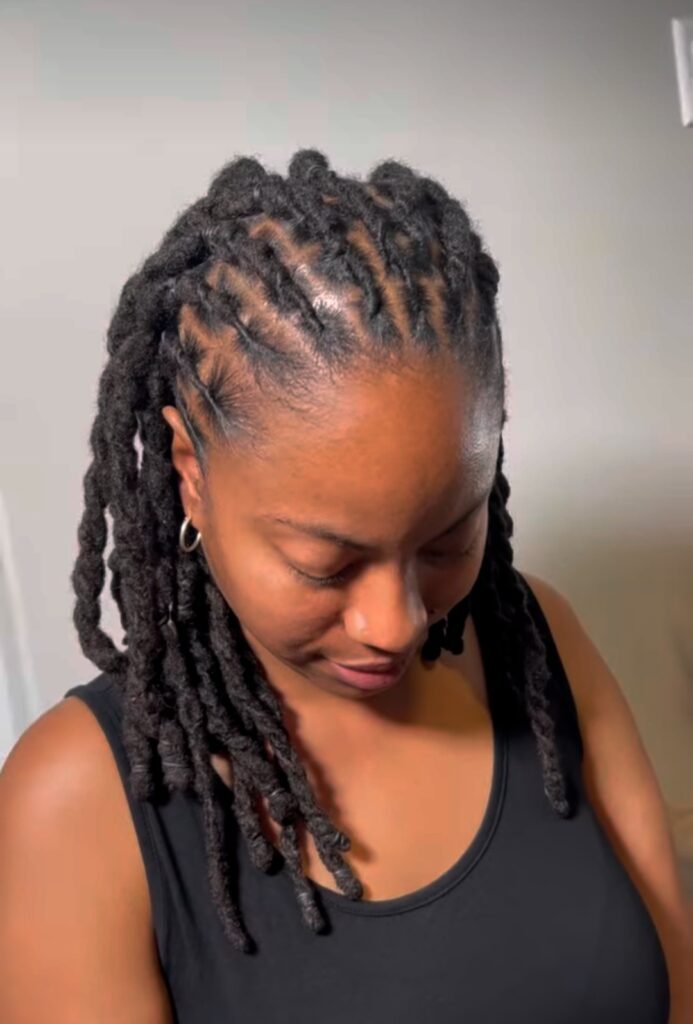
Micro Locs
These are a type of locs that are smaller in shape and size when compared to traditional locs. They give a fuller look and are more flexible for styling.

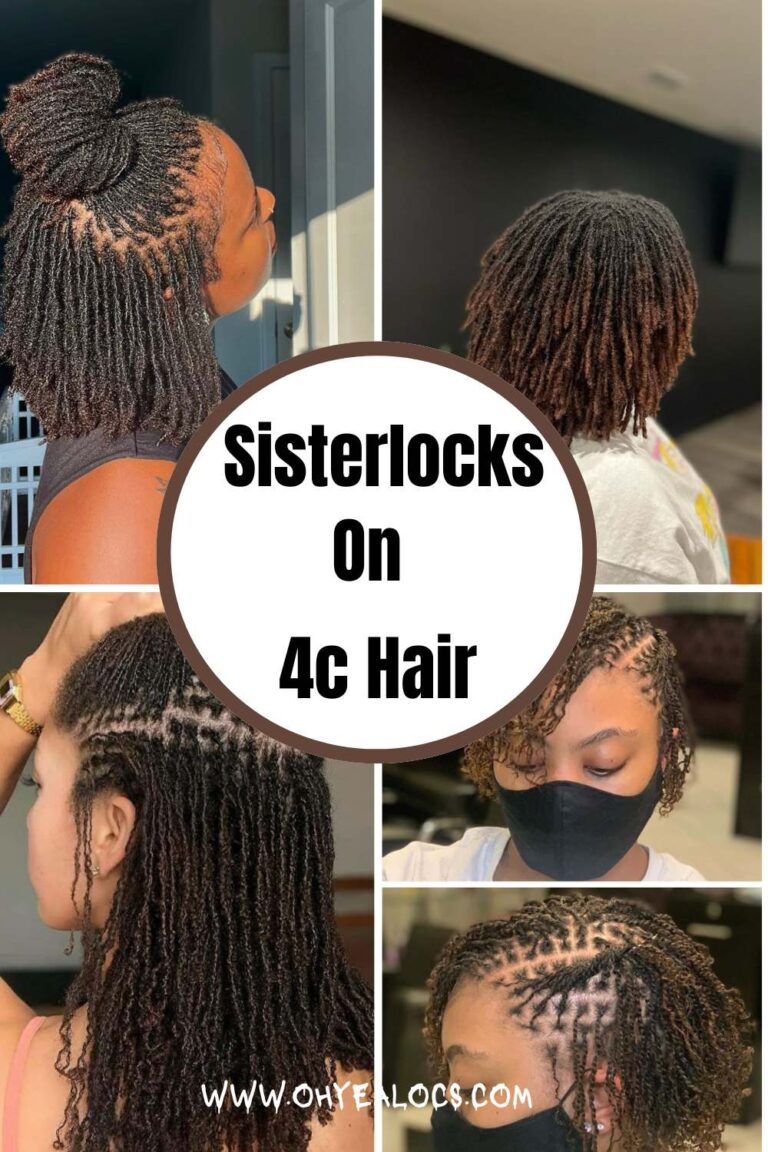
Sisterlocks
They are very tiny and neat locs created with a patented tool. They require a specialized loctician and are quite expensive to install and maintain. With Sisterlocs, you can be sure of maximum styling options.

Freeform Locs
These are locs that are formed naturally with little to no manipulation. Because they form naturally, they tend to be irregular and thick. Freeform locs require low maintenance. They also take a longer time to mature.
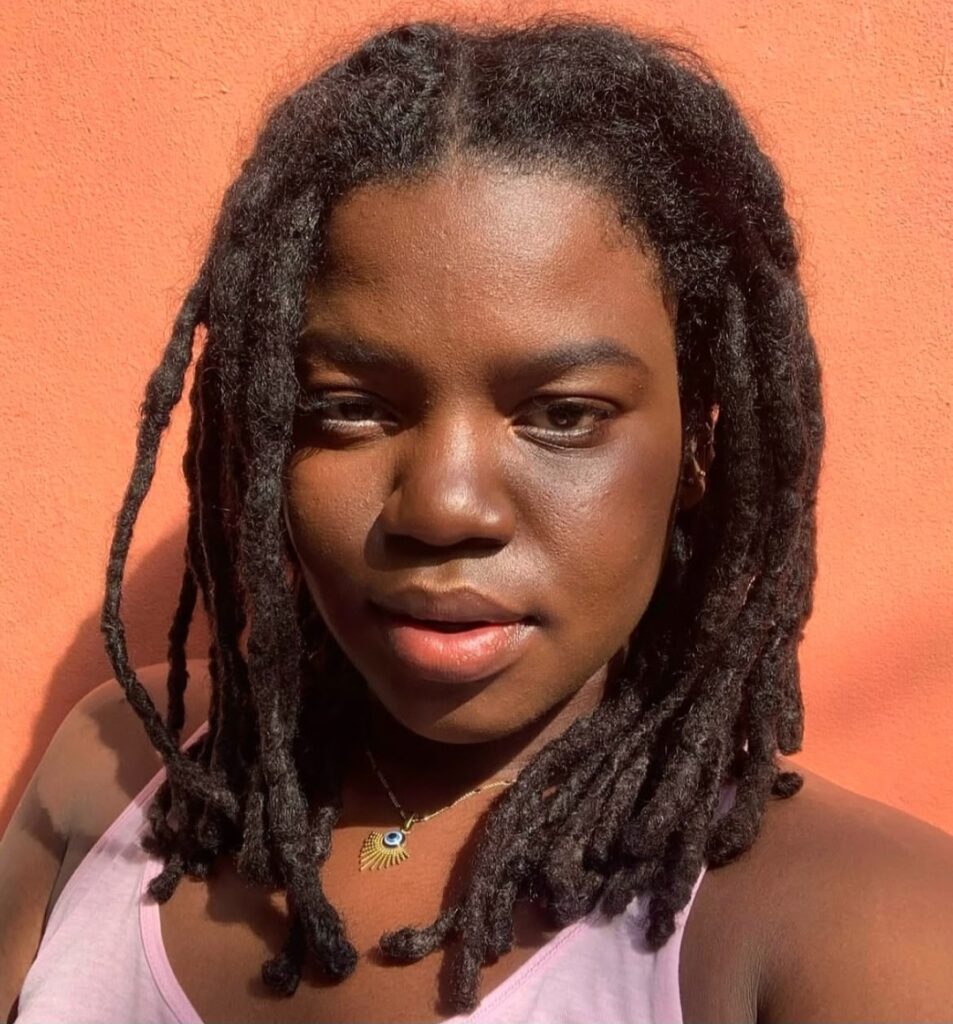
Semi-Freeform Locs
Semi-freeform locs are a middle ground between fully freeform locs and traditional locs. Think of them as “controlled freedom” whereby your hair locs naturally, but you step in occasionally to shape, separate, or maintain the roots so things don’t get too wild.
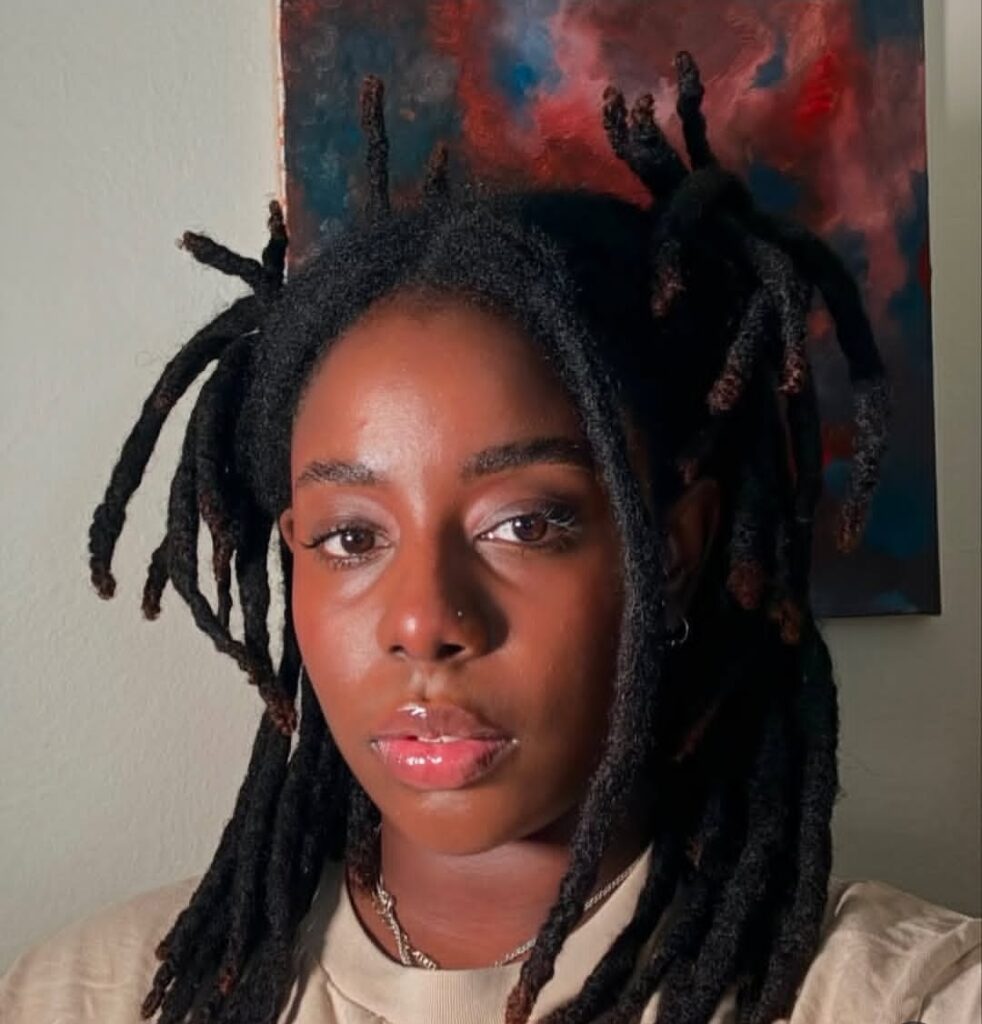
Related reading: Different methods of starting Locs
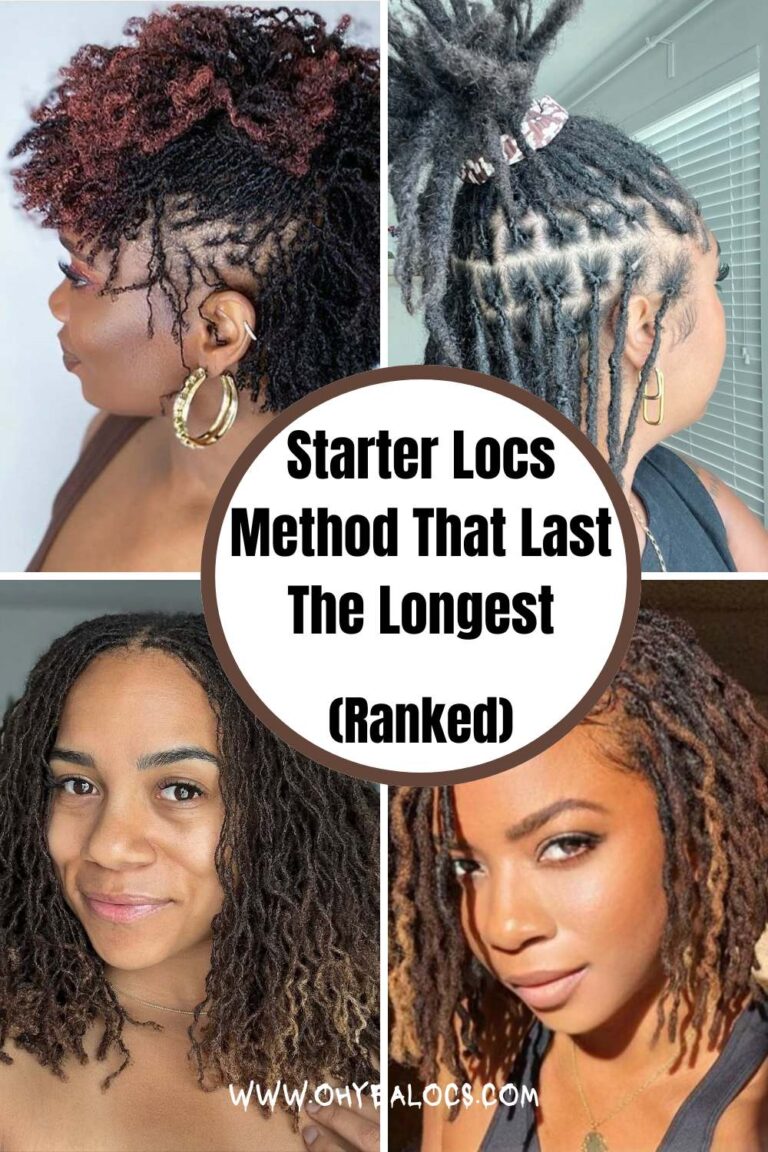
Methods of Starting Locs
There isn’t one right way to start locs. The method you choose will determine how your hair locks at the beginning and how long it takes to mature.
Let’s look at some popular methods you can use to start your locs.
Two-Strand Twists
This is the most common of all the methods of installing locs. It works for almost all hair types. With two-strand twists, expect unraveling and shrinkage early on.
Coils (Finger Coils)
This is the perfect method for type 4 hair. When done tightly, it helps locs form faster.
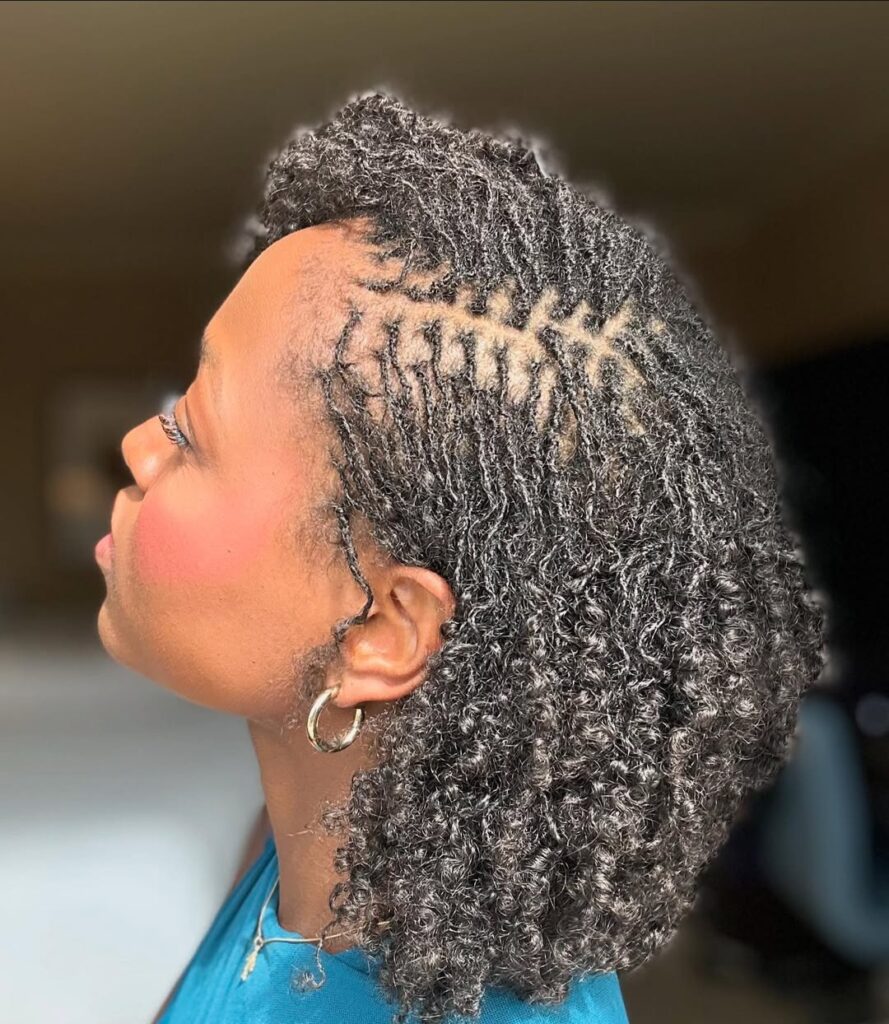
Braids/Plaits
This is good for long or soft-textured hair. However, it takes longer to fully lock but gives a neat, uniform look.
Interlocking
Here, roots are pulled through to create tight, firm knots. Interlocking is perfect for people who wash often or sweat a lot as it helps to prevent unraveling.
Backcombing/Crochet (Instant Locs)
This gives you the “mature loc” look immediately. Although expensive, it’s perfect for people who want instant results.
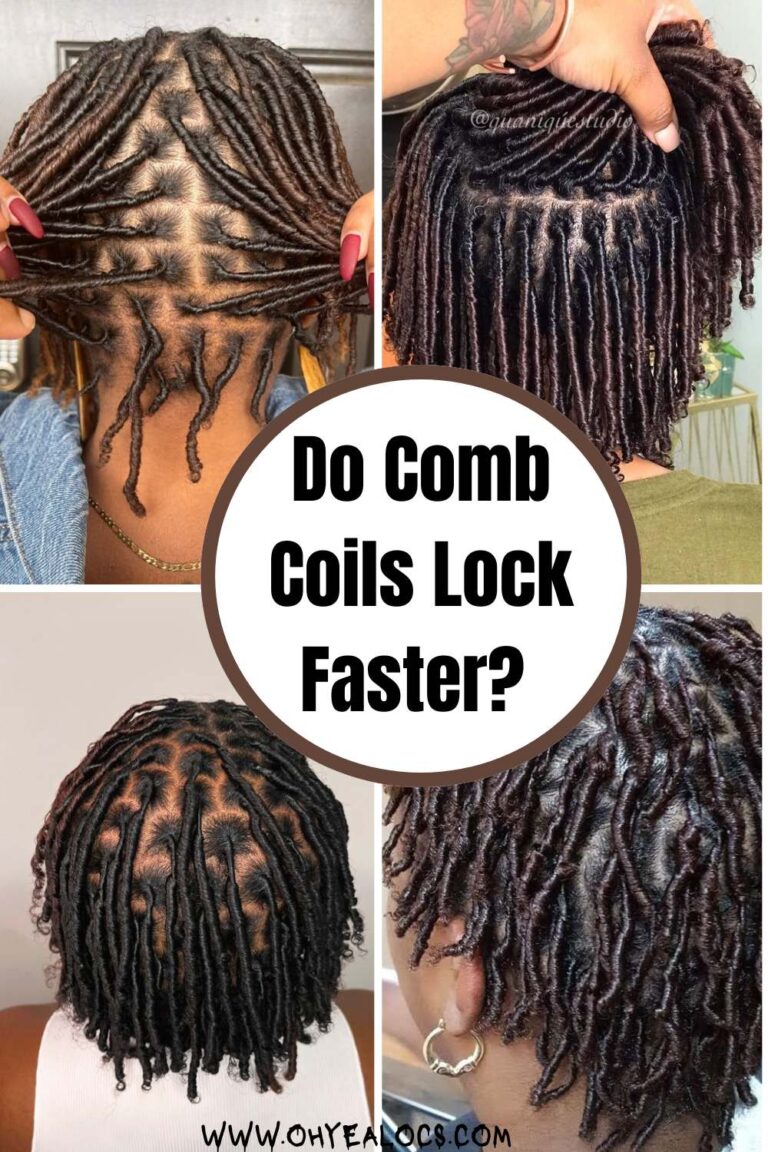
Comb Coils
This is particularly best for short hair. It gives a clean cylindrical look.
Factors to Consider Before Starting Your Loc Journey
Starting locs requires some level of commitment. That’s why it’s important to think things through before getting started.
Here are some things you should consider before embarking on your loc journey:
1. Your Hair Type and Texture
Tighter curls tend to loc faster while loose curls may take more time. However, the good news is that every texture can loc beautifully.
2. Your Lifestyle
How often do you go to the gym? Do you swim regularly? How about your workplace culture; are locs acceptable? Do you sweat heavily or live in a humid climate?
All these matter because your lifestyle helps determine your maintenance method and how often you’ll need to care for your hair. Or if you should even start your loc journey in the first place.
3. Your Budget
Yes, locs are relatively affordable but they can also be expensive, depending on your type of locs and installation method. Sisterlocks, for example, are a big investment. Traditional locs on the other hand are more pocket-friendly. And if you are on a tight budget, you can go for freeform or semi-freeform locs.
Please read: 10 things I wish I knew before I started my Locs
4. Your Patience Level
Your patience level will be put to the test as you go through your loc journey. The first few months come with frizz, shrinkage, and unevenness. This is the point where some people give up. But the good news is, after that period comes the bloom when your locs will mature beautifully – just the way you love them. So, patience is a big part of the journey.
5. Loc Size Preference
Do you want your locs thin, medium, or thick? Your desired size will determine your maintenance schedule and styling options.
More on this: Micro Locs vs Traditional Locs, which is right for you
6. Your Hairstylist
Choosing a knowledgeable loctician makes a huge difference. They’ll help you decide the best method, size, and maintenance plan.
7. Workplace/Cultural Acceptance
Even though locs are widely accepted today, some workplaces still have outdated perceptions. Consider your environment if necessary.
Now, let’s talk about the different growth stages your locs will pass through. A lot of loc starters are often caught unawares due to a lack of proper knowledge.
Stages of the Loc Journey
Don’t be surprised when you see your locs go through different phases – characterised by noticeable changes. That’s normal. Even humans go through phases of development. Don’t we? Understanding these stages helps you avoid unnecessary panic.
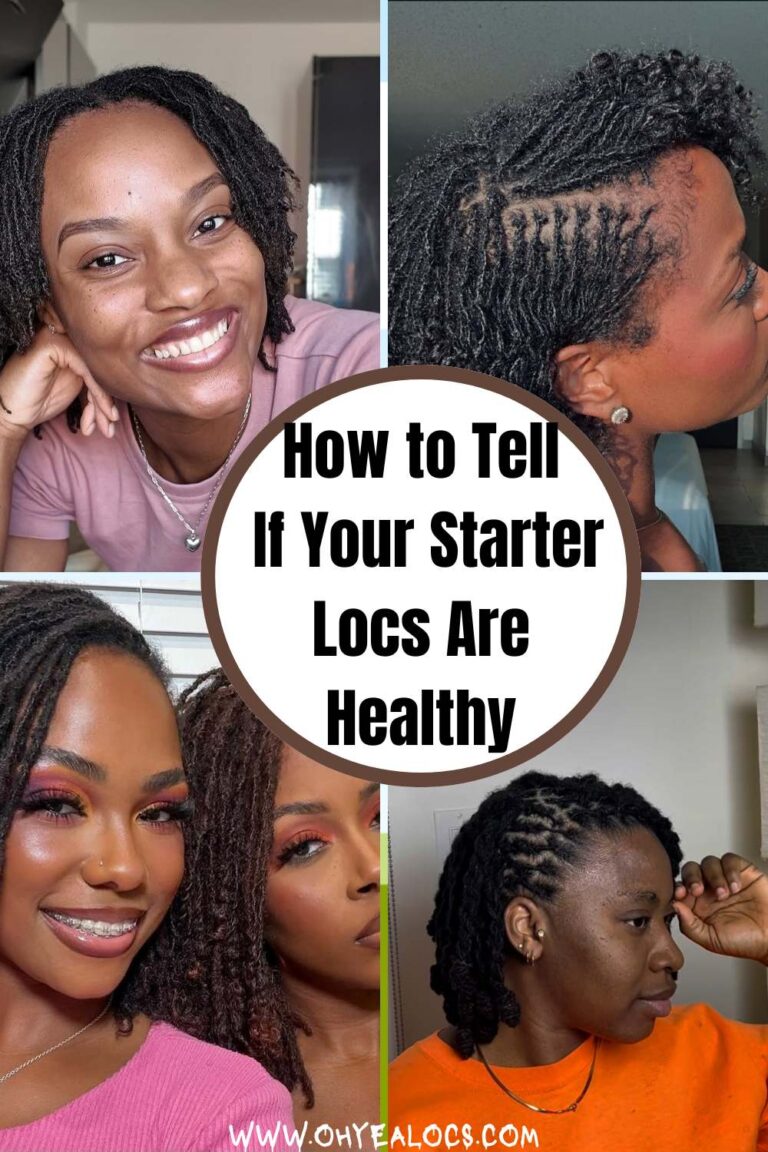
1. Starter/Baby Locs (0–3 months)
At this stage, your locs look neat and defined. As time goes on, expect some unraveling and frizzing.
Must read: What to expect in the first 3 months of your Loc journey.
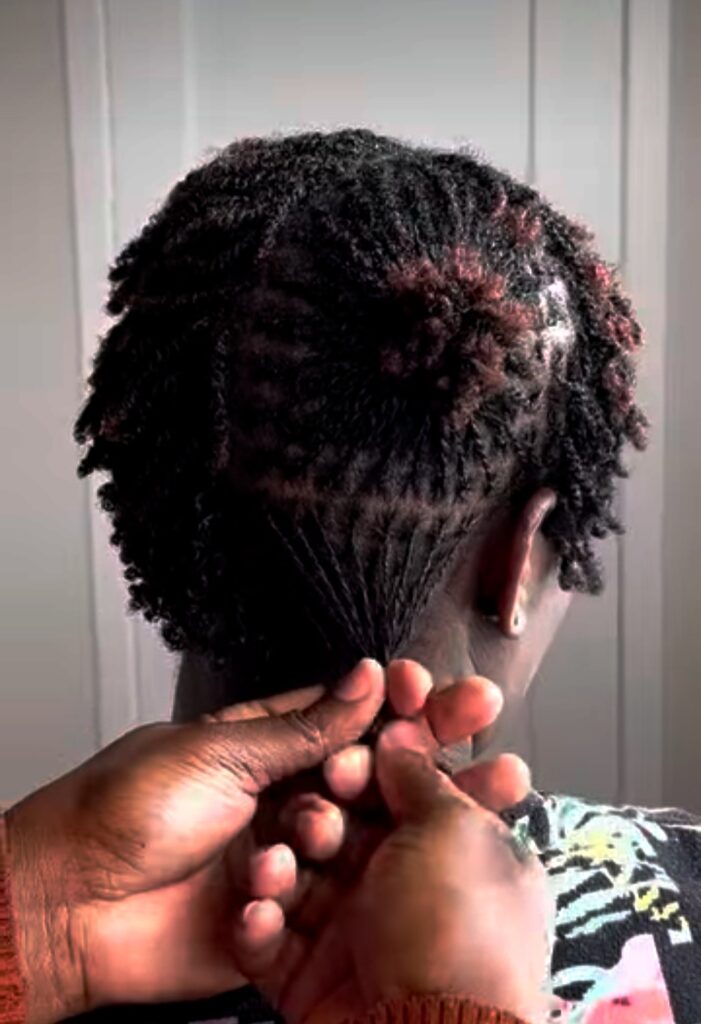
2. Budding Stage (3–6 months)
This is the phase when your hair begins to swell and form buds. At this point, your locs start feeling like “real locs.” Frizz also increases here.
3. The Teen Stage (6–12 months)
This is perhaps the most awkward stage – when your locs may look messy, uneven, or stubborn. Typical of teenagers, right? (Pun intended). A lot of loc starters (typical of teenagers’ moms) often get frustrated at this stage.
4. Mature Stage (12–18 months)
At this stage, locs start to hang and gain weight with less frizz. Their shapes also become more defined.
5. Rooted Stage (18 months and above)
This is when locs are fully mature. Maintenance becomes easier and your locs feel fuller and more settled.
Now, let’s talk about one of the commonly asked questions about locs installation.
How Much Does Starting/Keeping Locs Cost?
How I wish I could just quote a specific amount you’d need but the truth is, there’s no straightforward answer to this. Your cost will depend on your method, hair length, stylist rates, and most importantly, where you live.
However, this general estimate should help:
Installation Costs
Two-strand twists and coils cost moderate; braids cost low to moderate; Interlocking costs moderate to high; Instant locs cost high; Sisterlocks cost very high.
Maintenance Costs
Apart from the installation cost, you will also have to pay for retwisting every 4–6 weeks, interlocking every 6–8 weeks, deep cleaning once or twice a year, and treating or hydrating your scalp occasionally. However, you can also choose to DIY (where possible).
Product Costs
Here are the products you’d need for your locs maintenance:
- Clarifying shampoo
- Residue-free shampoo
- Lightweight oils
- Rosewater or hydrating mist
- Satin bonnet or silk pillowcase
If you are on a tight budget, these budget-friendly tips will help:
- Learn DIY retwist if comfortable.
- Use natural oils like coconut, jojoba, or olive oil.
- Keep your routine simple. Locs truly don’t need too many products. The simpler, the better.
How to Maintain/Care for Your Locs
Just like a plant, your locs need proper care and nurturing to grow healthy and strong. Here are some tips:
1. Wash Your Locs Regularly
Like I stated earlier, clean hair locks faster and healthier. However, how often you wash depends on your locs growth stage.
For starter locs, wash every 2–4 weeks. Mature locs on the other hand need shorter stretches; wash every 1–2 weeks.
2. Moisturise Consistently
Locs tend to lose moisture easily. Ensure to hydrate regularly.
Use rosewater, water-based hydrating sprays, and lightweight oils to seal in moisture.
3. Retwist or Interlock When Needed
Avoid over-twisting as it tends to thin the roots. Stick to your schedule.
4. Protect Your Hair at Night
Use a satin bonnet or silk pillowcase to prevent lint and dryness. Cotton materials tend to dehydrate natural hair.
5. Avoid Build-Up
Heavy creams tend to leave residue on locs which in turn makes them appear dull. Let’s not even talk about the awful odour such locs release.
Use lightweight products only.
6. Deep Clean Occasionally
Use ACV rinse once or twice a year to remove deep build-up and refresh your locs.
7. Keep Your Scalp Healthy
Avoid scratching with fingernails. Use oils or aloe vera to treat dryness or itching.
More on this: How to care for your Locs the right way
Do’s and Don’ts for Loc Beginners
Here are some Do’s and Don’ts to help your locs stay healthy:
- Keep your hair clean.
- Moisturise regularly.
- Be patient with frizz and shrinkage.
- Choose a good loctician.
- Protect your hair while sleeping.
- Don’t use heavy waxes.
- Don’t retwist every week.
- Don’t manipulate your starter locs too much.
- Don’t compare your journey to other people’s.
- Don’t use tight hairstyles often as they tend to weaken the roots.
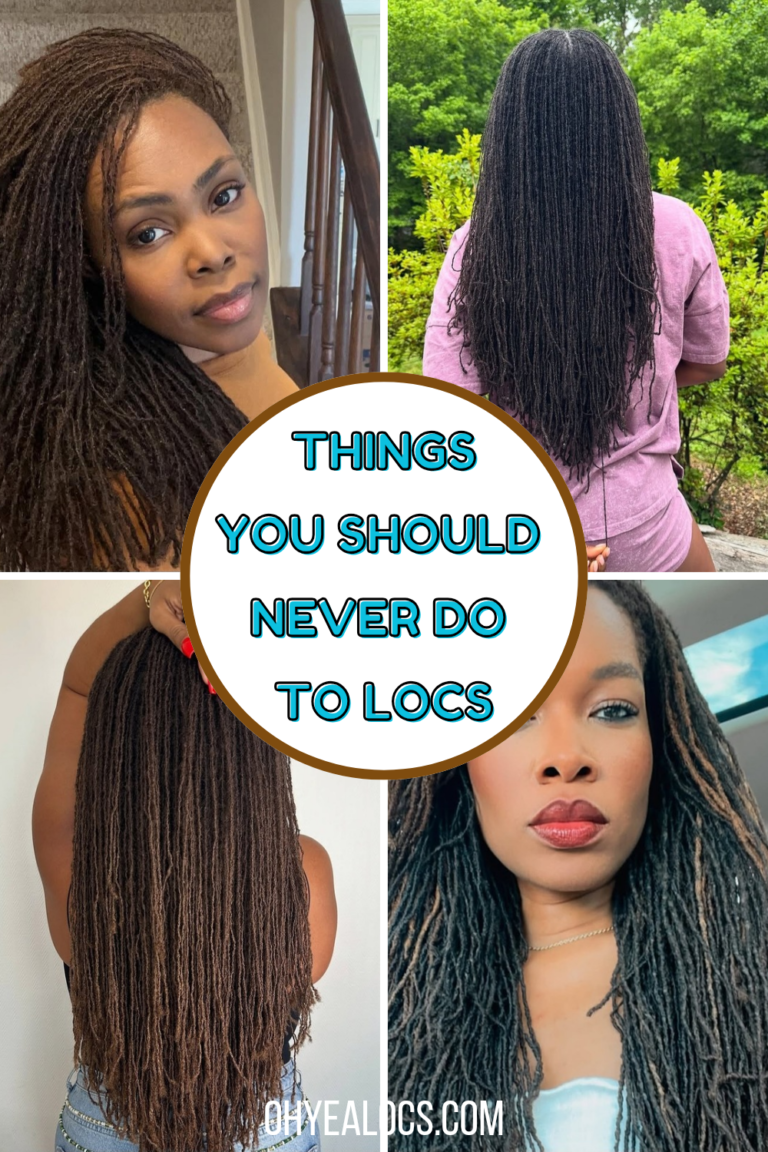
Readers also enjoyed: 23 things you should never do to your locs
Now, let’s burst some of the myths often associated with locs.
Common Myths About Locs
Myth 1: Locs are dirty.
Fact: Clean hair locs faster. Locs, like other natural hair, require hygiene.
Myth 2: Locs don’t grow.
Fact: They grow like any natural hair; they just grow differently.
Myth 3: You can’t wash your hair.
Fact: Washing is essential, especially to avoid build-up. Just ensure they are properly dried after washing.
Myth 4: Locs are unprofessional.
Fact: Locs are now widely accepted in workplaces worldwide.
Myth 5: Only certain people should wear locs.
Fact: Anyone with the right interest and commitment can start locs.
Myth 6: You must cut them off to remove them.
Fact: You can comb out locs with patience; it just takes time.
How to Choose the Right Locs for You
Here’s how to decide what type of locs to start with:
- Consider your hair type and texture.
- Think about your maintenance routine; will you be consistent?
- Work with your budget.
- Think long-term; will you be committed?
- Decide your loc size preference.
- Have a consultation with a loctician.
Choosing the right loc style is all about what works for your hair, lifestyle, and personal style.
Bookmark this: Micro locs vs Traditional locs: Which is right for you?
Wrapping Up
Starting your loc journey can feel overwhelming, but it could also be one of the most rewarding hair decisions you’ll ever make. With patience and commitment, your locs will grow with you. With time, they’ll change, evolve, and mature – just the way you love them.
The key is to embrace every stage, (even the messy ones), and trust the process. With the right knowledge, a supportive loctician, and consistent care, your loc journey will be a beautiful and deeply rewarding experience.