Different Methods of Starting Locs
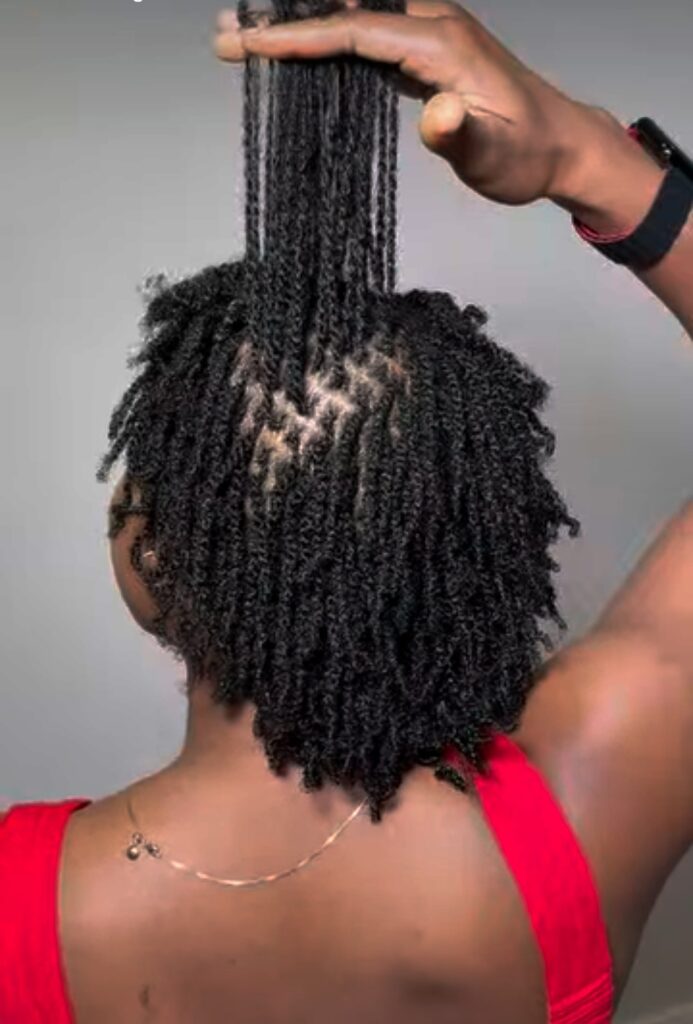
If you’re considering starting your loc journey, permit me to say a big congratulations! This is such an exciting decision you are about to embark on; one you will be very proud of in the coming years. You know why? Locs are more than just a hairstyle; they’re a discovery journey.
To some people, keeping locs is a cultural expression, and for many others, it’s a symbol of identity and growth. Whatever your reason is, trust me, it’s going to be a rewarding journey.
Even though the thought of growing locs often feels exciting, getting started is not as easy as it appears. One question almost every beginner asks is: How exactly do I start my locs?
While the results might look similar, the method you choose to start your locs will play a big role in how they mature, how they look, and how much maintenance they’ll require. In this guide, you’ll learn the different methods of starting locs, including the pros, cons, how long they take to lock, and which method best suits your hair and lifestyle.
Let’s get into it real quick.
Factors to Consider Before Choosing a loc Method
Before choosing any method, it’s important to consider a few factors. You know why? Not every method suits everybody. Here are some factors to think about:
Hair texture
Some methods work better for coily or kinky hair, while others may be suitable for straight or wavy textures.
Hair length
Some techniques of starting locs require more length (and even density) to get the best results.
Bookmark this: How to prepare your hair before locking.
Your budget
Some methods cost more upfront (especially those requiring a loctician) than others.
Maintenance preference
Do you want something that requires low maintenance, or are you prepared for regular visits? DIY is possible but not for all locs. Some starter locs require the service of a professional.
Desired loc size
Thick locs, medium locs, or micro locs? Whichever one you prefer has a lot to do with your starting method.
Patience level
Here’s what a lot of people seeking to grow their locs don’t know: some methods mature faster than others. For instance, if you’re impatient, a method like instant locs might save you the frustration of dealing with all stages of loc growth.
Considering all the factors above will make the process of choosing your method a whole lot easier.
Related reading: Everything you need to know before getting locs.
10 things I wish I knew before I started my Locs.
Now, let’s dive right into the different methods of starting locs.
9 Different Methods of Starting Locs
1. Comb Coils
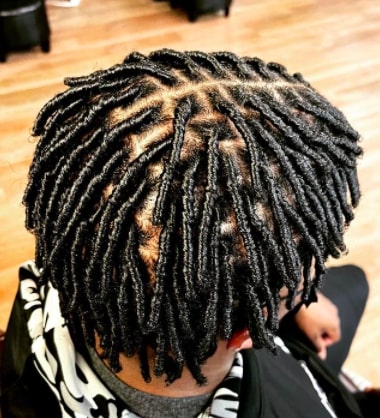
Comb coils are one of the most common traditional ways of starting locs. A metal styling comb is used to twist small sections of hair into tight coils.
This method is best for short hair and coily/ kinky textures (Type 4)
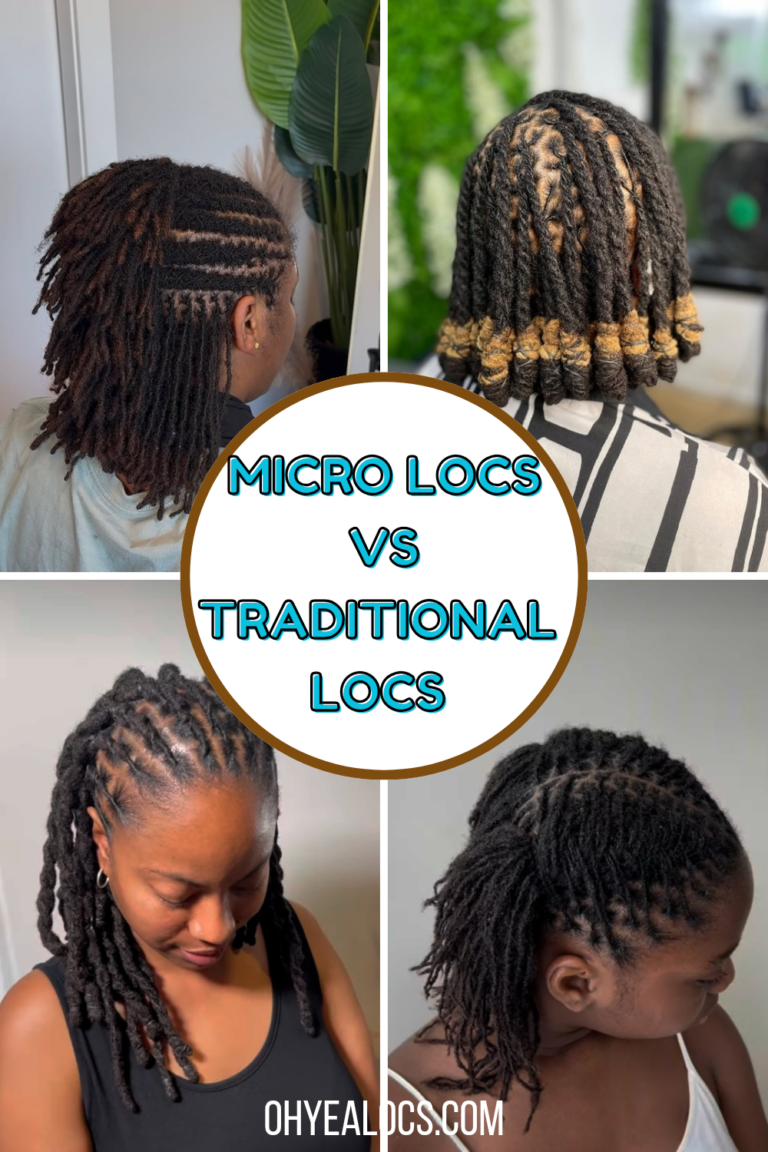
Must read: Micro locs vs Traditional Locs: Which is right for you?
Pros of Comb Coils
– Produces neat and stylish locs from day one
– Works very well for natural afro-textured hair
– Affordable, if done professionally
– Easy to maintain at first
Cons of Comb Coils
– They may unravel easily (especially at the early stage)
– Humidity and water can loosen them
– Takes patience for them to lock fully
Comb coils take 3–6 months on average to lock, depending on your hair texture.
More on this topic: What to expect in the first 3 months of your loc journey
2. Two-Strand Twists
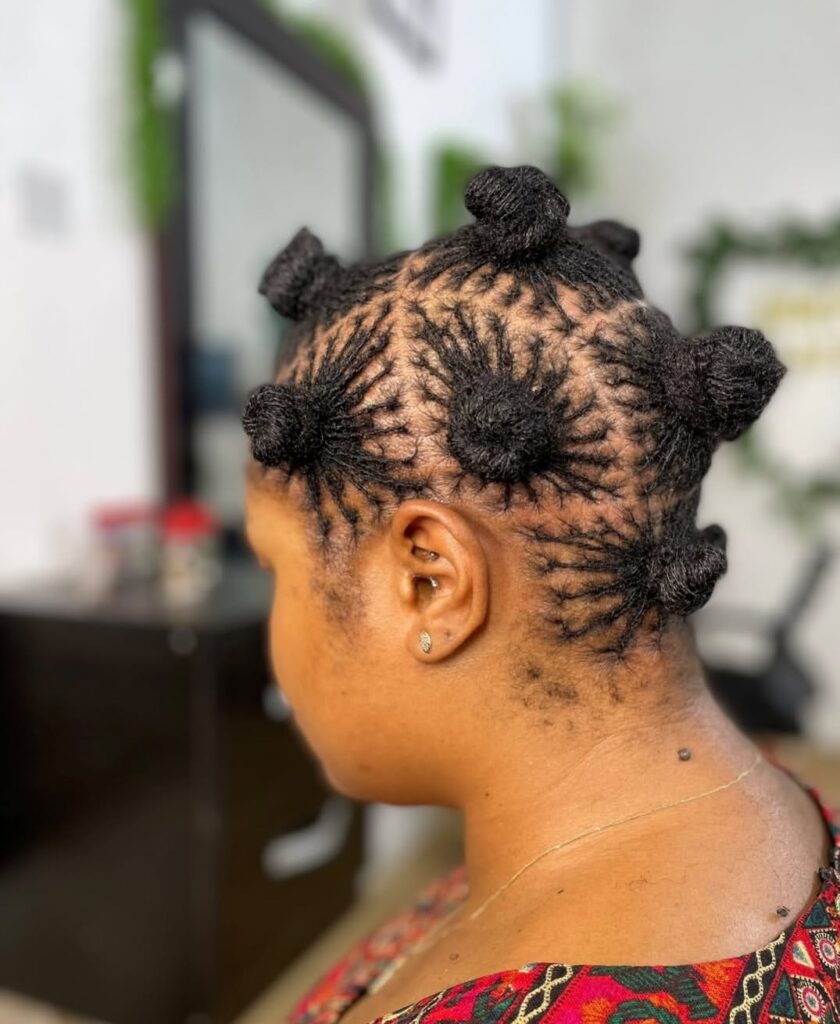
This is another very popular starting method. Here, two strands of hair are twisted around each other and left to mat and form locs over time.
One beautiful thing about two-strand twists is how they look neat and give an attractive aesthetic even before they lock. This is why a lot of people prefer to grow their locs with this method.
pros of Two-strand Twists
– They are great for beginners
– They have versatile styling options
– Good for natural textured hair
– They hold better than comb coils
Cons of Two-strand Twists
– They take a longer time to lock
– Twists can look like twists (not locs) for several months
Two-strand twists have 6–12 months of locking time.
3. Braids (Plaits)
A lot of people don’t know this but braids can actually form locs over time. After installation, they slowly mat and swell into locs.
Braids are best for people who want less shrinkage, longer hair and looser textures.
Pros of Braids
– Minimal unraveling
– Good if you love neatness
– Requires lower maintenance at first
Cons of Braids
– The braid pattern may take several months to show.
– Takes time before looking like locs
Braids have 12 months or more of locking time.
4. Backcombing
Backcombing is more common among people with straight or wavy hair. To do this, the hair is teased backwards until it mats.
Pros of Backcombing
– Locks quicker than waiting naturally
– Helps straight hair form locs
– Good for instant body and volume
Cons of Backcombing
– Not ideal for tight curls
– Can cause frizz initially
– Might need regular maintenance
Backcombing takes 3–6 months of locking time
5. Palm-Rolling
Even though palm-rolling is one of the techniques used to maintain locs, some people start their locs with the method from day one.
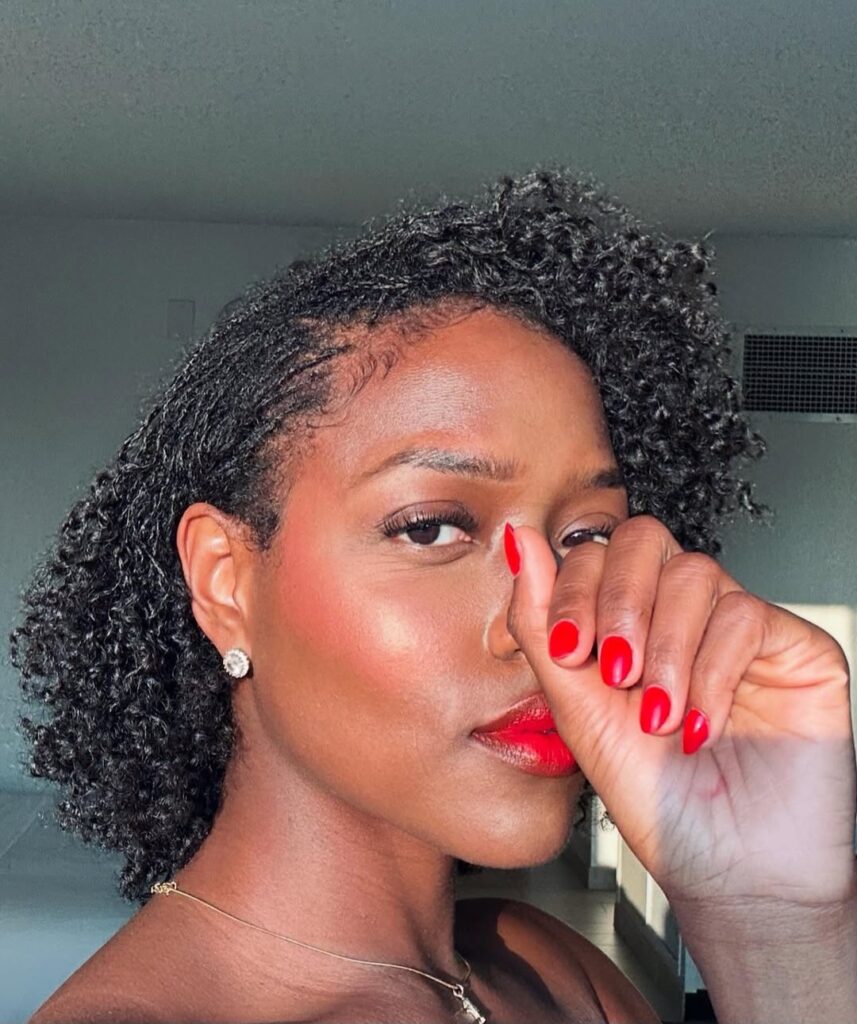
Palm-rolling is done by simply rolling hair sections between your palms to encourage them to form a cylindrical shape.
Pros of Starting Palm-rolling
– Produces natural-looking results
– Easy to DIY
– Keeps locs looking uniform
Cons of Palm-rolling
– Not great for loose hair texture
– Requires frequent maintenance
– Works best alongside another method
6. Interlocking
Interlocking involves pulling the end of the loc through the root using a latch or special tool to tighten new growth.
This is particularly best for swimmers, gym-goers and people with very active lifestyles.
Pin and come back later: How to care for your Locs the right way
Pros of Interlocking
– Very secure
– lasts longer
– Produces less frizz
– Can go longer between maintenance
Cons of Starting with Interlocking
– Takes more time to mature
– Must be done correctly (or risk breakage)
– Not everyone likes the interlocked look
Interlocking requires 6–8 weeks of regular maintenance.
7. Instant Locs / Crochet Method
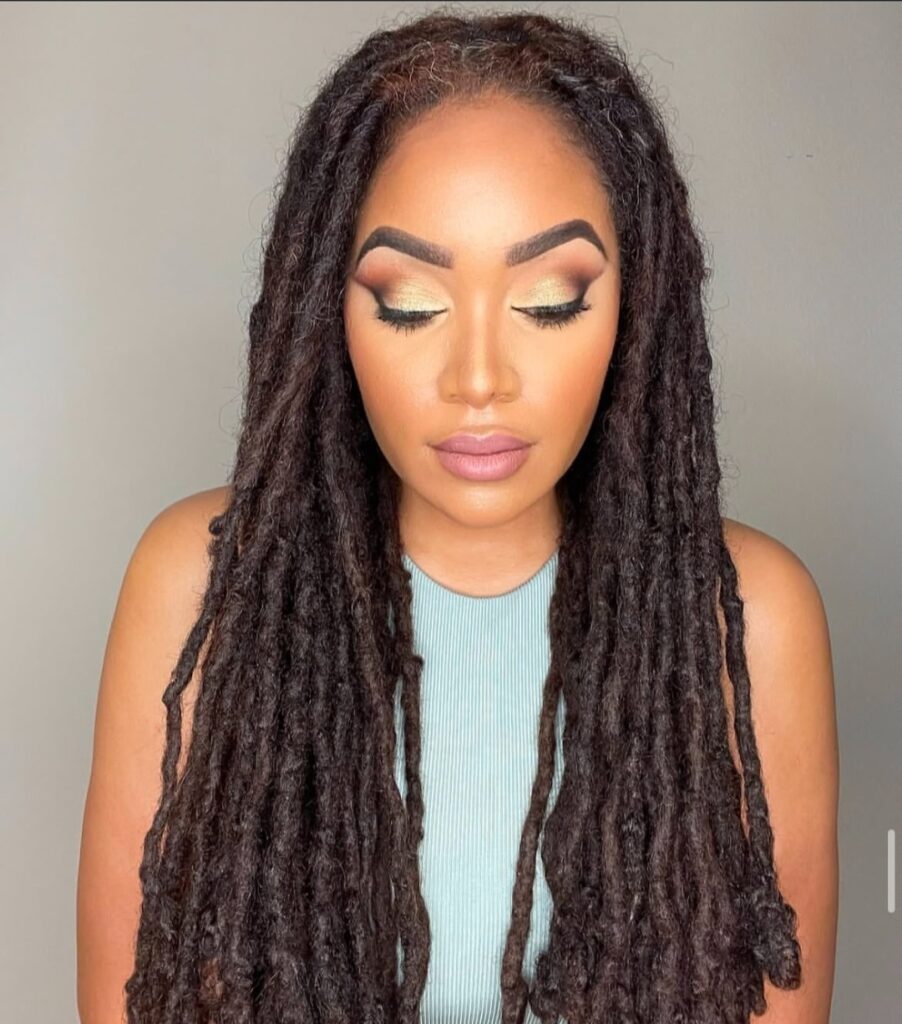
Instant locs are installed using a crochet needle that knots the hair to make the loc appear mature immediately. This method has become extremely popular over the years.
Pros of Instant Locs
– Create locs that look fully formed from day one
– Produce very quick results
– Require less waiting for the “ugly phase”
– Work for most hair types
Cons of Instant Locs
– Can be expensive to install
– Requires a skilled loctician
– Initially feels stiff
Instant locs are great for people who don’t want to wait for years before their hair looks “fully locked.”
Must Read: Common mistakes to avoid when locking your hair
8. Freeform Locs
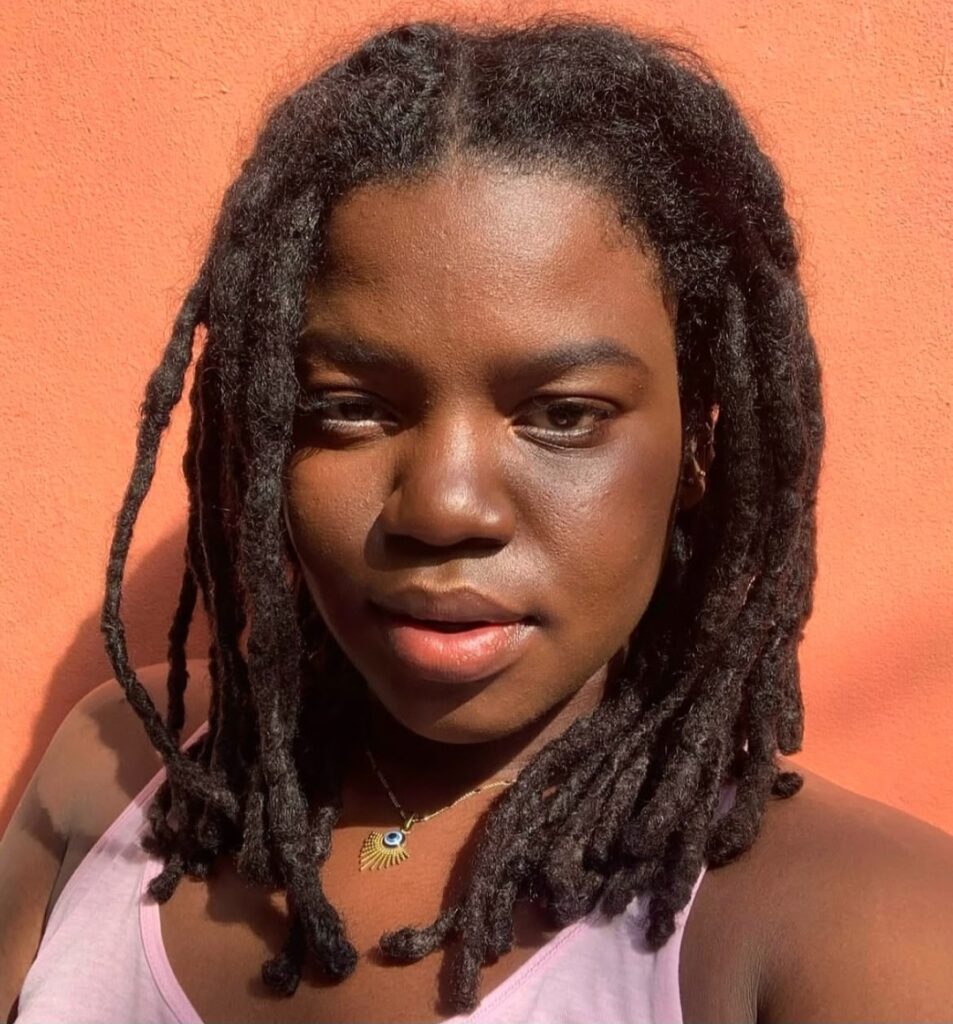
Freeform locs are created by simply washing and allowing the hair to mat and form naturally without manipulation.
Pros of Freeform locs
– They are the most natural method
– No need for professional maintenance
– Reflects cultural and spiritual roots
– Produce unique, individual results
Cons of Freeform Locs
– Produce locs that are neither neat nor uniform
– Entail minimal styling control
– Require embracing the journey fully
9. Semi-Freeform Locs
Semi-freeform is a combination of freeform and minimal manipulation. You don’t regularly twist the roots, but you separate sections occasionally to prevent merging.
Keep this handy: 23 things you should never do to your locs
Pros of Semi-freeform Locs
– They are more natural than salon-styled locs
– Require less maintenance
– Still give a definition or uniqueness
Cons of Semi-freeform Locs
– Not as neat as salon-styled locs
– Locs may vary in thickness
– Require patience
Having seen the different methods of starting locs, the next question is, how do you know which is suitable for you?
To help you decide a best-fit method, here’s a quick summary:
- Comb coils are the best fit for short hair. They look neat and have a medium locking time.
- Two-strand twists are best for beginners. They look very neat but have a slow locking speed.
- Braids produce loose textures. They look neat but have a slow locking speed.
- Backcombing is best for straight hair. Does not look neat at first and has a medium locking speed.
- Palm-rolling gives a natural look on the go. They look neat and take a shorter time to loc.
- Interlocking is suitable for anyone with an active lifestyle. Looks very neat and has a medium locking speed.
- Instant locs are suitable for any hair type. They give a neat look and have a fast locking time.
- Freeform locs are suitable for people who desire to keep locs for cultural/spiritual reasons. They do not give a neat look and have varying locking times, depending on the individual’s hair.
- Semi-freeform locs are the best fit for minimalists. They have a somewhat neat look (at least better than freeform locs). They also have a medium locking time.
Now, let’s talk about that one common question a lot of starters ask: Do I need a Loctician or should I go DIY?
Professional vs DIY Loc Starting
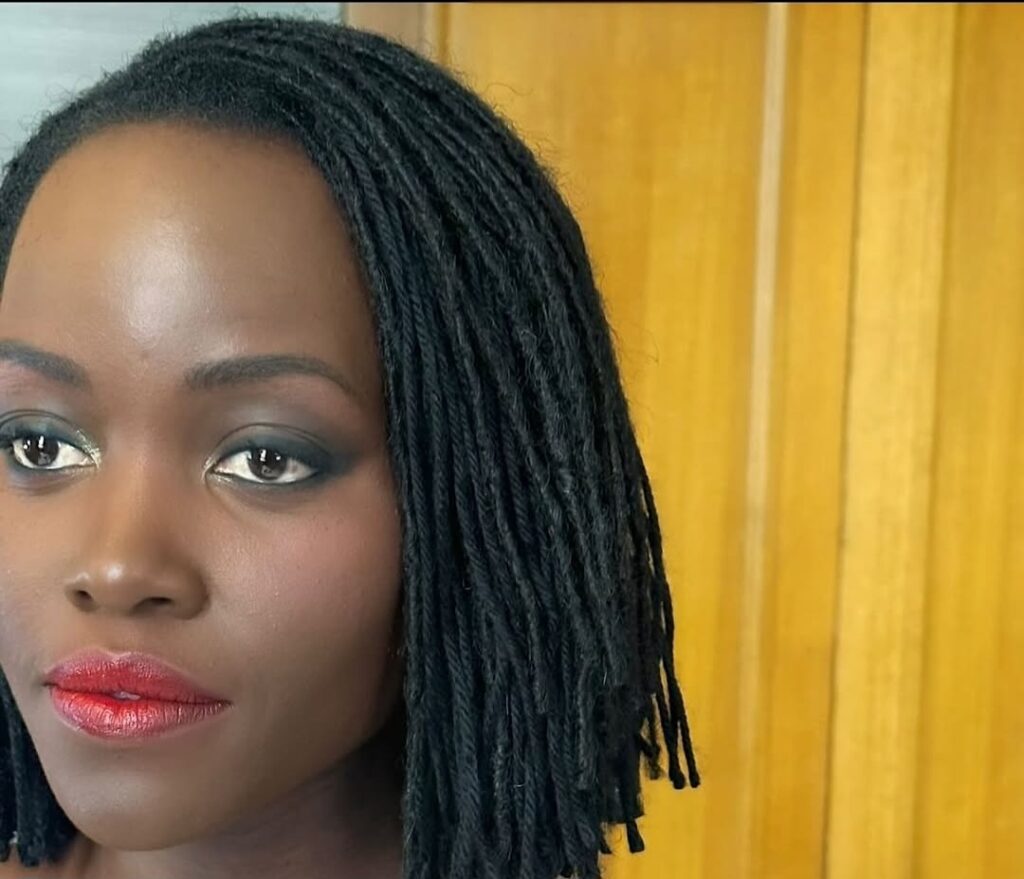
There’s no one-size-fits-all when it comes to starting locs. Some people start theirs at home, while others prefer a trained loctician.
Here’s a guide on how to decide which is better for you:
Choose a loctician if:
-You want neat parts
-You’re new to locs
– Your hair texture is complicated
-You want micro locs or instant locs
Save this for Later: 10 things you should NEVER do to your starter locs
DIY might work if:
– You’re on a budget
-You enjoy doing your hair
-You prefer a natural or freeform look
– You don’t mind imperfections
Find out Loc issues beginners face and how to fix them.
Wrapping Up
No doubt, starting locs is a beautiful journey – one that’s worth every invested time and effort. However you choose to begin, remember that locs take time, patience, and consistent love. They will evolve, shrink, swell, get messy, and eventually become exactly what they’re meant to be.
The important thing is to choose a method that aligns with your personality, hair goals and patience level.
Whether you want instant mature locs, neat starter twists, cultural freeform, or something in between, rest assured that your locs will tell a story that’s uniquely yours.
Whichever path you choose, ensure to embrace the journey with confidence and grace!