Common Mistakes To Avoid When Locking Your Hair
Locs are more than a hairstyle; they’re a statement of culture, identity, and personal style. Although most people assume locs to be a “low-maintenance hairstyle”, starting and maintaining them isn’t as seamless as it appears.
Anyone who has been on a loc journey knows that it takes care, patience, and the right knowledge – to keep locs in their best condition. Sadly, due to popular misconceptions, many new loc wearers unknowingly make mistakes that often lead to weak, frizzy, or damaged locs.
Avoiding these common pitfalls ensures that your loc journey is smooth, healthy, and long-lasting. In this guide, we’ll explore the top mistakes people make when locking their hair and how to avoid them.
Let’s get in real quick!
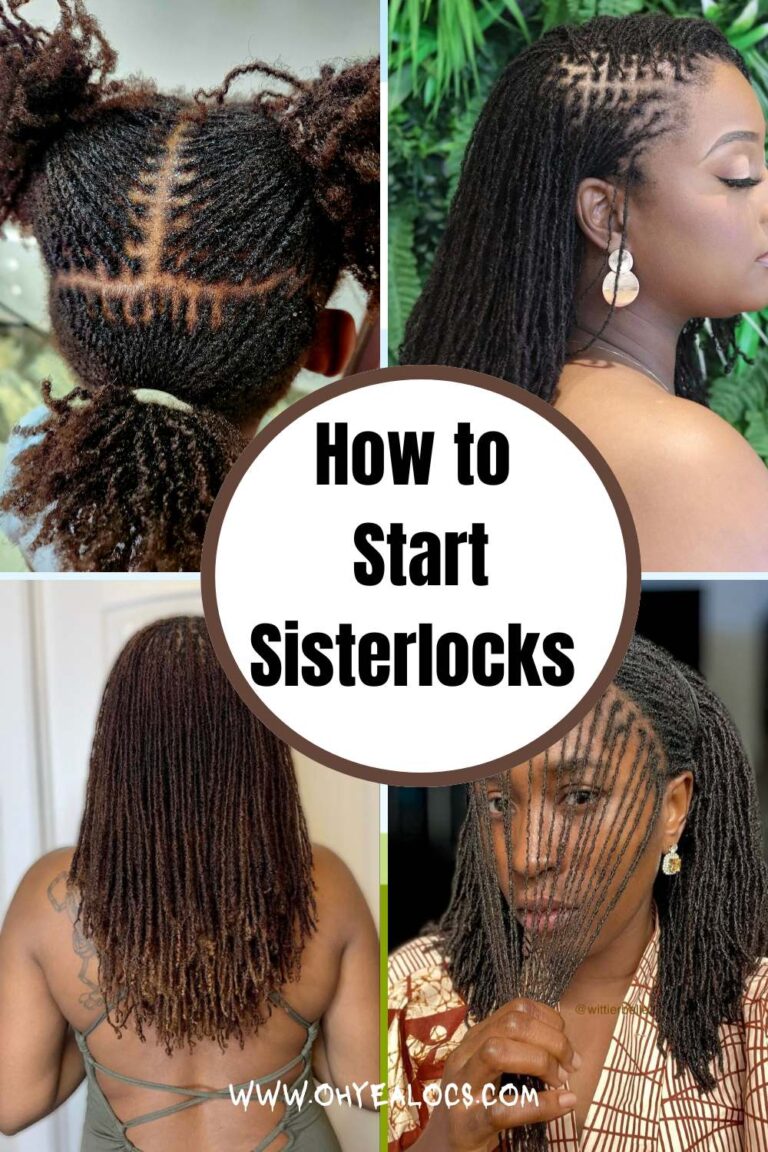
But first, find out Everything you need to know before getting Locs.
Common Locs Mistakes To Avoid when locking your hair
1. Starting Locs Without Proper Hair Preparation
One of the biggest mistakes new loc wearers make is jumping straight into the locking process without preparing their hair. Unknowingly to them, adequate preparation sets the foundation for strong, healthy locs.
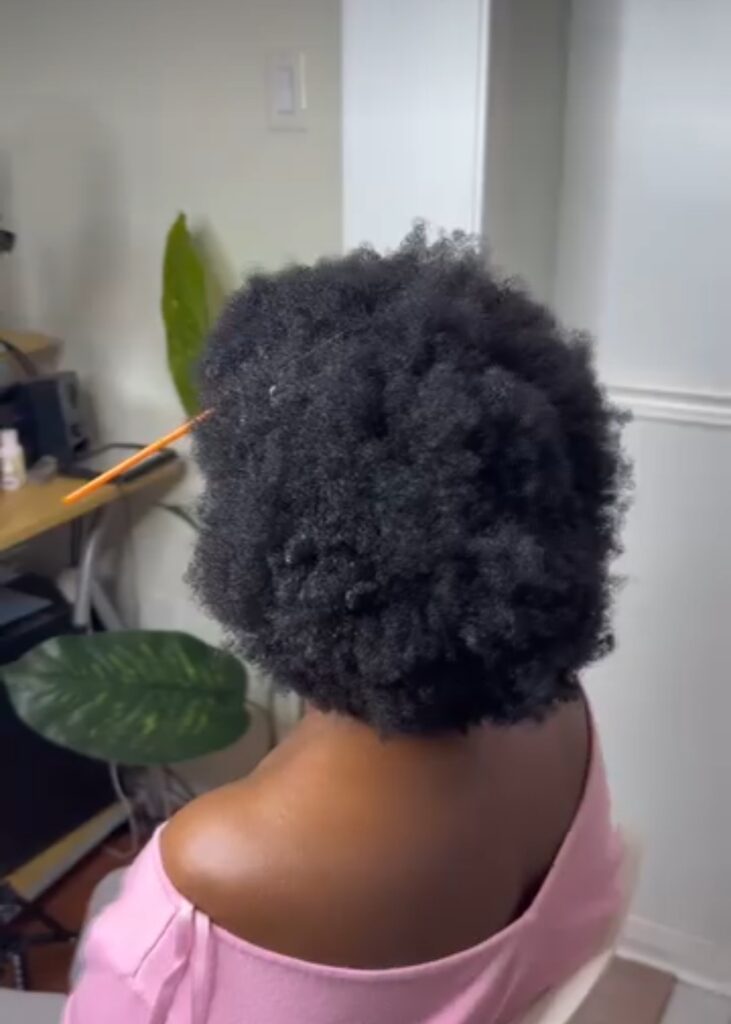
Why does preparation matter?
– Prepping your hair ensures it’s moisturized, trimmed, and free from damage. All these are necessary if you desire to grow locs that would thrive.
– Healthy hair locks better, lasts longer, and is less prone to breakage.
Here is how to prepare your hair before locking.
Common hair prep mistakes to avoid:
– Skipping deep conditioning treatments.
– Ignoring split ends or damaged strands.
– Not clarifying the scalp and hair from product buildup.
Here are some consequences of poor preparation:
– Locs may thin or break at weak points.
– Slow locking and uneven loc formation.
What to do:
Spend a week or two treating your hair before locking. Deep condition, trim damaged ends, and clarify your scalp.
This is how to start your Loc journey the right way.
2. Choosing the Wrong Locking Method for Your Hair Type
It’s important to know that not all locking methods work for every hair type. Using the wrong method can result in frizz, breakage, or locs that don’t lock properly.

Common locking methods include:
Twist and rip – best for natural, coarse textures.
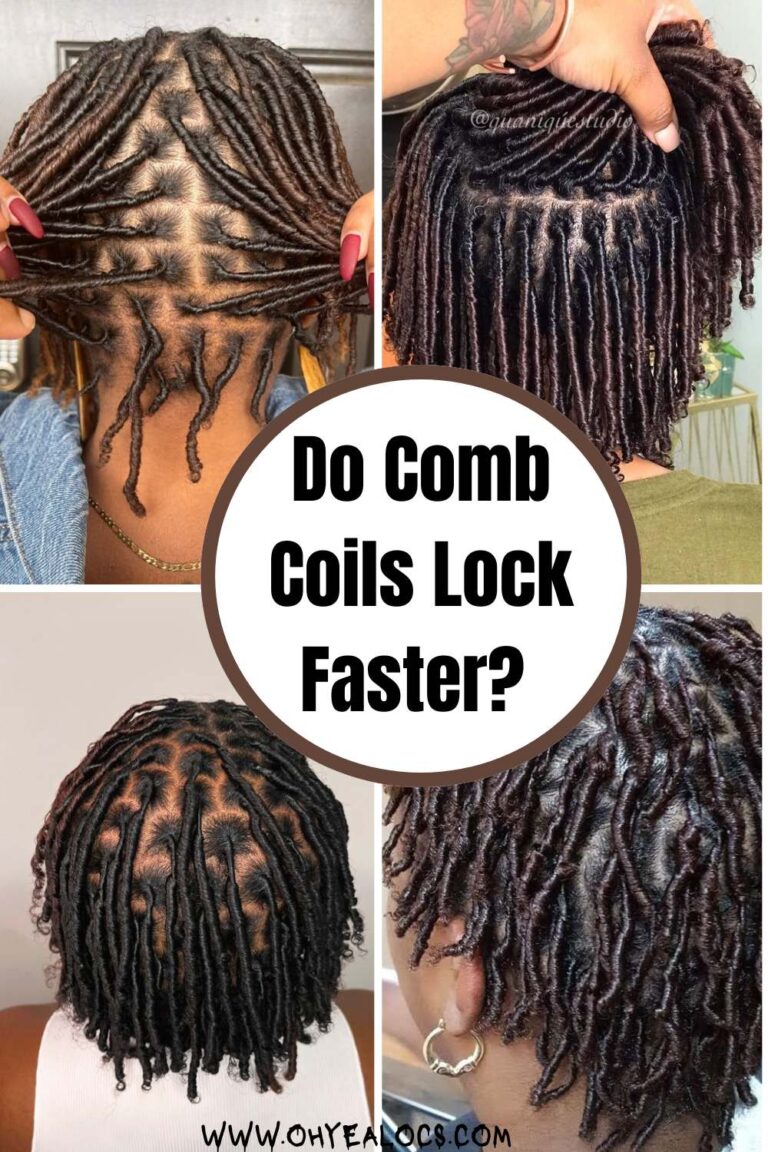
Comb coils – works well for very tight coils.
Interlocking – good for straight or relaxed hair.
Freeform locs – require minimal manipulation; hair locks naturally.
Bookmark these: Different methods of starting locs.
Micro locs Vs Traditional locs: which is right for you.
Here are some locking mistakes to avoid:
– Choosing a method that causes excessive tension.
– Trying freeform on very fine hair without maintenance, leading to weak locs.
Bonus Tip: Consult a professional stylist or do thorough research to pick a method that suits your hair texture.
3. Over-Manipulating Your Locs in the Early Stages
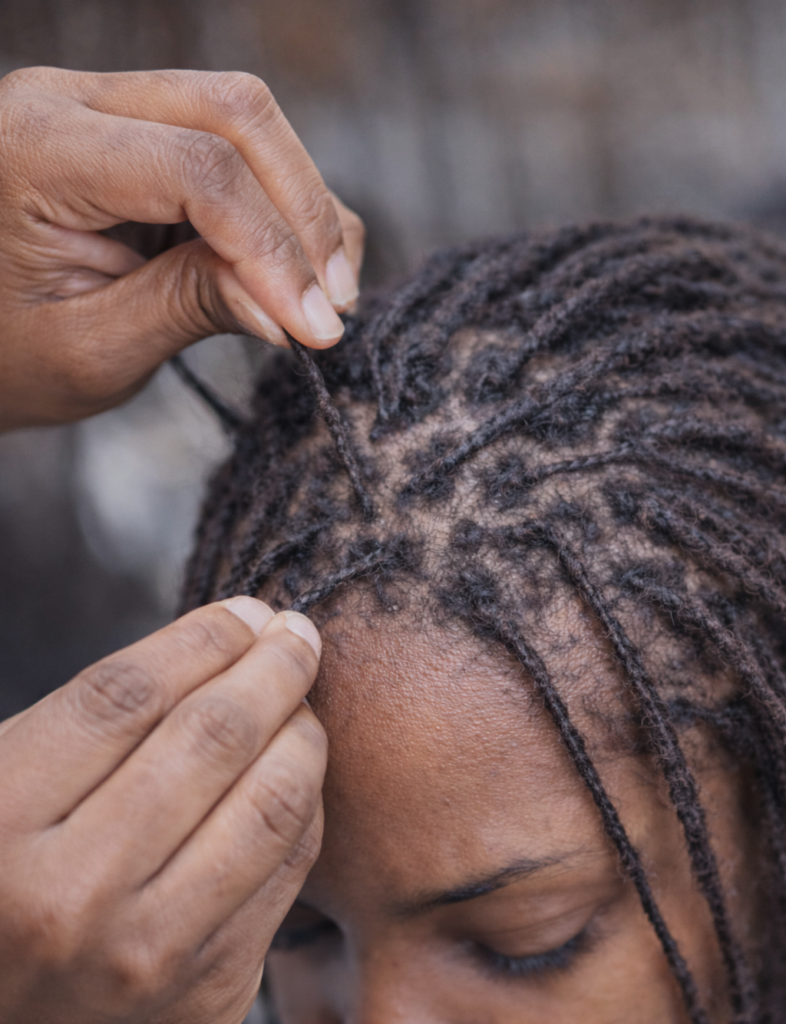
The first 6–12 months of your loc journey are crucial. This is because new growth is fragile and therefore requires gentle care.
Common mistakes to avoid:
– Constantly twisting or retwisting locs.
– Excessive styling with tight bands or accessories.
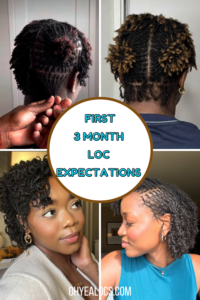
Save this for later read: What to expect in the first 3 months of your loc journey.
Consequences of over-manipulation of locs:
– Thinning locs and weak roots.
– Slower locking process and frizz.
Bonus Tip: Keep manipulation minimal. Let your locs mature naturally while maintaining gentle care.
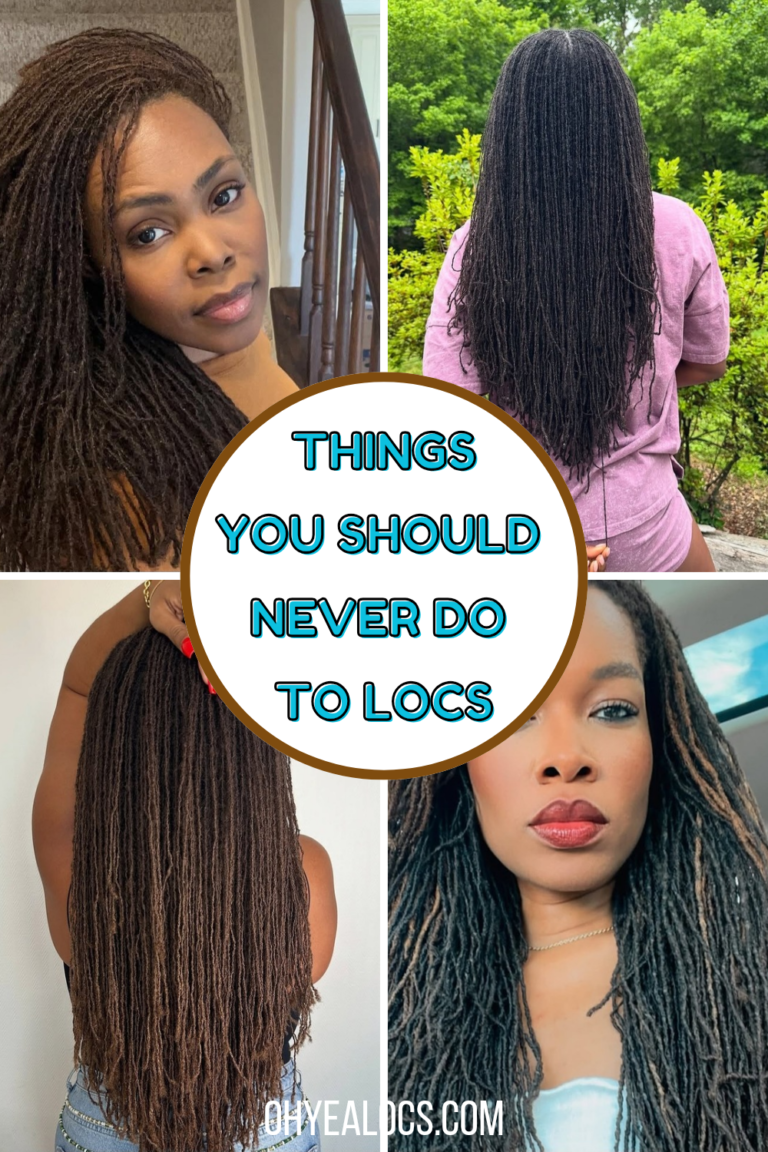
Recommended reading: 10 things you should NEVER do to your starter locs
4. Neglecting Scalp Care
Here’s one thing some loc wearers don’t seem to understand: healthy scalps are the bedrocks of healthy locs. Neglecting your scalp and expecting your locs to be healthy is like hoping to grow good plants on a deserted land.
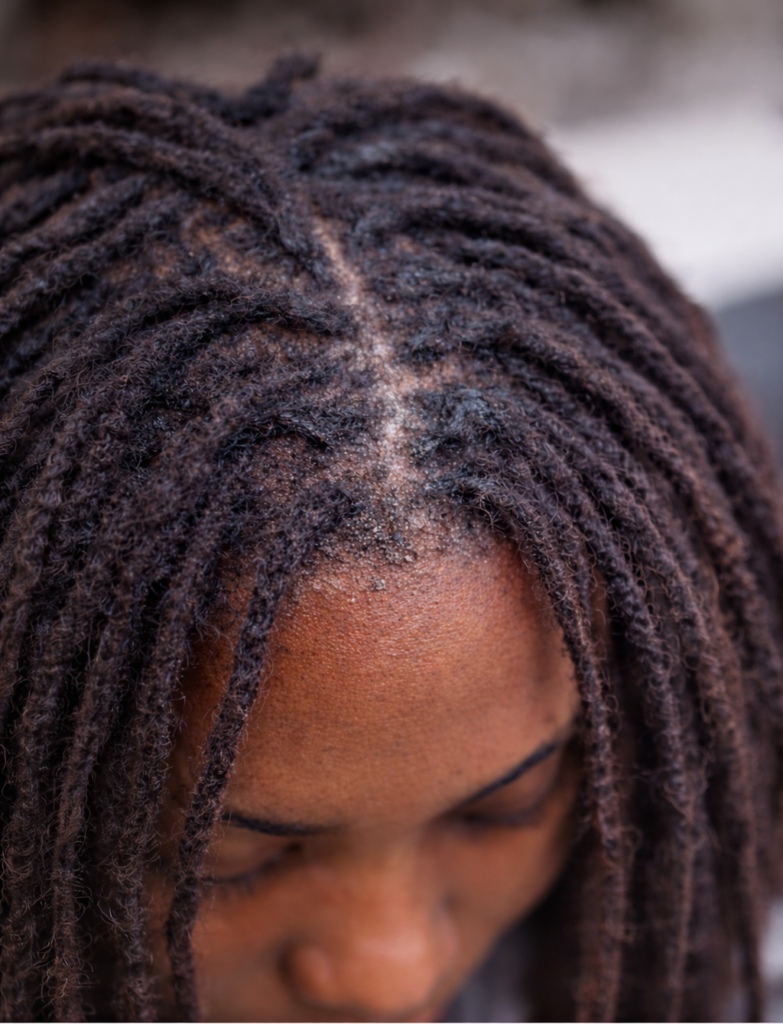
Here are some scalp care mistakes to avoid:
– Ignoring dryness or flaking.
– Allowing product buildup without cleansing.
– Avoiding scalp massages that stimulate growth.
What to do:
– Apply light oils such as jojoba or coconut oil.
– Use residue-free shampoos to prevent buildup.
– Massage the scalp regularly to improve blood circulation.
Bonus Tip: Healthy locs start at the scalp. Regular scalp care prevents itching, dandruff, and hair loss.
Please read these later: How to care for your locs the right way. And How to get rid of dandruff in your locs.
5. Using the Wrong Products
Locs are sensitive to heavy or non-natural products. Using the wrong products can lead to buildup, slow locking, and unpleasant odours.
Common product mistakes include:
– Applying waxes or heavy gels.
– Using conditioners with silicones or sulfates.
– Experimenting with too many new products at once.
Here are 23 things you should never do to your locs.
Here are some recommendations:
– Lightweight oils (jojoba, argan, coconut).
– Residue-free shampoos.
– Aloe vera gel for natural hold without buildup.
Bonus Tip: When it comes to loc maintenance, less is more. Stick to light, natural products and avoid anything that leaves residue.
This is how you can get rid of lints in your locs.
6. Washing Locs Incorrectly
It’s no cliche that proper washing is essential for loc health. Sadly, many new loc wearers wash wrongly by either over-washing or skipping washing their locs entirely.
Here are some common washing mistakes to avoid:
– Using harsh shampoos that strip locs of their natural oils.
– Over-washing, thereby leading to dryness.
– Rough handling that causes loc unraveling or breakage.
Here are some proper washing techniques:
– Wet locs thoroughly before applying shampoo.
– Focus on the scalp rather than the length of locs.
– Rinse thoroughly to remove all residue.
– Squeeze locs gently instead of rubbing.
Bonus Tip: Wash locs every 1–2 weeks (depending on your lifestyle or how oily your scalp is). Always be gentle to avoid frizz and weak spots.
MUST READ: How to care for your Locs the right way: A complete guide for healthy, long lasting locs.
7. Ignoring Maintenance Schedule
Maintenance is key, especially as locs mature. Neglecting regular upkeep can result in uneven, messy locs.
Here are some common maintenance mistakes to avoid:
– Skipping retwisting sessions.
– Ignoring new growth at the roots.
– Forgetting to separate locs that have fused together.
Tips for effective loc maintenance:
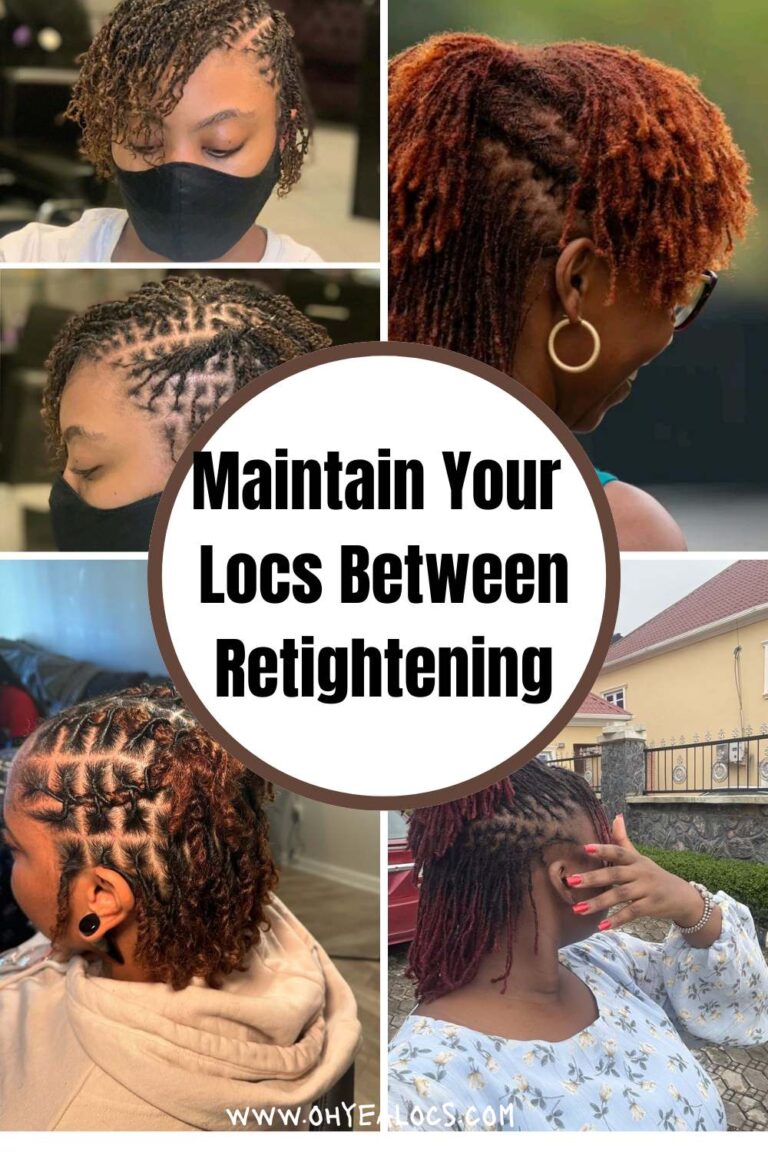
– Set a manageable schedule for retwisting (every 4–6 weeks).
– Keep locs moisturized between sessions.
– Check for and fix locs that are merging or thinning.
Bonus Tip: Consistent maintenance ensures locs stay neat, strong, and uniform.
Please read: 10 things I wish I knew before starting my locs.
8. Tight Styling That Causes Tension
One of the perks of growing locs is being able to wear locs in different styles. However, tight hairstyles can cause long-term damage if not done carefully.
Here are some common tension-causing styles to avoid:
– Tight ponytails or buns.
– Braids or cornrows with excessive pulling.
Consequences of tight styling include:
– Traction alopecia (hair loss at the roots).
– Thinning edges and breakage.
Here are some safer styling alternatives:
– Loose buns or ponytails.
– Soft headbands or hair ties.
– Protective styles that don’t stress the scalp.
Bonus Tip: Avoid styles that pull too tightly on roots; your locs will thank you for gentle styling.
Pin this for later: 15 easy ways to style your locs – No accessories needed.
9. Expecting Instant Results
This might seem odd in the list but the fact remains that one of the commonest issues locs starters have is impatience. They tend to forget that locs take time to mature, and each head of hair locks differently.
Here are some mistakes to avoid:
– Comparing your locs to others.
– Retwisting too frequently out of frustration.
Here is a realistic timeline to help:
– New locs take 6–12 months.
– Mature locs often take 1–2 years (depending on hair type and maintenance.)
Bonus Tip: Embrace the journey. Healthy, strong locs require patience and consistent care.
10. Lack of Research/Adequate Knowledge about Locs
Inability to invest time in learning how locs work before getting started often leads to avoidable mistakes. No thanks to all the myths and misconceptions out there about locs.
Here are some mistakes to avoid:
– Following trends blindly.
– Ignoring advice from experienced loc wearers.
Here are some helpful tips for continuous learning:
– Connect with loc communities online or in-person.
– Watch tutorials from reputable stylists.
– Keep experimenting safely and learn from mistakes.
Knowledge is power, they say. Understanding your hair and how locs work ensures you make decisions that protect and strengthen them.
Save this for later: Everything you need to know before getting locs.
Wrapping Up
As exciting as starting a loc journey is, it also requires preparation, patience, and a lot of care – the right way. By avoiding all the common mistakes listed above, you are on the right path towards growing healthy and beautiful locs.
Fulfilling your locs dream is possible, if only you can embrace the process, stay patient, and enjoy the journey while taking it one step at a time.
Frequently Asked Questions:
1. How often should I wash my locs?
Wash every 1–2 weeks, depending on your hair type, lifestyle, and how oily your scalp is. Over-washing can cause dryness, while under-washing may lead to buildup.
2. Can locs be started on damaged hair?
Yes, but not advisable. To make the best locs of your hair, trim split ends, deep condition, and strengthen hair before locking. Damaged hair, if not treated, is more prone to breakage.
3. What’s the best way to moisturize locs?
Use light oils like jojoba, coconut, or argan oil. Spritz locs with water or aloe vera for extra hydration. Avoid heavy waxes that can cause buildup.
4. How long does it take for locs to fully mature?
Depending on hair type and method, locs generally take 1–2 years to fully mature. Be patient and maintain a consistent routine.
5. Can I switch locking methods midway?
Switching methods is possible but not recommended, as it may weaken your locs or disrupt locking. Consult a professional if you want to change your style.
6. Do locs need regular maintenance?
Yes. Locs still require routine care such as washing, moisturising, and occasional retightening or palm rolling. Neglecting maintenance can lead to thinning, breakage, or excessive buildup.
7. Is retightening too often harmful?
Yes. Over-retightening can cause tension, scalp pain, and thinning at the roots. Follow a healthy schedule based on your hair growth and method to avoid long-term damage.
8. Can I use regular hair products on my locs?
Not all products are loc-friendly. Many creams and conditioners leave residue that causes buildup. Always choose lightweight, residue-free products formulated for locs.
9. Why do my locs feel stiff or dry?
Stiffness often comes from product buildup or a lack of moisture. Clarifying washes and proper hydration help restore softness and flexibility.
10. Is it normal for locs to look messy at certain stages?
Yes. The budding and teenage stages can look uneven or frizzy. This is a natural part of the loc journey and not a sign that something is wrong.