Common Locs Problems and How to Fix Them
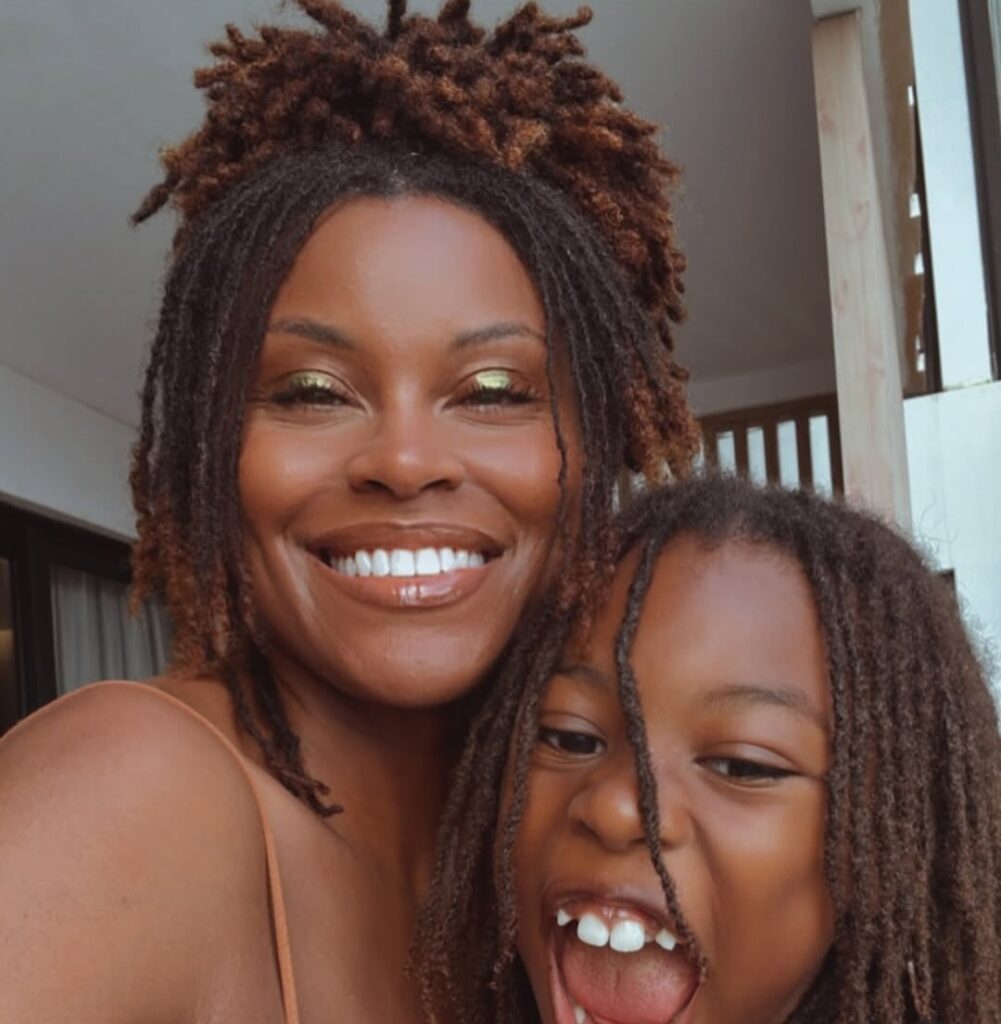
Locs are more than a hairstyle; they’re a journey of many parts. One that represents patience, commitment, and personal expression. While locs can look effortlessly elegant, maintaining them comes with unique challenges. Many who start their loc journey are often taken aback by unexpected issues like dryness, thinning, frizz, scalp irritation, or even locs that just won’t seem to mature.
But here’s the good news: Most loc problems are common, manageable, and entirely fixable. Understanding why they happen and how to address them early can save you time, stress, and potential damage. Whether you’re a beginner struggling with starter locs or someone with mature locs facing new challenges, knowing how to respond to these issues is key to keeping your locs healthy, strong, and beautiful.
see this: 10 things you should NEVER do to your starter locs. and also: 15 easy ways to style your locs.
In this article, we’ll explore the most common loc problems, explain why they happen, and share practical tips to fix them – so you can embrace your loc journey with confidence.
Let’s dive right in!
Common Locs Problems and How to Fix Them
1. Dry Locs and Brittle Hair
Dryness is perhaps the most common issue among people with locs. Because locs are compacted strands, moisture doesn’t travel as easily along the hair shaft as it does in loose hair. This often results in locs that feel stiff, rough, or brittle.
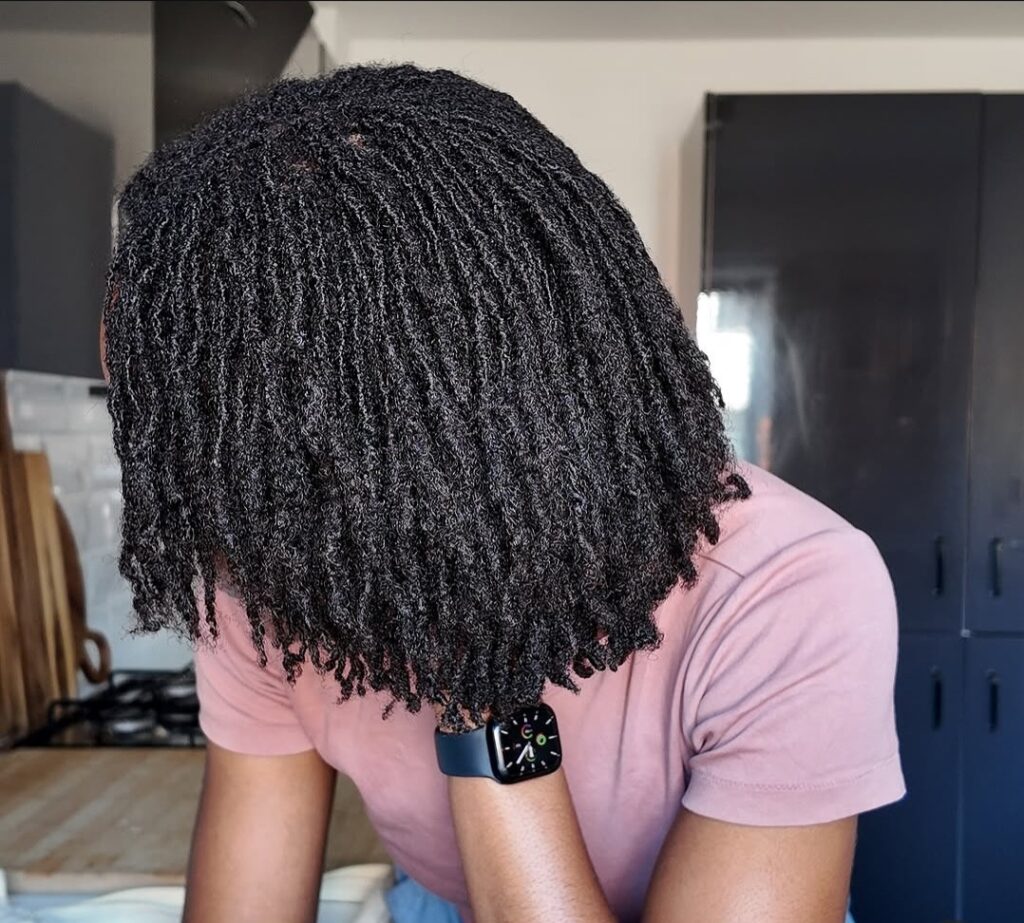
Dry locs can also be caused by infrequent moisturising, harsh weather, over-washing, or the use of products that strip them of natural oils. If not addressed, dryness can lead to breakage and thinning.
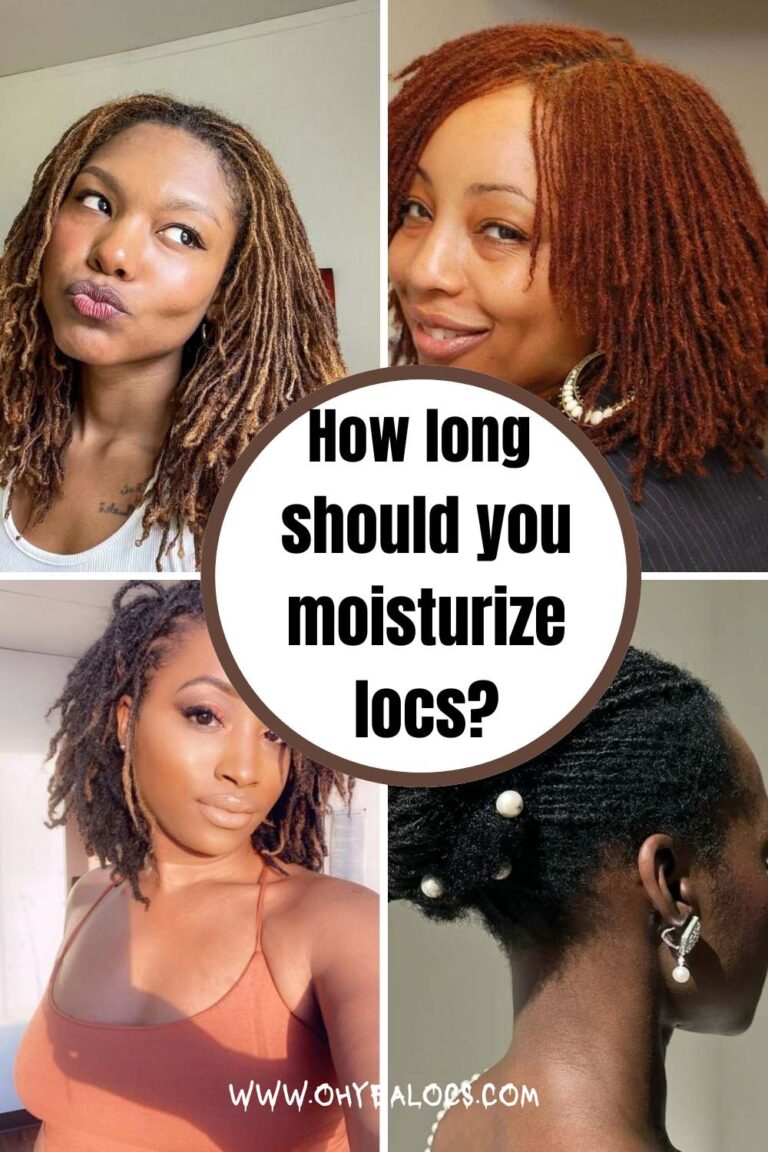
To fix dry locs, focus on hydration. Yes, hydration. Water-based sprays or mists are essential – as water is the primary source of moisture for locs. Oils such as jojoba, coconut, or argan oil can be applied lightly to seal in moisture but should never replace water.
Also, nighttime protective routines – like wearing a satin scarf or bonnet, and avoiding excessive heat – will help maintain moisture and reduce brittleness.
You might also love: How to care for your locs the right way
2. Product Buildup in Locs
Many loc wearers don’t know that using too many products does more harm than good to their locs. Creams, waxes, and gels may promise neatness, shine, or hold, but they can get trapped inside your locs, leading to residue and dullness.
Buildup often manifests as greyish, heavy, or sticky locs. Beyond the aesthetic damage, it can also cause scalp irritation and even unpleasant odours if left untreated.
The remedy is occasional deep cleansing. Clarifying shampoos or detox treatments can remove residue that regular washing cannot. To get rid of build-ups, ensure your locs are rinsed thoroughly, and allow them to dry completely to prevent mildew or odour.
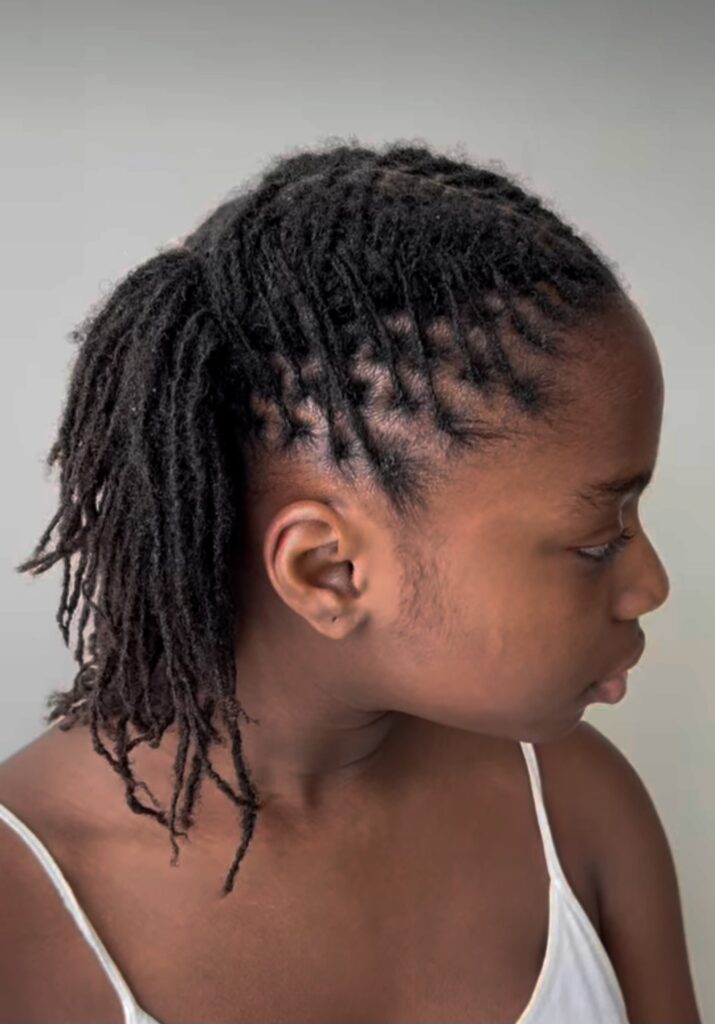
You might want to see this: 23 things you should never do to your locs
Moving forward, simplify your product routine and choose residue-free options to avoid future buildup.
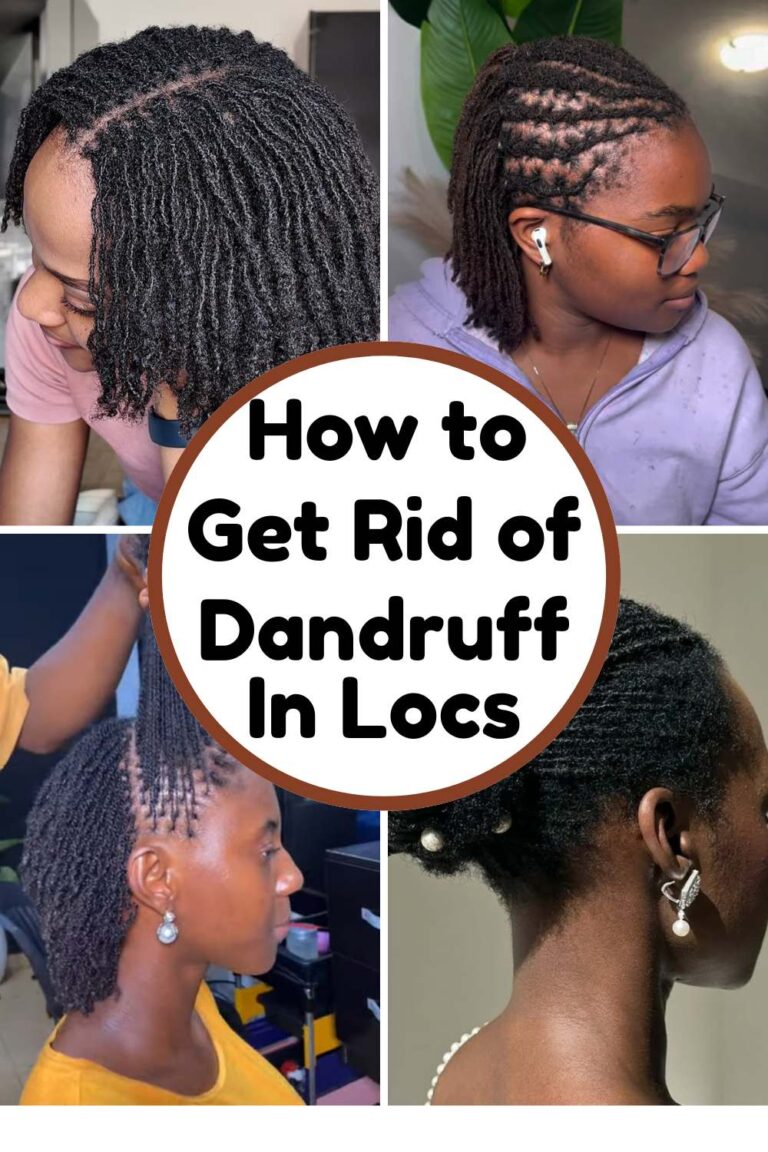
Save this for later: how to get rid of dandruff in your locs.
3. Itchy or Flaky Scalp
If you have ever had an itchy scalp, you would agree with me that it can make loc maintenance uncomfortable and frustrating. Even though scratching may provide temporary relief, it often worsens the issue, causing irritation or small abrasions.
Itching or flaking can be caused by dry scalp, dandruff, product sensitivity, poor washing habits, or stress. Sometimes, underlying scalp conditions could be the culprit.
To reduce itching, start with gentle cleansing and light scalp massages to improve circulation. Natural oils like tea tree, jojoba, or peppermint can soothe dryness and irritation. If dandruff is present, medicated shampoos may be necessary.
This guides explains it better: how to care for your locs the right way
However, avoid piling heavy products onto your scalp, and always ensure your hair dries completely after washing. Persistent problems should be evaluated by a professional to prevent long-term damage.
4. Thinning Locs
Thinning locs can be alarming, particularly when they occur at the roots.
Over-retightening, tension from hairstyles, weak hair, or even stress can contribute to this problem. Excessive retightening or styles that pull tightly on the scalp weaken the hair over time. Thinning can also appear as loss along the shaft due to brittle hair or breakage.
To address thinning locs, reduce retightening frequency, and loosen tight styles. In some cases, thinning locs can be restored through techniques like combining locs or careful repair.
This guides explains it better: 23 things you should never do to your locs
However, supporting hair health with proper nutrition, hydration, and scalp care is crucial for recovery.
5. Locs Unravelling
Unravelling of locs – especially starter locs or hair with softer textures – is common and can raise concerns. Unravelling often occurs after washing, sweating, or excessive manipulation.
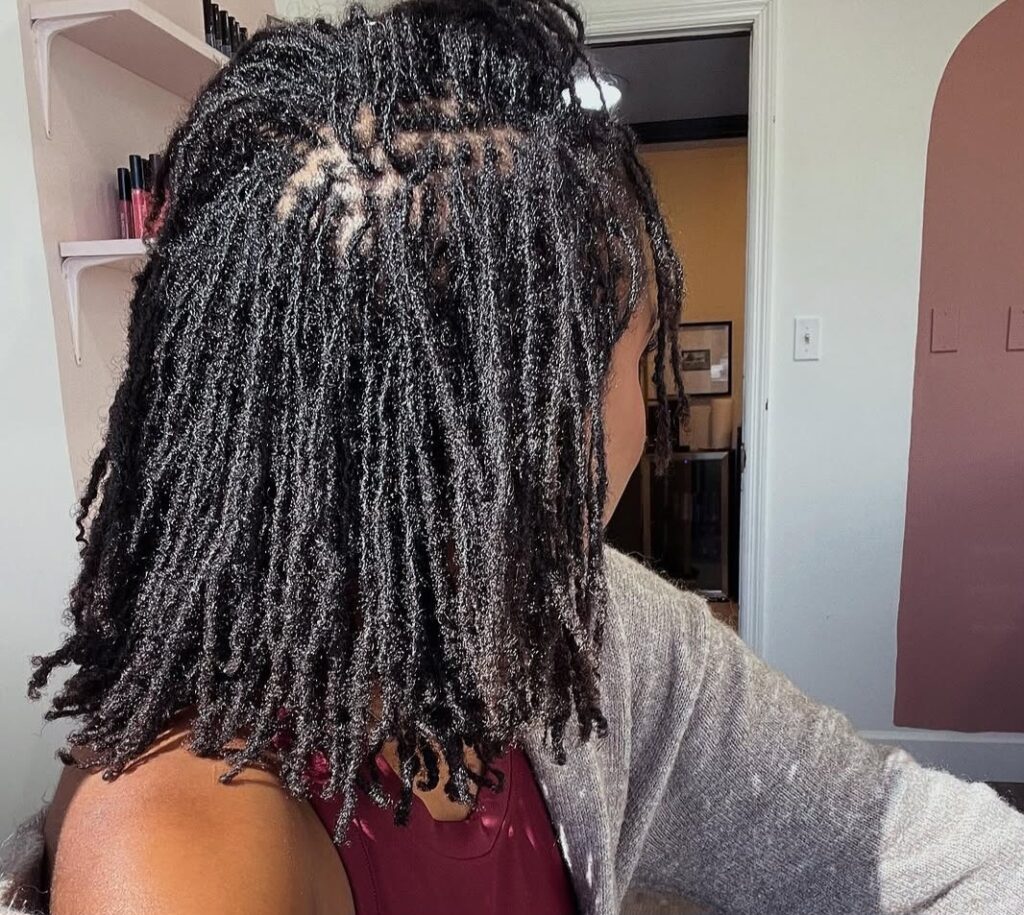
Even though unraveling isn’t pleasant, it does not signify failure. Early-stage locs are still in the process of forming and matting, so some loosening is normal.
Go back to this: How to care for your locs the right way
Managing unravelling requires gentle techniques. Palm rolling or retwisting (depending on your loc method) helps keep the loc neat while encouraging formation. Also, protective styles and reduced manipulation allow hair to mat naturally over time. Exercising patience to see your loc mature will also make the journey less frustrating.
6. Slow Locking or Delayed Maturity
It’s no rocket science that some locs mature quickly while others take longer to fully lock: hair texture, density, washing habits, and product use all influence the pace of maturation. Attempting to speed up the process by over-twisting or using sticky products can backfire – causing buildup and weakening locs.
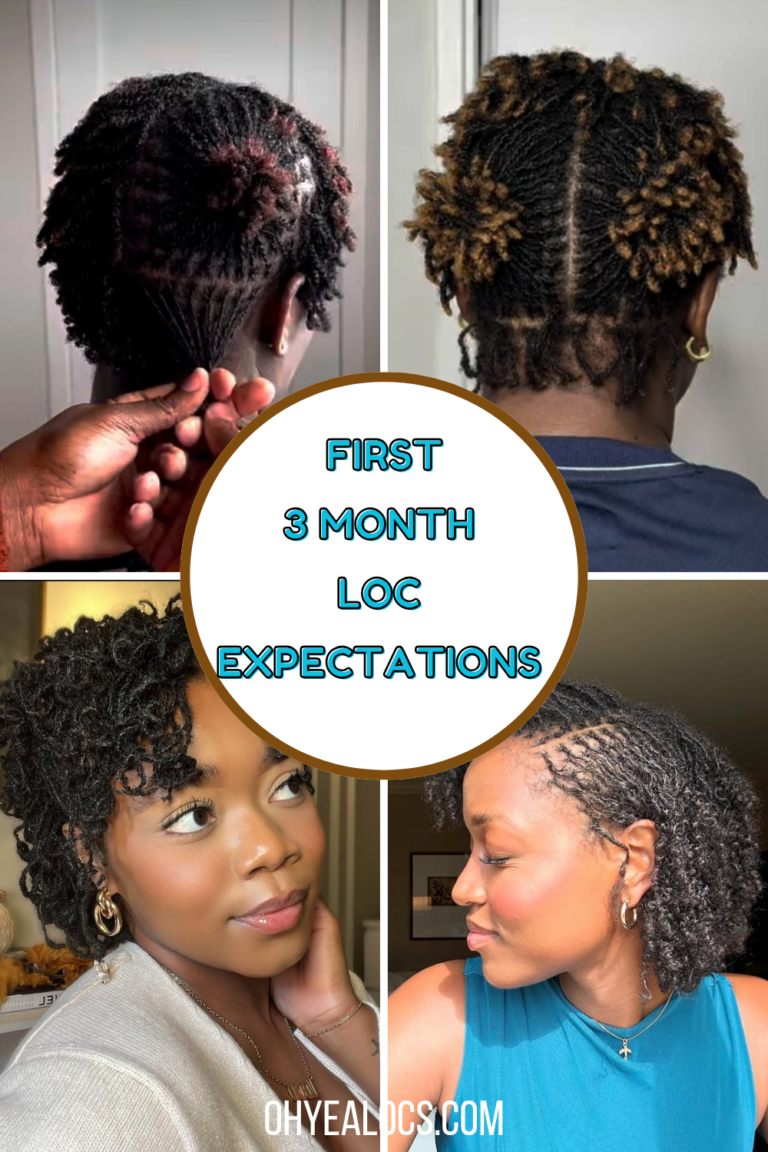
This guides explains it better: what to expect in the first 3 months of your locs journey
The best approach is restraint. Wash regularly, maintain minimal product use, and allow your hair to mature naturally. Trust the process; healthy locs will develop over time without unnecessary interference.
7. Frizz and Fuzzy Locs
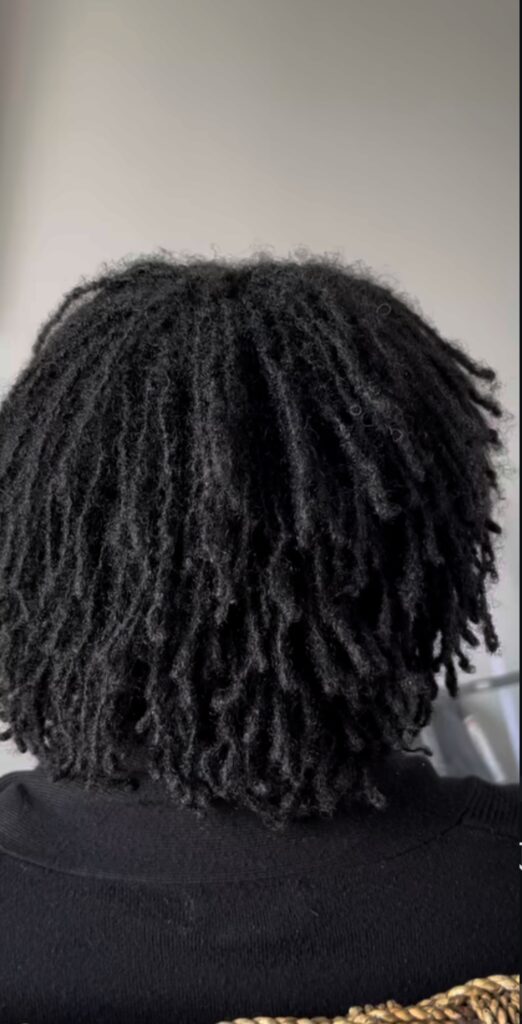
Frizz is often seen as a problem whereas it is a natural part of the loc journey. New growth, humidity, and movement all contribute to fuzziness.
While excessive frizz can be managed, attempting to completely eliminate it through over-manipulation can weaken locs. Light palm rolling, gentle retwisting, and protective styles help manage frizz without causing damage. Also, accepting a degree of fuzz is part of embracing healthy locs.
I broke this down fully here: How to care for your locs the right way and also here: 23 things you should never do to your locs
8. Breakage and Shedding
Hair shedding is normal, but when locs break excessively, it signals a problem. Breakage can result from dryness, tension, poor diet, or excessive styling.
To reduce breakage, maintain proper moisture, avoid over-retightening, and treat your locs gently. Balanced nutrition, regular hydration, and avoiding harsh chemicals also strengthen hair and reduce shedding.
Locs care guides you’ll love: how to care for your locs the right way
9. Flat or Misshapen Locs
Locs can lose their shape due to sleeping positions, hairstyles, or manipulation. Flat or uneven locs can feel frustrating, especially when they detract from an otherwise neat appearance.
The good news is that reshaping locs gently through palm rolling or carefully applied twisting techniques can restore roundness.
Avoid pressing, rolling aggressively, or using heavy products that alter locs shape long-term. Preventive care includes using silk or satin scarves at night and being mindful of tension when styling.
This will help you avoid mistakes: 15 ways to maintain your locs in winter , and also check: 15 ways to style your locs – no accessories
10. Weak Roots or Loose Bases

Weak roots or loose bases often result from over-retightening, the natural growth pattern, or improper maintenance. They can compromise the integrity of locs over time.
Reinforcing weak roots requires gentle care: reduce tension, apply strengthening treatments if needed, and ensure consistent moisture. Also, avoid styles that pull excessively on roots, and allow hair to rest between retightening sessions.
11. Lint and Debris in Locs
Lint, dust, or other debris can get trapped in locs, particularly in textured hair or in locs that are dry and rough.
Removing debris safely involves careful picking, washing, and occasionally using a fine-toothed comb on the surface without disturbing the loc structure. Preventive measures include wearing protective styles, covering hair when possible, and keeping locs clean and moisturised.
Learn more: 15 ways to protect your locs in summer.
12. Scalp Odour
Of all the problems associated with locs, this seems to be the trickiest. The reason is that one can have a smelly scalp without even knowing. You know how we tend to be so familiar with our own body smell that we might not know when something is off.
When it comes to locs, unpleasant odour is often caused by trapped sweat, product buildup, or insufficient drying after washing.
Learn more here: how to care for your locs the right way
To prevent and remedy odour, ensure thorough cleansing and complete drying. Using natural anti-bacterial oils like tea tree or peppermint can help maintain a fresh scalp. Avoid heavy, greasy products that can trap odour, and stay consistent with your washing routine.
Wrapping Up
As you can see, maintaining locs requires a balance of patience, care, and consistency. While the issues discussed – dryness, thinning, frizz, scalp problems, and more – can feel overwhelming at first, they are all part of the natural loc journey. Thankfully, many loc problems are preventable or correctable with simple, informed practices.
Healthy locs begin with a healthy scalp, regular hydration, gentle manipulation, and proper maintenance habits. When you understand your hair’s needs and respond carefully, it will not only survive challenges, it will also thrive beautifully.
Your loc journey is unique so embrace it with patience and care, and watch your locs reward you with strength, beauty, and longevity.
I shared more tips on this post: Common locs problems and how to fix them
Frequently Asked Questions
1. How often should I wash my locs?
Washing depends on your hair type and lifestyle, but generally, every 1–2 weeks is ideal. Overwashing can dry out locs, while under-washing can cause buildup and odour.
2. My locs are itchy, what can I do?
Itchiness often comes from dryness or product buildup. Use a light, natural oil like jojoba or coconut oil on your scalp, and make sure to rinse out shampoos thoroughly.
3. How do I prevent locs from thinning at the edges?
Avoid tight hairstyles and frequent retwisting, as they stress the roots. Regularly moisturize your edges and handle them gently when styling.
4. What should I do if my locs are developing a bad smell?
Smell usually comes from buildup or trapped moisture. Wash with a residue-free shampoo, rinse well, and ensure locs dry completely after washing.
5. How can I fix locs that are unraveling?
Re-twist or palm-roll the loose locs gently. For severely unraveled locs, consider professional maintenance to avoid breakage.
6. My locs are brittle and breaking, how can I restore them?
Focus on hydration and protein balance. Use deep conditioning treatments, natural oils, and avoid harsh chemicals or excessive heat.
7. What causes white residue or buildup in locs?
Residue comes from heavy products, hard water, or dry shampoos. Use light, residue-free products and clarify locs occasionally with apple cider vinegar or a residue-removing shampoo.
8. How do I manage new growth that is frizzy or loose?
Regular retwisting or palm-rolling helps. You can also use a light gel or natural wax to keep new growth neat without causing buildup.
9. Can locs shrink over time?
Yes, locs naturally shrink as they mature. This is called “retirement shrinkage.” Proper moisturizing and gentle stretching can manage shrinkage without damaging locs.
10. When should I see a professional loctician?
If locs are excessively thinning, breaking, severely matted, or developing a persistent odor, it’s best to consult a professional to prevent long-term damage.
More post you will love: Everything you need to know before starting your locs journey