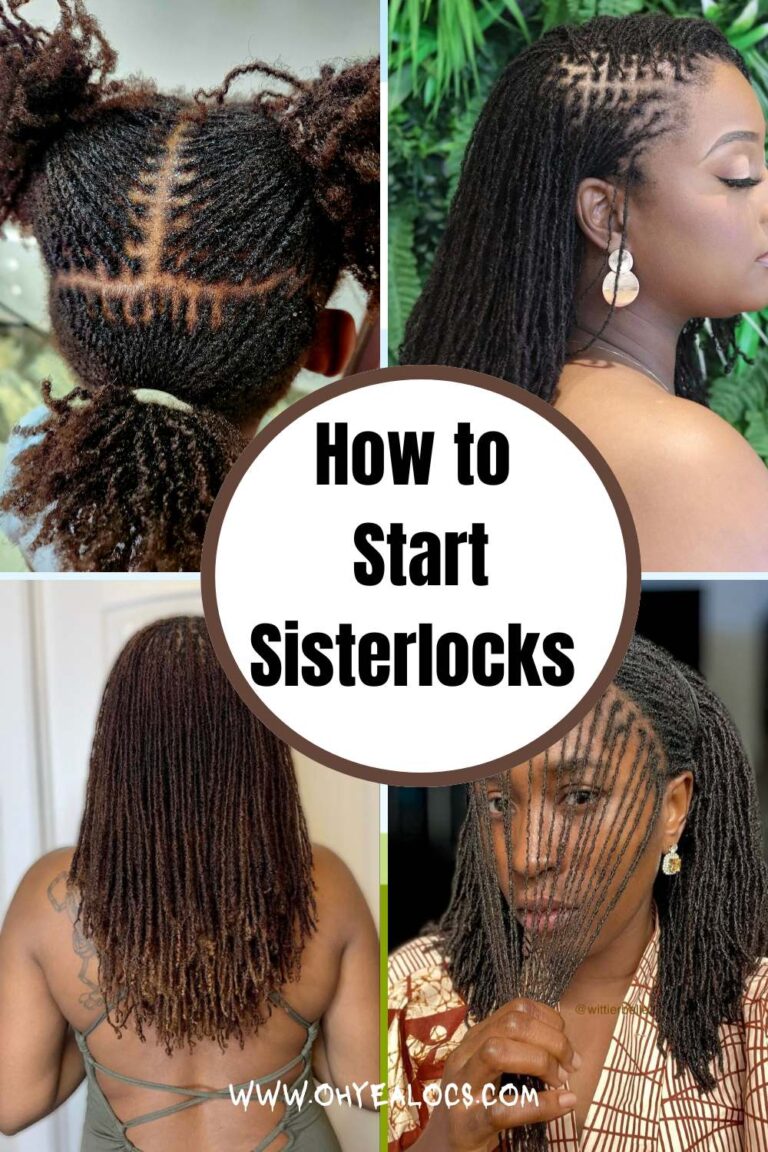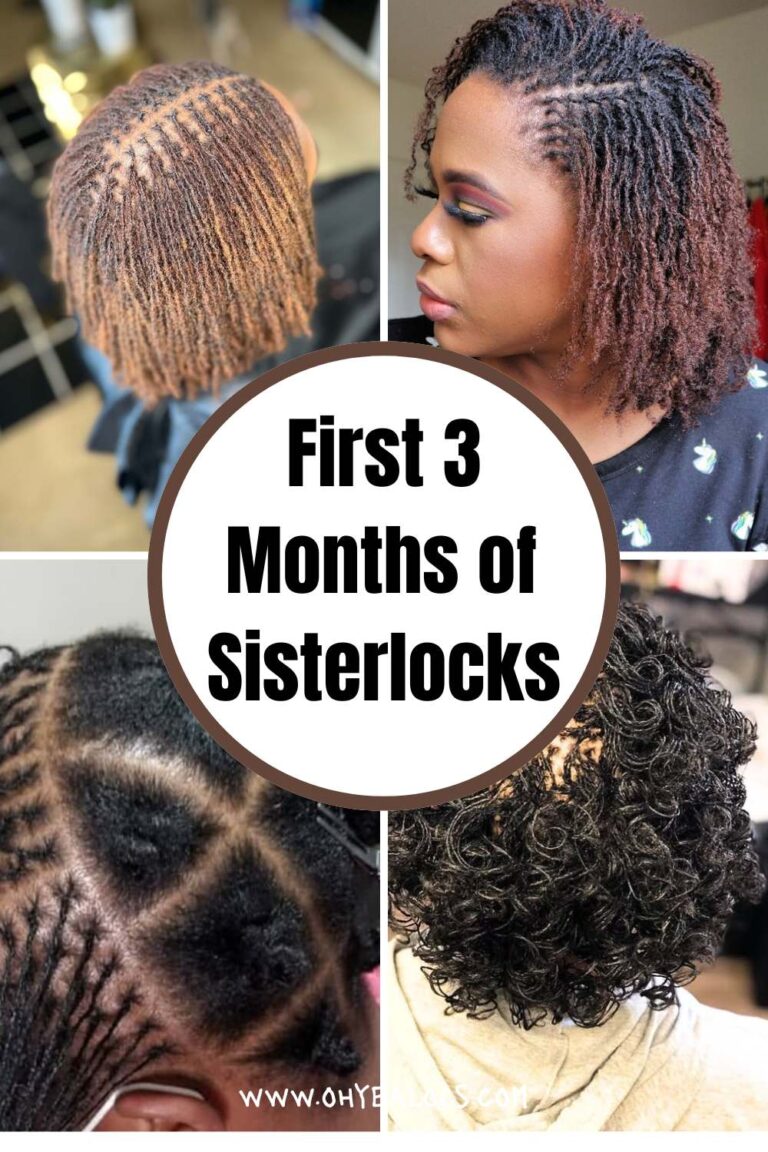
Best Starter Loc Method for Soft Hair
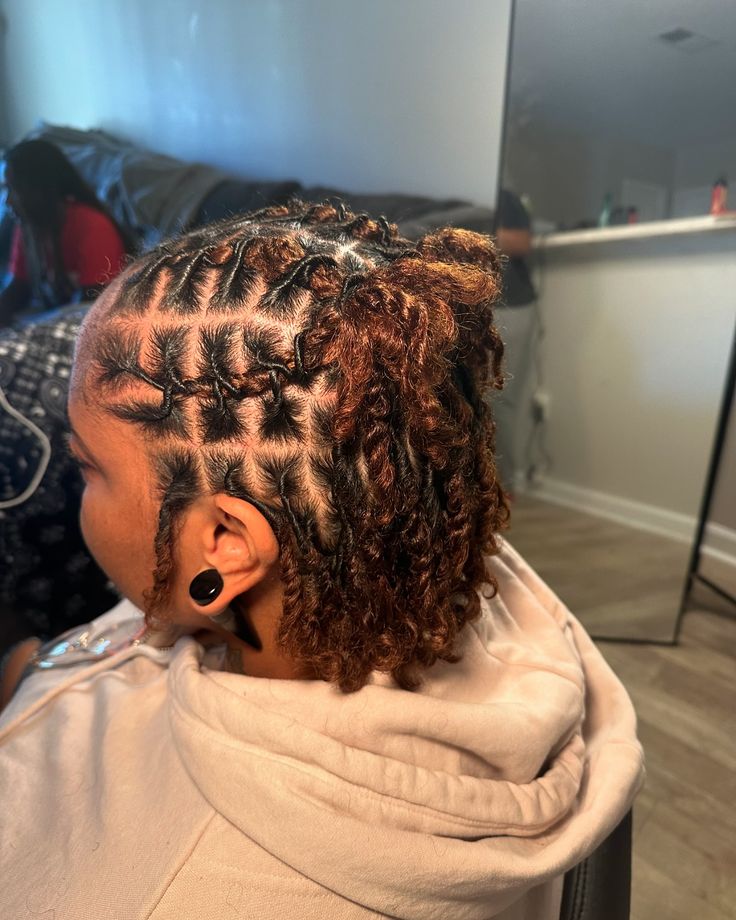
Starting locs on soft hair can feel tricky. Unlike coarse or kinky hair, soft hair is fine, delicate, and prone to unraveling. The wrong starter method can make your hair look messy, cause breakage, or even slow down the locking process.
But here’s the good news: with the right approach, soft hair can lock beautifully and thrive. In this guide, we’ll explore the best starter loc methods for soft hair, what to expect in the first 90 days, and how to care for your locs so they mature healthily.
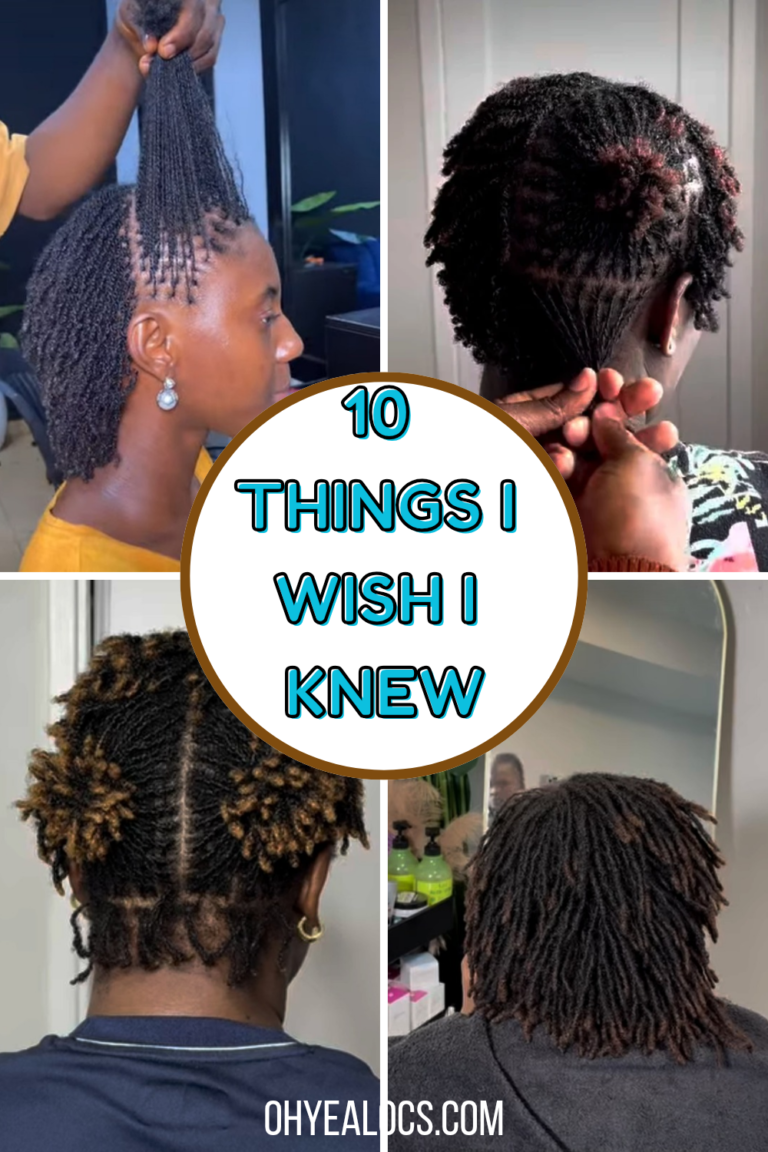
Pin this guide: 10 Things You Should Never Do to Your Starter Locs
Understanding Soft Hair
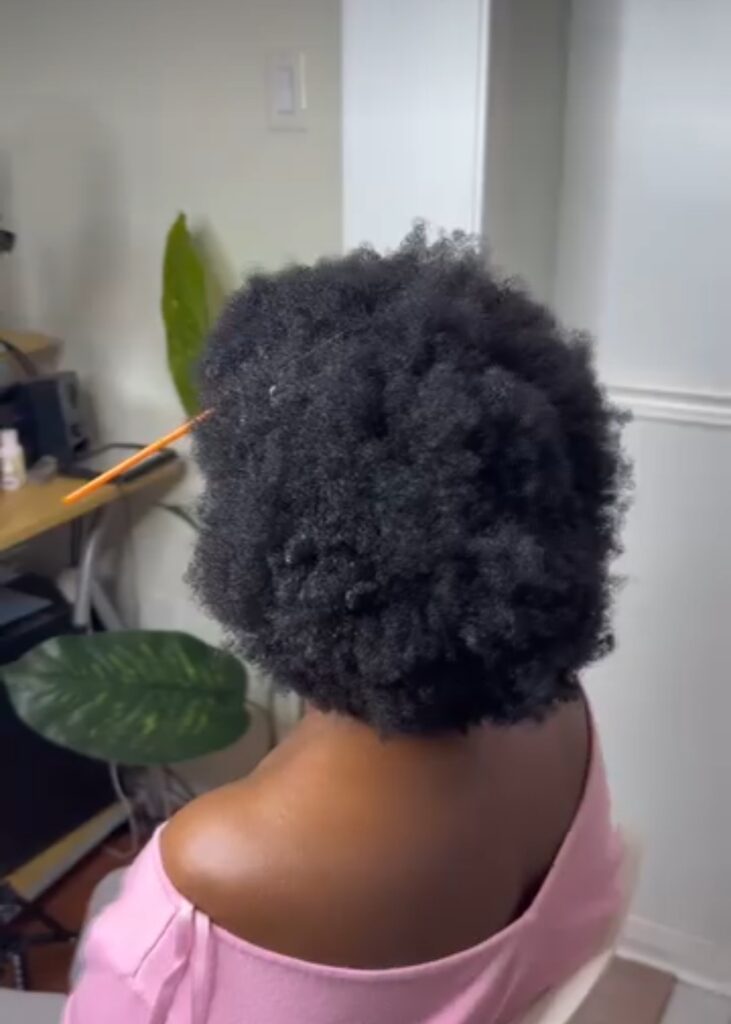
Soft hair is usually fine, silky, and low in density. While this makes it easy to style and manage, it also comes with unique challenges during the locking process.
Here are some of the challenges:
•Unraveling: Fine strands tend to slip out of twists or coils more easily.
•Slower budding: Soft hair may take longer to form the small knots at the root that lead to mature locs.
•Breakage: Over-manipulation, tight coils, or heavy products can stress soft hair.
Knowing your hair type is the first step in picking the starter method that works best. It’s not about which method is “fastest,” but which one will allow your hair to lock safely and beautifully.
Come back to this: How to prepare your hair before locking
How Hair Texture Affects Locking
Hair texture plays a major role in the speed and pattern of locking in these ways:
•Soft hair tends to be more slippery, so it forms knots more slowly than coarse or kinky hair.
•Coarse hair has more natural friction, so locs often form faster.
•Fine or soft hair may take extra time in the early stages to bud and mat properly.
See this: Different methods of starting locs
These explain why two people using the same starter method can see different results. Hair texture, density, and porosity go a long way to determine how they finally lock.
Understanding these differences helps set realistic expectations and prevents unnecessary frustration.
Now, let’s run through different loc starter methods to better understand why some of them may not be suitable for soft hair.
Save this guide: How to prepare your hair before locking: The Ultimate guide
Starter Loc Methods Overview
•Two-Strand Twists: Hair is divided into sections and twisted in pairs.
•Finger Coils: Small sections are coiled around the finger to create tight spirals.
•Interlocking: A tool is used to pull hair through the base of the loc for a firmer hold.
•Comb Coils: Hair is twisted with a comb to create neat spiral coils.
•Freeform / Semi-Freeform: Hair is left mostly untouched to lock naturally.
While all these methods can work, merely looking at them, one can almost tell the ones that will yield better results with soft hair.\
More on starter locs: 10 things you should never do to your starter locs
Best Starter Methods for Soft Hair
•Two-Strand Twists
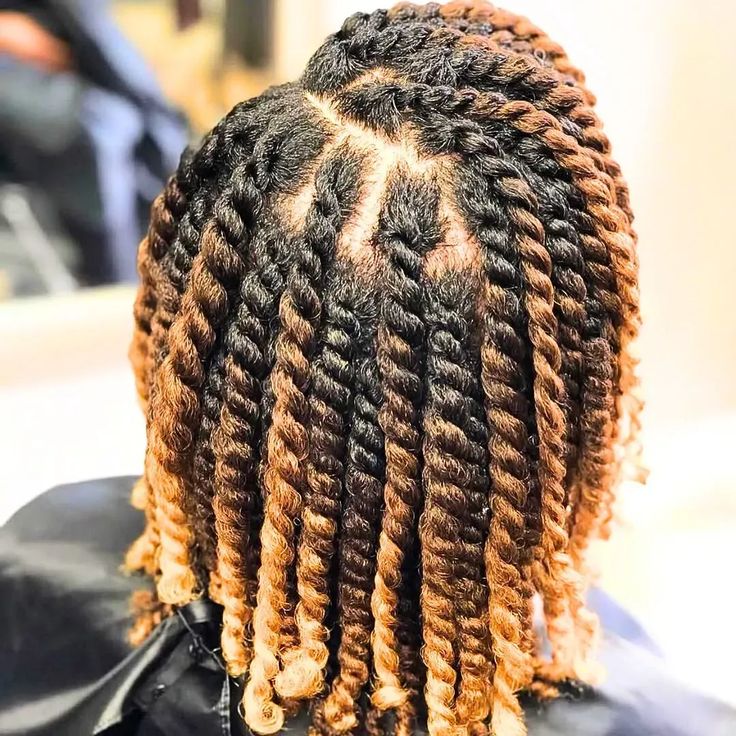
Two-strand twists are gentle and easy to do at home. They define sections and provide structure without putting too much stress on soft hair.
Pros:
-Gentle on fine strands.
-Easy to maintain.
-Good for longer hair.
Cons:
-May unravel if hair is very soft or short.
-Requires occasional retwisting to maintain neatness.
•Finger Coils
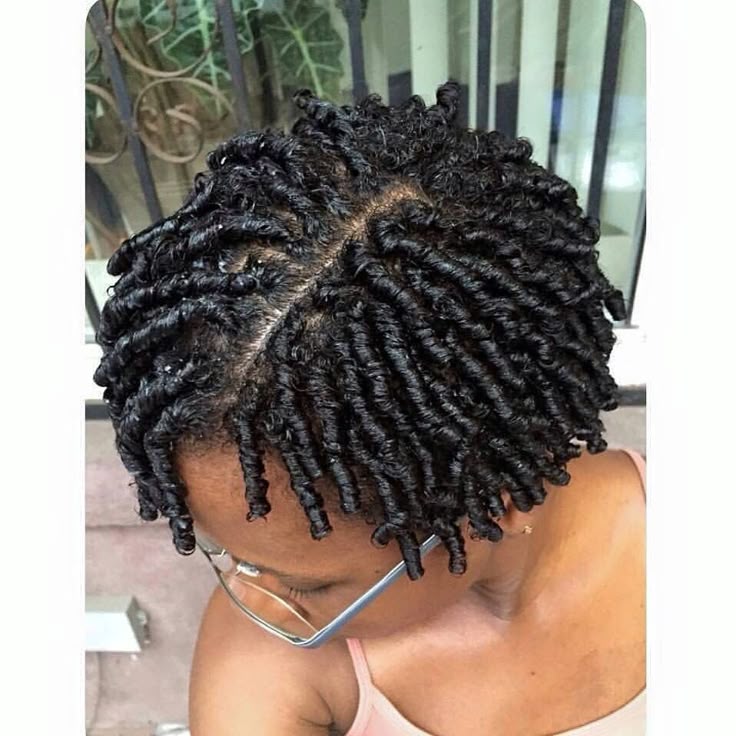
Finger coils are great for soft hair, especially for shorter lengths. Each strand is twisted around the finger to form tight spirals that act as starter locs.
Pros:
-Provides excellent definitions.
-Works well for very short or fine hair.
Cons:
-Time-consuming.
-May require patience for uniform results.
•Interlocking
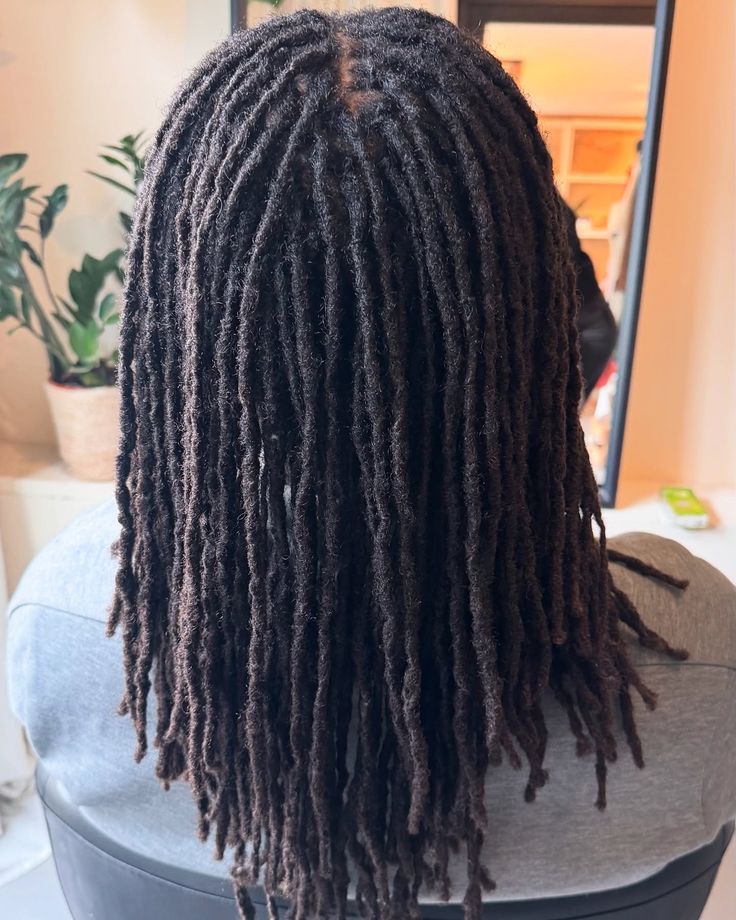
Interlocking involves pulling the hair through the base of the loc with a tool. This method keeps soft hair secure and reduces the chances of unraveling.
Pros:
-Holds locs tightly, ideal for soft hair.
-Reduces frizz.
Cons:
-Can thin hair if done incorrectly.
-Often best done by a professional.
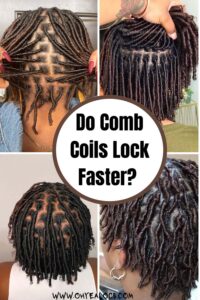
•Comb Coils
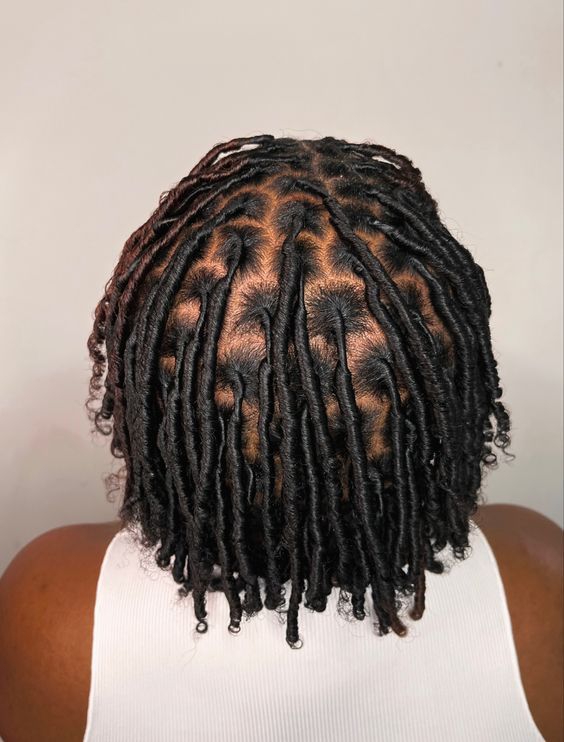
Comb coils create neat spiral sections with a comb, giving instant structure. Soft hair can be neatly made with this but with caution.
Pros:
-Immediate polished appearance.
-Sections stay defined.
Cons:
-Can be too tight for delicate strands.
-Risk of breakage if overdone.
Save this guide: Do Comb Coils Lock Faster? Honest Truth from the First 90 Days
•Freeform / Semi-Freeform

This method allows hair to lock naturally with minimal manipulation. It is slow to mature in soft hair but requires low-maintenance.
Pros:
•Requires very little manipulation thus reducing breakage.
•Hair locks naturally.
Cons:
•Budding may take longer.
•Initial look may be uneven.
Moving on, let’s talk about what the locking experience looks like with soft hair.
First 90 Days: What to Expect on Starter Loc with Soft Hair
The first three months are critical in setting the foundation for healthy locs. Soft hair may behave differently from coarse hair, so patience is essential.
•Days 1–30: Hair may appear neat immediately, but small unraveling is normal. You might see some sections slip out of twists or coils, giving the illusion that nothing is happening.
•Days 31–60: Budding begins. Frizz may increase, you will also notice that some sections lock faster than others. Don’t worry. This is just a natural part of the process.
•Days 61–90: True loc formation begins at this stage. Roots start to tighten, you begin to notice small knots, and hair starts holding its structure more consistently.
Here are some tips to help:
-Avoid over-manipulation; gentle handling is key.
-Moisturize lightly to prevent breakage.
-Protect your hair at night with a satin bonnet or pillowcase.
Read this guide: What to expect in the first 3 months of your locs journey
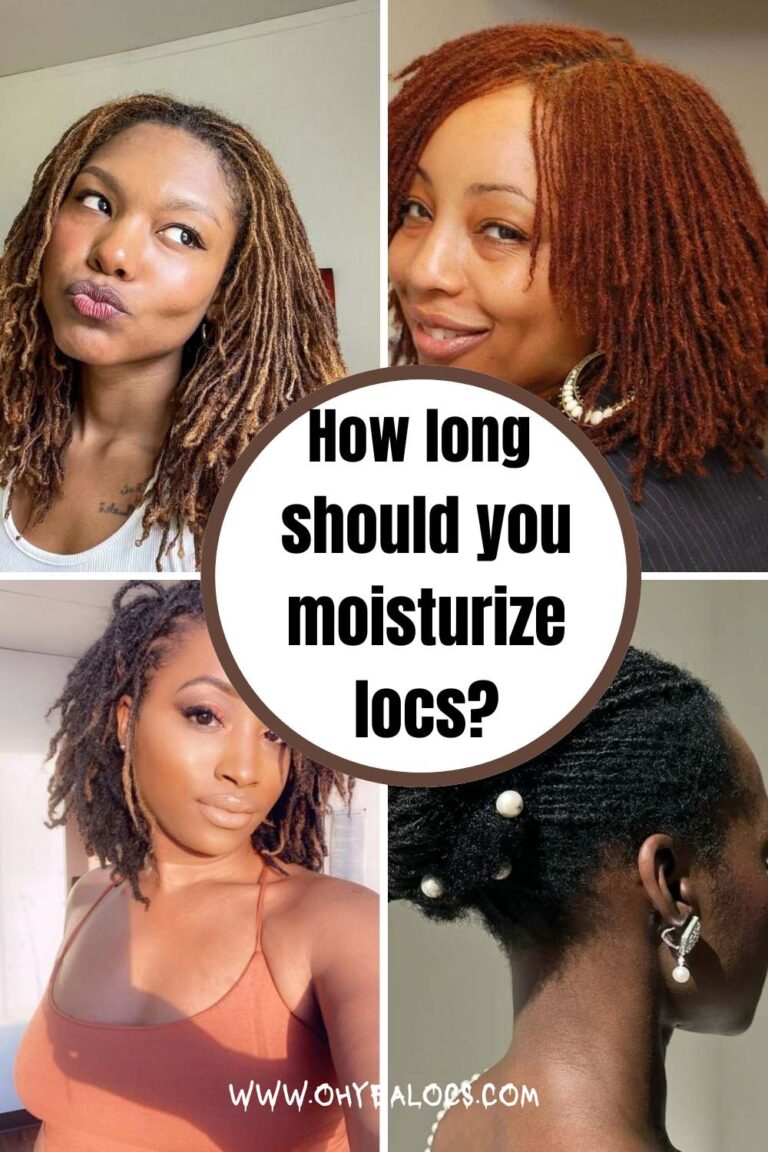
Washing, Moisturizing, and Care Tips
As mentioned earlier, soft hair requires extra care in the early stages to ensure healthy locs.
Here is how to wash safely:
-Every 1–2 weeks is usually sufficient.
-Use a gentle, residue-free shampoo to avoid buildup.
For effective moisturizing, do these:
-Use light oils like jojoba or coconut prevent breakage.
-Avoid heavy creams that weigh down fine strands.
Protective measures to help:
-Cover hair at night with a satin scarf or bonnet.
-Avoid over-retwisting or tightening sections.
Proper care ensures your soft hair locks without damage and promotes healthy growth over time.
More on the topic: How to care for your locs the right way
Common Mistakes to Avoid:
-Over-manipulating hair in the first 90 days.
-Using heavy gels or creams that can weigh hair down.
-Starting locs too early on very short or fragile hair.
-Comparing your timeline to others; soft hair has its own rhythm.
Learn more from thus guide: Common mistakes to avoid when starting locs
DIY vs Professional Starter Locs
Soft hair can be started at home, but some methods would require professional guidance.
Even though DIY is cost-effective and
convenient, it’s not without a few cons: Uniform results may be hard to achieve and risks overtightening hair.
Working with a professional guarantees precision in sectioning and method. It also reduces the risk of thinning or breakage.
As helpful as getting professional service is, it also comes with some disadvantages:
It’s costlier and requires scheduling appointments.
For beginners, DIY methods like two-strand twists or finger coils are often sufficient, provided you’re gentle and patient and you can manage your expectations.
Final thoughts
Soft hair can lock beautifully with the right starter method, care, and patience. The key is choosing a method that works with your hair type, protecting your strands, and allowing the natural locking process to unfold. Two-strand twists, finger coils, and interlocking are generally the most effective for soft hair, while freeform methods can also work with extra patience.
Always remember that even though neatness is great, healthy, well-maintained locs are better. Embrace the journey, and your soft hair will reward you with strong, mature locs over time.
Here are intelligent, value-adding FAQs that complement the article without repeating what’s already been explained. They anticipate real reader concerns and help position the piece as thorough and authoritative.
Bookmark this: How to start your locs journey the right way
Frequently Asked Questions (FAQs)
1. Can soft hair ever loc as thick and full as coarse hair?
Yes, but the fullness may look different. Soft hair locs tend to appear slimmer in the early stages and gradually thicken as internal matting increases. Density, section size, and maintenance habits play a bigger role in final thickness than texture alone.
2. Does hair porosity matter when starting locs on soft hair?
Absolutely. Soft hair with low porosity may resist moisture and take longer to lock, while high-porosity soft hair may lock faster but needs more strengthening care. Understanding porosity helps you adjust your moisturizing and washing routine effectively.
3. Is it better to start locs on stretched or shrunken soft hair?
Starting on lightly stretched hair (through banding or air-dry stretching) helps create cleaner sections and reduces tension. However, excessive stretching methods that apply heat can weaken fine strands and should be avoided.
4. How often should soft hair starter locs be retightened or retwisted?
Less is more. Retightening or retwisting every 4–6 weeks is usually sufficient. Too much manipulation can cause thinning, especially around the roots where soft hair is most vulnerable.
5. Can soft hair starter locs handle swimming or sweating early on?
Yes, but protection is key. Rinsing hair immediately after swimming or heavy sweating and keeping the scalp clean prevents buildup. A breathable head covering can help reduce friction and frizz during workouts.
6. Will colour-treated or relaxed soft hair loc properly?
Chemically treated soft hair can loc, but it requires extra care. Weakened strands are more prone to breakage, so gentle starter methods and minimal manipulation are crucial. Transitioning hair may benefit from professional guidance.
7. Why do some soft hair locs grow unevenly at the beginning?
Uneven growth is normal and often temporary. Different sections respond differently based on density, scalp tension, and natural growth patterns. Over time, maturation evens out most inconsistencies.
8. Should soft hair starter locs be re-sectioned if they look uneven?
Not immediately. Early unevenness is common and often resolves as locs mature. Re-sectioning too soon can disrupt the locking process and stress delicate strands.
9. Can soft hair locs be styled in the starter phase without damage?
Light, low-tension styles like loose updos or simple banding are fine. Avoid tight styles, heavy accessories, or frequent styling that pulls on the roots during the first few months.
10. How do I know if my starter method isn’t working for my soft hair?
Excessive thinning, repeated unraveling despite gentle care, or persistent scalp discomfort are telltale signs that the method may not be suitable. Adjusting the method or consulting a professional early can save your loc journey.