Are Microlocs Worth It? Pros, Cons & Who Should Avoid Them
Microlocs are everywhere right now. From Instagram reels to Pinterest boards, more women are embracing smaller, lighter locs that offer versatility without fully letting go of that “loose natural hair” look. But before you book that appointment or start sectioning your hair at home, it’s important to ask yourself this honest question: Will Mocrolocs be worth it?
Before you get microlocs, read this: Micro Locs vs Traditional Locs: Which Is Right for You?
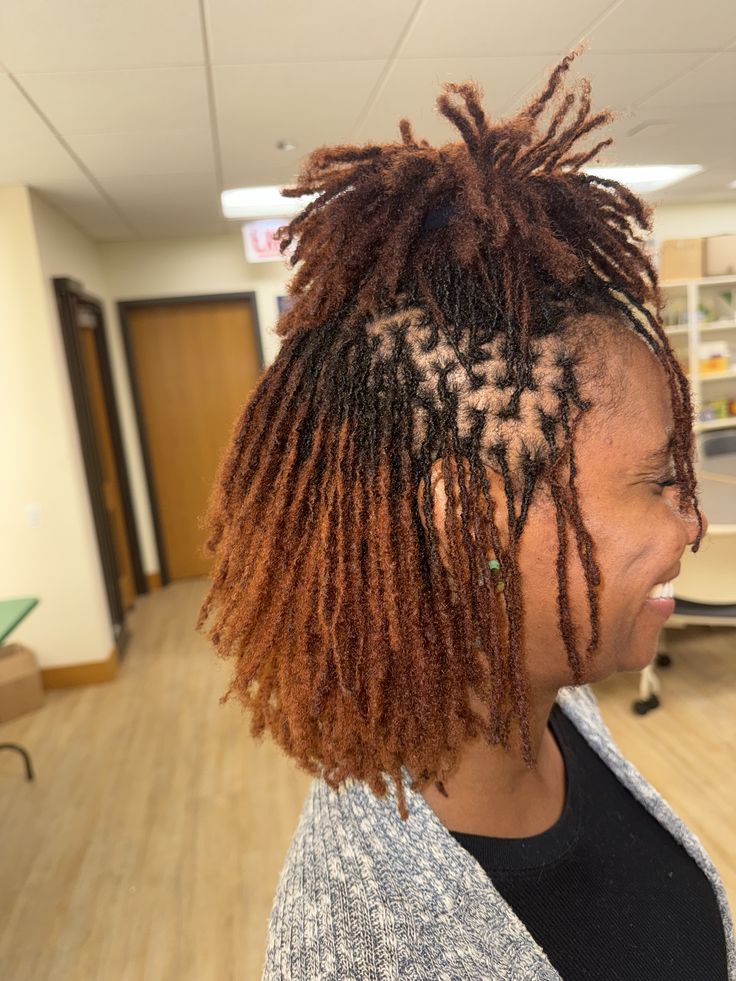
The answer isn’t a simple yes or no. Microlocs can be beautiful, freeing, and incredibly defining – but they also require commitment, patience, and consistent maintenance. In this detailed guide, we’ll break down the pros, the cons, maintenance expectations, and who should (and should not) get microlocs.
By the end, you’ll know whether microlocs truly fit your lifestyle and of course, you will discover for yourself if they are worth all the resources, energy, and time required to nurture them.
Let’s dive right in!
What Are Microlocs? Pros and Cons
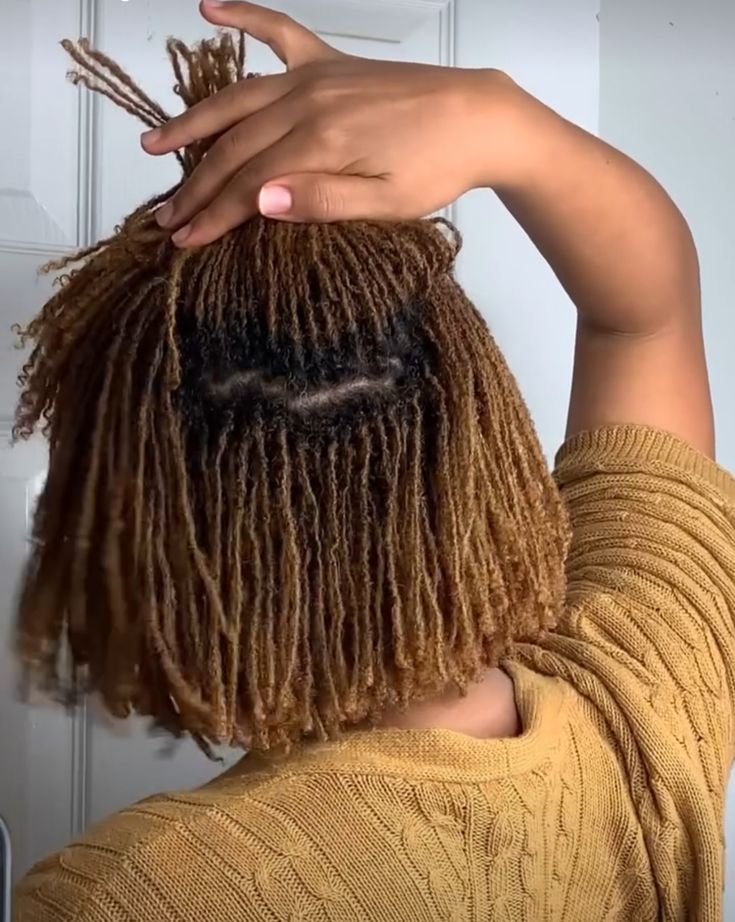
Microlocs are very small-sized locs, typically created using interlocking, two-strand twists, braids, or coils. They are significantly smaller than traditional locs and can range anywhere from 300 to over 1,000 locs, depending on your hair density and desired size.
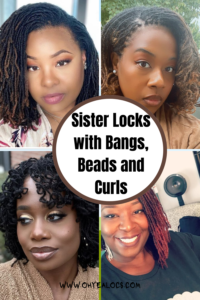
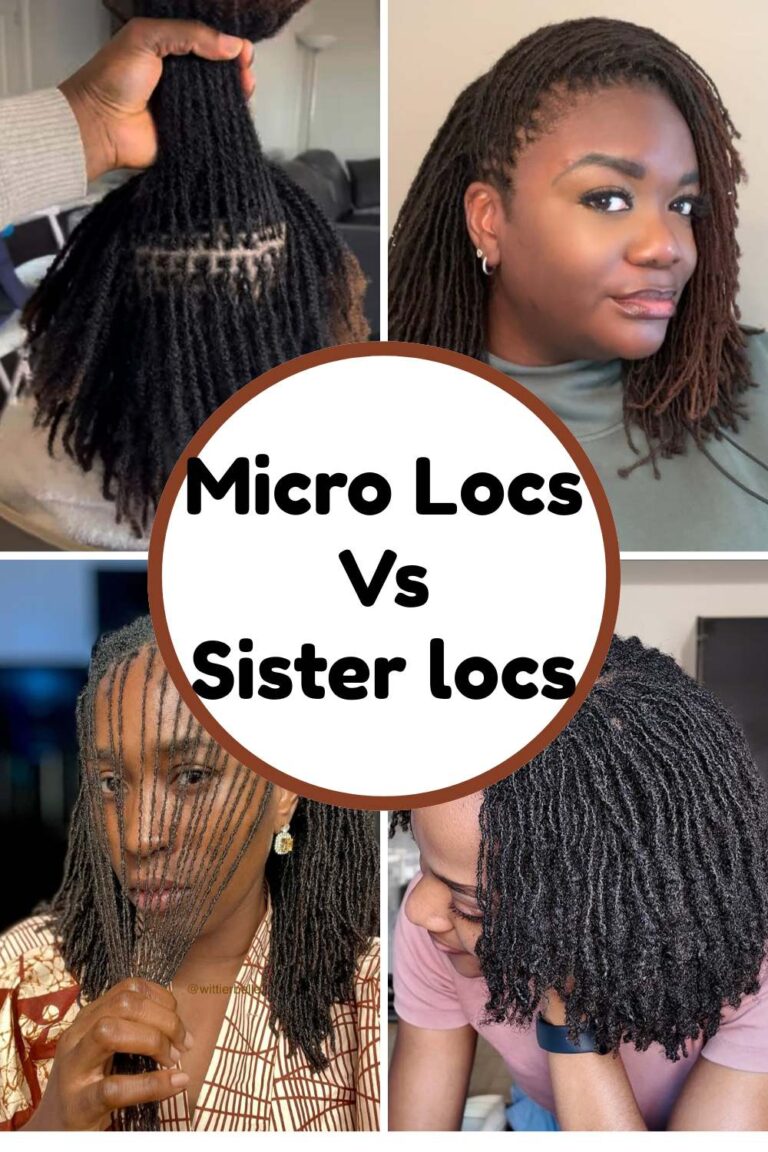
Many people confuse microlocs with Sisterlocks. While they look similar, they are not the same. Sisterlocks follow a patented grid and installation method that requires certified consultants. Microlocs, on the other hand, are more flexible in size, grid pattern, and installation method.
Check this guide: Microlocs vs Sisterlocks: Differences, Cost, and Maintenance Explained
Let’s contrast Microlocs with other popular loc types.
Microlocs vs Sisterlocks vs Traditional Locs
Understanding the differences helps you make an informed decision.
Sisterlocks
Sisterlocks are installed using a patented technique and grid. They require certified consultants and often cost more. They offer uniformity and a specific structure.

Bookmark this: What are sisterlocks (Everything beginners need to know)
Microlocs
They are more flexible in size and method. This means you can customize according to your preference and budget. What’s more? Microlocs create a softer, more flowing look that mimics loose natural hair – especially when styled.
Traditional Locs
They are usually larger and fewer in number. They offer a bold, fuller rope-like appearance. They require less frequent retightening and lower maintenance over time.
If cost and maintenance frequency are your major concerns, traditional locs may be more practical. If versatility and detail matter more to you, then go for microlocs.
Benefits of microlocs compared to others
Pros of Microlocs
Benefits of microlocs include:
1. Lightweight and Comfortable
Because microlocs are small, they tend to feel lighter on the scalp compared to thick locs. This can reduce tension and make them more comfortable to wear daily – especially when styled in buns or updos.
2. Incredible Styling Versatility
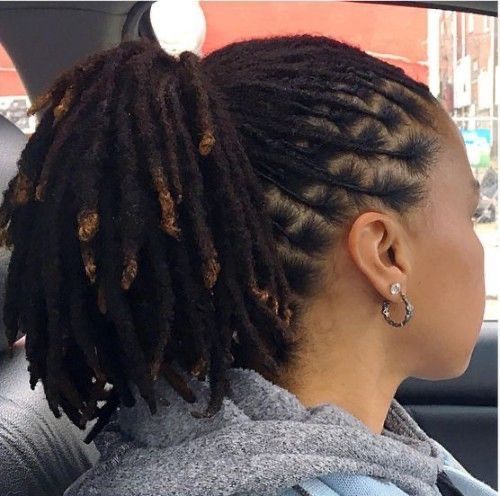
One of the biggest advantages of microlocs is styling freedom. You can do braid-outs, create curls, wear high buns, style half-up, half-down looks, and part them differently.
Microlocs styling tips you’ll love: 15 elegant wedding microlocs hairstyles
They behave more like loose natural hair than thicker locs do. If you love switching up your look, this is a major win.
3. Fuller, Denser Appearance
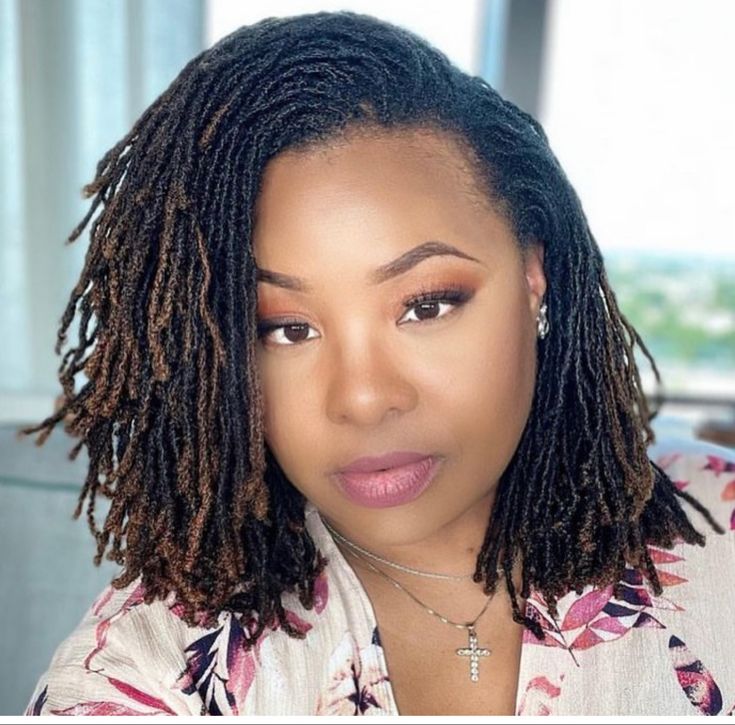
Microlocs create a beautifully dense and voluminous look. If you have fine or medium-density hair and desire fullness, microlocs can give the illusion of thicker hair overall.
4. Long-Term Low Daily Maintenance
Once mature, microlocs require minimal daily styling. You wake up, fluff, moisturize lightly, and go your way. Compared to the daily detangling of loose natural hair, microlocs can feel freeing.
Pin this: How to care for your locs the right way
5. Flexible Grid and Size Options
Unlike Sisterlocks, microlocs allow customization. You can choose slightly larger micro sizes or ultra-small ones depending on your hair type and lifestyle.
6. Neat, Professional Appearance
Microlocs often look structured and uniform, especially when freshly retightened. For professionals who want a polished but natural hairstyle, microlocs can strike that balance beautifully.
If you’ve read this article to this point, you might be tempted to think that everything about microlocs is superb. But that’s not true. Like any other loc styles, they also have their fair share of disadvantages.
Let’s explore some of them in the next subheading.
Cons of Microlocs
Disadvantages of microlocs include:
1. Installation Takes a Long Time
Microloc installation can take anywhere from 8 to 20+ hours, depending on density and method. Some people split the process over multiple days.
If you’re impatient or struggle with sitting for long periods, this can be exhausting.
2. High Initial Cost
Professional installation can be expensive. Even though costs vary by location and hair length, microlocs are often a significant investment upfront. And the expenses don’t stop there.
3. Frequent Retightening Is Required
Microlocs require retightening every 4–6 weeks to maintain structure and prevent thinning at the roots. Skipping appointments can lead to weak spots, marrying locs, and uneven growth.
Save this guide: How to maintain your locs beween retightening
If you dislike frequent maintenance schedules, microlocs may frustrate you.
4. Risk of Thinning
Because microlocs are small, incorrect retightening techniques or excessive tension can cause thinning over time – especially along the hairline.
People with fine or fragile hair need to be especially cautious.
5. Difficult to Combine Later
If you later decide you want thicker locs, combining microlocs is possible but tedious. It’s much harder to go bigger than to start bigger from the beginning.
6. Emotional Adjustment Period
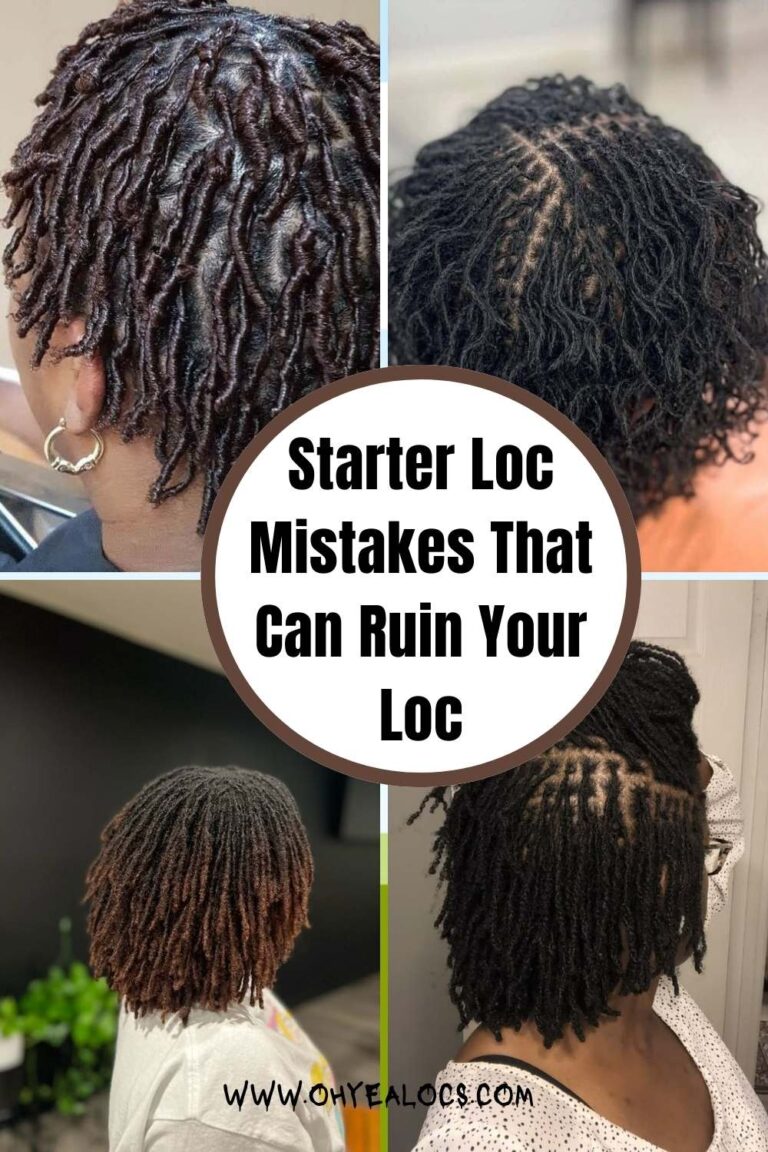
The starter phase can be unpredictable. If you expect instant perfection, you may struggle during the early months.
Microlocs Maintenance: What to Expect
Before deciding whether microlocs are worth it, you need to understand the required maintenance clearly.
Here are some of the maintenance procedures microlocs require:
•Retightening Schedule
Most people retighten every 4–6 weeks. Some stretch to 8 weeks, but this increases the risk of breakage.

To reduce cost, you can learn to interlock yourself (DIY). If you want a professional touch (which is often advised), then you have to visit a loctician consistently.
More on retightening: How to mainatin locs between retightening
Either way, consistency is key.
•Washing Routine
Microlocs should be washed regularly – typically every 2–4 weeks depending on lifestyle. A clean scalp fosters healthier locking.
This guide will help you: How to wash starter locs without unraveling them
When washing, use lightweight, residue-free shampoos. Heavy conditioners and thick creams can cause buildup.
•Moisturizing
Microlocs thrive on:
-Light oils
-Water-based sprays
Read this: How often should you moisturize locs?
-Minimal heavy products
Because they’re small in size, product buildup shows faster.
•Protecting Your Edges
Avoid excessive tension styles. One way to protect your hairline is by using satin scarves and bonnets.
Thinning edges are preventable with proper care.
See this: Best Oils and Moisturizers for Starter Locs (What Actually Works)
Now, let’s tackle this important question:
Who Should Get Microlocs?
Microlocs are worth it for people who:
-Love small, detailed hairstyles
-Enjoy versatility
-Are patient with maintenance
-Prefer a neat, structured appearance
-Want a long-term natural hairstyle solution
They are especially great for professionals who want consistency without daily manipulation.
If you’re transitioning from loose natural hair and are tired of constant detangling, microlocs can feel liberating.
Who Should Avoid Microlocs?
As beautiful as microlocs are, the truth is that they are not for everyone. You may want to reconsider if you:
-Dislike frequent salon visits
-Struggle with consistency
-Have extremely fragile or thinning hair
-Prefer bold, thick locs
Learn more here: Do locs get thicker or thinner overtime?
-Get bored easily with long-term commitments
If you’re unsure about locs in general, consider starting with slightly larger small locs instead of going ultra-micro.
Realistic Expectations Before Starting Microlocs
Before committing to growing microlocs, understand these truths:
–Shrinkage Happens
Your locs may look shorter after installation.
-Frizz Is Normal
You are likely to experience frizzing, especially in the first 6–12 months.
–Density Changes Over Time
Microlocs often thicken slightly as they mature. They settle and become more defined with time.
-Patience Is Required
The starter phase can test your confidence. But with time, you will begin to see the beauty.
Now, the verdict:
Are Microlocs Worth It? Pros, Cons & Who Should Avoid Them.
So are microlocs worth it?
Well, they can be worth it if your lifestyle supports them. Microlocs are not just a hairstyle; they are a commitment to structure, maintenance, and long-term consistency.
When cared for properly, they are elegant, versatile, lightweight, professional, and beautifully detailed.
But if you prefer minimal maintenance schedules, dislike frequent retightening, or are unsure about long-term loc commitment, you may find them overwhelming.
The key is making a choice based on what suits your lifestyle – not just trends. Healthy hair should always come before aesthetics.
Wrapping Up
No doubt, microlocs are stunning. They offer softness, movement, fullness, and a level of styling versatility that many loc wearers absolutely love. For the right person, they can feel freeing, polished, and deeply affirming.
But beauty alone doesn’t determine worth.
Microlocs demand intention. They require regular retightening, mindful product use, patience through the frizzy starter phase, and a long-term mindset.
If you thrive with structure and don’t mind consistent maintenance, microlocs can be an incredibly rewarding journey.
However, if frequent upkeep feels overwhelming, or you’re unsure about committing to small locs long-term, it’s wise to pause. There is no shame in choosing traditional locs, slightly larger small locs, or even staying loose natural.
The healthiest decision is always the one that aligns with your lifestyle, not social media trends.
Frequently Asked Questions
1. Can microlocs be installed on relaxed or chemically treated hair?
Yes, but with caution. Hair that has been relaxed, texturized, or color-treated may be weaker and more prone to breakage.
It’s often advised to transition to natural hair or ensure your strands are healthy before starting microlocs to reduce long-term thinning risks.
2. How long does it take for microlocs to fully mature?
Microlocs typically take 12–24 months to fully mature, depending on your hair texture, the size of the locs, and your maintenance routine. Coarser textures may lock faster, while looser textures may take longer.
3. Can you swim regularly with microlocs?
Yes, but chlorine and saltwater can be drying. Rinse your locs immediately after swimming and follow up with proper moisturizing. Wearing a swim cap can provide extra protection if you swim frequently.
4. Do microlocs unravel easily?
Microlocs installed with interlocking are less likely to unravel compared to those started with twists or coils. However, very soft or loose curl patterns may unravel in the early stages.
5. Can microlocs be colored safely?
Yes, but it’s best to wait until your locs are mature and strong. Because microlocs are small, over-processing can weaken them quickly. Always prioritize deep hydration and consider professional coloring to reduce damage.
6. Are microlocs suitable for postpartum hair shedding?
It’s generally advisable to wait until postpartum shedding stabilizes before installing microlocs. Installing during heavy shedding may lead to uneven density and weaker roots.
7. Can you trim microlocs like loose natural hair?
You can trim stray ends or uneven tips, but trimming microlocs requires care. Cutting too much may affect the integrity of the loc.
8. Will microlocs trigger scalp issues like dandruff?
Microlocs themselves don’t cause dandruff. However, product buildup or infrequent washing can contribute to scalp irritation. Maintaining a clean, balanced scalp routine is essential.
9. Can microlocs be removed if you change your mind?
Yes, but removal is extremely time-consuming and may cause significant shedding and breakage. The smaller the locs, the longer the takedown process.
10. Do microlocs work well for active or athletic lifestyles?
Yes. Because they’re lightweight and secure, microlocs can be convenient for workouts. However, frequent sweating may require more consistent washing to maintain scalp health.