How to Start Sisterlocks on Natural Hair (Beginner-Friendly Guide)
Disclosure: Some of the links in this post are affiliate links. This means if you click on the link and purchase an item, I will receive an affiliate commission at no extra cost to you. All opinions remain my own. I only recommend products or services I believe will add value to my readers.

Sisterlocks have become one of the most sought-after loc styles in recent years and this is for a good reason. They’re lightweight, versatile, elegant, and offer the freedom of locs without the bulk of traditional sizes. Starting sisterlocks on natural hair has become a question in the minds of different locs beginners, and this guide is here to help and offer all the advice needed.
If you’ve been admiring Sisterlocks from afar and wondering whether you can start them on your natural hair, the answer is yes.
But here’s the thing: starting Sisterlocks isn’t something you rush into. It’s not just about the look alone, it’s about understanding the processes involved, the commitment, and the locs care and maintenance that is required to make the journey successful.
This beginner-friendly guide will walk you through everything you need to know about starting Sisterlocs on natural hair, the right way to start your locs journey, from preparation to installation, maintenance, timelines, and common mistakes you should avoid.
What Are Sisterlocks?

Sisterlocks are a patented loc system created using a precise interlocking technique and a specific grid pattern. Unlike traditional locs or microlocs, Sisterlocks are installed using a special tool and are typically done by a certified Sisterlocks consultant. They are very unique and have become a distinctive natural hairstyle for women.
Sisterlocks are:
Very small and uniform
Lightweight and flexible
Highly versatile for styling
Suitable for most natural hair textures (especially 3B–4C)
Sisterlocks allow you to enjoy the freedom of locs while still having the appearance and movement similar to loose natural hair once matured.
See this: A comprehensive guide to Sisterlocks
Are Sisterlocks Right for You?

Before starting Sisterlocks, there are a few important questions you need to ask yourself. These questions will serve as a guide to help you know and fully understand what you’re getting into.
Pin this guide: Everything You Need to Know Before Starting Your Loc Journey
Questions like:
Why do I want Sisterlocks?
Am I patient enough for the early stages of sisterlocks?
Can I commit to regular maintenance, especially in the first year?
Am I ready to invest time and money into professional installation?
Sisterlocks are not a quick protective style. They are a long-term commitment. If you’re looking for instant fullness or immediate length, you may need to adjust your expectations or explore extensions with professional guidance.
Choosing Sisterlocks should be intentional, not impulsive.
What You Should Know Before Starting Sisterlocks

1. You Need a Certified Consultant
Sisterlocks are not a DIY-friendly loc method especially for beginners. Beginners are not advised to start sisterlocks on their own because of the many things involved in the installation, care and maintenance. This is why a certified consultant and a professional is needed.
The work of a certified consultant is to:
Assesses your hair and scalp health
Chooses the right grid size and pattern
Prevents slippage and weak roots
Sets a solid foundation for long-term success
Poor installation can lead to thinning, uneven locs, and unnecessary restarts.
2. Installation Takes Time
Installing Sisterlocks can take time. Time ranges from 10 to 24 hours, depending on your: This is because the conultant has to discuss the processes involved with you. These discussions ranges from:
Hair length
Hair density
Time involved
Desired loc size and
Consultant’s technique
Some installations are done over multiple sessions. This is normal and it is definitely worth it.
3. Maintenance Is Part of the Sisterlocks Journey

For beginners getting ready to start the sisterlocks journey, you must know that maintenance and care is an essential part of the journey. Without maintenance, the locs would frizz out or start thinning. This is not just particular to sisterlocks, but for every locs you go for, care and maintenance is an essential discipline that must be committed to it.
For sisterlocks, it requires:
Regular retightening (especially in the first year)
Residue-free hair products. Be mindful of the producrs you use on your locs.
Proper scalp care
Night protection
Sisterlocks is a lifestyle choice, not just a hairstyle.
Read this: What Are Sisterlocks? Everything Beginners Need to Know
How to Prepare Your Natural Hair for Sisterlocks
Preparation is one of the most overlooked but most important steps. Before your sister locs installation, there are certain preparations that should be done. This will make the installation process less stressful and time consuming.
Before installation:
Wash your hair with a clarifying or residue-free shampoo
Avoid oils, butters, creams, and conditioners
Trim split or damaged ends if necessary
Treat scalp issues like dandruff or itching
Clean, product-free hair locks better and matures faster.
Save this guide: How to Prepare Your Hair Before Locking: The Ultimate Guide
How Are Sisterlocks Installed: Step-by-Step Guide
1: Consultation
This consultation is done with a certified Sisterlocks professional or consultant. Your consultant will:
Examine your hair texture and density
- Discuss your loc size preference
- Explain the installation process
- Set expectations for maintenance and cost
This consultation is the time to ask questions. You don’t have to rush it. Take your time, ask questions and make your decisions before the installation commences.
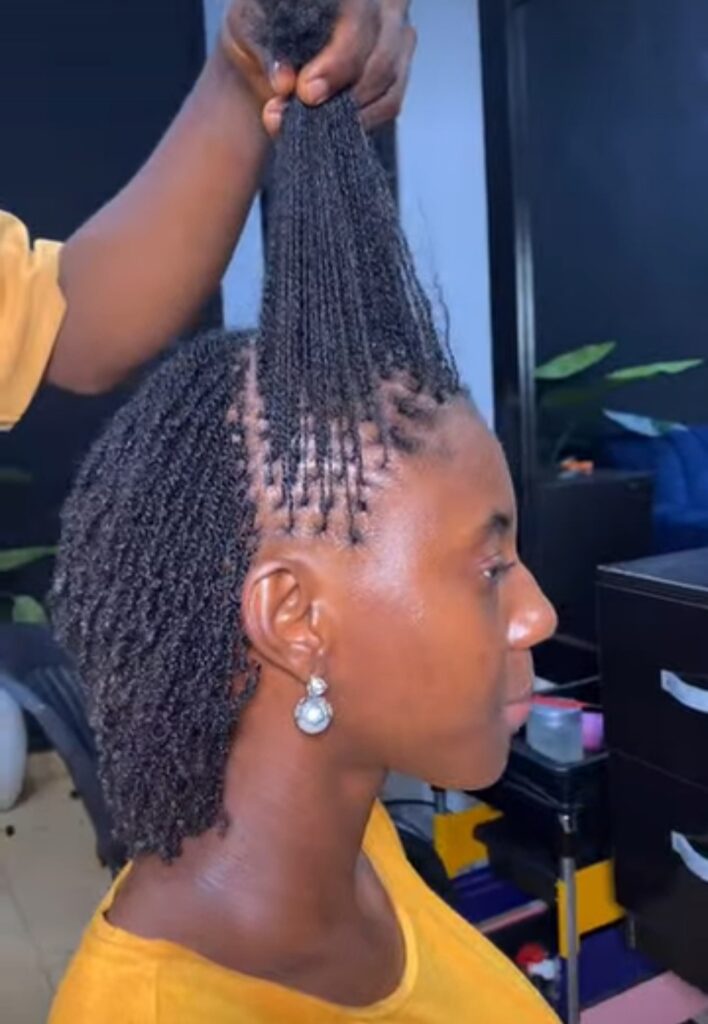
2. Sectioning and Grid Pattern

Your hair is parted into a precise grid pattern. The size of each section determines:
How many locs you’ll have
How full or slim your locs will look
How your locs will fall and style
Neat, even parting is critical at this moment, and this can only be achieved by a professional.
3. Interlocking
Each section is interlocked from the root using a special Sisterlocks tool. No wax. No heavy gels. No creams.
This method creates a strong foundation that prevents unraveling and supports long-term loc formation.
What to Expect After Sisterlocks Installation
1. The Starter Phase (0–3 Months)
This phase tests patience.
You may notice:
Frizz
Soft or loose ends
Shiny or uneven texture
This is normal. Your hair is adjusting and beginning the locking process.
2. Budding and Early Maturity (3–12 Months)
During this stage:
Locs begin to swell and tighten
Budding becomes visible
Texture becomes more consistent
Many people start to feel more confident in their locs during this period.
3. Mature Phase (12–24 Months)
By this time:
Locs are stronger and more defined
Styling becomes easier
Frizz reduces significantly
Maturity timelines vary based on hair type and maintenance. There’s no rush.
How to Care for Sisterlocks (Beginner Routine)
1. Washing
Wash every 1–3 weeks, depending on your scalp and lifestyle.
Always use a residue-free shampoo.
Avoid conditioners that leave residue.
2. Moisturising
Moisture starts with water.
Lightly spritz with water or a water-based spray
Seal lightly with oils like jojoba or grapeseed if needed
Avoid waxes, heavy butters, and thick gels—they cause buildup.
3. Retightening
Retighten every 4–6 weeks unless advised otherwise.
Over-retightening can cause thinning and weak roots.
Under-retightening can cause matting.
Balance is key.
Check this guide on retightening: How to Maintain Your Locs Between Retightening
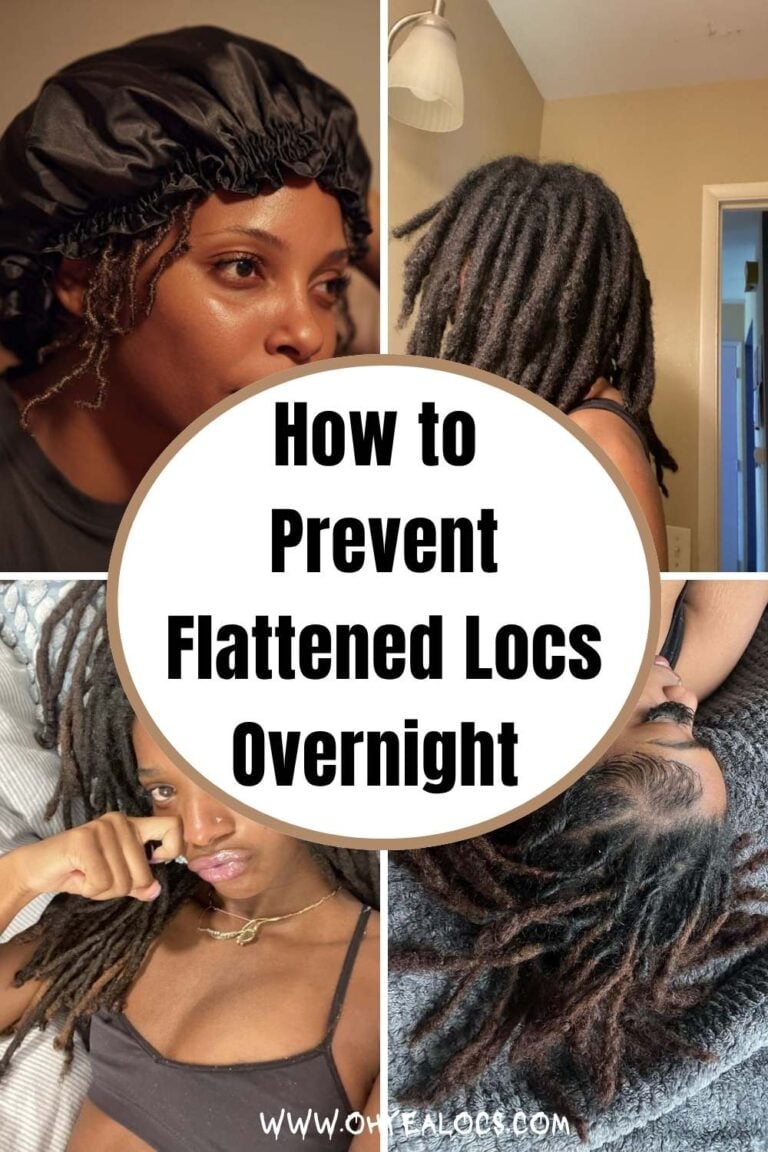
4. Night Protection
Always protect your hair at night using:
Satin bonnet
Silk scarf
Satin pillowcase
This reduces lint, dryness, and breakage.
More on how to care for your locs How to Care for Your Locs the Right Way: A Complete Guide for Healthy, Long-Lasting Locs
Common Mistakes to Avoid When Starting Sisterlocks
- Using heavy products
- Skipping retightening appointments
- Over-retightening
- Comparing your journey to others
- Ignoring scalp health
- Starting without proper research
- Sleeping without hair protection
Most Sisterlocks problems come from poor habits, not the locs themselves.
Final Thoughts
Starting Sisterlocs on natural hair is not about perfection, it’s about preparation, patience, and consistency.
Your locs will change. They will evolve. There will be days you question the process and days you fall in love with it all over again. That’s normal.
With the right foundation, realistic expectations, and proper care, Sisterlocs can become one of the most rewarding hair decisions you’ll ever make.
Your journey is yours.
Trust it.
Nurture it.
Grow into it.
I’m rooting for you.
If you want to know more on sisterlocks, see this: Microlocs vs Sisterlocks: Differences, Cost, and Maintenance Explained
Frequently Asked Questions About Starting Sisterlocs
1. Can Sisterlocs be started on short natural hair?
Yes. Hair length affects installation time and appearance, but Sisterlocks can be started on short hair.
2. How long does it take to install Sisterlocs?
Between 10–24 hours, depending on hair density and loc size.
3. Do Sisterlocs damage natural hair?
No. When installed and maintained correctly, Sisterlocs promote healthy hair growth.
4. How often should Sisterlocs be retightened?
Every 4–6 weeks, especially during the first year.
5. Can I color my Sisterlocs?
Yes, but it’s best to wait until your locs are mature and consult a professional.
6. Are Sisterlocs suitable for all hair textures?
Yes. Sisterlocs work best on tightly coiled and kinky textures but can be installed on a wide range of natural hair types.
7. Will my Sisterlocs be very thin?
Sisterlocs are smaller than traditional locs, but the final size depends on your grid pattern and hair density.
8. Do Sisterlocs shrink after installation?
Yes. Shrinkage is normal in the early stages and usually reduces as the locs mature.
9. Can Sisterlocs be washed immediately after installation?
Yes. In fact, early and regular washing helps the hair lock faster when done correctly.
10. How long does it take for Sisterlocs to fully mature?
On average, 12–24 months, depending on hair texture, care routine, and lifestyle.
11. Can Sisterlocs be combined or resized later?
Yes. A professional can combine, split, or resize Sisterlocs if needed.
12. Are Sisterlocs high maintenance?
They require consistent retightening, but daily styling and product use are minimal.