
15 ways to maintain your Locs in Winter
Disclosure: Some of the links in this post are affiliate links. This means if you click on the link and purchase an item, I will receive an affiliate commission at no extra cost to you. All opinions remain my own. I only recommend products or services I believe will add value to my readers.

Winter can be a magical season – crisp air, cozy outfits, and festive vibes. But for those of us with locs, the season often comes with a challenge: how do we keep our hair healthy, moisturized, and vibrant?
With winter, everyone seems to know what to do to protect their skin: the right moisturiser to use, the baths, the routines. But for hair – especially locs – many people are usually unsure what to do.
Maintaining locs during winter requires a balance of moisture, protection, and gentle care. In this guide, we’ll explore 15 practical ways to keep your locs healthy and thriving during the cold months, with tips that suit all hair types and textures.
You should check this out: How to care for your locs the right way: a complete guide for healthy, long-lasting locs
Let’s get right in!
1. Keep Your Hair Moisturised
One of the biggest winter hair challenges is dryness. This happens because low humidity and cold weather strip hair of its natural oils, leaving locs dull and brittle. But with regular moisturising, locs can grow beautifully and healthily during winter.
To get the best of moisturising, mix water with light oils like jojoba oil, coconut oil, or castor oil to hydrate your scalp and locs. A daily spritz of water mixed with a few drops of oil can make a huge difference.
Bonus Tip: For an extra boost, apply a small amount of shea butter to the ends of your locs to prevent dryness and breakage.
2. Use a Gentle, Moisturising Shampoo
No doubt, washing your locs regularly is important. However, winter calls for a more gentle approach. Avoid frequent washing with harsh shampoos as they can strip your locs of natural oils, worsening dryness. Instead, opt for sulfate-free, moisturizing shampoos that cleanse without over-drying.
See this: Common mistakes to avoid when locking your hair
A bi-weekly wash is often enough in colder months, but adjust based on your hair type and activity level.
Bonus Tip: When washing your locs, focus the shampoo on your scalp rather than your entire locs, and rinse thoroughly.
3. Deep Condition Regularly
Deep conditioning is like a spa day for your locs. It replenishes moisture, strengthens strands, and keeps locs soft and manageable.
Use a hydrating deep conditioner once a week. And if you prefer DIY options, ingredients like avocado, honey, and olive oil work wonders.
Here’s how to deep condition your locs properly:
Apply the conditioner, cover your hair with a shower cap, and let it sit for 20–30 minutes. Rinse thoroughly and seal with oil.
4. Seal in Moisture with Oils or Butter
After moisturising or washing your locs, it’s important to seal in that hydration. We all know how locs can easily lose moisture, especially in winter, so locking it in with oils or butters will go a long way to prevent dryness before your next treatment.
To properly seal in moisture, apply natural oils like castor oil, coconut oil, or argan oil along the length of your locs. Shea butter or cocoa butter can also be used for heavier moisture sealing, especially on the ends.
5. Limit Heat Exposure

It’s not strange to see many loc wearers rely on heat for styling. Not bad… but winter is not the time for frequent blow-drying or flat-ironing. Excessive heat coupled with the humid winter can strip locs of natural oils, leaving locs brittle and prone to breakage
Instead, allow locs to air dry whenever possible, or use heat sparingly. If you must use heat, always apply a protective serum or oil to minimize damage.
Save this for later: Everything you need to know about steaming your locs
6. Wear Protective Styles

Protective styles are essential for reducing daily manipulation and preventing breakage, especially during the cold, dry months. Styles like braids, updos, buns, and twists help tuck away the ends of your locs, shielding them from harsh weather while still keeping your look stylish and put together.
These styles also make it easier to retain moisture, as your locs are less exposed to drying winds and indoor heating.
What more? Low-manipulation styles significantly reduce friction from scarves, hats, coats, and sweaters – materials that can rub against your locs and cause frizz, thinning, or even breakage over time.
Bonus Tip: Limit constant touching, pulling, and styling so as to allow your locs rest, regain strength, and maintain their integrity throughout the winter season.
Save this for later: 15 easy ways to style your locs
7. Cover Your Locs in Harsh Weather
Here’s what a lot of loc wearers don’t know: exposing locs to cold winds, snow, and dry air does more harm than good. I know it’s fun to play in the snow and do all the cosy, picture-perfect things, but don’t forget that your locs feel every bit of that cold too.
Covering your hair with a satin-lined hat, scarf, or hood protects your scalp and hair shafts from moisture loss and breakage.
However, avoid cotton hats or scarves directly on locs, as they can absorb natural oils and cause friction.
Save this guide: 23 things you should never do to your locs
Bonus Tip: Satin or silk-lined options are best for winter hair care.
8. Avoid Over-Washing
Surprisingly, over-washing is a common mistake a lot of loc wearers make during winter. One would think that because it’s cold, the normal thing anyone would do is to reduce washing but that’s not usually the case.
As good as washing is, it can be counterproductive if done excessively. Locs do not need daily washing; in fact, too much shampoo strips oils and leaves the hair dry.
Stick to a weekly or biweekly wash routine depending on your hair’s needs.
Bonus Tip: On non-wash days, use a gentle spray or mist to refresh locs and maintain moisture.
9. Hydrate Internally
The truth remains that healthy hair starts from within. Drinking plenty of water during winter may not seem necessary because the cold reduces how thirsty we feel, but your body – and your hair – still needs it.
Dehydration is one of the hidden causes of dry, brittle locs, as it limits the moisture your scalp and strands receive from the inside. When you stay properly hydrated, your scalp is better able to produce natural oils, your locs retain elasticity, and breakage is reduced.
Don’t lose this guide: How to care for your locs the right way
Bonus Tip: Pair adequate water intake with moisture-rich foods like fruits, vegetables, and healthy fats to keep your locs nourished, resilient, and thriving all through the winter.
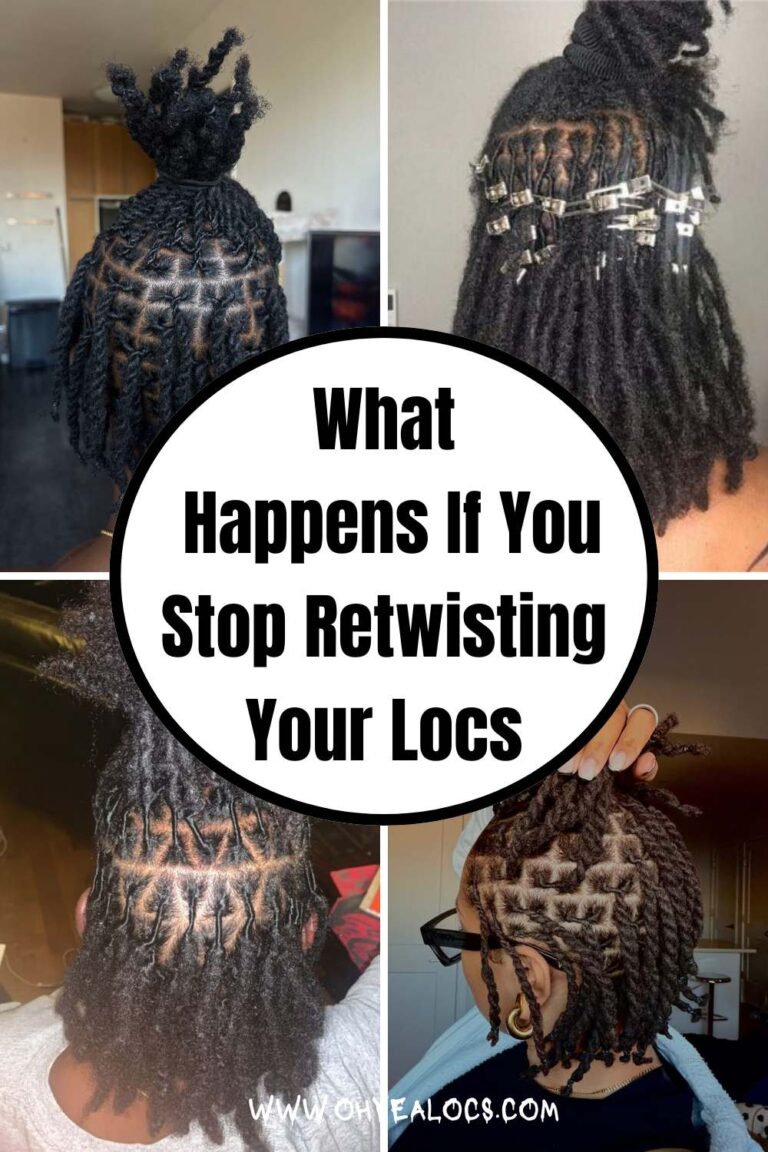
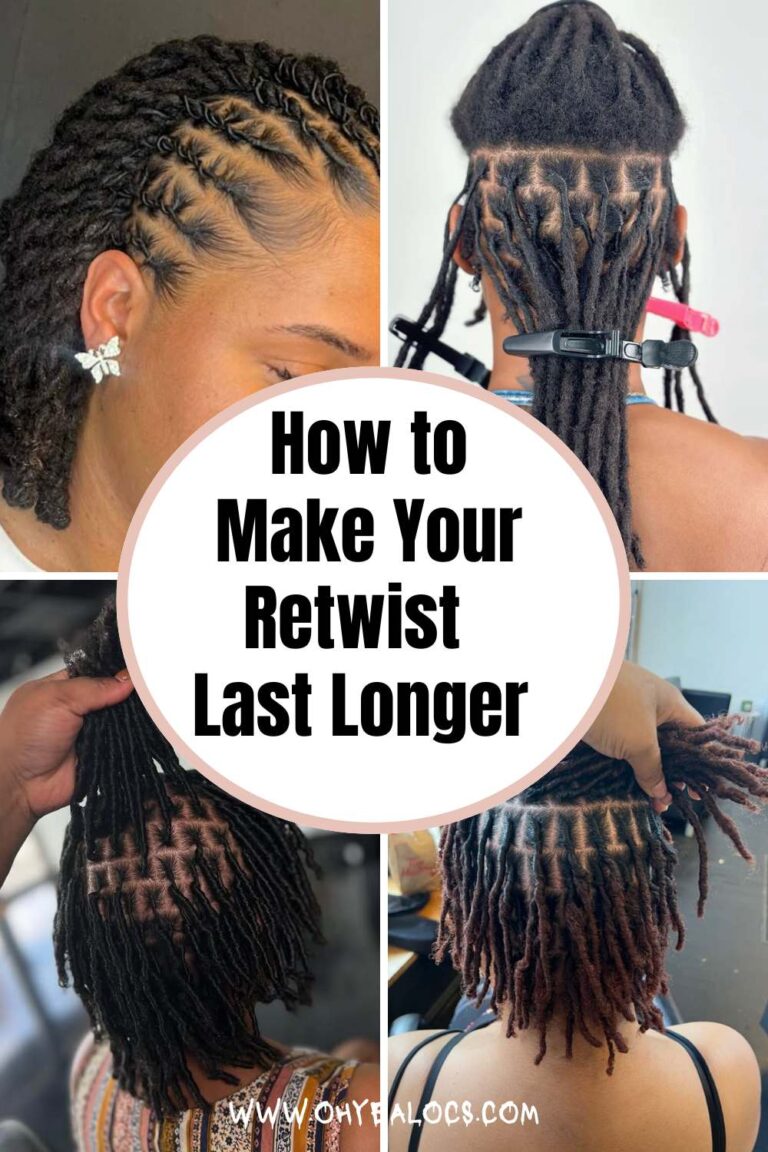
10. Maintain Regular Retwisting
Keeping your locs neat during winter requires consistent retwisting, especially as cold weather and protective styling can cause new growth to look unruly faster.
With regular retwisting, your locs will maintain their shape and be prevented from matting at the roots – making your style fresh-looking and intentional.
However, it’s important to avoid over-tightening. Retwisting too tightly can stress your scalp, lead to thinning around the roots, and even cause breakage over time.

Always listen to your scalp: if it feels sore, itchy, or overly sensitive after a retwist, it may have been done too tightly.
The bottom line is to stick to a 6–8 week retwist schedule. You can adjust based on how fast your hair grows and the condition of your scalp.
Bonus Tip: Always moisturise locs before retwisting to reduce stress on strands.
11. Use Leave-In Conditioners
Leave-in conditioners are lifesavers for dry winter hair. They provide lightweight, long-lasting moisture throughout the day without weighing down locs.
Look for sprays or creams specifically designed for locs or natural hair. Reapply as needed, especially after exposure to cold or dry indoor heat.
12. Avoid Heavy Products That Cause Build-Up
Heavy waxes, gels, or creams can cause product buildup, which traps dirt and prevents moisture absorption. During winter, locs need moisture, not extra residue.
Opt for lightweight oils, leave-ins, and sprays to keep locs soft, manageable, and flake-free.
You might also love: How to get rid of dandruff in your locs
13. Trim or Maintain Damaged Ends
Dryness and friction during winter can lead to split ends or brittle locs. Regular trimming or maintaining damaged ends helps prevent further breakage.
A small snip here and there keeps locs healthy and allows them to grow strong throughout the season.
Keep reading: How to get rid of lint in your locs (without damaging them)
14. Incorporate Steaming or Hot Oil Treatments
Steaming or hot oil treatments help your hair absorb moisture and oils more effectively by opening the hair cuticle. Steaming allows deep hydration to penetrate both your locs and scalp, while hot oil treatments nourish dry strands, improve flexibility, and reduce breakage.
Bookmark this: Everything you need to know about steaming your locs
When done regularly – especially during colder or drier seasons – these treatments help restore softness, shine, and overall loc health without weighing your hair down.

To treat your locs with hot oil: Warm natural oils like coconut, olive, or castor oil and massage into locs and scalp. Leave for 30–60 minutes, then rinse.
For steam treatments: Use a hair steamer or cover your head with a warm, damp towel for deep hydration.
Needless to say that these treatments are excellent for combating winter dryness and keeping locs soft and shiny.
15. Adjust Your Diet for Hair Health
A lot of loc wearers often forget the importance of healthy eating. They can comfortably spend money on treatments and products but fail to prioritise healthy diets. Whereas good nutrition supports strong, resilient locs more than any hair product would.
Include foods rich in:
Vitamins A, C, and E for scalp health. Biotin and zinc for hair growth. Omega-3 fatty acids for moisture and shine.
Eating well ensures that your locs stay hydrated, strong, and less prone to breakage, even during harsh winter months.
Wrapping Up:
Winter hair care for locs doesn’t have to be complicated. By moisturising regularly, protecting your locs against harsh weather, limiting heat, and maintaining healthy habits, your locs can thrive all season long.
Always remember that consistency is key. Dry, brittle locs are not inevitable; they are one of the signs that show that your locs continuously interact with the world it lives in.
With these 15 tips, you can keep your locs soft, hydrated, and beautiful throughout the winter months.
Frequently Asked Questions
1. Can cold weather slow down loc growth?
Winter itself doesn’t stop hair growth, but dryness, breakage, and poor scalp circulation can make your locs appear to grow more slowly. Proper moisture, scalp care, and low manipulation can help maintain healthy growth year-round.
2. Is it normal for my scalp to itch more in winter?
Yes. Cold air and indoor heating dry out the scalp, which can cause itching and flaking. Gentle oiling, scalp massages, and light hydration sprays can soothe irritation without clogging pores.
3. Should I change my loc routine completely during winter?
Not completely but adjust it. You may need more moisture, fewer washes, and more protection from the elements. Think of winter care as a “modified version” of your routine rather than a total reset.
4. Can I colour my locs in winter?
You can, but winter is not the most forgiving season for chemical treatments. Coloured locs require extra moisture and protein balance, as cold weather can make already-processed hair more fragile.
5. What should I do if my locs start breaking despite moisturising?
Breakage could point to internal factors such as dehydration, stress, poor nutrition, or tension from styling. Check your diet, water intake, and whether your styles are too tight or manipulative.
6. Is winter a good time to start locs?
Yes. Winter can actually be ideal for starting locs because you’ll likely manipulate your hair less, wear more protective coverings, and focus on moisture. Just be mindful of dryness and handle gently.
7. Why do my locs feel stiff after being outside in cold air?
Cold temperatures reduce moisture in the hair shaft and can temporarily harden oils and butters, making locs feel stiff. Once you return indoors, lightly mist with water or apply a small amount of oil to restore flexibility.
8. Can stress affect my locs during winter?
Yes. Seasonal stress, fatigue, and changes in routine can impact hair health by increasing shedding, dryness, or breakage. Rest, hydration, and proper nutrition play a major role in keeping your locs strong.
9. Should I avoid certain hairstyles in winter?
Styles that create excessive tension, expose your ends constantly, or require frequent re-styling may lead to dryness and thinning in winter. Opt for low-tension, low-manipulation styles that protect your locs.
Come back to this: 15 easy ways to style your locs
10. How do I know if my locs are lacking moisture or just product buildup?
Dry locs often feel rough, stiff, and dull, while buildup makes locs feel heavy, sticky, or coated. If water doesn’t absorb easily into your hair, you may want to do a clarifying wash before reintroducing moisture.
If you liked this, you’ll like: 15 ways to protect your locs in summer



8 Comments