
How to get rid of dandruff in your Locs
Disclosure: Some of the links in this post are affiliate links. This means if you click on the link and purchase an item, I will receive an affiliate commission at no extra cost to you. All opinions remain my own. I only recommend products or services I believe will add value to my readers.

For many loc wearers, growing locs is a deeply meaningful journey. But as beautiful and liberating as that can be, they also come with their own set of challenges. Amongst others, one of the most common (and frustrating) issues loc wearers face is dandruff.
If you’ve ever noticed white flakes sitting stubbornly on your scalp or clinging to your locs, you’re not alone. Dandruff in locs is incredibly common, yet widely misunderstood. Many people assume it means poor hygiene or neglect, but that’s rarely the case.
Read this post: Everything you need to know before starting your locs
The good news? Dandruff in locs is manageable. With the right knowledge, products, and routines, you can maintain a healthy, clean scalp, and fresh locs without over-washing, excessive retwisting, or damaging your hair.
In this guide, you’ll learn exactly what causes dandruff in locs, how to treat it effectively, and most importantly, how to prevent it.
You should see this: 23 things you should never do to your locs
Let’s unpack them one by one.
What Causes Dandruff in Locs?
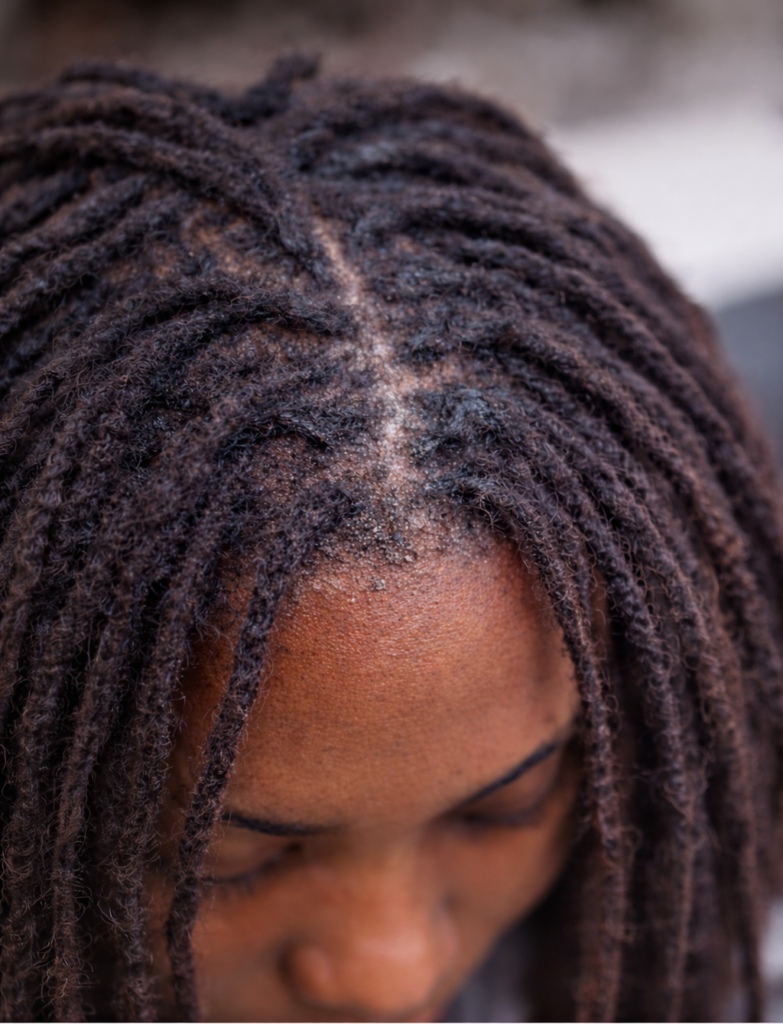
To get rid of dandruff, you must first understand its root cause because dandruff is not a one-size-fits-all problem, and for loc wearers, several factors can contribute.
Here are some root causes:
1. Dry Scalp
One of the most common causes of dandruff in locs is a dry scalp. Dryness happens when the scalp lacks enough moisture, leading to flaking, itching, and tightness.
Dry scalp can be triggered by:
-Infrequent washing
-Harsh shampoos that strip locs of natural oils
-Cold weather or dry air
-Overuse of drying products
Note that dry flakes are usually small, white, and fall easily from the scalp.
Please read: How to care for your locs the right way
2. Product Buildup
One of the peculiarities of locs is that they tend to hold on to products more than loose natural hair. That’s why heavy oils, waxes, creams, and gels can accumulate over time, thereby clogging the scalp and forming residue that looks like dandruff.
Unlike dry scalp flakes, buildup often:
-Sticks to the locs
-Appears greyish or off-white
-Doesn’t fall off easily
You should see this: Common locs problems and how to fix them
3. Seborrheic Dermatitis
This is a medical scalp condition caused by an overgrowth of yeast (Malassezia) on the scalp. It leads to excessive flaking, redness, and itching.
Signs of Seborrheic Dermatitis include:
-Yellowish or greasy flakes
-Persistent itching
-Flakes that return quickly even after washing
If dandruff doesn’t improve despite good hair care, this may be the cause.
You’ll want to save this: How to get rid of lints in your hair
4. Infrequent or Improper Cleansing
It’s common to see some loc wearers avoid washing their hair regularly out of fear of unraveling or frizz. Some also skip
washing because locs take time to dry. Unfortunately, skipping washes allows sweat, dirt, and dead skin cells to build up on the scalp.
This will help you: How to care for your locs the right way
On the other hand, washing incorrectly – such as not rinsing thoroughly – can also leave residue behind. So, it’s not enough to wash. You have to wash your locs really well.
Read this next: Everything You Need to Know About Steaming Your Locs
5. Allergic Reactions or Sensitivity
Sometimes the scalp may react to:
- Essential oils
- Hair dyes
- Synthetic fragrances
- New hair products
All these can cause flaking, itching, and inflammation that mimics dandruff.
Must read: 10 Things I Wish I Knew Before Starting My Locs
Now this question:
Is Dandruff in Locs Normal?
As common as dandruff in locs is, a lot of people still see it as something abnormal whereas it’s normal, especially in the early stages of your loc journey. However, this does not imply that you shouldn’t treat dandruff.
Another thing to note is that starter locs particularly are more prone to dandruff because:
-The scalp is adjusting to a new routine
-Product use may increase initially
-Washing frequency often changes
Even mature locs can experience dandruff due to weather changes, stress, hormonal shifts, or product choices.
Learn more here: Common Locs Problems and How to Fix Them
Now that we’ve covered the causes, let’s get into the practical steps that help your locs to be dandruff-free.
How to Get Rid of Dandruff from Your Locs
1. Start with a Proper Clarifying Wash
Clarifying is essential for removing buildup from both your scalp and locs. To get the best result, use a clarifying shampoo that is:
- Sulphate-free
- Residue-free
- Designed for locs or natural hair

Here’s how to clarify properly:
-Thoroughly wet your locs with warm water
-Apply shampoo directly to the scalp
-Gently massage using your fingertips
-Let the suds run through your locs
-Rinse thoroughly – twice if necessary
-Clarify once every 3–4 weeks, or as needed.
2. Use an Anti-Dandruff Shampoo When Necessary
If your dandruff is persistent, itchy, or flaky despite regular washing, an anti-dandruff shampoo can help.
Look for active ingredients such as:
- Zinc pyrithione
- Salicylic acid
- Tea tree oil
- Ketoconazole (for severe cases)
Bonus Tip: Use anti-dandruff shampoos only on the scalp, and follow up with proper rinsing to avoid residue in your locs.
3. Rinse Thoroughly – Then Rinse Again
One of the biggest causes of “mysterious dandruff” in locs is leftover shampoo residue. Because locs are dense, water and product can get trapped inside.
To avoid that, always:
-Rinse longer than you think you need to
-Separate locs gently while rinsing
-Ensure water runs clear
Bonus Tip: If necessary, finish with a final cool rinse to close the cuticles.
Read more on How to care for your locs the right way here
4. Keep Your Scalp Moisturised – Not Oily
A dry scalp needs moisture, not heavy oil.
Instead of thick oils and greases, opt for:
- Aloe vera juice
- Rose water
- Witch hazel (alcohol-free)
- Lightweight scalp sprays
Apply moisturiser 2–3 times a week, focusing on the scalp, not the locs themselves.
5. Avoid Heavy Products That Cause Buildup
Anyone who has been on a loc journey for some time and has experimented with some hair products would agree that not all products are good for locs.
Here are some products to limit or avoid:
- Thick butters
- Petroleum-based greases
- Beeswax
- Heavy creams
The fact remains that locs thrive on simplicity. The fewer products you use, the less buildup you’ll have to battle later.
Now, are there natural remedies for treating dandruff?
Yes. Let’s discuss some of them and how to use them.
Natural Remedies for Treating Dandruff in Locs
If you prefer a more natural approach, these remedies can be very effective when used correctly.
1. Apple Cider Vinegar (ACV) Rinse
ACV helps balance scalp pH and loosen flakes.
Here’s how to use it:
-Mix 1 part ACV with 3 parts water
-Apply to the scalp after shampooing
-Let it sit for 2–3 minutes
-Rinse thoroughly
Bonus Tip: Use once a month.
2. Tea Tree Oil
Tea tree oil has antifungal and antibacterial properties, making it effective for treating dandruff.
Here’s how to use it:
Add 2–3 drops to your shampoo, or
mix with water for a scalp spray
Bonus Tip: Never apply undiluted tea tree oil directly to the scalp.
3. Aloe Vera Gel
Pure aloe vera soothes itching and hydrates the scalp, thereby giving some relief from dandruff.
Here’s how to use it:
Apply a thin layer to the scalp before washing as a pre-treatment or after washing as a leave-in treatment.
Bonus Tip: Ensure the gel is 100% pure to avoid residue.
Moving on, let’s talk about the role of washing in preventing dandruff.
How Often Should You Wash Locs to Prevent Dandruff?
The truth is that there is no universal rule, but here’s a guideline to help:
-For starter locs, wash every 2–3 weeks
-For mature locs, every 3–4 weeks of washing is okay.
However, if you sweat heavily or live in a humid climate, you may need to wash more often. Needless to say that a clean scalp is essential for healthy locs.
Don’t miss this guide: How to Get Rid of Lint in Your Locs
This leads us to the next important question a lot of people ask about controlling dandruff:
Can You Oil Locs If You Have Dandruff?
Trying to get rid of dandruff doesn’t mean you can’t oil your locs. However, do it sparingly and intentionally. Don’t apply too much oil as dandruff thrives on a damp scalp. Also, not every hair oil is good for your locs, especially when you are trying to get rid of dandruff.

Best oils for dandruff-prone scalps include:
Another thing to note is that when applying oil, avoid pouring oil directly onto the scalp. Instead:
-Apply a few drops to fingertips
-Massage gently into your scalp
-Focus on dry areas only
Bonus Tip: Avoid over-oiling as it causes buildup.
Common Mistakes That Make Dandruff Worse
If you want to see lasting results with your dandruff treatment, then avoid these common mistakes:
-Over-oiling the scalp
-Using multiple products at once
-Skipping washes for too long
-Not drying locs properly after washing
-Ignoring persistent itching
As discussed earlier, dandruff thrives in damp, product-heavy environments. So, keep your locs moisturised but not wet.
Bookmark this: 10 Things You Should Never Do to Your Starter Locs
What if after doing all these, your dandruff is still persistent? What next?
When to See a Professional
See a professional if dandruff:
-Persists despite treatment
-Is accompanied by redness or sores
-Causes excessive itching or hair thinning
If you notice any of the above issues, consult a dermatologist or psychologist to have dandruff assessed and treated. Even though the remedies in this guide are effective, the truth is that some scalp conditions may require medicated treatment to cure them.
See this: 23 things you should never do to your locs
Final Thoughts
Dandruff in locs can feel discouraging, especially when you’re putting so much care and intention into your hair. But it’s important to remember this: dandruff is not failure, a sign of neglect, or proof that your locs are unhealthy. In most cases, it’s simply your scalp asking for balance.
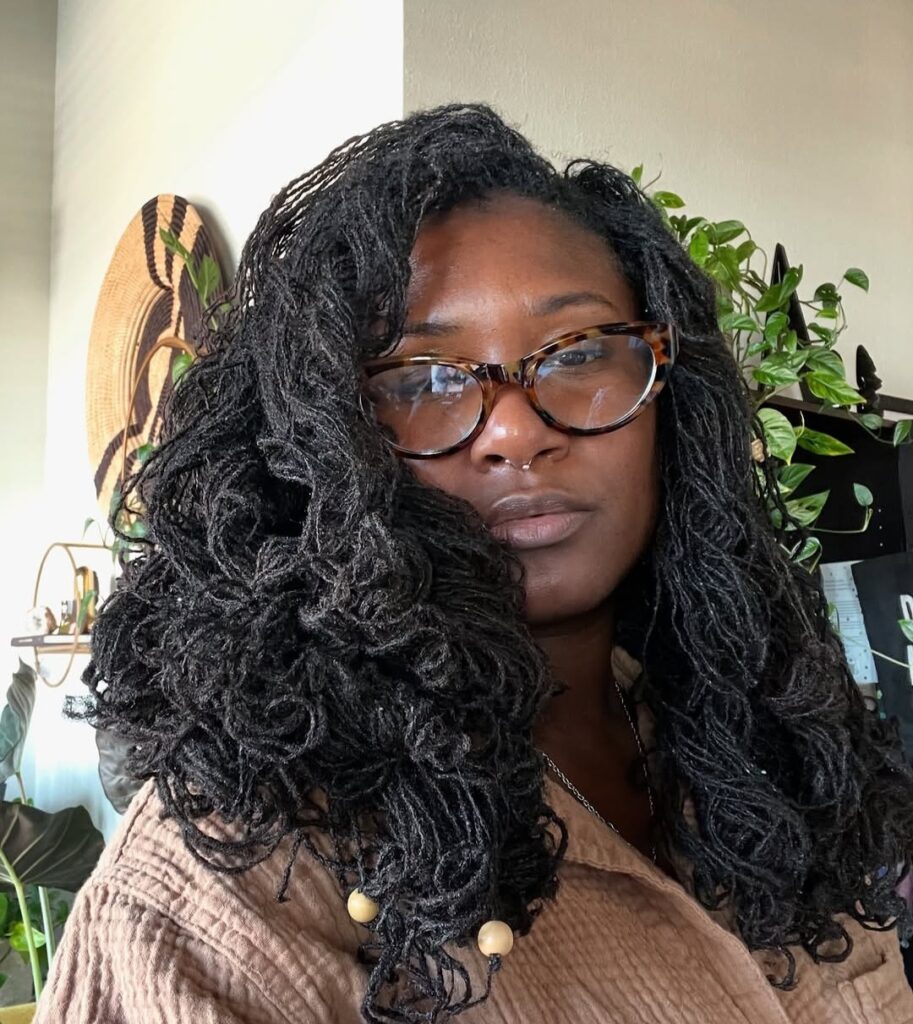
Whether your dandruff is caused by dryness, buildup, sensitivity, or a medical condition, the solution always starts with understanding your scalp and responding to its needs – not fighting it aggressively.
By prioritizing proper cleansing, clarifying when necessary, rinsing thoroughly, and choosing lightweight, scalp-friendly products, you create an environment where flakes struggle to thrive. And when you add mindful moisturising, minimal product use, and consistent washing, you’ll find dandruff more manageable over time.
Always remember that your locs are living, evolving, and uniquely yours. And with the right approach, they can be both beautiful and healthy from root to tip.
If you liked this, read this: Everything You Need to Know About Steaming Your Locs




12 Comments